Like
Share
멍실장
강아지 비장절제술 후 관리 증상과 원인, 진단·치료와 관리 포인트 총정리

Comprehensive Guide to Post-Splenectomy Care in Dogs: Symptoms, Causes, Diagnosis, Treatment, and Management Points

Oncology/CancerDiseasesMeongsiljang Veterinary Advisory Board

After a dog undergoes a splenectomy, post-operative care is a crucial process that requires close attention to the increased risk of infection and weakened immunity. The key is to prevent complications and support recovery through proper care.

Post-Splenectomy Care in Dogs: A Critical Process for Saving Lives
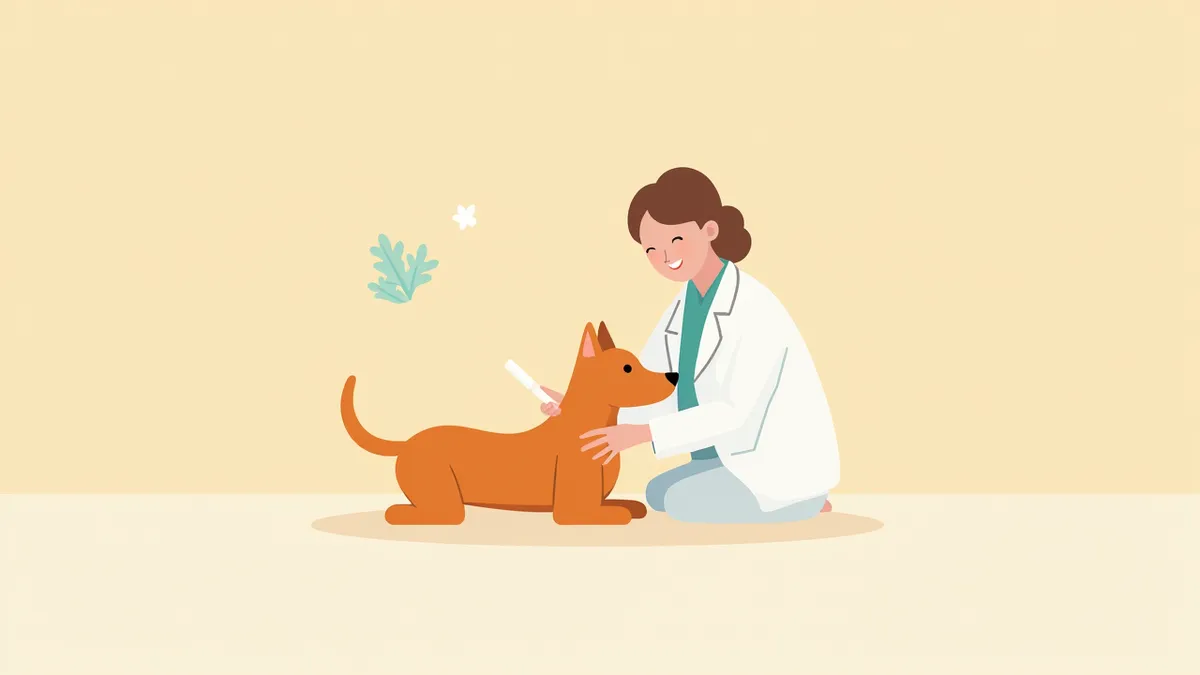
A veterinarian examining a dog after splenectomy
Post-splenectomy care for dogs is a critical process that requires close monitoring for complications such as bleeding and thrombosis, as well as careful assessment of the recovery progress. Diligent observation by the pet owner is essential for a specific period following surgery.
Bleeding Risk: Because the spleen is a highly vascular organ, there is a risk of rebleeding at the surgical site or internal bleeding within the abdominal cavity, and some patients may require blood transfusions. Therefore, restricting activity is crucial.
Thrombosis and Embolism Risk: Complications such as portal vein thrombosis and pulmonary thromboembolism have been reported after splenectomy, so vigilance is necessary.
Risk of Gastric Dilatation-Volvulus (GDV): Studies indicate that dogs with a history of splenectomy have an increased risk of GDV later in life, necessitating long-term observation for several months after the procedure.
Infection Risk: Secondary infections have been reported post-surgery, so both the surgical site and the dog’s overall systemic condition must be monitored.
Regular veterinary check-ups and attentive observation by the owner are key during the recovery period.

Main Causes and Pathogenesis After Splenectomy

The changes that occur after a splenectomy are primarily due to hematological and surgical alterations resulting from the removal of the spleen. Since the spleen plays a key role in blood-related functions, its removal can lead to various changes.
Bleeding and hemostatic abnormalities: The spleen is highly vascular, so there is a risk of bleeding during and after the procedure, and impaired hemostatic function may be observed postoperatively.
Risk of thrombus formation: Complications such as portal vein thrombosis, pulmonary thromboembolism, and disseminated intravascular coagulation (DIC) have been reported following splenectomy.
Cardiac arrhythmias: Ventricular arrhythmias may occur in association with splenic disease and splenectomy, likely due to altered venous return to the heart.
Tendency for gastric dilatation-volvulus (GDV): Dogs with a history of splenectomy have been reported to have an increased risk of GDV, so careful monitoring is necessary for several months after surgery.
Understanding these mechanisms can help develop more effective management strategies.
An anatomical diagram of a dog’s abdomen, centered on the spleen.

Checklist of Main Symptoms and Signs After Splenectomy

After a splenectomy, there are specific signs pet owners should watch for closely. Early detection is key to preventing complications.
Fever: If a higher-than-normal temperature persists, suspect infection and seek veterinary care.
Loss of appetite: If your pet isn’t eating well post-surgery or shows a significant drop in appetite, pay close attention.
Vomiting and abdominal distension: Sudden vomiting or a swollen belly could signal an emergency like gastric dilatation-volvulus, requiring prompt veterinary attention.
Fatigue and lethargy: If your pet remains listless and inactive all day, internal bleeding may be a concern.
Bleeding and difficulty breathing: Bleeding from the surgical site, pale gums, or sudden breathing difficulties may indicate hemorrhage or thromboembolism, necessitating an immediate vet visit.
If you notice any of these signs, contact your veterinarian right away.
A pet owner checking on their dog after a splenectomy.

Emergency Situations Requiring Immediate Veterinary Visit

If your pet develops a high fever, persistent vomiting or abdominal distension, bleeding, sudden difficulty breathing, or severe lethargy after a splenectomy, seek veterinary care immediately. These symptoms may indicate infection, internal bleeding, thromboembolism, or gastric dilatation-volvulus.

Diagnostic Methods and Examination Items After Splenectomy
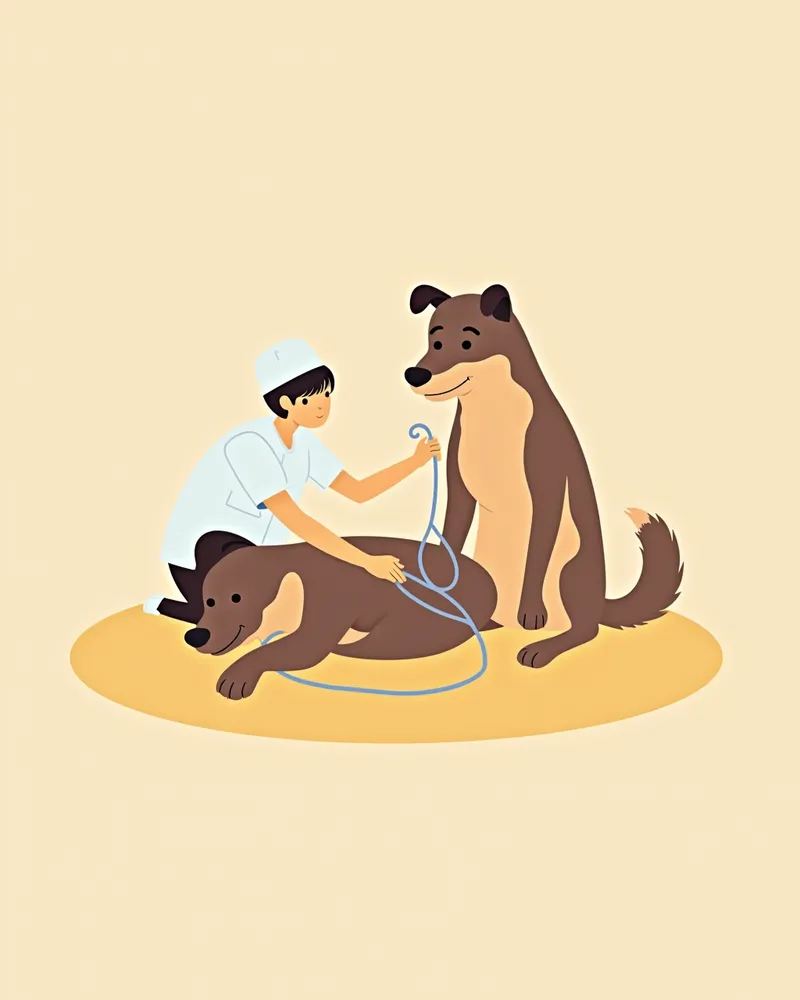
Regular check-ups are essential to monitor for any complications following a splenectomy. Please follow your veterinarian’s instructions for these examinations.
Blood tests: These check red blood cell and platelet counts, as well as indicators related to inflammation and clotting, to assess for bleeding, anemia, or infection.
Abdominal ultrasound: This helps detect internal bleeding within the abdominal cavity and evaluate the condition of the organs.
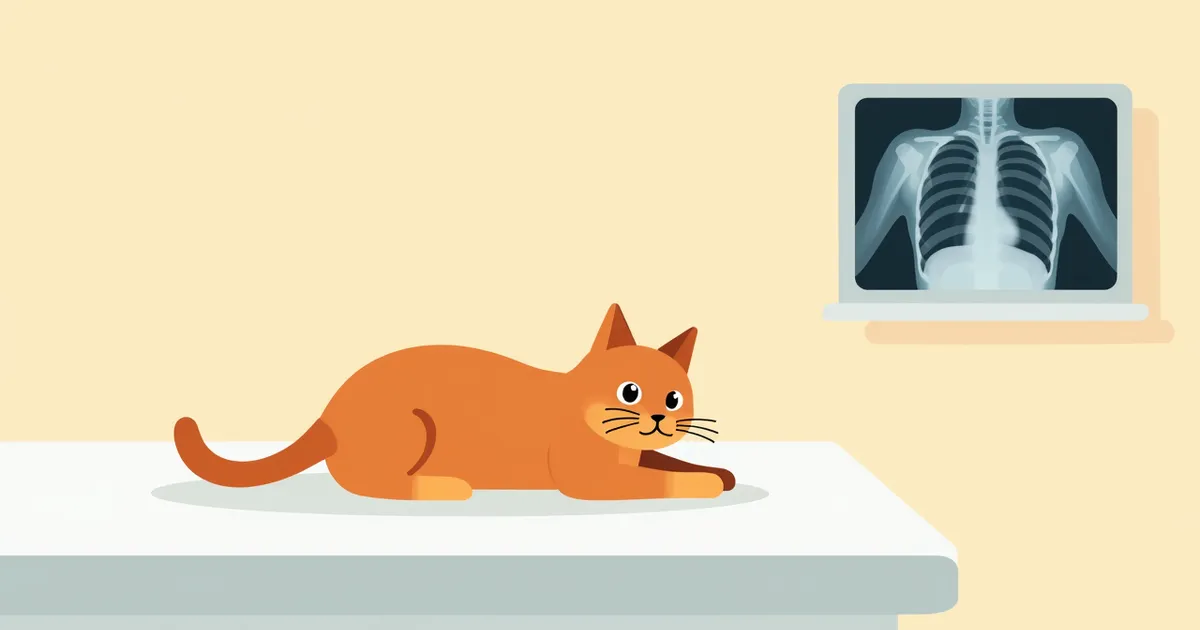
Imaging studies: If necessary, chest and abdominal imaging can be used to evaluate for thromboembolism or other complications.
Infection-related tests: If fever or systemic symptoms occur, tests such as cultures can help identify the cause of infection.
Ongoing monitoring: Blood tests may be repeated as needed to track changes during the recovery process.
Regular check-ups enable early detection and treatment of potential issues.
A veterinarian performing an abdominal ultrasound on a puppy.

Treatment Methods and Step-by-Step Management Strategies After Splenectomy

Post-splenectomy care should focus on preventing complications such as bleeding and infection, as well as promoting recovery. It is important to establish a step-by-step management plan.
Week 1 after surgery: Absolute rest, adherence to prescribed medications, and close monitoring of the surgical site for any signs of bleeding are essential.
Weeks 2–3: Gradual resumption of activity, dietary management, and regular veterinary check-ups are necessary.
After 4 weeks: Gradually increase activity levels while monitoring overall recovery progress.
Long-term management: Dogs with a history of splenectomy may have an increased risk of gastric dilatation-volvulus (GDV) in the months following surgery. Therefore, closely monitor for sudden vomiting or abdominal distension.
Consult your veterinarian at each stage to adjust the care plan as needed.
A puppy taking a peaceful walk in a quiet park.

Home Care and Daily Care Points

Proper home care after a splenectomy is key to preventing complications, and it requires your careful attention.
Diet Management: Offer small, frequent meals of high-quality, easily digestible food, and adjust portion sizes in consultation with your veterinarian.
Activity Restriction: Avoid strenuous activity and ensure your pet rests comfortably during the post-operative recovery period.
Incision Monitoring: Check the surgical site daily for swelling, bleeding, discharge, or redness.
Medication Administration: Administer prescribed medications exactly as directed by your veterinarian.
Stable Environment: Allow your pet to rest adequately in a quiet, warm environment.
Emergency Signs: Contact your clinic immediately if you notice sudden vomiting, abdominal distension, or difficulty breathing.
Following these care guidelines will greatly support a smooth and normal recovery.
A puppy resting comfortably in a warm bed

Breed-Specific Precautions and Management to Prevent Recurrence

Certain breeds and age groups are known to be at higher risk for splenic disease, such as middle-aged German Shepherds (hemangiosarcoma), senior dogs (nodular hyperplasia), and Bernese Mountain Dogs (malignant histiocytosis). Additionally, the risk of gastric dilatation-volvulus increases after splenectomy, so long-term management and monitoring are essential.

Reviewed by a veterinarian

Dr. Tony — Punnawat Phongkittirak

Dr. Tony — Punnawat Phongkittirak

Veterinarian

A veterinarian who majored in veterinary medicine at Khon Kaen University, Thailand, and completed the IVSA program at North Carolina State University in the United States. Drawing on clinical experience at animal hospitals, he works in the pet healthcare field and is dedicated to building a digital care environment that connects pet parents with veterinarians.

Frequently Asked Questions

How much does the immune system weaken after a splenectomy?
The spleen is an organ that filters pathogens from the blood and plays a key role in the immune response. Since secondary infections have been reported after splenectomy, it’s important to closely monitor for signs of infection during the recovery period. However, other immune organs can partially compensate for the spleen’s functions.
Can my pet receive vaccinations after a splenectomy?
The decision on whether and when to vaccinate depends on the pet’s recovery status and risk of infection, and should be made by your veterinarian. Please consult with your vet rather than making this decision on your own.
How long does recovery take after a splenectomy?
Recovery time varies significantly depending on the individual pet and the specifics of the surgery. Rather than relying on a fixed timeline, it’s important to consult with your veterinarian and monitor your pet’s progress closely.
Can I increase my pet's food intake after a splenectomy?
The amount of food should be adjusted according to your veterinarian's instructions. Overfeeding can put a strain on digestion.
What should I do if an infection develops after a splenectomy?
If you notice signs that suggest an infection, such as a fever, it’s important to visit the vet right away for examination and treatment. Prompt action can help speed up recovery.

Share

Related Guides

References

[1] Plumb's Veterinary Drug Handbook, 9th Edition. Wiley-Blackwell, 2022.

[2] Clinical Medicine of the Dog and Cat, 4th Edition. Elsevier, 2020.

[3] Veterinary Surgical Oncology, 2nd Edition. Elsevier, 2018.

This information is based on veterinary literature and does not replace diagnosis or treatment. Please consult a veterinarian for specific health concerns.

Metapet Co., Ltd. | CEO: Park Sung-yong | Business Reg. No. 417-88-02562 | Seoul, South Korea | Customer Center

Post-Splenectomy Care in Dogs: Symptoms to Management | Meongsiljang