Like
Share
멍실장
강아지 구개 파열 증상과 원인, 진단·치료와 관리 포인트 총정리

Cleft Palate in Puppies: Symptoms, Causes, Diagnosis, Treatment, and Management Essentials

Oral HealthDiseasesMeongsiljang Veterinary Advisory Board

Cleft palate in puppies is a congenital oral structural abnormality where the roof of the mouth fails to close completely. This can cause food to enter the nasal cavity, lead to difficulty eating, and increase the risk of infection, making early diagnosis and management essential.

Cleft Palate in Puppies Is a Congenital Oral Structural Abnormality

An image showing a puppy with a cleft palate shortly after birth
Cleft palate in puppies is a congenital structural abnormality in which the roof of the mouth (palate) fails to close completely at birth. It occurs when the palatal shelves, which form the roof of the mouth, do not fuse properly around days 25–28 of gestation. This defect creates a connection between the mouth and nasal cavity, allowing milk or food to enter the nose and potentially causing nasal discharge and respiratory issues. During nursing or feeding, milk or food may leak out of the nose, frequent nasal discharge (rhinorrhea) can occur, and adequate nutrient intake may become difficult. - Cleft palate: A structural abnormality resulting from incomplete fusion of the palatal shelves during fetal development, caused by a combination of genetic factors, teratogenic exposures (such as medications or supplements), and nutritional factors. - Genetic factors: There is a polygenic inheritance pattern with recessive or incomplete dominant traits, making the condition more common in certain breeds with a genetic predisposition. - Environmental factors: Teratogenic factors during pregnancy, such as maternal nutritional deficiencies or exposure to medications and supplements, can disrupt normal palate formation. Early detection through oral examination in the neonatal period is critical for survival and quality of life.

The Main Causes of Cleft Palate Are Genetics and Developmental Abnormalities
The primary cause of cleft palate in puppies is genetic predisposition, arising when the palatal shelves fail to fuse properly during fetal development, typically around days 25 to 28 of gestation. The inheritance pattern is known to be polygenic, involving recessive or incompletely dominant traits, which means the condition may appear more frequently in certain breeds with a genetic predisposition. Additionally, teratogenic factors during pregnancy, such as maternal nutritional deficiencies or exposure to medications and supplements, can disrupt normal palate formation. - Genetic factors: Because cleft palate is a polygenic trait, the genetic predisposition from parents can be passed on to offspring. Therefore, it is advisable to avoid breeding dogs with a history of cleft palate. - Teratogenic and nutritional factors: Exposure to certain medications or supplements, as well as nutritional deficiencies during pregnancy, can affect palate development. - Developmental abnormalities: Disruptions during the critical period when the palatal shelves fuse can lead to cleft palate. Early diagnosis and careful breeding management are essential.
An anatomical illustration showing the failure of palatal fusion during fetal development

Be Sure to Check for Key Symptoms and Signs

The hallmark signs of a cleft palate in puppies include food leaking into the nasal cavity and foaming from the nose during meals. You may also notice frequent coughing, sneezing, symptoms of pneumonia, delayed weight gain, and reduced appetite. Because these conditions significantly increase the risk of infection, early detection is crucial.
Nasal regurgitation of food: This occurs when food flows into the nasal passages while eating.
Coughing during meals: A reflexive cough triggered as food enters the airway.
Repetitive sneezing: Caused by irritation from food particles entering the nose.
Delayed weight gain: Growth slows down due to poor nutrient absorption.
Reduced appetite: The puppy may avoid eating because of discomfort during meals.
An image showing a dog with food leaking out of its nose while eating

Emergency Signs Requiring Immediate Veterinary Visit

If your dog shows severe coughing or difficulty breathing during meals, or if symptoms of pneumonia (coughing, fever, weakness) appear, you should visit a veterinary clinic immediately. Cleft palate carries a very high risk of infection, and without early treatment, it can be life-threatening.

Endoscopy and Radiography Are Needed for Accurate Diagnosis
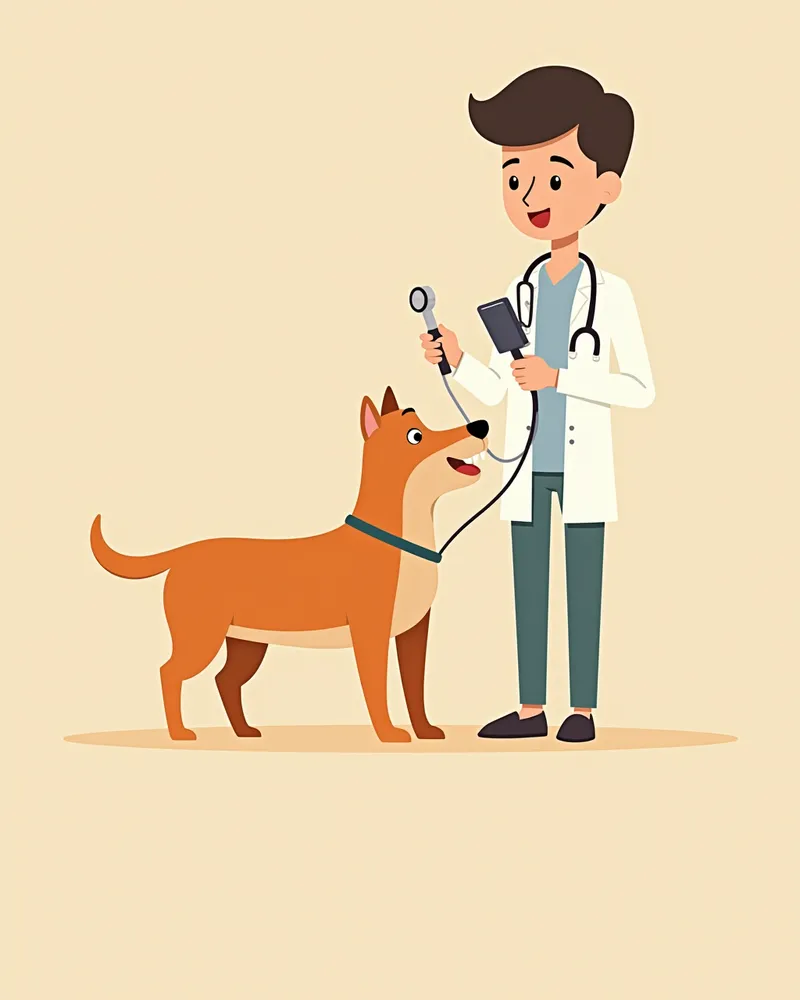
The primary way to diagnose cleft palate in puppies is through a direct oral examination of the newborn’s mouth. However, additional diagnostic tests are helpful to determine the exact location and extent of the cleft, as well as to identify any accompanying congenital anomalies. - Oral examination: This is the most fundamental diagnostic step, involving direct visualization of the roof of the mouth to assess the location, size, and shape of the cleft, and to check for any connection to the nasal cavity. - Oral radiography: X-rays help evaluate whether the palatal bones and surrounding skeletal structures have formed correctly and identify any abnormalities. - Advanced imaging such as CT scans: Computed tomography (CT) is useful for precisely evaluating the upper airway, nasal cavity, paranasal sinuses, and the full extent of the lesion. - Preoperative assessment: Based on the diagnostic results, a surgical plan is developed, and potential risks of complications are reviewed in advance. - Overall health assessment: Systemic conditions, including heart and lung function, are evaluated together to ensure safety during anesthesia and surgery. Accurate diagnosis is key to establishing an effective treatment plan.
An image showing a veterinarian using an endoscope to examine a dog's oral cavity.

Surgical Treatment Is the Primary Therapy and Must Be Planned According to Timing

The definitive treatment for a cleft palate in puppies is surgical repair. Under general anesthesia, the cleft in the roof of the mouth is sutured to separate the oral and nasal cavities. The timing and surgical approach must be carefully planned according to the puppy’s individual condition. - Timing of surgery: Because puppies are small and their facial and oral structures continue to grow after surgery, the procedure can be technically challenging. Therefore, it is often performed once the puppy has grown to a certain size and its overall health is stable. - Suturing technique: The mucosa and tissues of the palatal shelves are meticulously sutured to restore function. However, if the cleft does not close completely in one procedure, multiple surgeries may be required. - Post-operative care: Antibiotics should be continued until bacterial culture results are available to prevent infection, and pain should be managed with analgesics. - Dietary management: To reduce stress on the sutured area, offer soft food or, if necessary, consider nutritional support via esophageal or gastric tubes. - Activity restriction: It is important to limit activity and avoid trauma during the recovery period. Consistent care is essential, as the sutured area may dehiscence or require additional surgery even after the initial operation.
An image showing a puppy recovering after cleft palate surgery.

Post-Surgical Care and Lifelong Management Points

After surgery, your pet will need antibiotics to prevent infection and medication to manage pain. Offer soft, jelly-like or broth-based foods, and using a straw or specialized dish can make eating easier. For the first two to three weeks post-surgery, limit activity and minimize environmental stressors. Regular veterinary check-ups are essential to monitor recovery progress.
Antibiotics: Administered for a specified period after surgery to prevent infection.
Soft Diet: Jelly or broth-based foods are recommended due to oral discomfort.
Activity Restriction: Avoid excessive running or jumping during the recovery period.
Regular Check-ups: Schedule follow-up visits one to two weeks after surgery and again at one month to assess healing.
An image showing specialized bowls and food for puppies with cleft palate

Certain Breeds Have a High Risk of Recurrence, So Be Cautious

Cleft palate has a polygenic inheritance pattern with recessive and incomplete dominant traits, so it can occur alongside other oral and facial deformities in certain breeds with a genetic predisposition. In some cases, the defect may not be fully closed in a single surgery, leading to dehiscence at the suture site or the need for additional procedures. Therefore, regular postoperative oral examinations are essential, and hospitalization may be required for ongoing care; please consult your veterinarian for guidance.

Reviewed by a veterinarian

Dr. Tony — Punnawat Phongkittirak

Dr. Tony — Punnawat Phongkittirak

Veterinarian

A veterinarian who majored in veterinary medicine at Khon Kaen University, Thailand, and completed the IVSA program at North Carolina State University in the United States. Drawing on clinical experience at animal hospitals, he works in the pet healthcare field and is dedicated to building a digital care environment that connects pet parents with veterinarians.

Frequently Asked Questions

Can cleft palate be treated?
Surgical repair can separate the mouth and nose. However, depending on the extent of the defect, it may not close completely in one procedure, and multiple surgeries may be required. Early diagnosis and consistent care are essential.
When is the best time to schedule surgery?
Puppies are small, and their faces and mouths continue to grow even after surgery, making the procedure more challenging. Therefore, the timing is usually determined in consultation with a veterinarian once they have grown to a certain extent and their overall health is stable.
What kind of food should I give my pet after surgery?
It is best to offer soft food to minimize irritation at the suture site, and if necessary, consider nutritional support via an esophageal or gastric feeding tube. Please consult your veterinarian for specific feeding instructions.
Is cleft palate hereditary?
Yes, it can be inherited in a dominant or incomplete dominant polygenic manner. Offspring of individuals with cleft palate are at genetic risk, so breeding should be avoided.
What should I do if an infection develops after surgery?
If your pet develops mouth swelling, fever, or refuses to eat, contact your veterinarian immediately. They may need to start antibiotics and provide additional treatment.

Share

Related Guides

References

[1] Hillier, A. et al. (2020) Veterinary Dentistry: Principles and Practice. 2nd ed. Wiley-Blackwell.

[2] Plumb's Veterinary Drug Handbook, 9th ed. (2022). Wiley-Blackwell.

[3] American Veterinary Medical Association. (2021). Guide to Canine Congenital Disorders. AVMA Publications.

This information is based on veterinary literature and does not replace diagnosis or treatment. Please consult a veterinarian for specific health concerns.

Metapet Co., Ltd. | CEO: Park Sung-yong | Business Reg. No. 417-88-02562 | Seoul, South Korea | Customer Center

Puppy Cleft Palate: Symptoms, Causes, Diagnosis & Treatment | Meongsiljang