Like
Share
멍실장
강아지 연령별 정기 건강검진 자주 묻는 질문 Q&A — 보호자가 꼭 알아야 할 핵심

Frequently Asked Questions on Regular Health Check-ups by Puppy Age — Key Points for Pet Owners

Lifestyle & Age CareQ&AMeongsiljang Veterinary Advisory Board

We’ve put together the importance of regular health check-ups tailored to your puppy’s growth stages, along with frequently asked questions. Early detection is the key to disease prevention.

Regular Health Check-ups by Puppy Age Are a Pet Owner’s Essential Responsibility
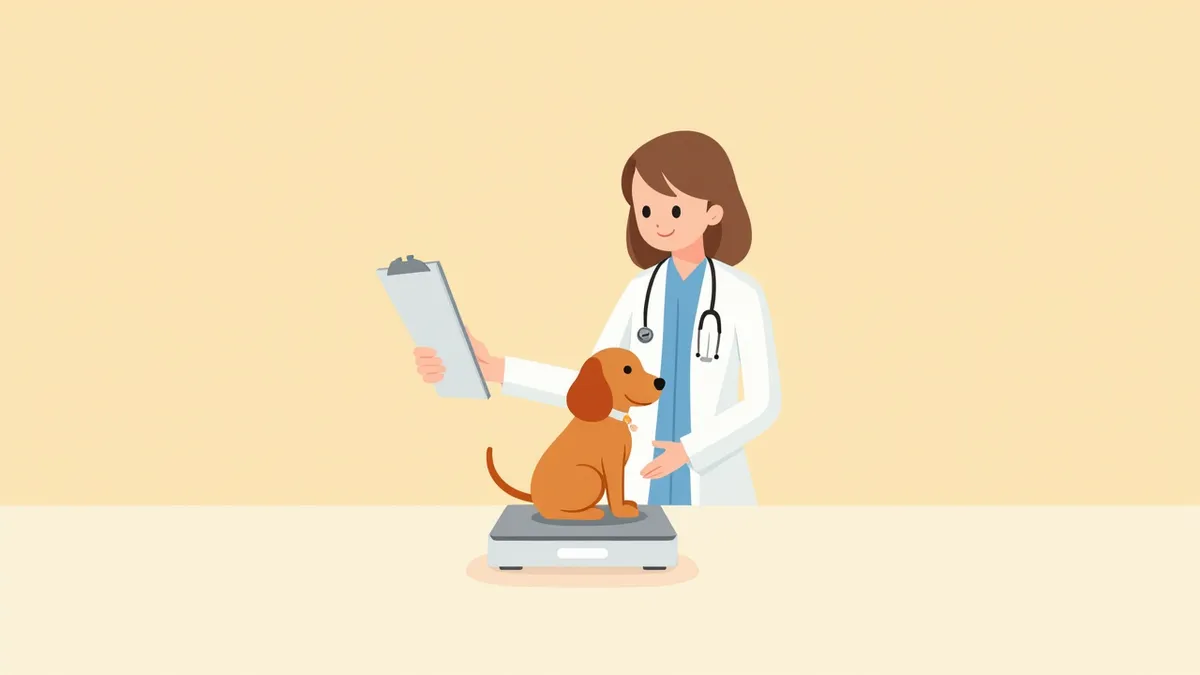
A veterinarian examining a puppy on a scale.
Regular health checkups tailored to your dog’s growth stage are key to early disease detection and prevention. Because health risks change with age, customized exams are essential.
Within 2 weeks of birth: Monitor weight gain and milk intake, and check for congenital abnormalities. This is a period of rapid growth, so assessing initial health status is crucial.
8 weeks of age: Administer the first vaccinations and perform parasite screening, while the veterinarian evaluates overall health. Weight gain, motor skills, and emotional well-being are also assessed.
6 months of age: Observe growth and development, body symmetry, and early signs of joint abnormalities. Depending on the case, the veterinarian may recommend cardiac screening.
1 year and older: Conduct a comprehensive physical exam evaluating weight, body condition, heart, and respiratory status. Blood and urine tests are performed as needed.
7 years and older: For senior dogs, continuously monitor changes in kidney and liver function, joint health, and cognitive function. A customized screening plan is developed based on the veterinarian’s assessment.
Regular checkups are more than just routine visits—they are the first step in safeguarding your dog’s health.

Why Do Check-up Items Vary by a Dog’s Age?

Because a dog’s physiological changes vary significantly with age, checkup items are tailored accordingly. It’s essential to reflect the health risks specific to each life stage: growth, adolescence, adulthood, and senior years.
Growth stage (0–1 year): Nutritional deficiencies, parasitic infections, screening for congenital conditions
Adolescent stage (1–3 years): Heart disease, joint issues, immune response assessment
Adult stage (3–7 years): Organ function, liver and kidney function, early cancer detection
Senior stage (7+ years): Chronic diseases, cognitive function, arthritis, respiratory problems
Failing to account for these differences can lead to missing important warning signs. Your veterinarian will create an age-appropriate checkup plan.
A veterinarian’s hands carefully checking the nails and skin condition of a senior dog

Learn the Key Items for Regular Health Check-ups by Puppy Age

The key checkup items vary by age group. When pet owners are familiar with these in advance, conversations with the veterinarian become more effective.
2 weeks after birth: Weight changes, milk intake, congenital abnormalities
8 weeks: Parasite testing, vaccinations, basic health assessment (weight, mobility, temperament)
6 months: Growth evaluation, mobility assessment, early detection of joint abnormalities
1 year and older: Comprehensive physical examination, weight and body condition assessment, heart and respiratory status check
3 years and older: Joint condition, kidney and liver function evaluation (including blood and urine tests), early monitoring for chronic diseases
7 years and older: Senior dog-specific assessment, kidney and liver function, joint condition, cognitive function changes
Veterinarians adjust these items based on each dog’s individual health status and age. Regular checkups are not just routine checks; they are the first step in safeguarding your dog’s health.
A veterinarian’s checklist outlining age-specific health screening items for dogs

Why Should Senior Dogs Have More Frequent Check-ups?
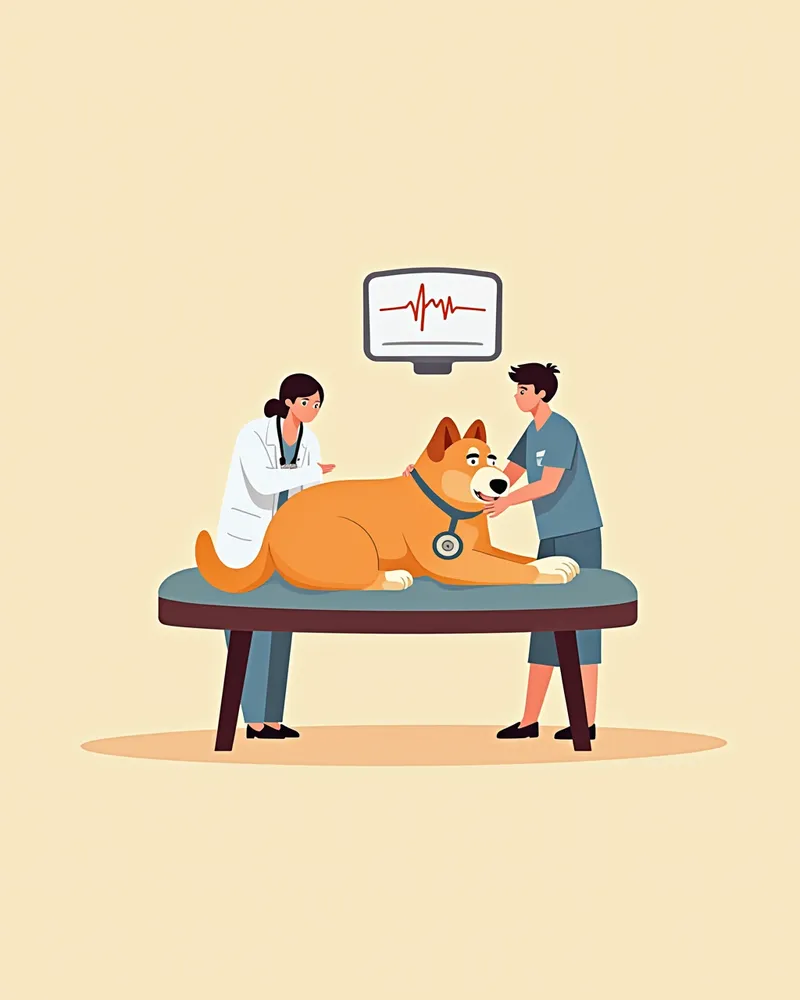
As senior dogs age, their bodily functions gradually decline, increasing the risk of chronic diseases. Early detection and proactive management are key.
Key risk factors: Declining kidney function, liver dysfunction, arthritis, cognitive decline, and heart disease
Check-up frequency: At least once a year is recommended. If symptoms arise or health deteriorates, your veterinarian will adjust the check-up schedule accordingly.
Core tests: Monitoring weight changes, body condition scoring, urinalysis, blood tests, assessment of heart and joint health, and cognitive function monitoring
In senior dogs, overall health status matters more than chronological age. Your veterinarian will evaluate your dog’s individual health and tailor the check-up schedule to their specific needs.
A veterinarian listening to the heartbeat of an elderly dog.

If You Notice These Symptoms, an Immediate Veterinary Visit Is Necessary

If your dog shows any of the following symptoms, please visit a veterinary clinic immediately. Early treatment can significantly improve survival rates.

Responses and Tips for Regular Health Check-ups by Puppy Age
To get the most out of regular health checkups, preparation on your part is key.
Before the visit: Confirm whether fasting is required, bring along toys or treats, and note any changes in your dog’s behavior.
During the visit: Don’t hesitate to ask questions—voice all your concerns. Your veterinarian will provide clear explanations.
After the visit: Organize the checkup results and schedule the next appointment in advance.
Record keeping: Maintain a health log to document the details of each checkup.
These habits play a vital role in safeguarding your dog’s long-term health.
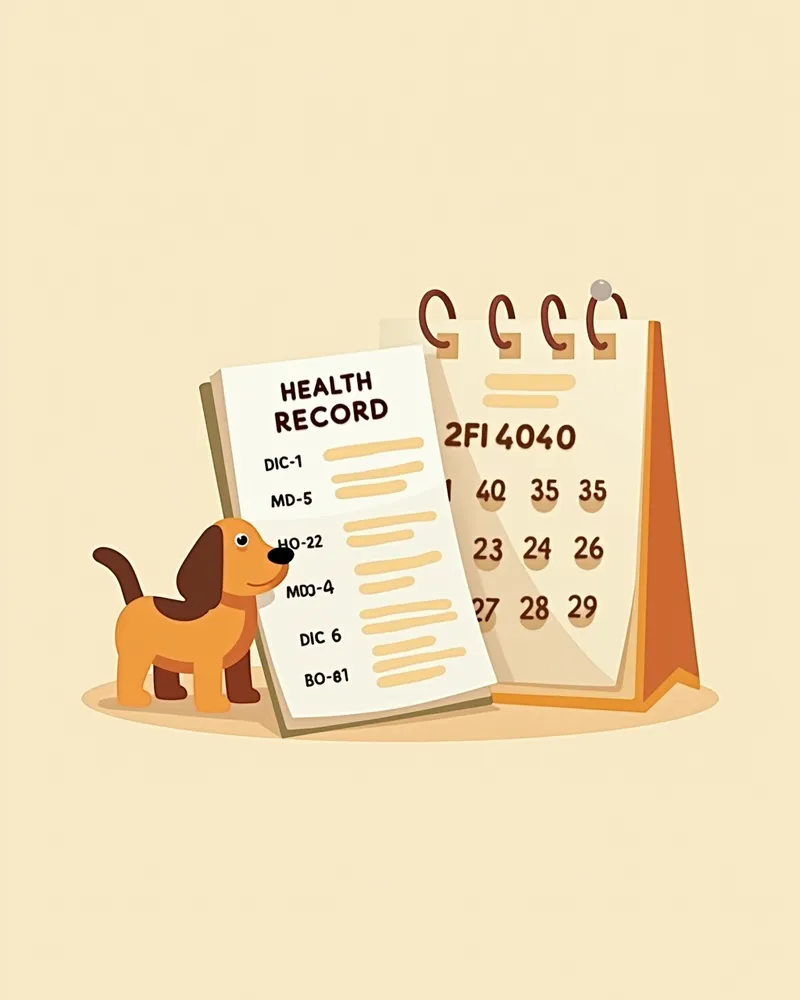
A calendar with your dog’s health records and appointment schedule written on it

Comparison Table for Regular Health Check-ups by Puppy Age

ItemMain Examination ItemsExamination FrequencyPrecautions
Within 2 weeks of birthWeight changes, nursing intake, presence of deformitiesWeeklyCheck maternal milk supply status and weight gain rate
8 weeks of ageParasite testing, vaccination, basic health status assessmentOnceObserve post-vaccination reactions and mood changes
6 monthsGrowth assessment, motor ability check, early detection of joint abnormalitiesOnceMonitor growth rate and physical balance
1 year and olderFull physical examination, weight and body condition assessment, cardiac/respiratory status checkAnnuallyBaseline assessment for early detection of chronic diseases
3 years and olderJoint condition, kidney/liver function assessment (including blood and urine tests), chronic disease monitoringAnnuallyOngoing health status tracking
7 years and olderKidney/liver function, joint condition, cognitive function changes, pain response assessmentAt least once a year, adjusted at the veterinarian's discretionSenior-dog-specific examination and continuous monitoring

Examination frequency may be adjusted by the veterinarian based on individual health condition.

5 Frequently Asked Questions About Dog Health Check-ups
Why should health check-ups be done annually? Diseases often progress silently, so regular check-ups enable early detection. By getting checked at least once a year, you can catch subtle signs of pain or illness early on. Early treatment not only improves outcomes but also reduces both the cost of care and recovery time. Is fasting required before a check-up? If your check-up includes blood tests or other specific items, fasting may be necessary beforehand. Fasting duration and preparation steps vary depending on the tests included, so please confirm with your veterinarian in advance. How much does a check-up cost? Costs typically range from $40 to $100, depending on your pet’s age and the specific tests performed. It’s also a good idea to check whether any of the services are covered by pet insurance. If the results are normal, do I still need future check-ups? Yes. Regular check-ups are essential for preventive care. Consistent monitoring helps track changes in your pet’s health over time. Are check-ups excessive for senior dogs? Not at all. Senior dogs are at higher risk for health issues, so veterinarians recommend check-ups at appropriate intervals based on individual needs.
Preparing for a vet visit with your dog

Reviewed by a veterinarian

Dr. Tony — Punnawat Phongkittirak

Dr. Tony — Punnawat Phongkittirak

Veterinarian

A veterinarian who majored in veterinary medicine at Khon Kaen University, Thailand, and completed the IVSA program at North Carolina State University in the United States. Drawing on clinical experience at animal hospitals, he works in the pet healthcare field and is dedicated to building a digital care environment that connects pet parents with veterinarians.

Frequently Asked Questions

When should you start taking your puppy for regular health checkups?
Start this process within the first two weeks after birth. It’s important to monitor the initial weight gain rate and how well the puppies are nursing.
How often should senior dogs have health check-ups?
Regular check-ups are recommended at least once a year. Depending on your pet's health status or symptoms, the veterinarian may adjust the frequency of these check-ups to be more frequent.
Why is a blood test important during a health checkup?
Blood tests are essential for early detection of internal conditions such as liver and kidney dysfunction, diabetes, and anemia.
Can I give my dog a treat before the checkup?
If blood tests are included, fasting may be required beforehand. Please confirm the exact fasting duration with your veterinarian in advance.
Even if the health checkup results are normal, is it necessary to have another checkup?
Yes, regular check-ups are the cornerstone of prevention. It’s essential to continuously monitor any changes in your pet’s health.

Share

Related Guides

References

[1] American Veterinary Medical Association. (2023). Guidelines for Canine Wellness Examinations. AVMA Publications.

[2] American Animal Hospital Association. (2022). AAHA Canine Life Stage Guidelines. AAHA Press.

[3] Plumb's Veterinary Drug Handbook, 9th Edition. (2021). Wiley-Blackwell.

This information is based on veterinary literature and does not replace diagnosis or treatment. Please consult a veterinarian for specific health concerns.

Metapet Co., Ltd. | CEO: Park Sung-yong | Business Reg. No. 417-88-02562 | Seoul, South Korea | Customer Center

Puppy & Dog Age-Specific Health Checkups: Essential Q&A for Pet Owners | Meongsiljang