Like
Share
멍실장
강아지 성견 추가 접종 스케줄 자주 묻는 질문 Q&A — 보호자가 꼭 알아야 할 핵심

Adult Dog Booster Vaccination Schedule FAQ — Key Information Every Pet Owner Should Know

Lifestyle & Age CareQ&AMeongsiljang Veterinary Advisory Board

The booster vaccination schedule for adult dogs is a cornerstone of preventive medicine. We’ve compiled the essential information every pet owner should know in a Q&A format.

Why Is the Adult Dog Booster Vaccination Schedule Important?
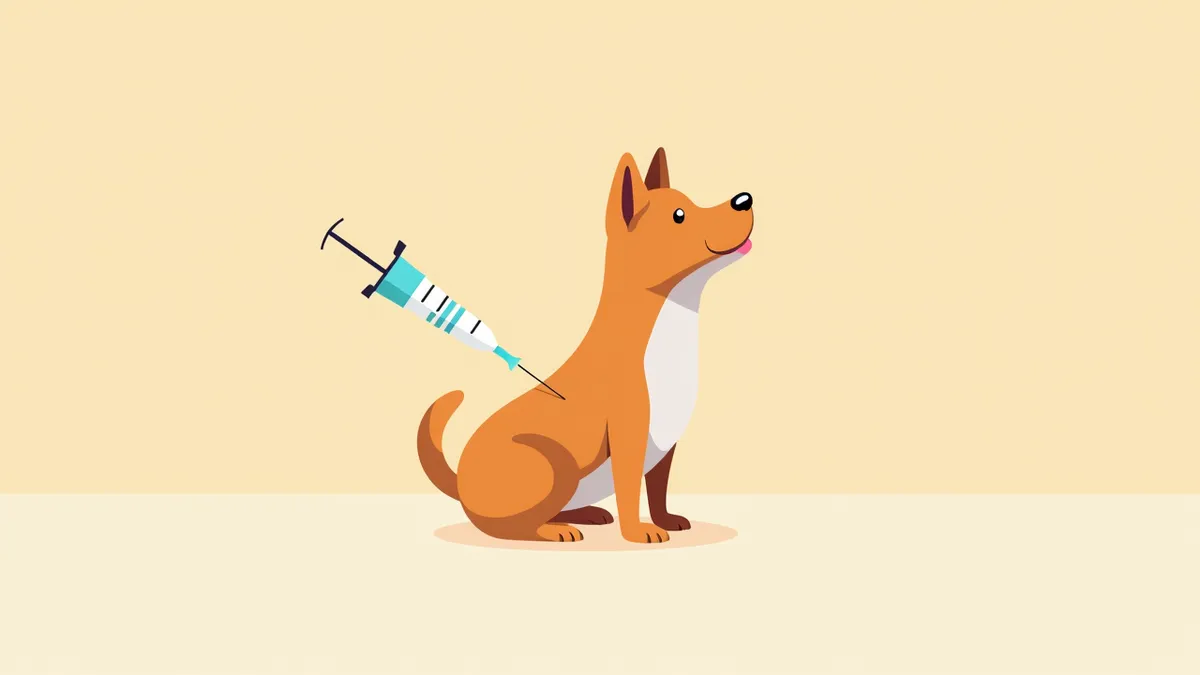
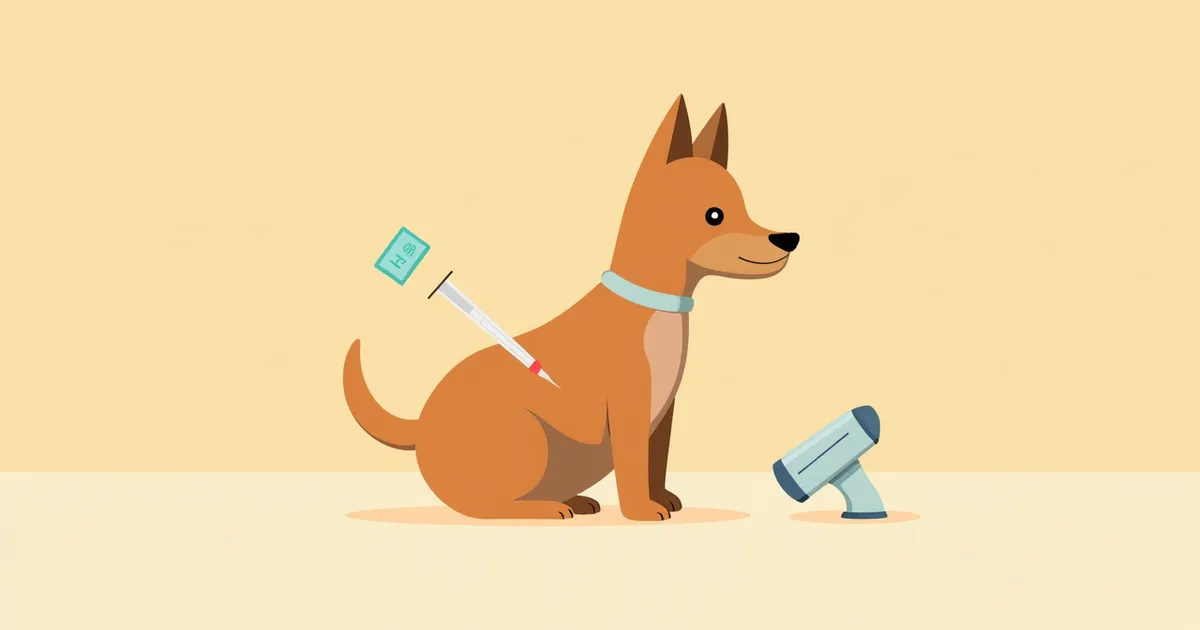
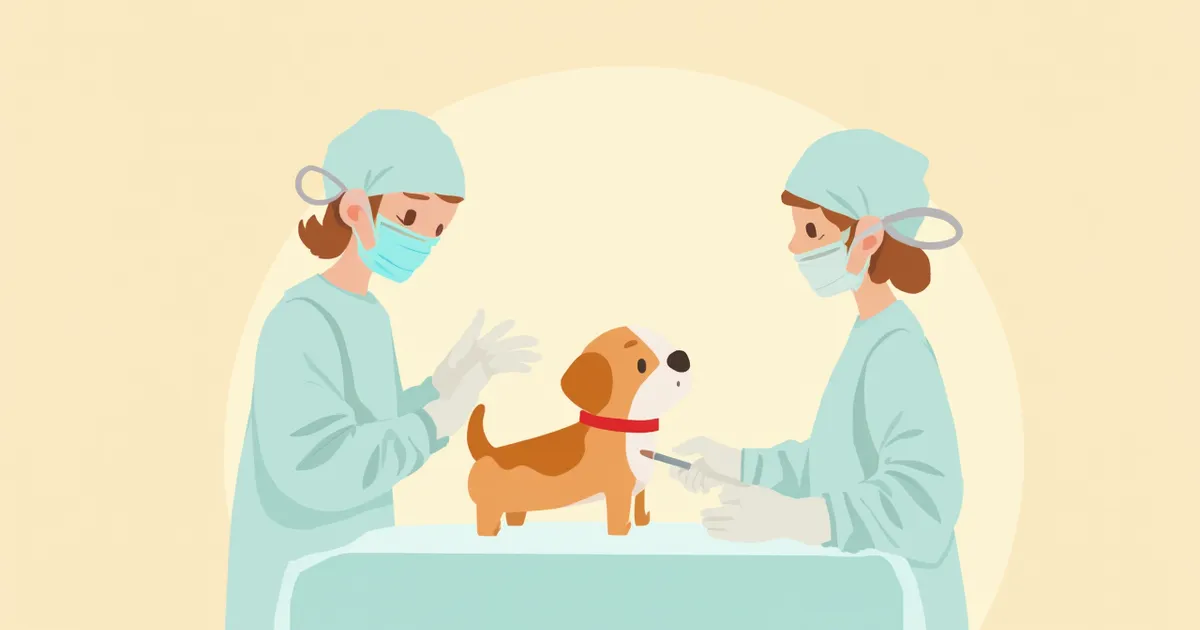
A veterinarian administering a vaccine to an adult dog.
Keeping up with booster vaccinations is essential for preventing disease and maintaining long-term immunity in adult dogs. Since immunity can gradually wane after the initial series of shots, timely boosters are crucial. - Vaccination Schedule: After completing the initial vaccinations, a first booster is typically given around one year of age. Thereafter, core vaccines are generally recommended every three years. These boosters help sustain your dog’s immunity, reducing the risk of exposure to infectious diseases. - Individualized Plans: The vaccination interval may vary depending on your dog’s age, activity level, and living environment. It’s best to consult with your veterinarian to create a personalized schedule. - A Cornerstone of Health Care: Regular vaccinations and health check-ups do more than just prevent illness—they also provide opportunities for early disease detection. Don’t miss these steps; they are the first step toward a healthy life.

When Should Adult Dogs Receive Booster Vaccinations?
For adult dogs, a booster vaccination every three years may be sufficient. Research indicates that immunity can last for an extended period after the initial vaccination series, so it is best to consult with your veterinarian to determine the appropriate booster schedule based on your dog’s individual circumstances. - Vaccination: Annual vaccination is not always mandatory. After the initial booster at around one year of age, it is generally recommended to administer boosters every three years. It is important to consult with your veterinarian to create a schedule that considers individual risk factors. - Individualized Plan: The vaccination interval may vary depending on the dog’s age, activity level, living environment, and health status. Since excessive vaccination can place unnecessary stress on the body, consultation with a veterinarian is essential. - Key to Health Management: Regular health check-ups help in the early detection of diseases. While vaccination is an important part of this process, it does not necessarily need to be performed annually.
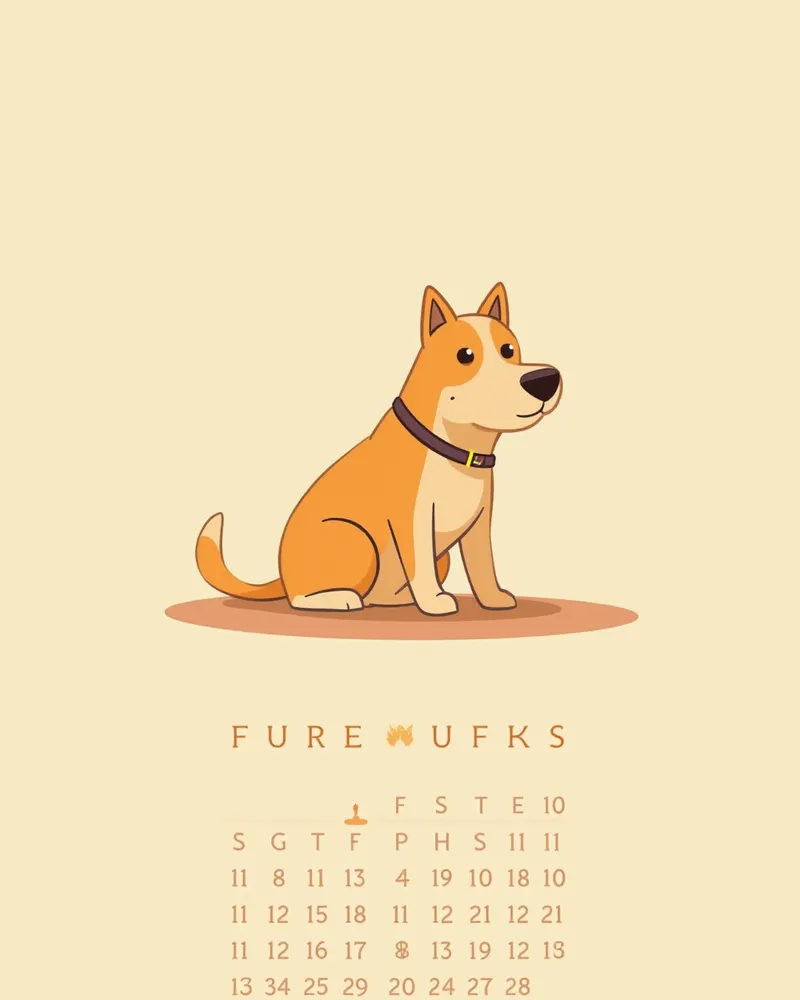
A calendar tracking the vaccination schedule for adult dogs

What Are the Main Components of Adult Dog Booster Vaccinations?

The main vaccines recommended for adult dogs are as follows:
Parvovirus vaccine: This vaccine is essential for preventing intestinal infections. A first booster is typically given about one year after the initial vaccination, followed by boosters every three years.
Distemper vaccine: This vaccine is crucial for preventing this contagious disease. A first booster is usually administered about one year after the initial vaccination, with subsequent boosters recommended every three years.
Adenovirus (CAV-2) vaccine: This vaccine is effective in preventing respiratory diseases. A first booster is generally given about one year after the initial vaccination, followed by boosters every three years.
Bordetella vaccine: This vaccine is recommended to prevent the spread of kennel cough. For dogs that go out frequently, annual vaccination is commonly advised; however, vaccination every six months is not necessary. Consult your veterinarian to determine the appropriate schedule based on your dog’s needs.
While these vaccines play a vital role in protecting your dog’s health and your family’s safety, the vaccination schedule can be adjusted according to individual risk factors.
A wall chart showing the types of vaccines for adult dogs, explained by a veterinarian.

Comparison Table of Adult Dog Booster Vaccination Intervals

ItemVaccination ScheduleAdditional Recommendations
Parvovirus3 yearsBooster about 1 year after initial vaccination, then every 3 years
Distemper (Canine Distemper)3 yearsBooster about 1 year after initial vaccination, then every 3 years
Adenovirus (CAV-2)3 yearsBooster about 1 year after initial vaccination, then every 3 years
Bordetella1 yearOnce a year recommended for dogs that go outdoors frequently; every 6 months is unnecessary

The vaccination schedule may be adjusted by the veterinarian according to individual circumstances. Consider the frequency of outdoor activity, living environment, and health condition.

Precautions for Adverse Reactions After Vaccination

Within three days after vaccination, your pet may experience adverse reactions such as fever, shock, vomiting, diarrhea, or swelling. If you notice any of these symptoms, contact your veterinarian immediately. While most reactions are temporary and resolve within a few days, severe cases may require emergency treatment.

Pre-Vaccination Preparations for Adult Dogs

Before vaccinating your adult dog, please check the following:
Health Status: If your dog shows symptoms such as fever, coughing, or diarrhea, postpone the vaccination and consult your veterinarian.
Parasite Control: If external parasites are present, complete treatment before vaccination.
Vaccination Records: Prepare your dog’s previous vaccination records and provide them to the veterinarian.
Stable Environment: Minimize stress and keep your dog in a quiet environment before vaccination.
These preparations help ensure the vaccination is safe and effective.
An adult dog visiting the clinic to consult with a veterinarian.

Post-Vaccination Care Tips

After vaccination, the following care is necessary:
Provide rest: Reduce activity and allow your pet to rest for one day after vaccination.
Adjust meals: On the day of vaccination, offer a smaller amount of food than usual.
Monitor for abnormal symptoms: Closely observe for fever, shock, vomiting, diarrhea, swelling, or other unusual signs.
Update vaccination records: The veterinarian will document the vaccination, and the owner should also keep a separate record.
This care helps ensure the safety and effectiveness of the vaccination.
A fully grown dog resting after receiving its vaccination.

Reviewed by a veterinarian

Dr. Tony — Punnawat Phongkittirak

Dr. Tony — Punnawat Phongkittirak

Veterinarian

A veterinarian who majored in veterinary medicine at Khon Kaen University, Thailand, and completed the IVSA program at North Carolina State University in the United States. Drawing on clinical experience at animal hospitals, he works in the pet healthcare field and is dedicated to building a digital care environment that connects pet parents with veterinarians.

Frequently Asked Questions

Until what age should adult dogs receive vaccinations?
The claim that adult dogs need annual booster vaccinations for life can be overstated. Many dogs maintain sufficient immunity with boosters every three years after their one-year-old booster, so it's best to consult with your veterinarian to determine a vaccination schedule tailored to your dog's individual risk factors.
What happens if a vaccination is missed?
Missing a vaccination doesn’t necessarily mean your dog’s risk of disease increases. Studies show that many dogs maintain protective immunity for several years, so while you should make up any missed vaccines as soon as possible, annual boosters aren’t always required. Be sure to consult your veterinarian to determine the best schedule for your pet.
Why is the Bordetella vaccine recommended every six months?
It is not a general recommendation to administer the Bordetella vaccine every six months. Even for dogs that go outside frequently, annual vaccination is typically advised. The actual need and vaccination schedule should be determined in consultation with your veterinarian, taking your dog’s living environment into account.
Can I take my pet for a walk after vaccination?
It's a good idea to limit your pet's activity and let them rest for a day after vaccination. Walking is fine, but avoid excessive exercise.
Where should I keep my pet’s vaccination records?
Vaccination records are kept in the health booklet provided by your veterinarian, and pet owners should also maintain their own copies, either digitally or on paper.

Share

Related Guides

References

[1] Hartmann K, Day MJ, Thiry E, et al. (2015). Feline injection-site sarcoma: ABCD guidelines on prevention and management. Journal of Feline Medicine and Surgery, 17(7), 606-613.

[2] Moore GE, Glickman LT, Davis-Wurzler GM. (2014). 2013 Update on current vaccination strategies in puppies and kittens. Veterinary Clinics of North America: Small Animal Practice, 44(2), 235-263.

[3] American Animal Hospital Association (AAHA). (2023). Canine Vaccination Guidelines. AAHA Canine Vaccination Guidelines, 10th Edition.

This information is based on veterinary literature and does not replace diagnosis or treatment. Please consult a veterinarian for specific health concerns.

Metapet Co., Ltd. | CEO: Park Sung-yong | Business Reg. No. 417-88-02562 | Seoul, South Korea | Customer Center

Adult Dog Booster Vaccination Schedule: 5 FAQs | Meongsiljang