Like
Share
멍실장
강아지 베타차단제 심장 증상과 원인, 진단·치료와 관리 포인트 총정리

When Are Beta-Blockers Needed for Dogs? — From Effects to Side Effects and Management

HeartDiseasesMeongsiljang Veterinary Advisory Board

Beta-blockers can cause a decrease in heart function in dogs by suppressing heart rate. Early recognition and proper management are essential.

What Is Beta-Blocker Toxicity in Dogs?

A puppy taking heart medication
Beta-blocker toxicity in dogs occurs when beta-blockers, which are medications that lower heart rate, act too strongly and impair heart function. Beta-blockers are typically used to treat hypertrophic cardiomyopathy, rapid arrhythmias, systemic hypertension, and glaucoma in cats. However, because they have a narrow safety margin, side effects can occur if the dose is too high or if the animal is particularly sensitive. When the heart cannot pump blood effectively, it can lead to fatigue and difficulty breathing. Dogs with pre-existing heart conditions may be especially sensitive to these medications. A veterinarian should prescribe the correct dosage based on the dog’s weight and overall health, and any unusual symptoms after starting the medication should prompt an immediate visit to the clinic. - Beta-blockers: Medications that block catecholamines (sympathetic nerve stimulants) at beta receptors, reducing heart rate and cardiac contractility. Excessive use can cause bradycardia and decreased heart function. - Decreased heart function: A condition in which the heart fails to pump enough blood, leading to insufficient oxygen delivery throughout the body.

What Are the Main Causes of Beta-Blocker Toxicity in Dogs?
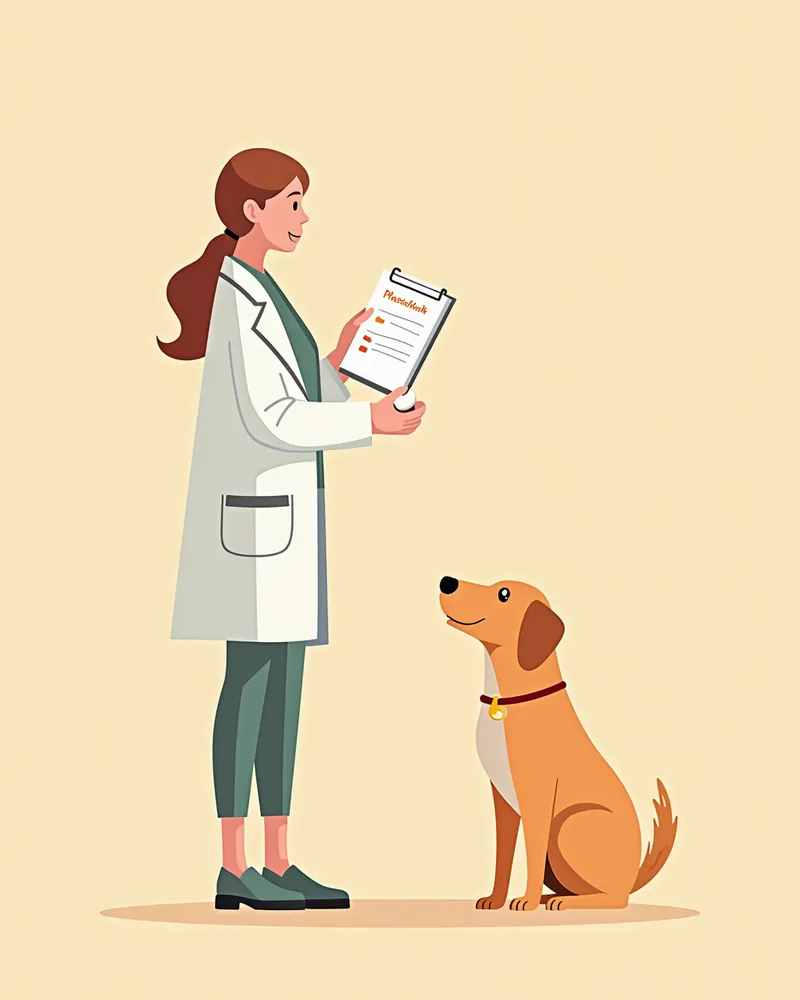
The main causes of beta-blocker-related cardiac issues in dogs are medication overdose or errors in dosing intervals. Although prescribed by a veterinarian, the effects can become intensified if the owner administers the medication too frequently or if there are interactions with other drugs. Dogs with underlying heart conditions are more sensitive to these medications. Senior dogs and those with low body weight are at higher risk for side effects. Additionally, dogs with slower drug metabolism may retain the medication in their system longer, leading to adverse reactions. - Medication Overdose: This occurs when the prescribed dose is exceeded or the dosing interval is shortened, resulting in excessively high drug concentrations. - Drug Interactions: Taking other medications alongside beta-blockers can enhance their effects.
A veterinarian prescribing beta-blockers

What Are the Main Symptoms of Beta-Blocker Toxicity in Dogs?

The primary symptom of beta-blocker toxicity in dogs is a dangerously slow heart rate. This condition can manifest as shock, lethargy, weakness, fainting, or difficulty breathing. Symptoms often worsen after exercise. A sign that owners frequently overlook is when the dog remains inactive and sits in the same spot all day. This occurs because the heart is unable to pump blood effectively. - Decreased heart rate: The heart beats too slowly, impairing proper blood circulation. - Fainting or shock: Acute symptoms caused by insufficient oxygen reaching the brain. - Difficulty breathing after exercise: Reduced blood flow to the lungs leads to shortness of breath.
A puppy that has collapsed due to a slowed heart rate

Symptoms Requiring Immediate Veterinary Care

If your dog suddenly collapses, breathes rapidly, or develops a bluish tint to its mouth, seek veterinary care immediately, as these are signs of severely compromised heart function. With immediate-release beta-blockers, symptoms such as bradycardia, hypotension, and respiratory distress can appear within 2 to 8 hours of exposure; if you notice any of these signs after administering the medication, treat it as an emergency and seek urgent veterinary intervention right away.

How Is Beta-Blocker Toxicity in Dogs Diagnosed?
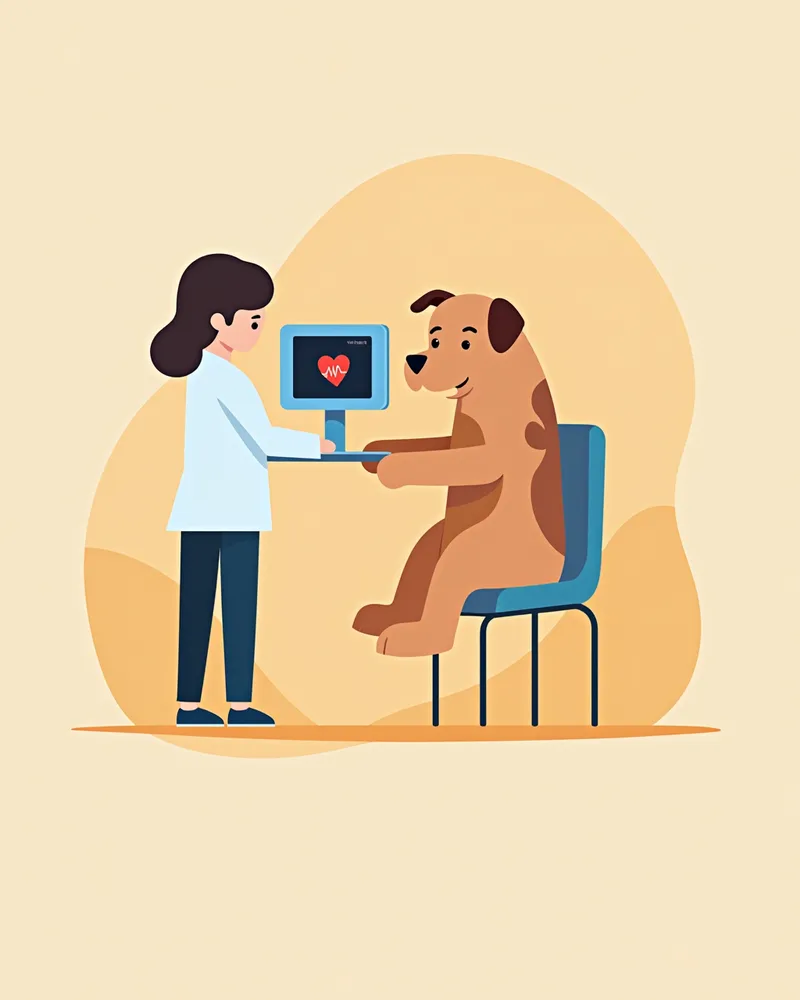
Beta-blockers for dogs are diagnosed using an electrocardiogram (ECG) and an echocardiogram. The ECG checks the rhythm and rate of the heartbeat, while the echocardiogram evaluates the contractility and structure of the heart muscle. The veterinarian carefully reviews the medication history and also checks liver function and electrolyte levels through blood tests. Multiple tests are conducted in parallel for an accurate diagnosis. - Electrocardiogram (ECG): A test that measures the rhythm and rate of the heartbeat in real time. - Echocardiogram: A high-resolution imaging test that non-invasively evaluates the structure and function of the heart. - Blood Test: Helps confirm the status of drug metabolism and any electrolyte imbalances.
A puppy undergoing an echocardiogram (heart ultrasound) examination

How Is Beta-Blocker Toxicity in Dogs Treated?
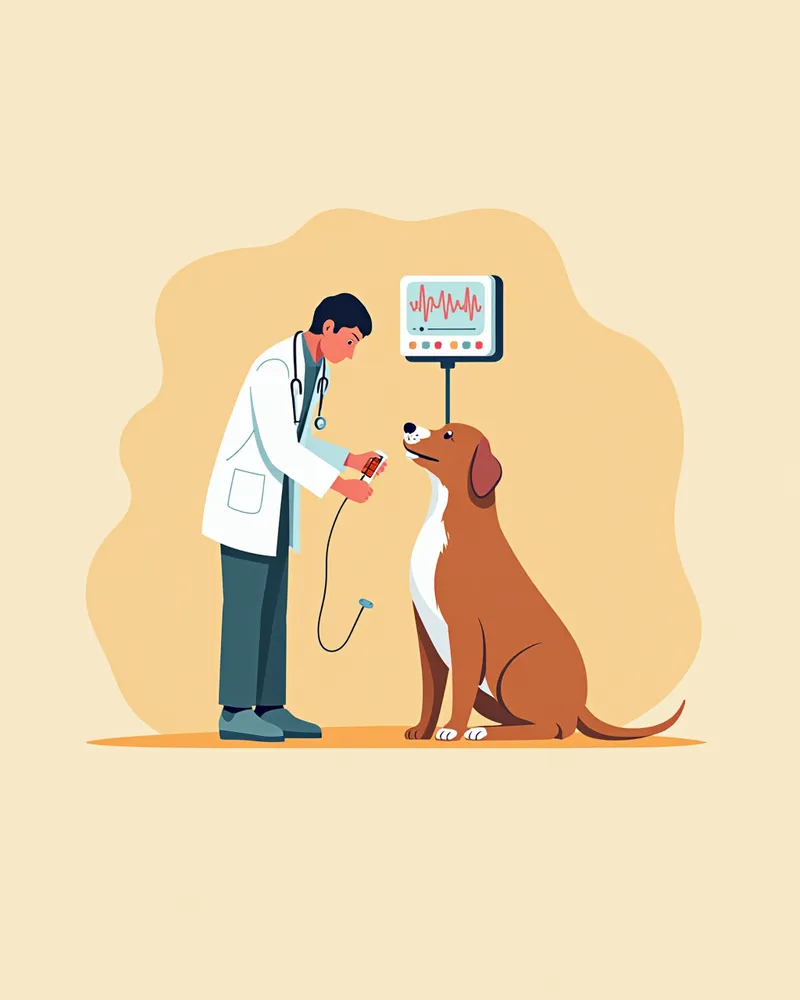
Treatment for beta-blocker toxicity in dogs begins with stopping drug exposure and preventing further absorption. Since there is no specific antidote, management centers on supportive care for bradycardia and hypotension. Veterinarians administer intravenous fluids to support blood pressure and use atropine for bradycardia, while also employing glucagon, calcium, high-dose insulin and glucose therapy, and catecholamines as needed. Continuous monitoring of the electrocardiogram and blood pressure is essential throughout treatment. Once the dog’s condition stabilizes, a return to normal daily activities can be undertaken under veterinary guidance. - Stopping drug exposure and blocking absorption: This process prevents further drug intake to reduce the progression of adverse effects. - Supportive care for bradycardia and hypotension: Treatment involves supporting heart rate and blood pressure using intravenous fluids, atropine, glucagon, and other agents. - Regular monitoring: It is crucial to continuously assess cardiac status through electrocardiograms and blood pressure checks during treatment.
A veterinarian administering medication to a puppy

Home Care Points for Dogs on Beta-Blockers

Home care for dogs on beta-blockers centers on consistent monitoring and environmental management. Check your dog’s heart rate once or twice daily and keep a log of any symptom changes. Maintain moderate exercise levels and avoid excessive stress. Provide a balanced diet and ensure adequate hydration. Never adjust the timing or dosage of medication without consulting your veterinarian, as proper home care significantly impacts treatment success. - Heart Rate Monitoring: Check the heart rate every morning and evening. - Environmental Stability: Allow your dog to rest in a quiet, comfortable space. - Medication Adherence: Strictly follow the prescribed schedule and dosage.
A puppy having its heartbeat checked.

Breed-Specific Precautions and Prevention of Recurrence

Beta-blockers have a narrow safety margin, so extra caution is needed when using them in dogs with existing heart disease or reduced systolic function. In particular, it is recommended to avoid drugs like atenolol in dogs with impaired systolic function. If symptoms reappear after starting medication, consult your veterinarian immediately. Recurrence can be managed through regular cardiac examinations and dose adjustments. Consistent monitoring by the pet owner is the most important preventive measure.

Reviewed by a veterinarian

Dr. Tony — Punnawat Phongkittirak

Dr. Tony — Punnawat Phongkittirak

Veterinarian

A veterinarian who majored in veterinary medicine at Khon Kaen University, Thailand, and completed the IVSA program at North Carolina State University in the United States. Drawing on clinical experience at animal hospitals, he works in the pet healthcare field and is dedicated to building a digital care environment that connects pet parents with veterinarians.

Frequently Asked Questions

What should I do if my pet’s heart rate slows down after administering a beta-blocker?
Contact your veterinarian immediately to adjust the medication dosage. Never attempt to adjust it on your own.
Why are beta-blockers bad for the heart?
This medication can suppress heart rate, so using too much may impair the heart’s normal function.
Will the symptoms go away if I stop the medication?
In most cases, symptoms improve after stopping the medication. However, adjustments should be made gradually under the guidance of a veterinarian.
My dog hates taking medicine. What should I do?
You can mix the medication into your pet’s food or hide the capsule inside a small treat. Ask your veterinarian for guidance on the best approach.
Are beta-blockers always harmful to the heart?
With proper dosing and monitoring, it can be used safely. Side effects are rare, but caution is still advised.

Stage-by-Stage Comparison of Symptoms of Beta-Blocker Toxicity

ItemMildModerateSevere
Heart RateNormal or mild bradycardiaBradycardia (slowed heartbeat)Severe bradycardia
Activity LevelAble to perform daily activitiesFatigue after exercise, exercise intoleranceCollapse, unable to move
ConsciousnessNormalDrowsy, lethargicFainting, reduced consciousness/coma
Respiratory StatusNormalShortness of breath on exertionRespiratory distress with hypotension

The more severe the symptoms, the more immediate the need for veterinary consultation.

Share

Related Guides
References

[1] Adin D, DeFrancesco TC, Keene B et al. Echocardiographic phenotype of canine dilated cardiomyopathy differs based on diet type. J Vet Cardiol, 2019, 21:1–9.

[2] Hoffmann RP, Grupp G. The effects of sotalol and propranolol on contractile force and atrioventricular conduction time of the dog heart in situ. Dis Chest, 1969, 55:229.

[3] Clinical Medicine of the Dog and Cat, 4th Ed. Blackwell Publishing, 2020. Chapter 8: Cardiac Arrhythmias and Conduction Disorders.

This information is based on veterinary literature and does not replace diagnosis or treatment. Please consult a veterinarian for specific health concerns.

Metapet Co., Ltd. | CEO: Park Sung-yong | Business Reg. No. 417-88-02562 | Seoul, South Korea | Customer Center

When Do Dogs Need Beta-Blockers? Effects to Side Effects | Meongsiljang