
Glomerulonephritis (a cause of proteinuria)
Glomerulonephritis is a condition in which inflammation of the kidney’s filtering units causes protein to leak into the urine. The key signs are proteinuria, swelling, and high blood pressure. Early detection and ongoing management are essential to slow the progression to kidney failure.
What is glomerulonephritis? A kidney disease causing proteinuria
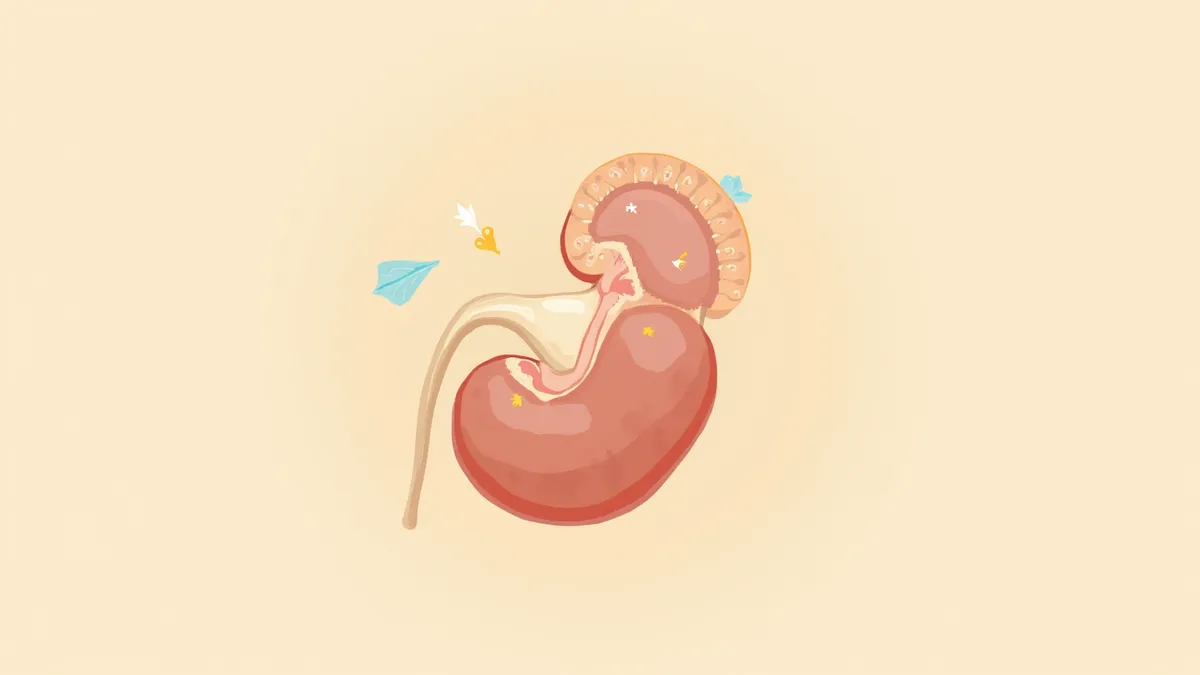
Why does it occur? Main causes and pathogenesis
Key symptom checklist — Don’t miss these signs
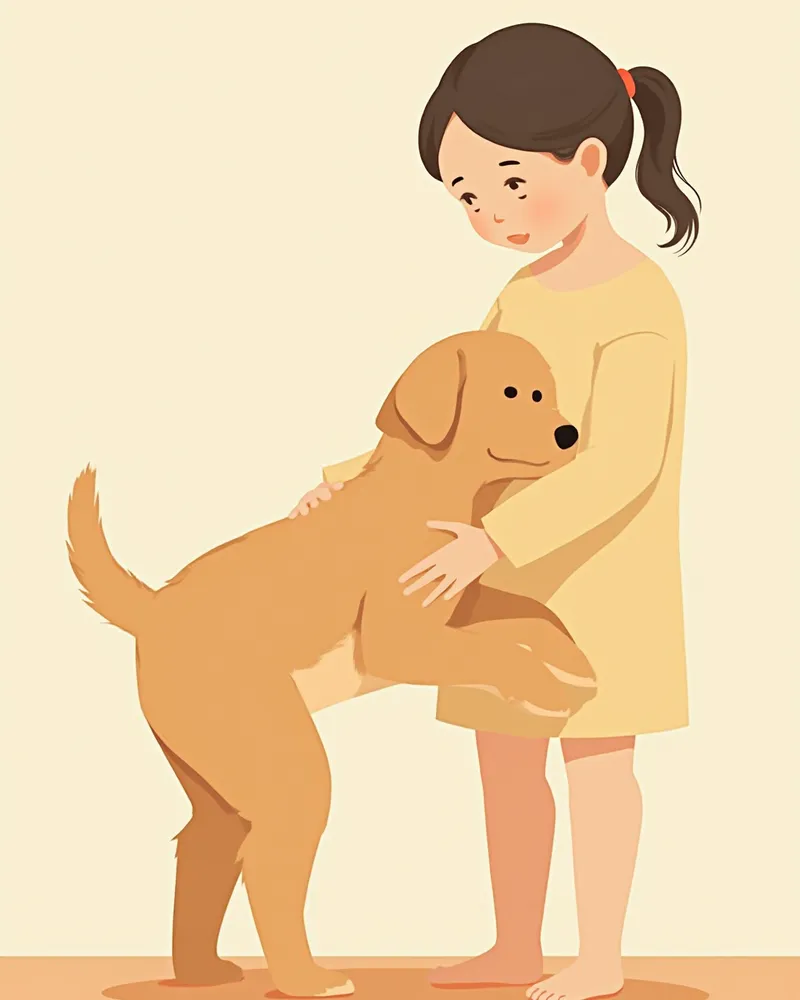
Emergency signs requiring immediate veterinary care
If you notice any of the following symptoms, it indicates that glomerulonephritis has acutely worsened or complications have begun. Emergency veterinary care is required within 24 hours. - Labored breathing and frequent coughing (suspected pulmonary edema) - Sudden blindness or unequal pupils (hypertensive retinal detachment) - Blood in the urine or a sudden decrease in urine output - Vomiting and complete loss of appetite lasting more than 24 hours - One leg suddenly becoming cold and showing signs of paralysis (thromboembolism)
How is it diagnosed?
Stages based on urine protein-to-creatinine ratio (UPC)
| Item | Normal | Borderline | Overt Proteinuria |
|---|---|---|---|
| Dog UPC | < 0.2 | 0.2 – 0.5 | > 0.5 |
| Cat UPC | < 0.2 | 0.2 – 0.4 | > 0.4 |
| Recommended Action | Regular check-ups | Recheck within 2–4 weeks | Immediate detailed examination |
Based on IRIS (International Renal Interest Society) guidelines
How is treatment managed?

Essential home care points
Breed-specific precautions and tips to prevent recurrence
Certain breeds are genetically predisposed to a higher risk of glomerular disease, making earlier screening essential. · Samoyeds, Dobermans, and Bull Terriers: Reported family history of hereditary glomerular disease (hereditary nephropathy) · Soft Coated Wheaten Terriers: Increased risk of concurrent protein-losing nephropathy and enteropathy · Abyssinians and certain other cat breeds: Predisposition to renal amyloidosis (confirmed via positive Congo red staining) · Annual urine and blood pressure testing is recommended for pets aged 7–8 years and older, who fall into the high-risk age group. · Never discontinue treatment without consulting your veterinarian.
Reviewed by a veterinarian

Dr. Tony — Punnawat Phongkittirak
VeterinarianA veterinarian who majored in veterinary medicine at Khon Kaen University, Thailand, and completed the IVSA program at North Carolina State University in the United States. Drawing on clinical experience at animal hospitals, he works in the pet healthcare field and is dedicated to building a digital care environment that connects pet parents with veterinarians.
Reviewed 2026-04-29
Frequently asked questions
Is glomerulonephritis curable?
Does foamy urine always mean glomerulonephritis?
Is it really necessary to feed a kidney prescription diet?
Can supplements or omega-3s help?
My pet shows no symptoms, but a recent check-up revealed protein in the urine. Does this require immediate treatment?
Share
Related Guides
Top 5 Prescription Diets for Cats with Chronic Kidney Disease — Stage-Specific Protein Adjustment
7 Emergency Signs and Causes of Acute Kidney Failure in Dogs You Must Not Miss
Top Recommended Prescription Renal Diets for Cats and Key Selection Criteria
My Puppy Has a Fever and Back Pain — From Pyelonephritis Symptoms to Treatment
Sudden Urine and Appetite Changes in Your Dog — Causes of Acute Kidney Injury and When to Seek Emergency Care
Complete Guide to Feline Renal Ultrasound — From Timing to Result Interpretation
When to Use Feline Kidney Supplements — Omega-3 Effects and Feeding Tips
If Your Cat’s Kidneys Are Silently Hardening — Mechanisms of Renal Fibrosis Progression and Management Points
If Your Cat Has Kidney Cysts — Progression and Management Points
Feline CKD IRIS Staging — Stage-by-Stage Management from Stage 1 to Stage 4
References
[1] Ettinger SJ, Feldman EC, Cote E. Textbook of Veterinary Internal Medicine, 8th Edition. Elsevier, 2017 — Glomerular Disease Chapter
[2] Nelson RW, Couto CG. Small Animal Internal Medicine, 6th Edition. Elsevier, 2019 — Glomerulonephritis and Proteinuria
[3] IRIS (International Renal Interest Society) Consensus Guidelines on Glomerular Disease, 2013