

If Your Dog Keeps Scratching and Smells Bad — Causes and Treatment Timing for Malassezia Dermatitis
Malassezia dermatitis is a condition in which the yeast that naturally lives on a dog’s skin overgrows, causing itching, a foul odor, and changes in skin color. To prevent recurrence, antifungal treatment must be combined with addressing underlying causes such as allergies or endocrine disorders.
What Is Malassezia Dermatitis in Dogs?
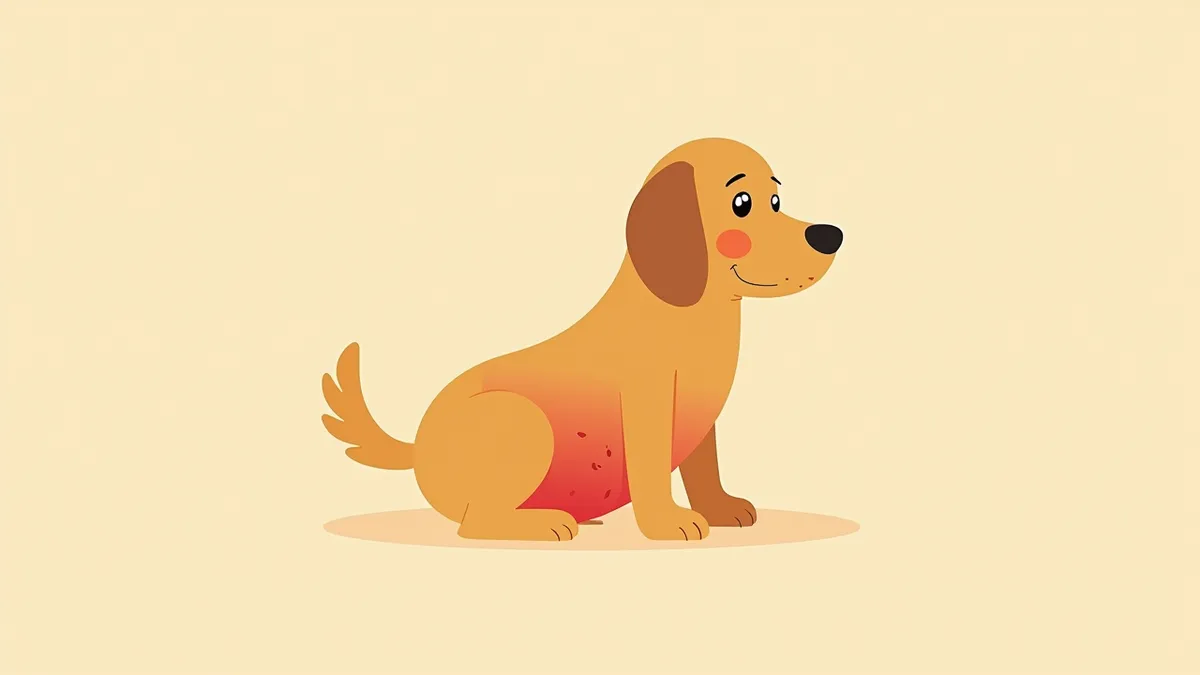
Why Does Malassezia Yeast Overgrow?
Suspect Malassezia Dermatitis If You See These Symptoms

Seek Immediate Veterinary Care for These Symptoms
Seek immediate veterinary care if your pet’s skin becomes suddenly red or swollen all over, if scratching has caused bleeding wounds, if they refuse to eat or appear lethargic for more than 24 hours, or if skin lesions spread rapidly over a short period. These situations can lead to secondary bacterial infections.
How Is It Diagnosed at the Veterinary Clinic?
How Is Treatment Carried Out?

Home Care Points You Can Do

These Breeds Require Special Attention
Basset Hounds, Cocker Spaniels, West Highland White Terriers, Shih Tzus, and Bulldogs are reported in veterinary dermatology textbooks as breeds prone to Malassezia dermatitis and atopic dermatitis. In particular, even healthy Basset Hounds tend to have higher baseline levels of Malassezia on their skin and mucous membranes. Breeds with deep facial folds, such as Pugs, require special attention, as yeast can easily proliferate in intertriginous areas like the inside of skin folds. If you own one of these breeds, it is advisable to regularly check your pet’s skin and ears even in the absence of symptoms, and to establish a routine of antifungal care (such as medicated baths and cleansing) as directed by your veterinarian.
Reviewed by a veterinarian

Dr. Tony — Punnawat Phongkittirak
VeterinarianA veterinarian who majored in veterinary medicine at Khon Kaen University, Thailand, and completed the IVSA program at North Carolina State University in the United States. Drawing on clinical experience at animal hospitals, he works in the pet healthcare field and is dedicated to building a digital care environment that connects pet parents with veterinarians.
Reviewed 2026-06-01
Frequently Asked Questions
Can Malassezia dermatitis be transmitted to humans?
What causes the condition to recur after treatment?
How often should I use antifungal shampoo?
Can Malassezia also occur in the ears?
Can Malassezia dermatitis be completely cured?
Share
Related Guides

Top 5 Medicated Dog Shampoos — For Pyoderma and Bacterial Infections

Veterinarian-Recommended Top 5 Medicated Shampoos for Canine Yeast Dermatitis — Relieves Itching and Greasiness

Top 5 Medicated Cat Shampoos Recommended by Veterinarians — Fungal Dermatitis and Fungal Care

ACE Inhibitors and ARBs for Dog Kidney Protection — Effects, Side Effects, and When to Use Them

Feline Renal Prescription Diets: Complete Guide to Selection Criteria, Ingredients, and Feeding Points

If Your Cat’s Kidneys Keep Worsening — Causes of Amyloidosis and When to Visit the Vet
If Your Cat’s Kidney Failure Has Progressed — Timing for Starting Peritoneal Dialysis and Management Points

If Your Cat Has Proteinuria — Causes of Glomerulonephritis and Timing of Treatment

If Your Cat’s CKD Has Progressed — Key Palliative Care and Management to Preserve Quality of Life
Cat ACE Inhibitors and ARBs: Kidney Protection Effects and Timing for Initiation – A Complete Guide
References
[1] BSAVA Manual of Canine and Feline Dermatology, 4th Ed. British Small Animal Veterinary Association, 2019. Chapter: Malassezia dermatitis.
[2] Cafarchia C, Gasser HB, Latrofa MS et al. Genetic variants of Malassezia pachydermatis from canine skin: body distribution and phospholipase activity. FEMS Yeast Research 8, 451–459, 2008.
[3] Cavana P, Peano A, Petit JY et al. A pilot study of the efficacy of wipes containing chlorhexidine 0.3%, climbazole 0.5% and Tris-EDTA to reduce Malassezia pachydermatis populations on canine skin. Veterinary Dermatology 26, 276–283, 2015.
[4] Kano FR, Aramaki C, Murayama WN et al. High multi-azole-resistant Malassezia pachydermatis clinical isolates from canine Malassezia dermatitis. Medical Mycology 58, 191–200, 2019.
[5] Nuttall T, Harvey RG, McKeever PJ. A Colour Handbook of Skin Diseases of the Dog and Cat, 2nd Ed. CRC Press, 2009.