Like
Share
멍실장
강아지 곰팡이성피부병 증상과 원인, 진단·치료와 관리 포인트 총정리

If Your Dog Keeps Scratching and Losing Hair — Symptoms and Treatment of Fungal Skin Infections

Skin & CoatDiseasesMeongsiljang Veterinary Advisory Board

Canine fungal skin infections are conditions caused by fungal pathogens such as ringworm and Malassezia infecting the skin. We’ve compiled a comprehensive guide covering everything from symptoms like circular hair loss, odor, and itching to diagnosis, treatment, and prevention of recurrence.

What Are Canine Fungal Skin Infections?
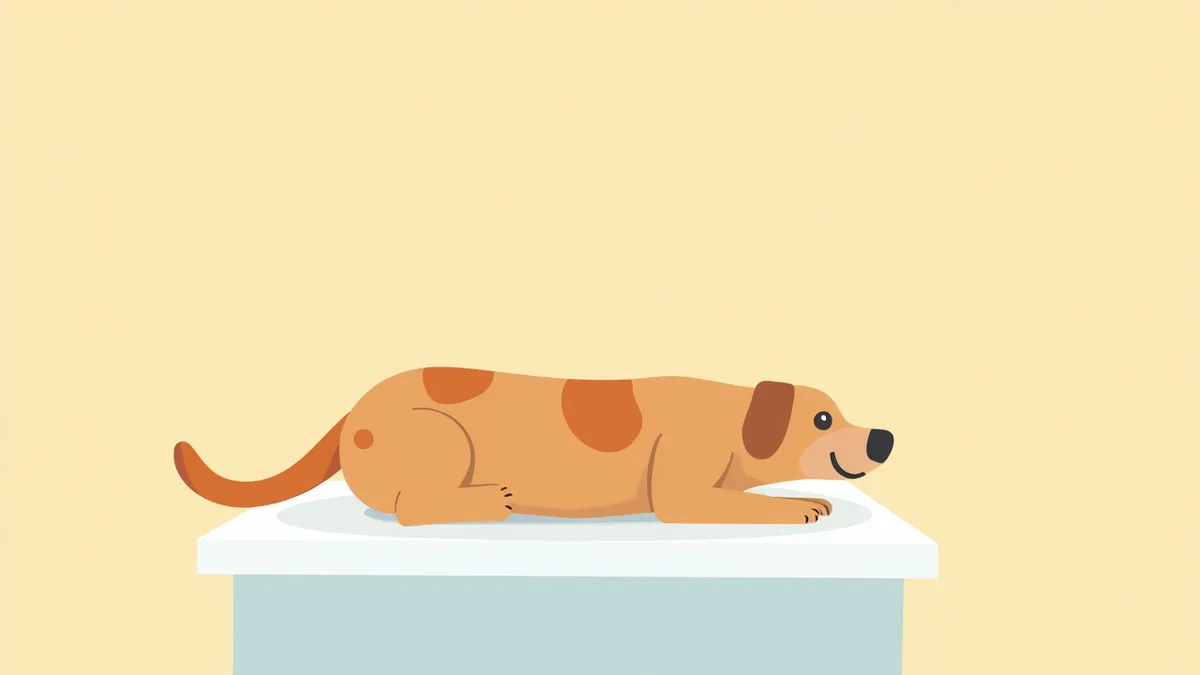
Canine fungal skin disease — Dog skin with circular hair loss patches
Canine fungal skin infections are skin conditions caused by fungi such as dermatophytes (ringworm) and Malassezia, which invade the skin, hair, and nails, leading to inflammation and hair loss. The most important thing to know is that this condition is a zoonotic disease, meaning it can be transmitted to humans. If your dog develops circular patches of hair loss, dandruff, or an unusual odor, you should visit a veterinary clinic promptly. The longer treatment is delayed, the more extensive the infection becomes, and the longer it takes to fully recover.

Causes — Ringworm vs. Malassezia

There are two main causes of fungal skin disease in dogs.
Dermatophytosis (ringworm): Fungi such as Microsporum and Trichophyton invade the hair follicles and the stratum corneum. It spreads through contact with infected animals or contaminated soil, brushes, or bedding, and occurs more frequently in puppies with low immunity.
Malassezia: This yeast, which normally resides on the skin, overgrows when the skin barrier is compromised, leading to disease. It tends to develop in moist, folded areas such as the ears, armpits, and between the toes.

Key Symptoms Checklist

If you notice any of the following symptoms, fungal infection should be considered.
Circular hair loss patches: Coin-sized, round areas of hair loss with relatively well-defined borders (a characteristic of ringworm)
Dandruff and scaling: Increased grayish dandruff and a roughened skin surface
Itching: Frequent repetitive scratching or licking of the skin
Musty odor: A distinctive fermented or yeasty smell, particularly in Malassezia infections
Skin discoloration and lichenification: Darkening and thickening of the skin due to repeated irritation
Nail deformities: In severe cases, nails may become brittle, crumble, or change color
Dog ringworm — skin lesions with circular hair loss and scaling

See a Vet Immediately If This Is the Case

If your dog has three or more bald patches, or if the hair loss is spreading rapidly, if the skin is severely inflamed or oozing, if other family members have developed similar skin lesions (which may suggest a zoonotic infection), or if your dog is taking immunosuppressive medication (which increases the risk of rapid spread), we recommend visiting the clinic on the same day if any of these apply.

Diagnosis — How Is It Confirmed at the Clinic?
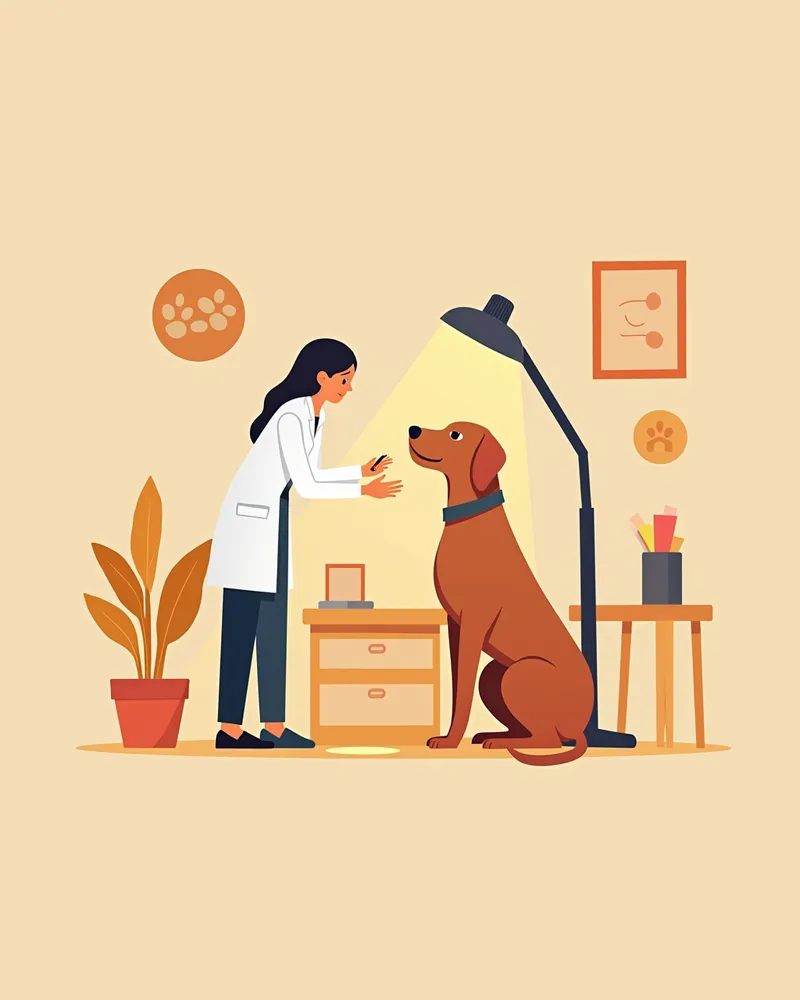
Wood’s Lamp Examination: Shining a UV lamp on the skin can reveal an apple-green fluorescence in certain ringworm species. This is relatively common with Microsporum canis infections, but not all species fluoresce. It’s a quick and easy screening tool, so it’s often used first, but a negative result doesn’t completely rule out a fungal infection.
Microscopic Examination: Hairs showing fluorescence, as well as broken hairs and scales from around the lesion, are collected to directly observe fungal hyphae and spores. While relatively fast, this method requires skill, and a negative result still doesn’t fully exclude infection.
Fungal Culture: This is the most accurate method for confirming a diagnosis when Wood’s lamp and microscopic exams are negative. Results typically take 1–3 weeks, but it precisely identifies the specific fungal species, helping guide subsequent treatment.
A veterinarian examining a dog's skin for fungal infection using a Wood's lamp

Treatment — A Step-by-Step Guide

Treatment depends on the extent of the infection and the specific causative organism. Topical therapy (external medications): Antifungal creams or sprays are applied directly to the affected area. This approach is effective in early stages or when the infection is localized. Antifungal shampoo baths: The entire body is washed with shampoos containing chlorhexidine or ketoconazole. This should be done at least twice a week, allowing the lather to remain on the skin for at least 10 minutes before rinsing. Oral antifungals: For widespread or deep infections, veterinarians prescribe oral medication. Treatment typically lasts 6 to 12 weeks. Even if symptoms appear to resolve, stopping the medication prematurely significantly increases the risk of recurrence.
A dog being bathed with an antifungal shampoo.

Home Care and Management Tips

Isolation: Minimize contact with other pets, especially children and the elderly, during treatment.
Environmental Disinfection: Fungi can linger on carpets, bedding, and toys, leading to reinfection. Vacuum thoroughly, then disinfect with an antifungal spray. Wash items at temperatures above 60°C.
Grooming: Keep the fur around infected areas trimmed short to improve medication absorption and reduce environmental contamination.
Hand Washing: Wash your hands with soap for at least 30 seconds after handling your dog. If you develop circular rashes on your skin, consult a dermatologist immediately.

Breed-Specific Precautions and Prevention of Recurrence

Breeds with abundant skin folds, such as Bulldogs, Pugs, and Shar-Peis, are prone to frequent Malassezia overgrowth in the creases. It is important to clean and keep these folds dry one to two times per week. In small, long-haired breeds like Yorkshire Terriers and Maltese, ringworm lesions can easily be hidden by the coat, so you should carefully examine the skin during baths. Even after a full recovery, the condition can recur if the immune system weakens. A balanced diet and stress management are key to preventing relapse.

Reviewed by a veterinarian

Dr. Tony — Punnawat Phongkittirak

Dr. Tony — Punnawat Phongkittirak

Veterinarian

A veterinarian who majored in veterinary medicine at Khon Kaen University, Thailand, and completed the IVSA program at North Carolina State University in the United States. Drawing on clinical experience at animal hospitals, he works in the pet healthcare field and is dedicated to building a digital care environment that connects pet parents with veterinarians.

Frequently Asked Questions

Can ringworm in dogs be transmitted to humans?
Yes, it can be transmitted. Ringworm (dermatophytosis) is a zoonotic disease. After handling an infected dog, wash your hands thoroughly, and it’s safest to limit contact for young children and elderly individuals with weakened immune systems. If you develop a circular rash on your skin, see a dermatologist right away.
Can I apply an antifungal cream meant for humans?
While human antifungal creams can be used temporarily, using them alone without a veterinarian’s diagnosis often leads to incomplete treatment or recurrence. It’s essential to have your pet properly diagnosed at a veterinary clinic and follow the prescribed treatment plan.
How long does treatment take?
The treatment duration for ringworm varies depending on the extent of the infection and the specific fungal species, but it typically takes 6 to 12 weeks on average. To prevent recurrence, continue treatment until a fungal culture test returns negative, even if symptoms appear to have resolved.
How can you tell the difference between Malassezia dermatitis and ringworm?
Ringworm is characterized by circular patches of hair loss and scaling, while Malassezia tends to concentrate in specific areas such as the ears, between the toes, and the armpits, causing greasy, odorous skin. Accurate differentiation requires microscopic examination or fungal culture testing.
Can fungal skin infections be prevented?
While complete prevention is difficult, you can reduce the risk. Thoroughly drying your pet after baths, regularly caring for moist areas like the ears, skin folds, and between the toes, maintaining a balanced diet to support immunity, and checking the skin after contact with other animals are all helpful practices.

Share

Related Guides

References

[1] Morris DO, Loeffler A. Dermatophytosis and Surface/Superficial/Deep Pyoderma. In: Harvey A, McKeever P (eds), BSAVA Manual of Canine and Feline Dermatology, 4th Ed. British Small Animal Veterinary Association, 2020.

[2] Moriello KA, Coyner K, Paterson S, Mignon B. Diagnosis and treatment of dermatophytosis in dogs and cats: Clinical Consensus Guidelines of the World Association for Veterinary Dermatology. Veterinary Dermatology. 2017;28(3):266-e68.

[3] Nuttall T, Harvey RG, McKeever PJ. A Colour Handbook of Skin Diseases of the Dog and Cat, 2nd Ed. Manson Publishing, 2009.

This information is based on veterinary literature and does not replace diagnosis or treatment. Please consult a veterinarian for specific health concerns.

Metapet Co., Ltd. | CEO: Park Sung-yong | Business Reg. No. 417-88-02562 | Seoul, South Korea | Customer Center

Dog Fungal Skin Infections: Symptoms & Treatment Guide | Meongsiljang