Like
Share
멍실장
수컷 고양이 요도 폐쇄 — 24시간 이내 응급 신호와 치료

If Your Male Cat Can’t Urinate — Urethral Obstruction Emergency Signs and the Golden Window

UrinaryDiseasesMeongsiljang Veterinary Advisory Board

Urethral obstruction in male cats is a life-threatening urinary emergency that can be fatal within 24 hours. This guide walks you through the signs of urinary retention, catheterization procedures, and perineal urethrostomy, step by step.

What Is Urethral Obstruction in Male Cats?

A male cat is in the litter box, assuming the posture to urinate, but is unable to pass urine.
Urethral obstruction in male cats is a urological emergency in which the urethra becomes blocked by stones, urethral plugs (clumps of urinary sediment), or inflammation, preventing any urine from passing. It is also the most common cause of acute kidney injury in cats. The longer the blockage persists, the faster kidney damage progresses; blood potassium levels can spike dangerously, leading to arrhythmias, circulatory collapse, and potentially fatal cardiac arrest. This is a life-threatening condition that demands immediate attention. If your cat is frequently visiting the litter box but producing no urine, do not wait—seek emergency veterinary care immediately at a 24-hour clinic.

Why Is It More Common in Male Cats?

Male cats are much more prone to urinary blockages because their urethra is longer and narrows at the end. According to veterinary internal medicine textbooks, urethral obstruction has been reported in 15–58% of male cats with lower urinary tract disease. Blockages most commonly occur in the distal third of the urethra, near the tip of the penis. There are three main causes: uroliths (struvite or calcium oxalate), urethral plugs (aggregates of urinary sediment, cells, and mucus), and idiopathic cystitis, where a specific cause cannot be identified.

24-Hour Emergency Sign Checklist

If you notice any of the following signs, the condition can worsen within hours. Keep this list handy and check your pet immediately. - Repeated straining to urinate: Your pet goes to the litter box or bathroom every 5 minutes, but only passes a single drop or nothing at all. - Blood in the urine: You see pink or red-tinged urine staining or dripping. - Abdominal pain: Your pet cries out or tries to bite when you touch their belly. - Lethargy and vomiting: If the blockage persists, toxins build up in the blood, leading to vomiting and extreme weakness. - Hypothermia and bradycardia: If your pet feels colder than usual and has a slow heart rate, it is a sign that they have already entered shock.
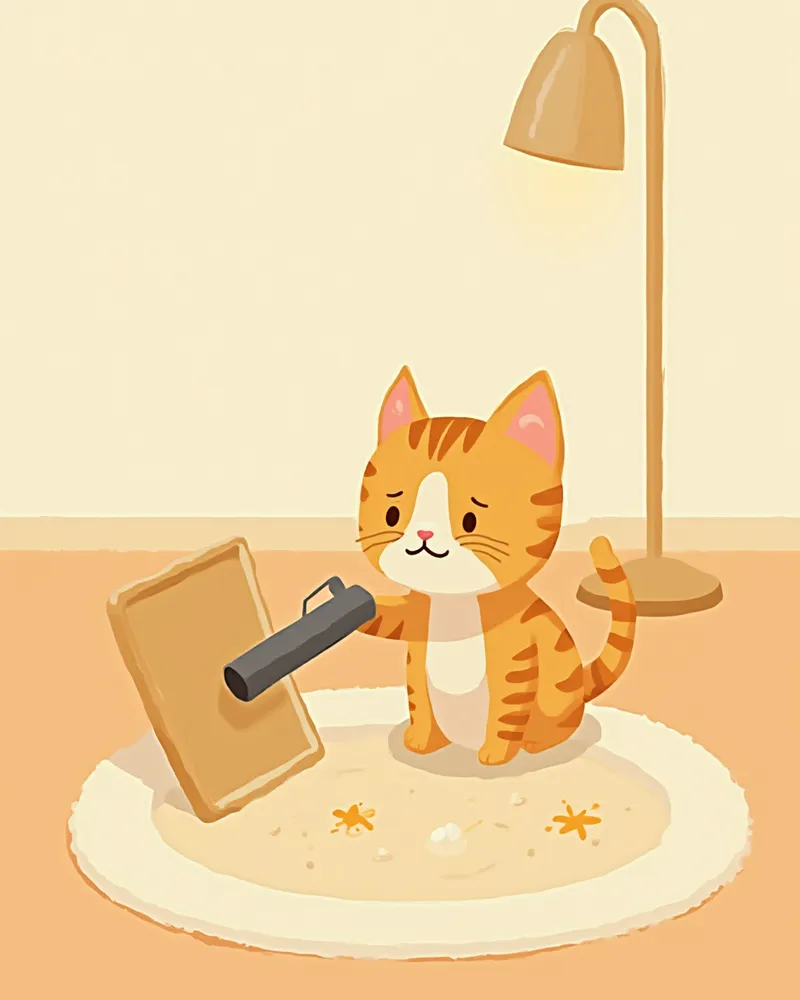
A pet owner uses a flashlight to check the color and clumping of the cat litter in the litter box.

🚨 Criteria for Immediate Emergency Hospital Visit

If any of the following signs are present, head to a 24-hour emergency animal hospital immediately, even at night. The longer the urinary blockage persists, the higher the risk of kidney damage and hyperkalemia, which can lead to arrhythmias, circulatory collapse, and sudden cardiac arrest. • Repeated attempts to urinate with no urine output at all • Vomiting accompanied by extreme lethargy or inability to stand • Pale or purple-tinged gums and tongue • A distended, firm lower abdomen that is painful to the touch

How Is the Diagnosis Performed?

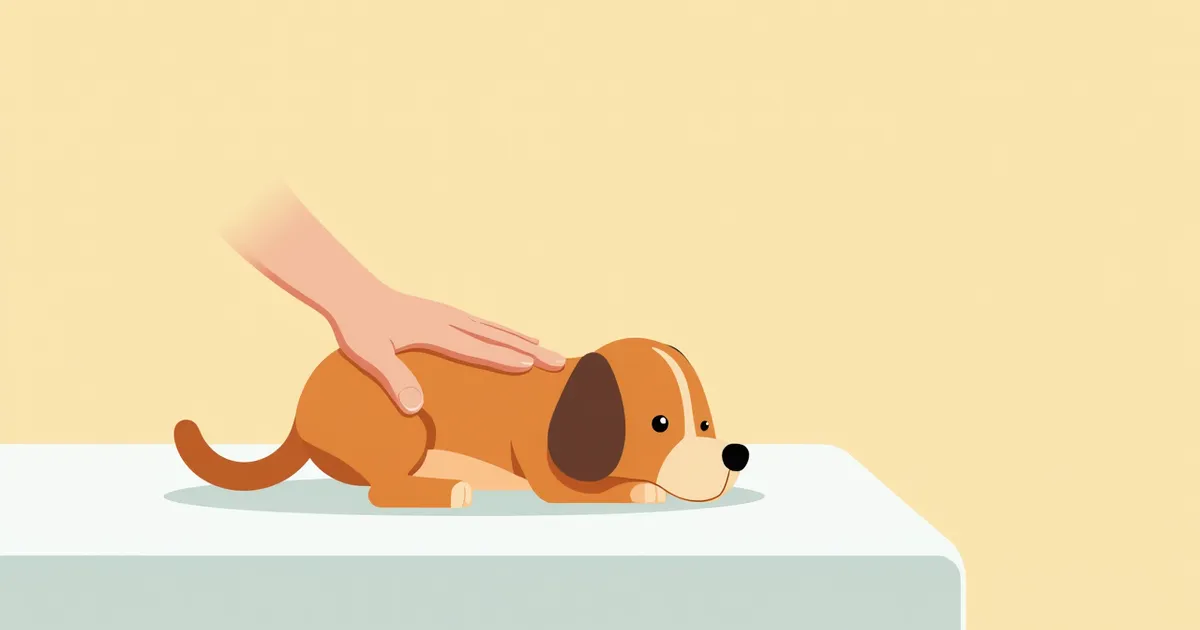
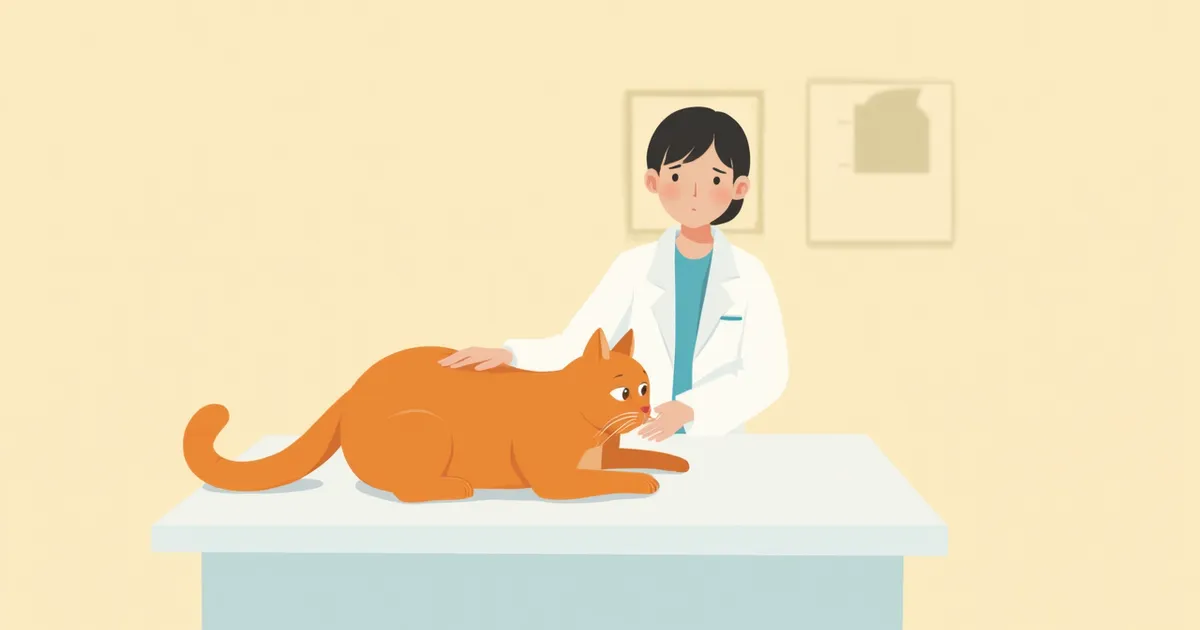
Upon arrival at the emergency room, we first palpate the bladder during a physical exam to check for distension. If it feels as firm as a balloon, urinary obstruction is highly likely. We then run blood tests to assess potassium and kidney function markers (BUN and creatinine), and perform an electrocardiogram to check for arrhythmias caused by hyperkalemia. Imaging studies include an abdominal X-ray to locate any stones, and an ultrasound to evaluate bladder wall thickness and urethral dilation. Based on these diagnostic results, we assess anesthesia risk and determine the appropriate sequence for catheterization.

Treatment Steps — From Catheterization to Perineal Urethrostomy
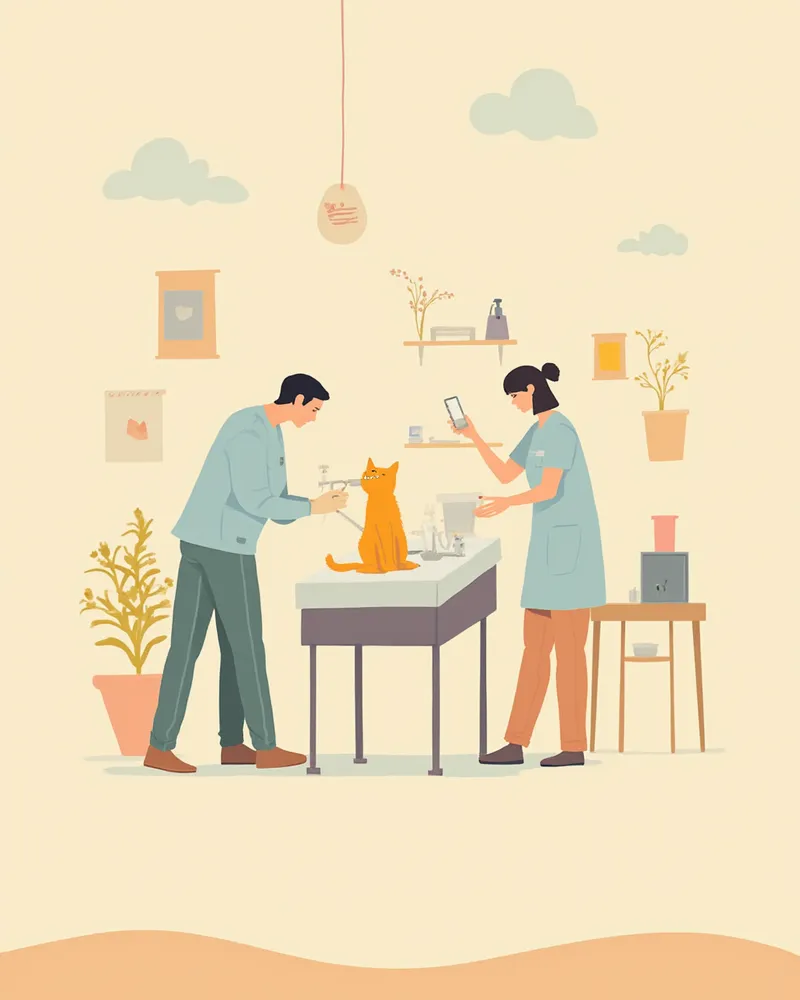
Treatment involves simultaneously relieving the blockage and protecting the kidneys and heart. In the first stage, intravenous fluids and medications such as calcium and insulin are administered to lower potassium levels and stabilize the heart. In the second stage, after sedation or anesthesia, the tip of the penis is gently massaged or a urinary catheter is inserted to relieve the obstruction. The catheter is typically left in place for several days to empty the bladder, reduce inflammation, and prevent re-obstruction; medications to minimize urethral spasms may also be used. For cats whose daily lives are severely disrupted by recurrent obstructions, a perineal urethrostomy (PU) surgery can be performed to incise the narrow distal portion of the urethra and create a new urinary opening.
A veterinarian wearing sterile gloves in preparation to insert a urethral catheter into a male cat.

Catheterization vs. Perineal Urethrostomy Comparison

ItemUrethral catheterizationPerineal urethrostomy (PU)
When appliedFirst obstruction or 1–2 recurrencesRepeated obstruction or severe urethral damage
Level of anesthesiaSedation or short-duration anesthesiaGeneral anesthesia + surgery
Hospitalization periodUsually a few daysUsually a longer hospital stay
Recurrence likelihoodVaries with dietary and environmental management; recurrence is not uncommonVery low, aside from stricture at the surgical site
Long-term complicationsRecurrence of cystitis/urinary tract infectionRisk of urinary tract infection

The specific approach is determined by the veterinarian based on the degree of blockage, kidney values, and number of recurrences.

Post-Discharge Home Care Points

Just because the blockage has cleared doesn’t mean you can relax. The first 1–2 weeks are a critical period for preventing recurrence. - Increase water intake: Boost daily fluid consumption by using water fountains, placing multiple water bowls around the house, and incorporating wet food. - Maintain prescription diet: Urinary tract prescription diets help reduce the risk of stone formation and recurrence. Depending on the type of stone, your vet may recommend feeding this diet for a specific period or for life. - Optimize the litter box environment: Provide one litter box per cat, plus one extra. Scoop frequently to minimize stress. - Track urine output daily: For one week, record the number and size of urine clumps to monitor for changes. - Keep follow-up appointments: Schedule urine tests at 1 week and 1 month to recheck crystal presence and pH levels.
A cat resting next to a clean litter box and a fresh water bowl.

Cats at High Risk of Recurrence

Male cats meeting the following conditions require lifelong management. Keeping a consistent observation log can help you catch the next blockage early. • Cats with a history of recurrent blockages • Cats in high-stress environments, such as those that are overweight, live indoors alone, or live in multi-cat households • Cats that eat only dry food and rarely drink water • Neutered males who have previously experienced urinary tract symptoms

Reviewed by a veterinarian

Dr. Tony — Punnawat Phongkittirak

Dr. Tony — Punnawat Phongkittirak

Veterinarian

A veterinarian who majored in veterinary medicine at Khon Kaen University, Thailand, and completed the IVSA program at North Carolina State University in the United States. Drawing on clinical experience at animal hospitals, he works in the pet healthcare field and is dedicated to building a digital care environment that connects pet parents with veterinarians.

Frequently Asked Questions

It seems my male cat hasn't urinated for 12 hours. Is it okay to wait until morning?
Don’t wait. If the blockage persists, blood potassium levels can rise rapidly, leading to arrhythmias and circulatory collapse. Even in the middle of the night, you should head straight to a 24-hour emergency animal hospital.
How many days after a catheterization procedure can my pet be discharged?
It usually takes a few days for kidney values and urine flow to stabilize. Pets at higher risk of recurrence may require a longer hospital stay.
Can my pet live a normal life after a perineal urethrostomy?
After about two weeks of recovery following surgery, your pet can return to its normal routine. However, since the narrowed area has been eliminated, there is an increased risk of urinary tract infections, so regular urine tests are recommended.
What is the single most important thing to prevent recurrence?
Increasing water intake is key. Diluting the urine makes it harder for stones and urethral plugs to form. The most effective approach is to consistently offer wet canned food, a water fountain, and multiple water bowls placed around the home.
Do female cats experience the same emergency situations?
Female cats have a shorter, wider urethra, so urinary blockages are rare. However, they can still develop bladder inflammation and stones, so watch for signs like frequent urination and blood in the urine just as closely.

Share

Related Guides

References

[1] Drobatz, K. J. et al., Feline Emergency and Critical Care Medicine, 2nd Ed, Wiley-Blackwell, 2022 — Ch. Urologic Emergencies; Ch. Emergency Urinary Surgery

[2] Creedon, J. M. B., Davis, H., Advanced Monitoring for Small Animal Emergency and Critical Care, 2nd Ed, Wiley-Blackwell, 2023 — Urinary Catheterization in the Male Cat

[3] Mathews, K. A. et al., Veterinary Emergency and Critical Care Procedures, 3rd Ed, Wiley-Blackwell, 2021 — Feline Urethral Catheterization

[4] Tilley, L. P., Smith, F. W. K., The Veterinary Workbook of Small Animal Clinical Cases — Case 19: Urinary Tract Obstruction

This information is based on veterinary literature and does not replace diagnosis or treatment. Please consult a veterinarian for specific health concerns.

Metapet Co., Ltd. | CEO: Park Sung-yong | Business Reg. No. 417-88-02562 | Seoul, South Korea | Customer Center

Male Cat Can't Urinate? Urethral Obstruction Emergency | Meongsiljang