Like
Share
멍실장
아기 고양이 콕시디아 — 만성 설사 원인과 치료 가이드

Kitten Coccidia — Causes of Chronic Diarrhea and Treatment Guide

Infection/ParasitesDiseasesMeongsiljang Veterinary Advisory Board

Coccidia is a common protozoan parasite that causes chronic diarrhea in young cats. Early diagnosis, antiparasitic treatment, and environmental disinfection are key to recovery.

What is Kitten Coccidia?
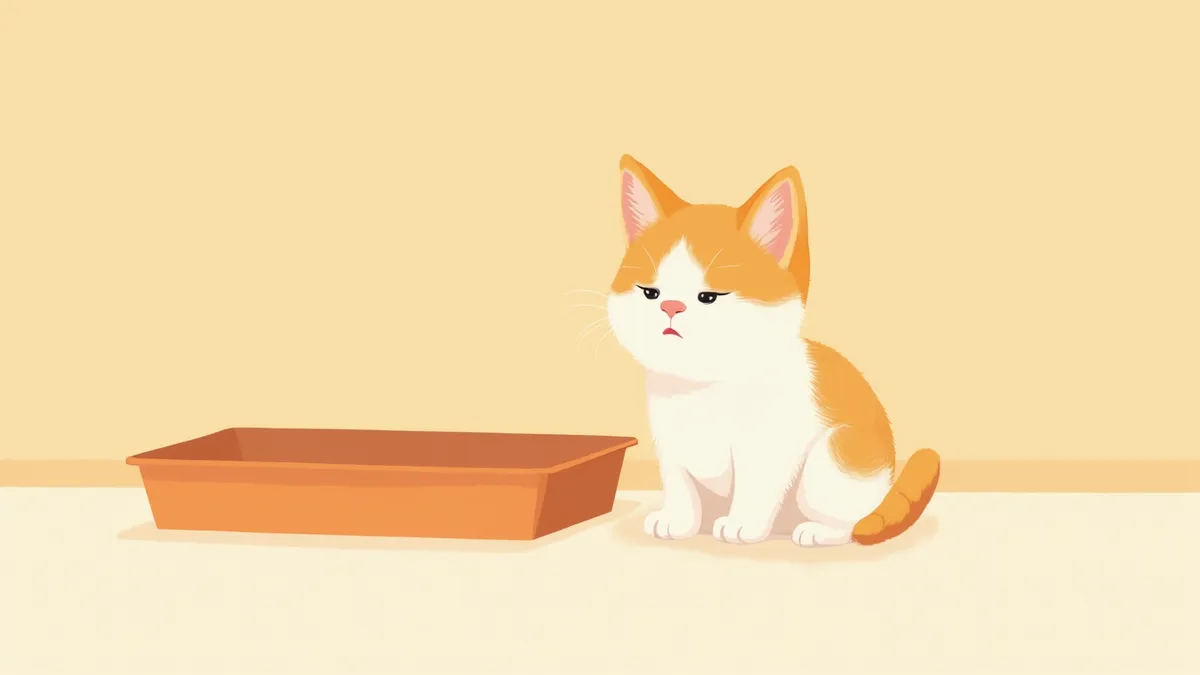
A kitten showing symptoms of chronic diarrhea sitting next to the litter box
Coccidia are single-celled protozoan parasites that inhabit the intestinal lining cells of kittens, causing chronic diarrhea. Early diagnosis is key. If a kitten between 2 and 6 months of age experiences loose stools or mucous diarrhea lasting more than a week, a fecal test at a veterinary clinic is essential. During this vulnerable period, weakened immunity can lead to rapid deterioration due to dehydration and impaired nutrient absorption.

Why Does Coccidia Infection Occur?

Coccidia spreads when cats ingest oocysts from the feces of infected cats or from contaminated environments. It is also commonly transmitted from mother cats, who may be asymptomatic carriers, to their kittens. The parasite spreads particularly easily in group-living settings such as shelters, breeding facilities, and multi-cat households. Once ingested, the oocysts hatch in the small intestine and multiply within the intestinal mucosal cells. As these cells are destroyed, symptoms such as diarrhea, mucus discharge, and malabsorption occur. Kittens, with their immature immune systems, tend to suffer more severely even when exposed to the same number of oocysts.

Suspect Coccidia If You See These Symptoms

- Loose diarrhea: Soft or watery stools persisting for several days or more - Mucus or blood in stool: Stools containing mucus or streaked with bright red blood - Weight loss: Losing weight despite eating well, or growth stagnation - Signs of dehydration: Dry gums and loss of skin elasticity - Lethargy and loss of appetite: Moving less than usual and refusing food - Abdominal discomfort: Disliking touch on the belly or frequently crouching In kittens weighing less than 1 kg, loose diarrhea lasting more than 24 hours is a medical emergency.
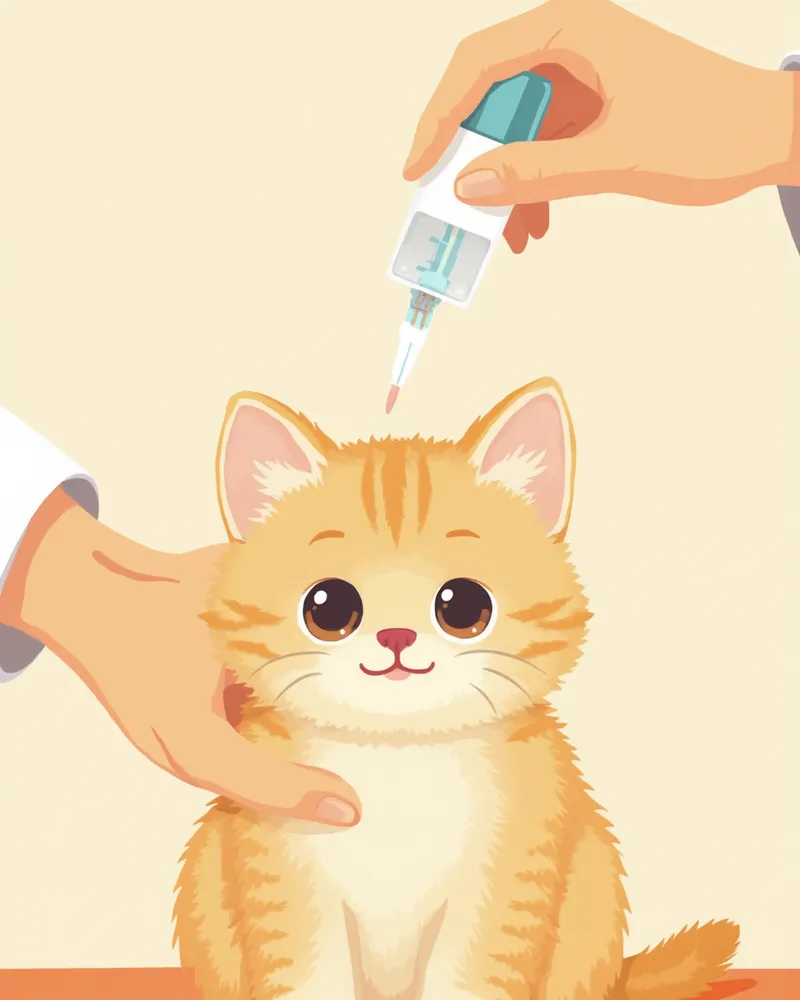
A veterinarian examining a kitten and confirming symptoms of coccidiosis.

Danger Signs Requiring Immediate Veterinary Care

If your cat loses weight, has pale gums, or hasn’t drunk water for more than 12 hours, take them to the vet immediately. Kittens can develop severe dehydration and low blood sugar very quickly, which can become life-threatening within just a few hours. Other emergency signs include mucus in the stool, vomiting, and extreme lethargy or weakness.

How is Coccidia Diagnosed?

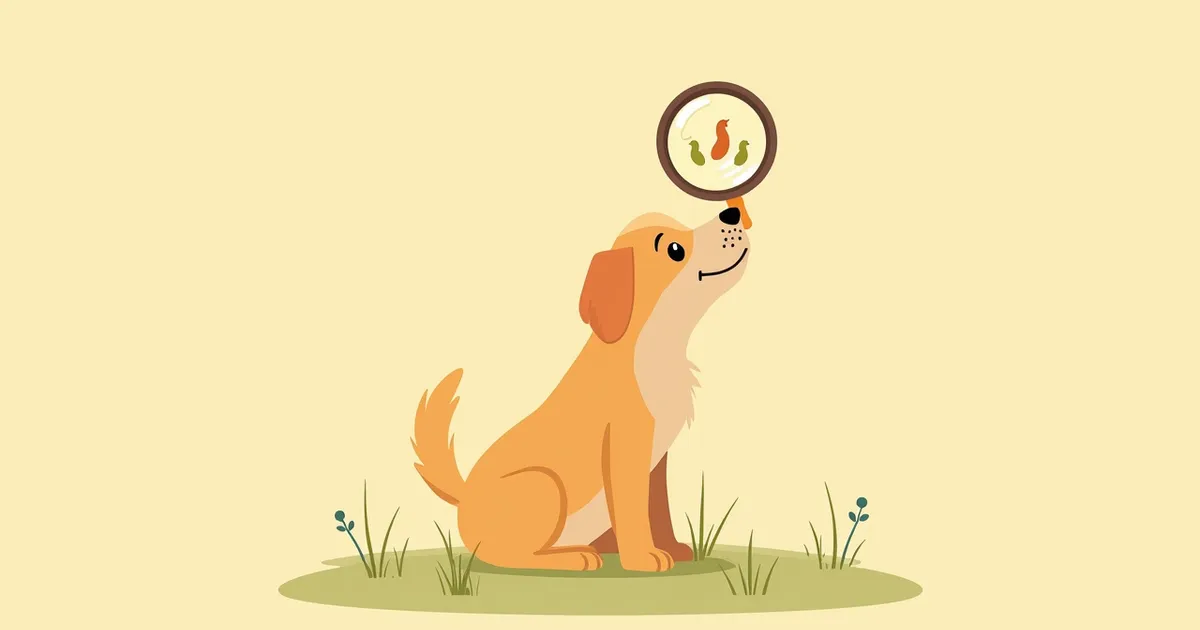
Diagnosis is primarily made by directly observing coccidian oocysts under a microscope using the fecal flotation method. Since oocyst shedding can be intermittent, a single test may not detect them, so repeat testing over 2–3 days is often necessary. If chronic diarrhea persists, additional tests such as blood work and abdominal ultrasound are performed to rule out other conditions that cause diarrhea, including parvovirus enteritis, other protozoal infections like Giardia, and dietary-induced inflammation. In young cats presenting with acute or chronic diarrhea, it is important to check for coccidia and Giardia infections, as well as other potential causes and concurrent infections that could be contributing to the diarrhea.

How is Treatment Conducted?

- Antiprotozoal medication: Sulfonamide-based drugs (such as trimethoprim-sulfadiazine or sulfadimethoxine) are commonly used for individual cats, and medications like ponazuril may also be administered at the veterinarian’s discretion. Treatment duration varies depending on the drug and the cat’s condition, so it is essential to follow the prescribed regimen exactly. - Fluid therapy: Kittens with severe dehydration receive subcutaneous or intravenous fluids to replenish body fluids and electrolytes. - Gut-supportive nutrition: Easily digestible prescription or recovery diets are provided as supportive care to reduce stress on the intestinal lining. - Evaluation for concurrent conditions: Veterinarians check for other infections or diseases that may be causing diarrhea to support a full recovery. The type and dosage of medication are determined by the veterinarian based on the cat’s weight, symptoms, and presence of any concurrent infections. Never administer medication without veterinary guidance.
A baby cat showing signs of dehydration receives intravenous fluid therapy at a veterinary clinic.

Environmental Management to Maintain at Home

Clean up infected cats’ feces as soon as you spot them, and regularly disinfect the litter box and surrounding area. Since coccidian oocysts can persist in the environment and become sources of contamination, it’s especially important for kittens to have their feces removed promptly and their water bowls refilled with fresh water frequently. Cleaning with hot water can help, and in multi-cat households, it’s best to provide separate litter boxes, food bowls, and water dishes for each cat. After treatment, follow-up fecal tests are recommended to confirm recovery. Owners should also wash their hands thoroughly after handling feces to prevent spreading the infection to other young animals.

Key Points for Preventing Reinfection in Kittens

In kittens, coccidiosis is prone to reinfection because the oocysts can persist in the environment even after a single treatment. To prevent recurrence, perform a fecal test once within two weeks of adoption, and if the mother or littermates are present, test and treat them as well. It is also advisable to wash and disinfect food bowls and bedding.

Reviewed by a veterinarian

Dr. Tony — Punnawat Phongkittirak

Dr. Tony — Punnawat Phongkittirak

Veterinarian

A veterinarian who majored in veterinary medicine at Khon Kaen University, Thailand, and completed the IVSA program at North Carolina State University in the United States. Drawing on clinical experience at animal hospitals, he works in the pet healthcare field and is dedicated to building a digital care environment that connects pet parents with veterinarians.

Frequently Asked Questions

Can coccidia be transmitted to humans?
Cystoisospora species, which are common in cats, rarely transmit to humans. However, some protozoan parasites shared between cats and humans, such as Toxoplasma, are exceptions. Always wash your hands after handling feces.
Is there a vaccine for coccidia?
There are no commercially available coccidia vaccines. The key to prevention is maintaining environmental hygiene, promptly removing feces, and conducting regular fecal exams when pets are in group settings.
How long after treatment can we consider the condition fully resolved?
Once the medication course is complete, if a follow-up fecal test conducted 2–3 weeks later shows no cysts, the condition is considered cured. Do not assume your pet is fully recovered just because symptoms have disappeared, as this can easily lead to missing a reinfection.
Should I separate my cat from other cats?
During treatment, it’s safest to keep the litter box and food/water bowls separate. Even if they share the same space, promptly removing feces and maintaining strict hygiene can significantly reduce the risk of transmission.
What kind of food should I switch to?
During the recovery period, we recommend a prescription diet that’s easy to digest, such as a low-fat, highly digestible formula. It’s best to consult with your veterinarian to determine the most suitable food for your pet.

Share

Related Guides

References

[1] Schaer M., Gaschen F., Clinical Medicine of the Dog and Cat, 4th Edition, Chapter 9: Digestive Diseases

[2] Bexfield N., Lee K., 100 Top Consultations in Small Animal General Practice, Section 4: Gastrointestinal Cases

[3] Companion Animal Parasite Council (CAPC) Guidelines, Coccidia in Cats

This information is based on veterinary literature and does not replace diagnosis or treatment. Please consult a veterinarian for specific health concerns.

Metapet Co., Ltd. | CEO: Park Sung-yong | Business Reg. No. 417-88-02562 | Seoul, South Korea | Customer Center

Kitten Coccidia: Causes of Chronic Diarrhea & Treatment Guide | Meongsiljang