Like
Share
멍실장
강아지 심부전 응급 처치 자주 묻는 질문 Q&A — 보호자가 꼭 알아야 할 핵심

Dog Heart Failure Emergency: What to Do at Home? — Golden Hour Response for Breathing Difficulties

HeartQ&AMeongsiljang Veterinary Advisory Board

We’ve outlined the immediate actions and precautions pet owners should take in case of a dog’s heart failure emergency. Get a clear overview of essential information from recognizing symptoms to transporting your dog to the vet.

Immediate Response Saves Lives in Dog Heart Failure Emergencies

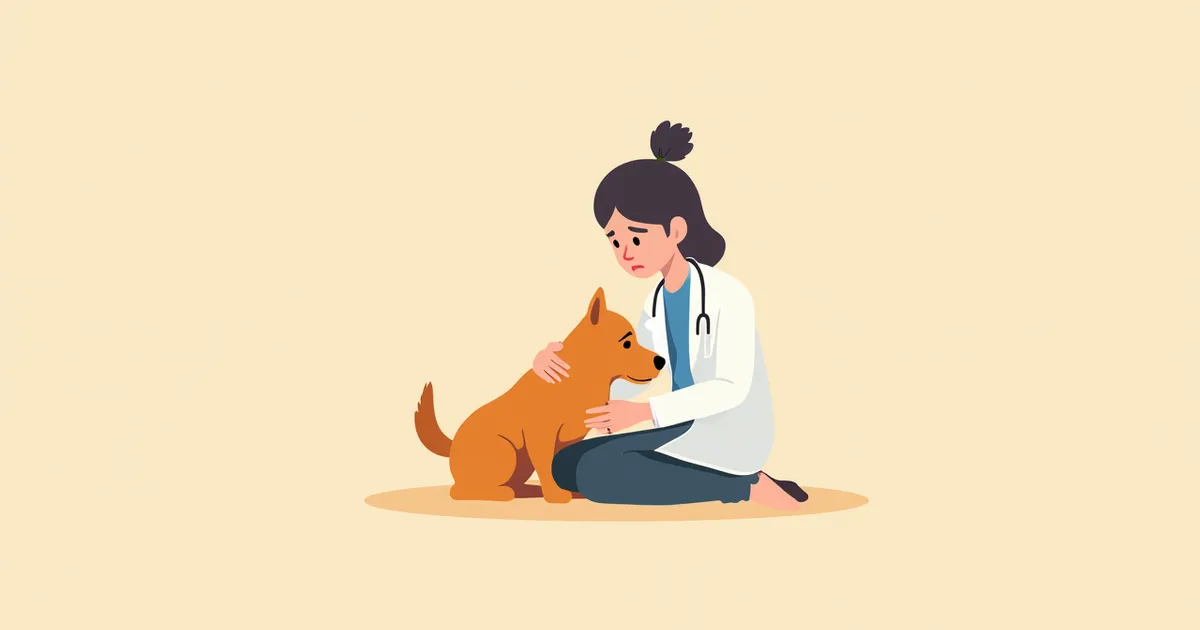
A dog experiencing breathing difficulties due to heart failure, with its owner helping it stay calm.
Emergency situations involving heart failure in dogs can worsen rapidly, with symptoms such as difficulty breathing, persistent coughing, and foaming at the mouth. - Difficulty breathing: If your dog is panting with its mouth open or flaring its nostrils, immediate action is required. - Coughing: Frequent coughing, especially at night or during rest, may be an early sign of heart failure. - Foaming: White foam coming from the mouth or nose is highly likely to indicate pulmonary edema caused by declining heart function. - Maintaining calm: Reduce excitement and help your dog rest in a comfortable position. - Transport to the vet: Move to a veterinary clinic as quickly as possible, continuously monitoring your dog’s breathing during transport. Immediate intervention can save a life.

Main Causes and Pathogenesis of Heart Failure Emergencies
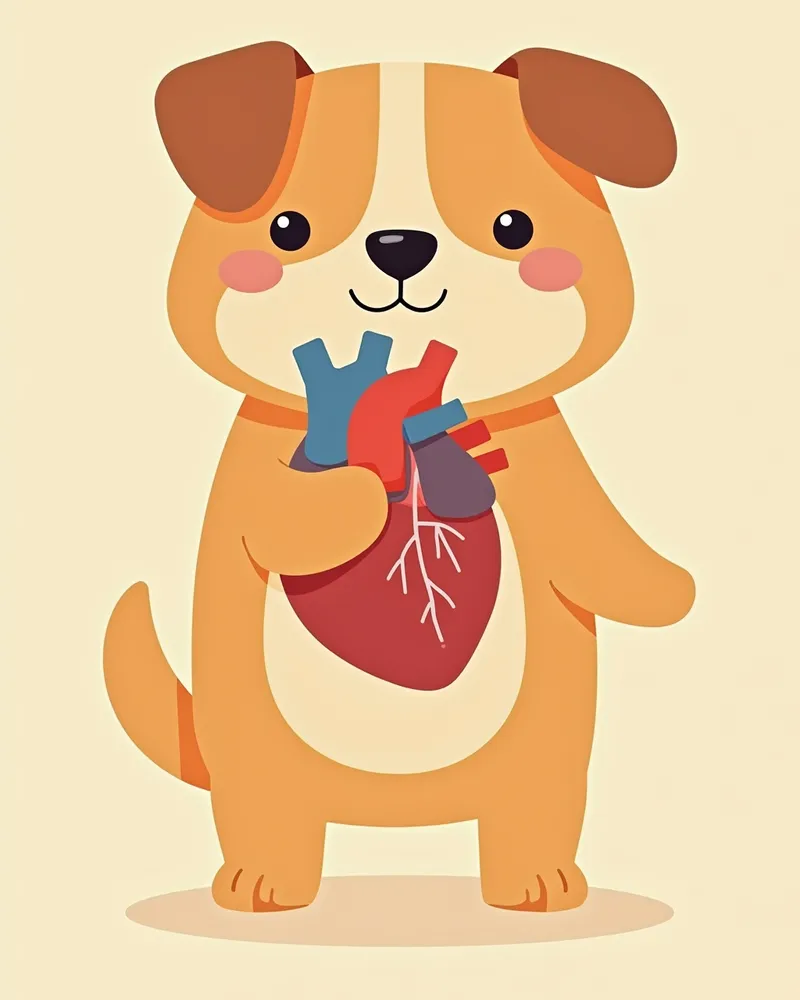
Canine heart failure occurs when the heart cannot pump blood effectively into the aorta or pulmonary artery. - Valvular disease: Impaired valve function allows blood to leak backward, increasing the workload on the heart. - Cardiomyopathy: Weakening of the heart muscle reduces its contractility, leading to poor blood circulation. - Chronic cardiac stress: Prolonged stress from factors such as preload and afterload may initially trigger adaptive responses, but over time can lead to maladaptive changes that result in heart failure. - Pulmonary edema: As heart function declines, blood and fluid accumulate in the lungs, causing difficulty breathing. - Systemic edema: In right-sided heart failure, the heart’s inability to pump blood properly can lead to fluid buildup in the abdomen (ascites) or swelling in the limbs. Because these conditions can worsen rapidly, early recognition and intervention are crucial.
An anatomical illustration showing an enlarged heart and fluid accumulation in the lungs due to heart failure.

5 Warning Signs of Heart Failure Emergencies — Symptoms Owners Must Know

To avoid missing an emergency situation of canine heart failure, watch for the following warning signs:
Difficulty breathing: Your dog may breathe with its mouth open and nostrils flared, struggling to catch its breath.
Persistent coughing: Pay close attention if coughing continues even while your dog is at rest.
Foaming at the mouth: This can indicate pulmonary edema, where fluid builds up in the lungs because the heart isn’t pumping effectively.
Lethargy and fainting: Your dog may show weakness, reluctance to move, difficulty exercising, or even sudden collapse or fainting episodes.
Distended abdomen: Fluid accumulation in the abdominal cavity (ascites) can cause the belly to appear swollen or bloated.
A dog's face, panting with its mouth open due to shortness of breath caused by heart failure

Emergency Signs Requiring Immediate Veterinary Visit

If your dog is drooling foam from its mouth, struggling to breathe, or collapsing, you need to get to the vet immediately. This is a sign that heart failure has worsened severely, and the longer you wait, the lower the chances of successful treatment.

4-Step Response Guide for Owners in an Emergency

In a heart failure emergency, please follow these steps: 1. Ensure a calm environment: Prevent your dog from moving unnecessarily and help them maintain a comfortable, relaxed posture. Minimizing excitement and stress is the top priority. 2. Assist with breathing: If your dog is panting with an open mouth or struggling to breathe, ensure good air circulation. Open windows or use a fan to improve airflow. 3. Prepare for transport: Move your dog to a stable position to minimize shaking during transit, and call the veterinary clinic ahead of time to inform them of the situation. 4. Immediate treatment upon arrival: The veterinarian will promptly begin emergency care, which may include oxygen therapy, administration of diuretics, and heart medications such as pimobendan and ACE inhibitors.
A caregiver carefully transporting a dog with heart failure to the hospital

Comparison Table of Responses by Heart Failure Emergency Situation

ItemEmergency ResponseTreatment After Arriving at the Hospital
Respiratory DistressAdjust posture, promote air circulationOxygen supply, diuretic administration
Worsening CoughMaintain posture, reduce stressDiuretic administration, adjustment of heart medication
Foam from the MouthTransport to the hospital immediately, keep the pet from movingOxygen therapy, support to restore cardiac function
Loss of ConsciousnessPrepare for CPR, transport to the hospital immediatelyCardiac rhythm control, blood pressure stabilization

Since the treatment direction differs by situation, accurate observation by the guardian is important.

Checklist of Items to Prepare Before Visiting the Clinic

You can save time by preparing in advance before arriving at the clinic. Here’s what you should have ready:
Clinic Information: Check the clinic’s phone number, location, and emergency hours ahead of time.
Dog’s Records: Gather recent veterinary records, a list of current medications, and any diagnosis reports.
Transportation: If you’re driving, ensure your dog can sit comfortably and securely in the vehicle.
Travel Gear: Bring a carrier, pillow, or blanket to keep your dog comfortable during transport.
Emergency Summary: Prepare a simple symptom log to help convey accurate information to the veterinarian.
Checklist of items to prepare before visiting the hospital in case of a heart failure emergency

Actions to Absolutely Avoid in an Emergency

For dogs with heart failure, it's important to maintain a quiet environment to reduce stress. While immediate veterinary care is necessary, avoid shaking your dog or forcing them to walk quickly, as this can worsen their breathing.

Reviewed by a veterinarian

Dr. Tony — Punnawat Phongkittirak

Dr. Tony — Punnawat Phongkittirak

Veterinarian

A veterinarian who majored in veterinary medicine at Khon Kaen University, Thailand, and completed the IVSA program at North Carolina State University in the United States. Drawing on clinical experience at animal hospitals, he works in the pet healthcare field and is dedicated to building a digital care environment that connects pet parents with veterinarians.

Frequently Asked Questions

What should I do if my dog with heart failure suddenly has difficulty breathing?
Immediately lay the pet down in a stable position and ensure good air circulation around them. Prepare to transport them to the veterinary clinic as quickly as possible.
Can I administer medication at home during a heart failure emergency?
No. Medications administered at home must be prescribed by a veterinarian, and in emergency situations, your pet should receive professional drug treatment at a veterinary clinic.
What tests are performed when a puppy with heart failure arrives at the hospital?
We perform an echocardiogram, chest X-rays, and blood tests to accurately assess your pet's heart function and overall condition.
How should I care for my pet at home after a heart failure emergency?
Follow your veterinarian’s instructions carefully: give the medication exactly as prescribed, adjust your pet’s activity level, and keep up with regular check-ups.
How can I help prevent emergencies in a dog with heart failure?
Regular health check-ups, monitoring of heart function, and proper dietary and exercise management are important.

Share

Related Guides

References

[1] Handbook of Veterinary Pharmacology, 2023

[2] Notes on Canine Internal Medicine, 4th Edition, 2022

[3] Textbook of Cardiovascular Medicine in Dogs and Cats, 2021

This information is based on veterinary literature and does not replace diagnosis or treatment. Please consult a veterinarian for specific health concerns.

Metapet Co., Ltd. | CEO: Park Sung-yong | Business Reg. No. 417-88-02562 | Seoul, South Korea | Customer Center

Dog Heart Failure Emergency at Home: Golden Hour for Breathing Trouble | Meongsiljang