
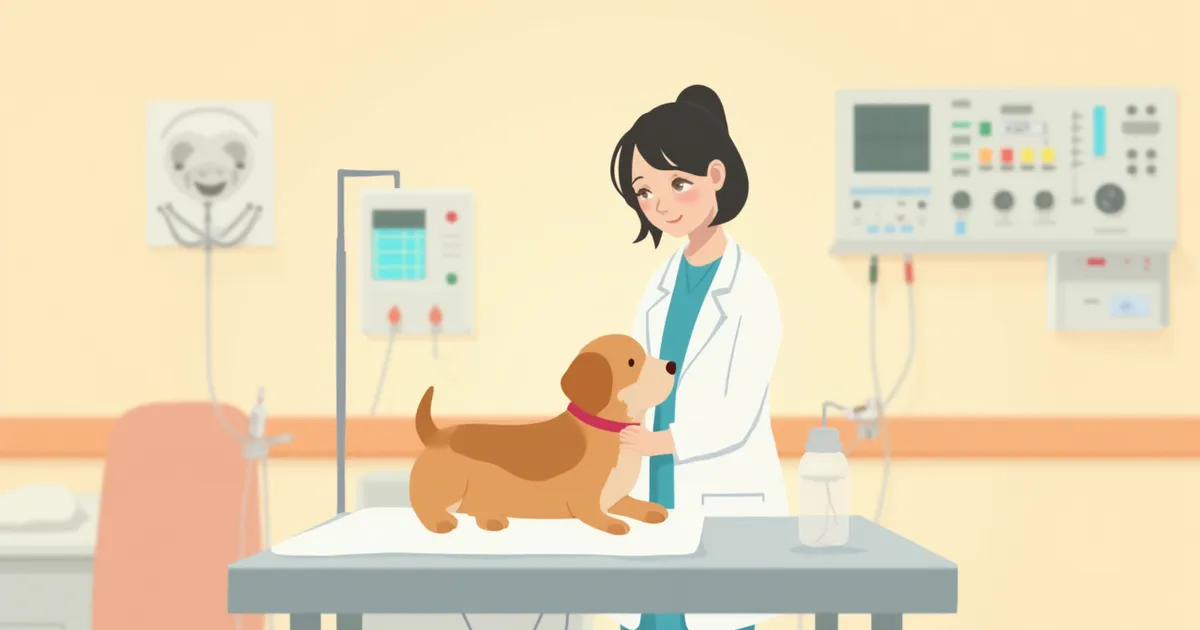
Guide to Veterinary Emergency Medicine Specialists
We’ll explain how veterinary emergency medicine specialists differ from general practitioners, when to seek their care, and how they compare to 24-hour animal hospitals. We’ve also covered specialist qualifications and treatment costs.
What Is a Veterinary Emergency Medicine Specialist?

How Do They Differ from General Practitioners?
General Practice vs. Emergency Medicine Specialist Care
| Item | General Veterinarian | 24-Hour Night Hospital | Emergency Medicine Specialist |
|---|---|---|---|
| Care Hours | Weekday daytime | Nighttime and weekends | 24 hours on-site |
| Training Period | 6 years of veterinary school | 6 years of veterinary school | 6 years of veterinary school + 3–4 years of residency |
| Intensive Care Unit (ICU) | None | Simple observation room | Operates specialized ICU |
| Ventilator | None | Some available | Constantly in operation |
| Transfusion Capability | Limited | Available | Has own blood bank |
| Care Cost | Low | Medium (night surcharge) | High (specialist fees) |
In Korea, hospitals with a resident emergency medicine specialist are still few. Call to confirm before visiting.
When to See an Emergency Medicine Specialist Immediately

What Not to Miss While Transporting Your Pet
The most dangerous mistake in an emergency is giving medication yourself. Fever reducers and pain relievers—especially human acetaminophen and ibuprofen—can cause acute kidney failure or liver damage in pets. Do not force water on a pet with weak breathing, and never put anything in the mouth of a pet having a seizure. Instead, write down the time, symptoms, and a list of current medications, then call the emergency clinic to let them know your estimated arrival time so they can prepare for your pet’s treatment.
How Does Emergency Medicine Specialist Care Work?
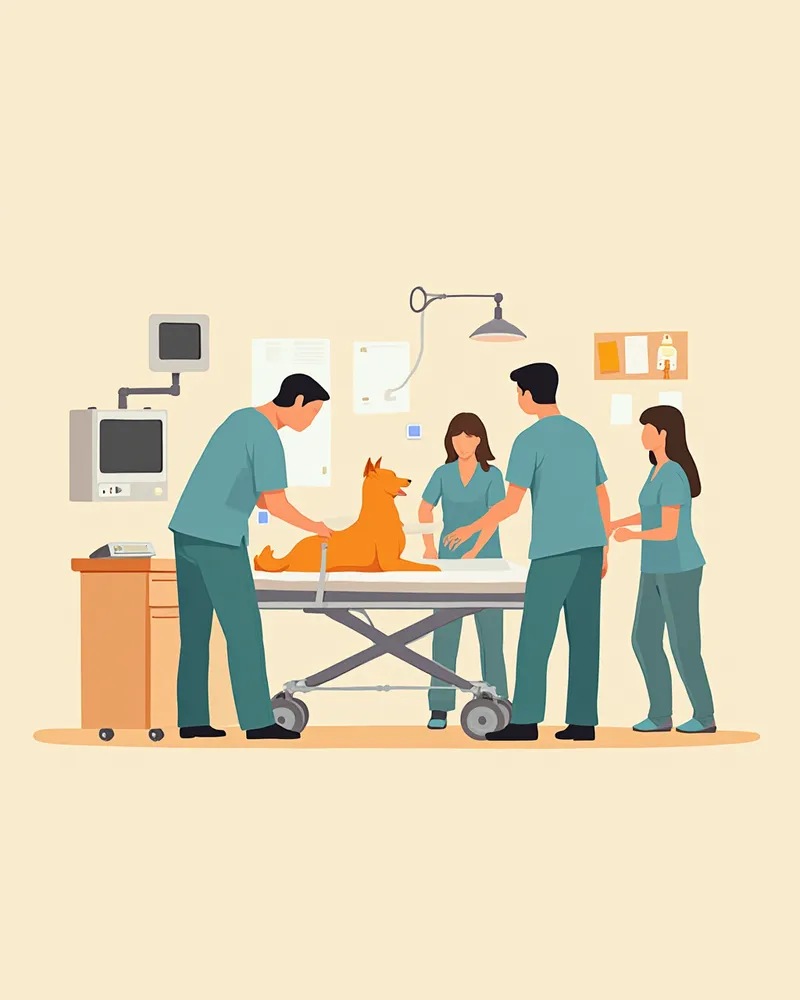
How Much Does Treatment Cost?
How to Find an Emergency Medicine Specialist Clinic in Korea
What Cat Owners Should Pay Extra Attention To
Cats are known for hiding their pain, so by the time emergency symptoms are noticed, the condition is often already advanced. In particular, urethral obstruction in male cats, feline respiratory distress, and acute cardiomyopathy are life-threatening conditions that can be fatal within hours. The differences in treatment protocols between cats and dogs are so significant that even textbooks on feline emergency and critical care medicine dedicate separate sections to "cat-specific emergency response protocols." For your cat's safety, it's best to choose an emergency specialty clinic with extensive experience in feline care.
Reviewed by a veterinarian

Dr. Tony — Punnawat Phongkittirak
VeterinarianA veterinarian who majored in veterinary medicine at Khon Kaen University, Thailand, and completed the IVSA program at North Carolina State University in the United States. Drawing on clinical experience at animal hospitals, he works in the pet healthcare field and is dedicated to building a digital care environment that connects pet parents with veterinarians.
Reviewed 2026-04-29
Frequently Asked Questions
Can a general veterinarian label themselves as an "emergency specialist"?
Should I go to a regular vet clinic at night, or should I take my pet directly to an emergency hospital?
Should I always call before visiting the emergency room?
Does pet insurance cover emergency treatment costs?
Can pet owners learn cardiopulmonary resuscitation (CPR) for their pets?
Share
Related Guides

Top 7 Short-Legged Dog Breeds

Primary vs. Secondary Veterinary Hospitals: A Comparison

5 Easy-to-Raise Cat Breeds for First-Time Owners — Grooming Difficulty Comparison

Symptoms and Treatment of Canine Mammary Tumors

Dog Dental Scaling: Procedure and Precautions

Guide to Choosing Dog Food for Tear Stains

How Much Do Puppy Vaccinations Cost?

Frequently Asked Questions on How to Increase Your Dog’s Water Intake — Key Points for Pet Owners

Dog Urethral Obstruction FAQ — Key Information Every Pet Owner Must Know

Frequently Asked Questions About Urinary Incontinence After Spaying in Dogs — Key Information Every Pet Owner Should Know
References
[1] Drobatz, K.J., Hopper, K., Rozanski, E., Silverstein, D.C., Small Animal Critical Care Medicine, 3rd Ed, Elsevier, 2023
[2] Sherri Wilson, Feline Emergency and Critical Care Medicine, 2nd Ed, Wiley-Blackwell, 2021
[3] American College of Veterinary Emergency and Critical Care (ACVECC) Certification Standards