Like
Share
멍실장
강아지 연구개 과장 자주 묻는 질문 Q&A — 보호자가 꼭 알아야 할 핵심

Dog Elongated Soft Palate FAQ — Key Information for Pet Owners

RespiratoryQ&AMeongsiljang Veterinary Advisory Board

Brachycephalic airway syndrome in dogs is a breed-related trait that can affect breathing. We’ve compiled the key information pet owners should know, presented in an easy-to-understand Q&A format covering symptoms, causes, and management strategies.

What is elongated soft palate in dogs?
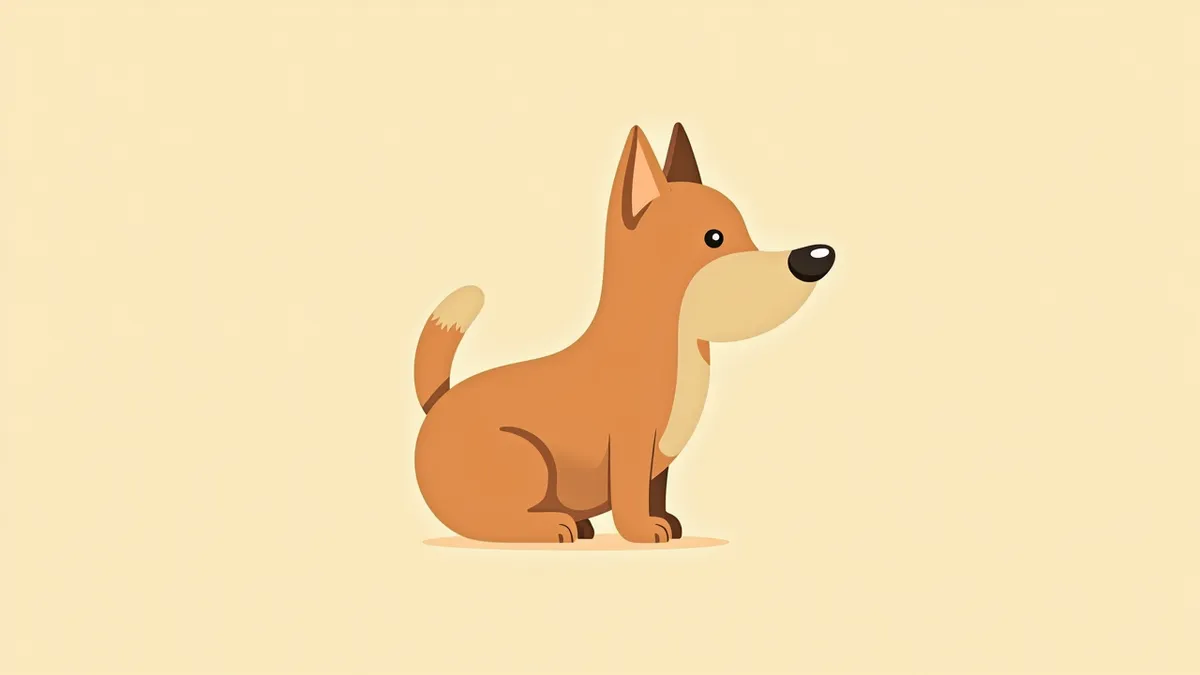
Side view of a puppy with a blocked airway due to an elongated soft palate
Brachycephalic obstructive airway syndrome (BOAS) in dogs occurs when the soft palate at the back of the mouth is abnormally long and protrudes into the airway, obstructing breathing. This condition is common in brachycephalic breeds with short, broad skulls, such as Bulldogs, Pugs, Pekingese, and Shih Tzus. Although their skulls are shortened, the surrounding soft tissues do not reduce proportionally, causing excess tissue to bulge into the airway. When the soft palate blocks the airway, dogs exhibit severe panting, frequent coughing, and harsh respiratory noises, as increased resistance to airflow forces them to work harder to breathe. Symptoms often worsen with exercise, excitement, or obesity. Rather than being merely a cosmetic issue, this condition significantly impairs quality of life and should be regarded as a serious health concern. Therefore, early detection and appropriate management are essential.

Why does elongated soft palate occur?
Elongated soft palate is a structural issue commonly seen in brachycephalic breeds with short, broad skulls, such as Bulldogs, Pugs, Pekingese, and Shih Tzus. These breeds have skulls that are wider than they are long, an appearance that has been artificially selected and perpetuated through human-driven breeding practices. The problem arises because while the skull has become shorter, the surrounding soft tissues have not reduced proportionally. As a result, the excess soft palate tissue tends to elongate and protrude into the airway toward the larynx. When the soft palate obstructs the airway, breathing becomes difficult, and symptoms worsen with exercise, excitement, or obesity. Therefore, this condition should be viewed not merely as an aesthetic trait but as a health issue with negative impacts. Early diagnosis and appropriate management are essential.
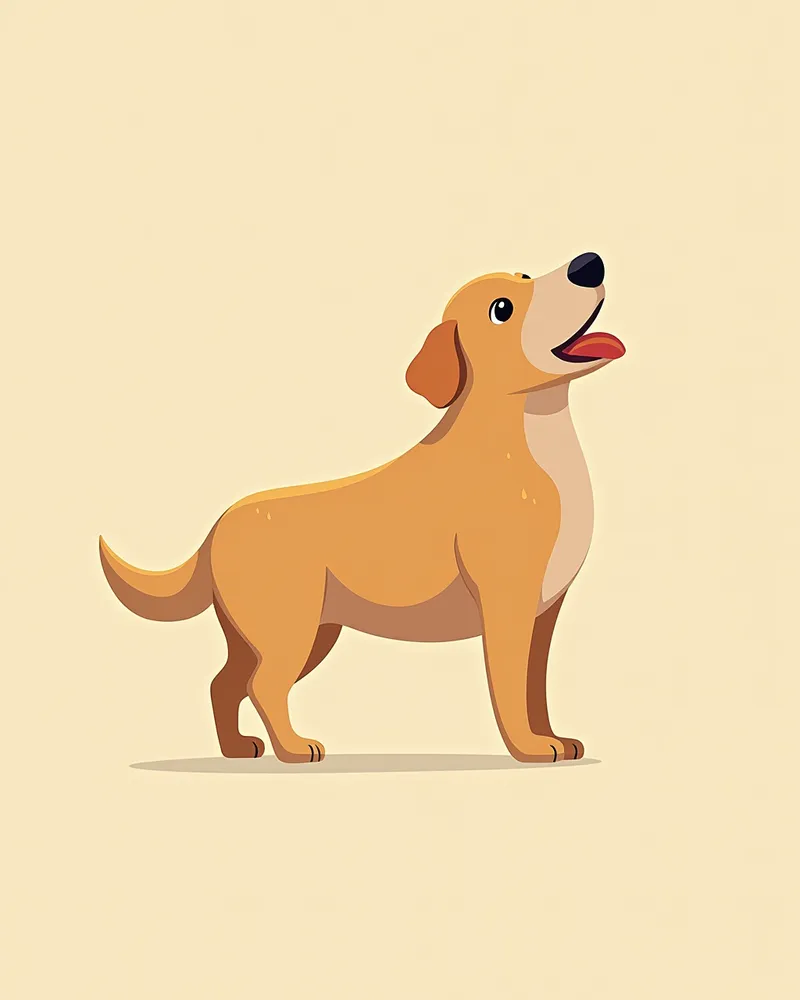
An anatomical diagram of a puppy with an airway obstruction caused by an elongated soft palate

What are the main symptoms of elongated soft palate?
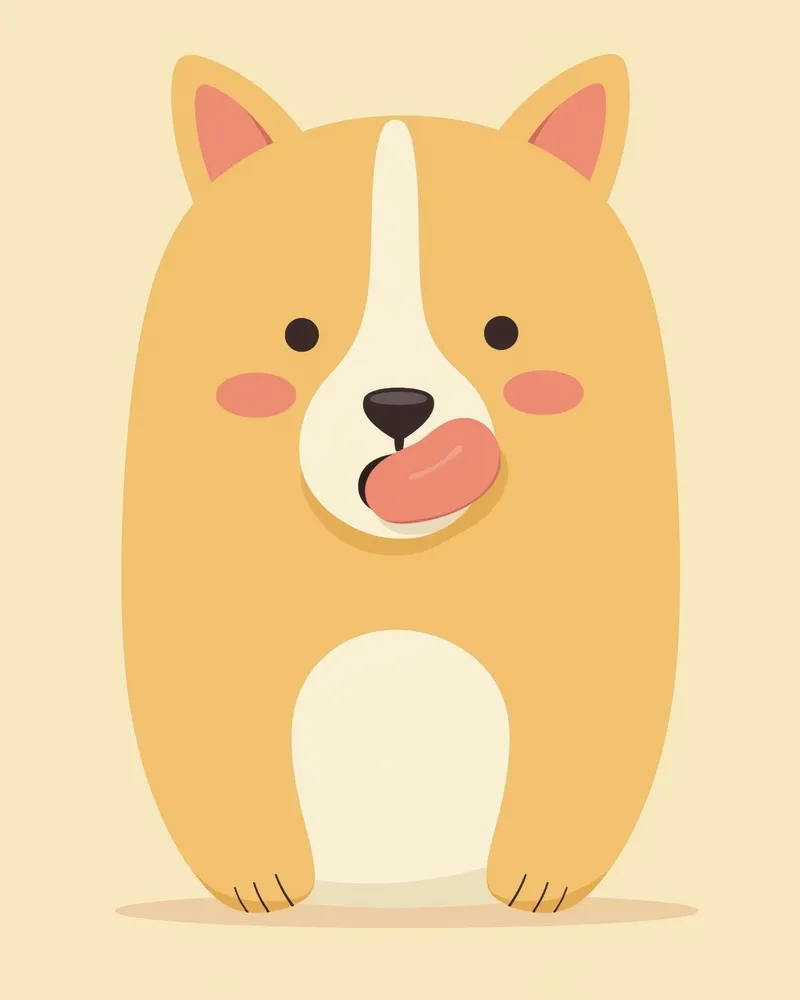
The main symptoms of palatal elongation in dogs are as follows:
Difficulty breathing: Panting becomes more severe, or breathing becomes rapid.
Coughing or noisy breathing: Frequent coughing occurs during breathing, or there are sounds of dry coughing or rapid breathing.
Difficulty swallowing during meals: Difficulty swallowing food, often spitting out or dropping water.
Abnormal voice: The voice sounds rough, as if panting, or has a muffled quality.
Lethargy or weakness: Due to insufficient oxygen supply, the dog may feel sleepy all day or show little movement.
Image of a dog panting due to an elongated soft palate

Signs requiring immediate veterinary care

Severe reduction in oxygen supply due to an elongated soft palate can be life-threatening. If your pet’s mouth turns blue, they struggle to breathe, appear weak or faint, or exhibit confused behavior, seek veterinary care immediately.

How is elongated soft palate diagnosed?
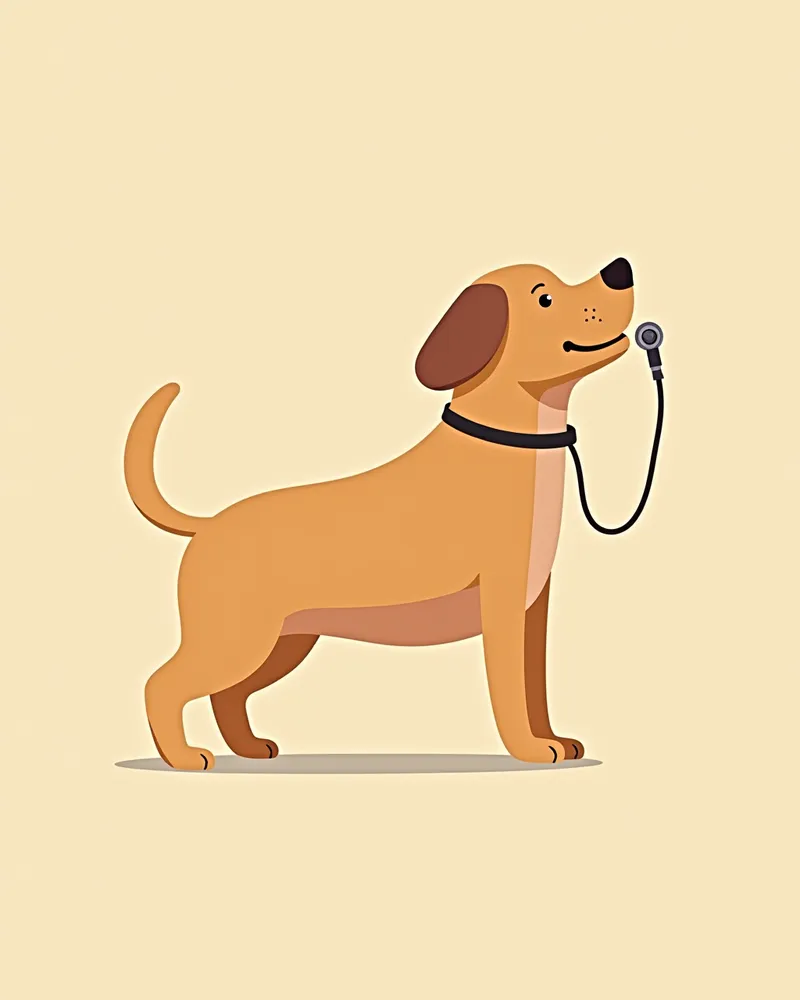
Elongated soft palate is accurately diagnosed by a veterinarian through direct oral examination or endoscopy. Endoscopy allows real-time assessment of the soft palate’s length and the degree to which it obstructs the airway. Additionally, breathing patterns during sleep are monitored to observe for panting or hypoxia. In some cases, chest X-rays and pulse oximetry are also performed. Diagnosis goes beyond simple physical appearance to comprehensively evaluate overall respiratory function. Accurate diagnosis is crucial in determining the treatment plan and deciding whether surgery is necessary.
A veterinarian diagnosing elongated soft palate using an endoscope

Treatment options and the need for surgery
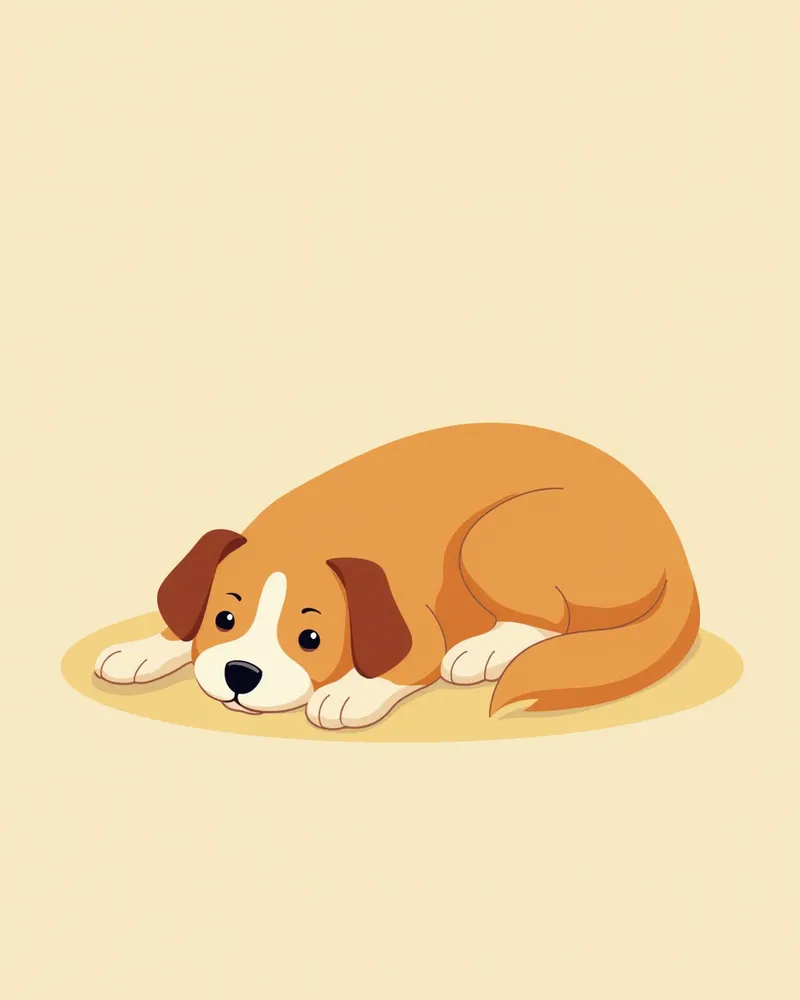
Treatment for elongated soft palate primarily involves surgery. The procedure entails trimming the excessively long soft palate to an appropriate length, thereby securing a clear airway. In many cases, breathing becomes significantly easier and quality of life improves after surgery; however, not all symptoms may disappear completely, so outcomes can vary from dog to dog. Since obesity increases the burden on the respiratory system, it is advisable to reduce weight before surgery, if possible, to lower the risk of anesthesia-related complications. A comprehensive health assessment, including heart and lung function, is essential prior to surgery. Brachycephalic breeds may face inherent risks with anesthesia, so anesthetic responses must be carefully considered, and postoperative care is crucial. The decision to proceed with treatment depends on the severity of symptoms and the dog’s overall condition.
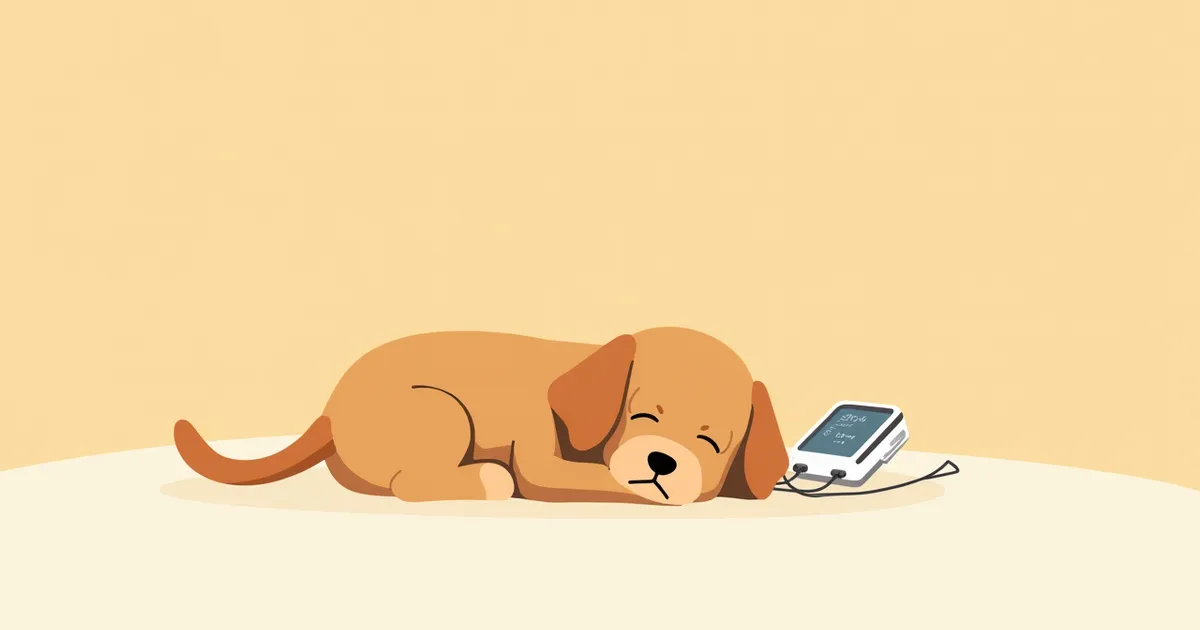
An image of a puppy recovering after palate surgery

Post-surgery care tips

After surgery, your pet will need the following care:
Dietary Management: Start with soft food and offer meals that are easy to swallow.
Restricted Walks: Avoid excessive exercise during the recovery period.
Oral Care: Check that the mouth is clean and closely monitor for any signs of infection.
Medication: Administer all medications exactly as prescribed by your veterinarian.
Follow-up Visits: A check-up at the clinic is necessary within 1–2 weeks after surgery.
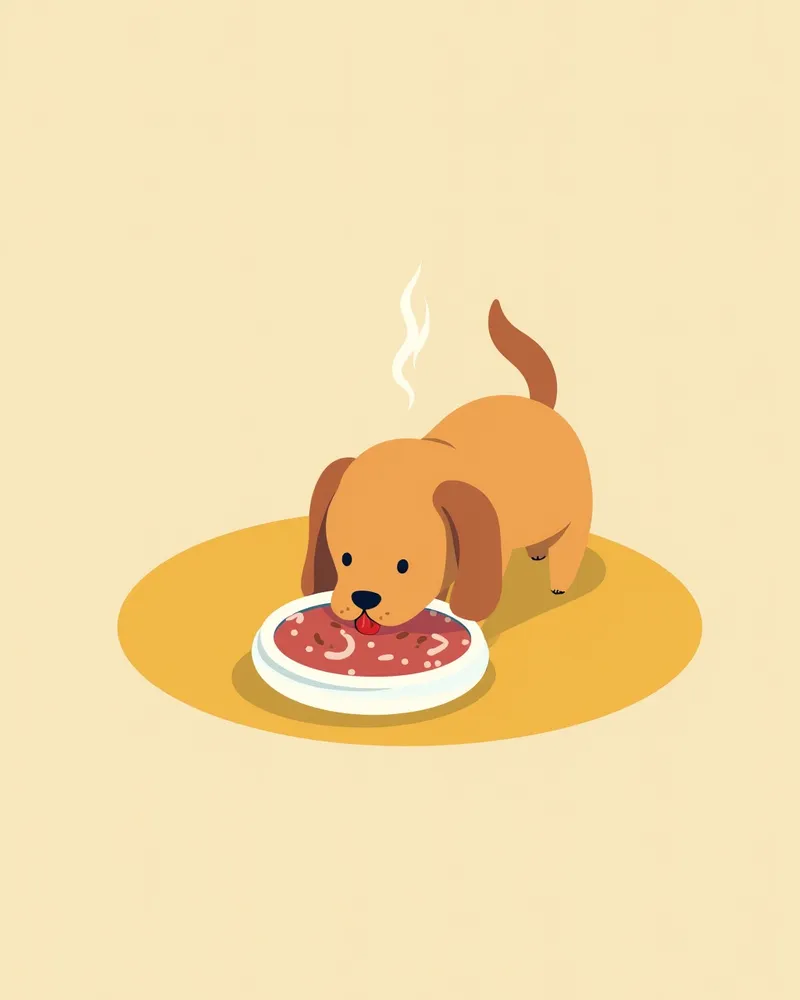
An image of a puppy eating soft food after palate surgery

Before and after elongated soft palate surgery

ItemBefore SurgeryAfter Surgery
Breathing statusSevere panting, frequent coughingStable breathing, reduced panting
Activity levelDrowsy, lethargicIncreased activity, energy recovery
Eating difficultyDifficulty swallowing, dropping foodNormal eating, easy swallowing
Voice changeMuffled, gurgling voiceClear voice, normal

After surgery, most dogs experience a significant improvement in breathing and quality of life.

Caution: Pre-surgical health assessment is essential

Elongated soft palate surgery requires general anesthesia, so it is essential to thoroughly evaluate your pet’s overall health, including heart and lung function. Pre-existing medical conditions can increase surgical risks.

Reviewed by a veterinarian

Dr. Tony — Punnawat Phongkittirak

Dr. Tony — Punnawat Phongkittirak

Veterinarian

A veterinarian who majored in veterinary medicine at Khon Kaen University, Thailand, and completed the IVSA program at North Carolina State University in the United States. Drawing on clinical experience at animal hospitals, he works in the pet healthcare field and is dedicated to building a digital care environment that connects pet parents with veterinarians.

Frequently Asked Questions

Which dog breeds are most commonly affected by elongated soft palate?
It commonly occurs in brachycephalic breeds with short, broad skulls, such as Bulldogs, Pugs, Pekingese, and Shih Tzus.
How much does a soft palate resection surgery cost?
Surgical costs vary depending on the clinic and location. Since prices can differ based on individual circumstances, we recommend discussing the details with your veterinarian.
Can brachycephalic airway syndrome recur after soft palate resection surgery?
Even after surgery, symptoms may not completely disappear or could return, and other airway changes associated with brachycephalic breeds may progress. Therefore, regular check-ups and monitoring of symptoms are essential.
Is an elongated soft palate a genetic issue?
Yes, an elongated soft palate is a characteristic associated with the short, broad skull structure typical of brachycephalic breeds, a trait that has been intensified through human-driven selective breeding. Therefore, it is important to consider genetic background when breeding.
Does palate elongation appear in young puppies?
The onset of symptoms varies greatly from one dog to another. Since some dogs show signs of respiratory distress from a young age, it's important to closely monitor their breathing on a regular basis.

Share

Related Guides

References

[1] Acquafredda C, Stabile M, Lacitignola L et al. (2021) Clinical efficacy of dexmedetomidine combined with lidocaine for femoral and sciatic nerve blocks in dogs undergoing stifle surgery. Vet Anaesth Analg 48, 962–971.

[2] Garcia-Pereira FL, Boruta D, Tenenbaum S et al. (2018) Ultrasonographical identification of the superficial circumflex iliac artery as a landmark for location of the femoral nerve in dogs. Vet Anaesth Analg 45, 703–706.

[3] Castro D, Portela DA, Otero PE (2020) Positive color flow Doppler test used to confirm sacrococcygeal epidural injection in a dog. Vet Anaesth Analg 47, 280–281.

This information is based on veterinary literature and does not replace diagnosis or treatment. Please consult a veterinarian for specific health concerns.

Metapet Co., Ltd. | CEO: Park Sung-yong | Business Reg. No. 417-88-02562 | Seoul, South Korea | Customer Center

5 Common Questions About Elongated Soft Palate in Dogs | Meongsiljang