Like
Share
멍실장
강아지 코피(비출혈) 자주 묻는 질문 Q&A — 보호자가 꼭 알아야 할 핵심

Dog Nosebleeds (Epistaxis) FAQ — Key Information Every Pet Owner Must Know

RespiratoryQ&AMeongsiljang Veterinary Advisory Board

Nosebleeds in dogs aren’t just simple bleeding—they can be a sign of various underlying conditions. We’ve compiled the essential information every pet owner should know, including causes, emergency first aid, and when to visit the vet.

Dog Nosebleeds (Epistaxis) Can Occur Due to Various Causes Such as Trauma, Infection, and Blood Disorders

A veterinarian examining a puppy's nose.
Nosebleeds in dogs occur when blood vessels inside the nose are damaged or inflamed. Common causes include trauma from scratching or impact, infections such as rhinitis or sinusitis, blood clotting disorders, tumors, immune-mediated diseases, and nasal tumors, which become more common in older dogs. Recurrent or persistent nosebleeds may indicate something more serious than simple trauma and should be closely monitored. - Trauma: Sudden impacts or scratches can cause nosebleeds, typically occurring after a single incident. - Infection: Bacterial, viral, or fungal infections can inflame the nasal lining, sometimes causing nosebleeds along with changes in smell or discharge. - Blood disorders: Abnormal clotting function can lead to easy or prolonged bleeding. Immediate veterinary care is necessary.

The Main Causes of Nosebleeds Include Trauma, Infection, Blood Disorders, and Tumors
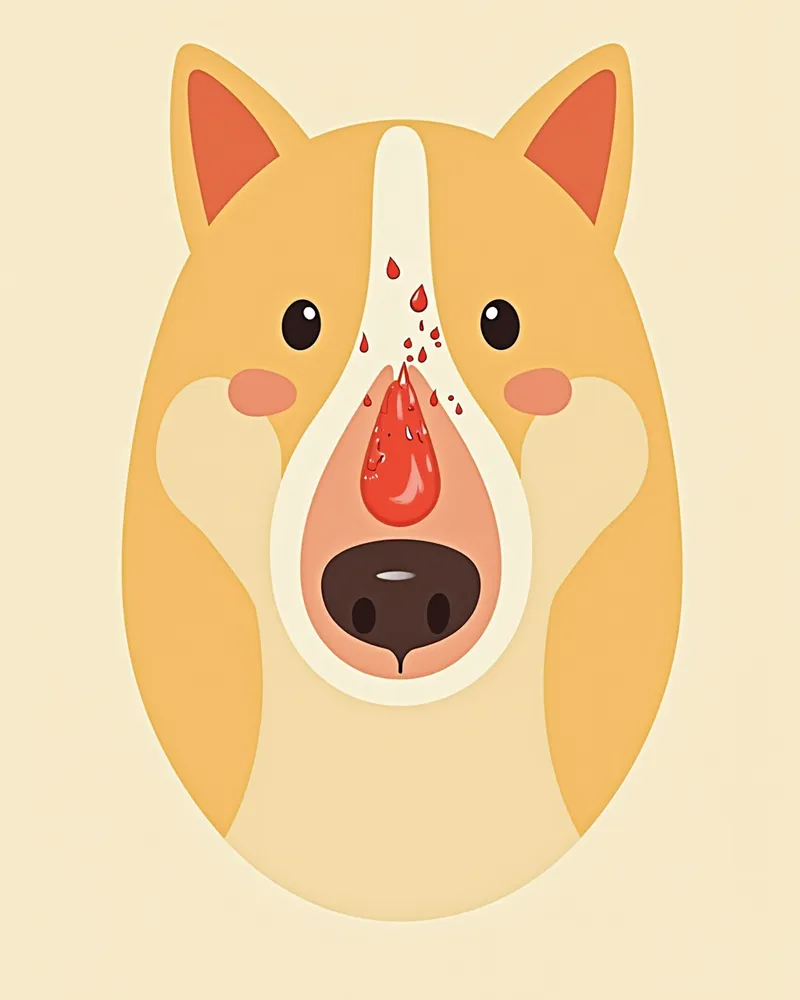
The most common cause of nosebleeds in dogs is trauma from scratching or bumping their nose. However, chronic nosebleeds can also be caused by rhinitis, sinusitis, blood clotting disorders, tumors, immune-mediated diseases, or nasal tumors. In particular, older dogs have a higher risk of tumors, so recurrent nosebleeds always require veterinary examination. - Trauma: Sudden impacts or scratches can cause nosebleeds, which typically occur after a single incident. - Infections: Bacterial, viral, or fungal infections can inflame the nasal mucosa, potentially leading to nosebleeds accompanied by odor or discharge. - Blood disorders: Abnormalities in blood clotting can cause bleeding to occur easily or fail to stop. Immediate veterinary attention is required.
Blood vessel structure inside a dog's nose

Immediate Actions When a Nosebleed Occurs: Owner Calmness and Emergency First Aid
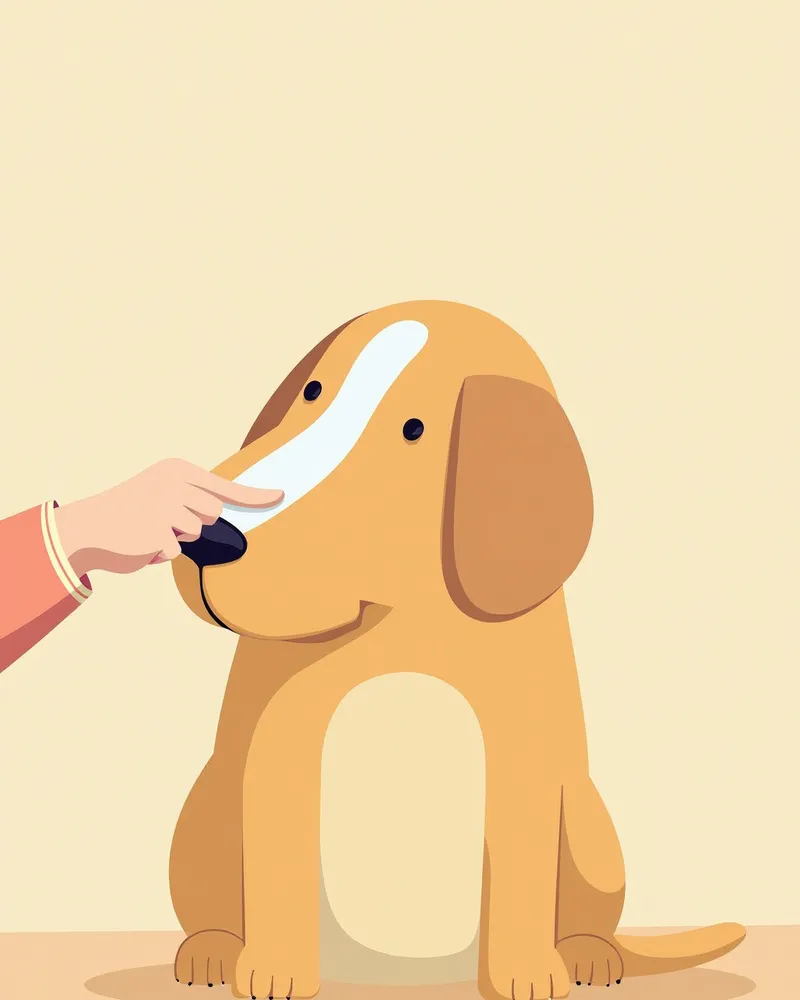
If your dog starts bleeding from the nose, calmly have them sit down and gently lower their head slightly to prevent blood from flowing down the throat. Applying a cold compress to the back of the nose may help reduce bleeding, though there is limited evidence supporting its effectiveness; using a cold, damp cloth is safer than an ice pack. Never touch or attempt to suck out the blood with your fingers. If the bleeding lasts more than 10 minutes, seek veterinary care immediately. Additionally, keep your dog in a quiet environment, as stress or movement can worsen the bleeding. Even after initial first aid, consult your veterinarian if symptoms persist.
A pet owner applying an ice pack to the back of their dog’s nose.

If a Nosebleed Lasts More Than 10 Minutes or Recurs, Immediate Veterinary Visit Is Required

If your pet’s nosebleed lasts longer than 10 minutes or recurs multiple times in a day, it may indicate a blood clotting disorder or a serious underlying condition. This is especially urgent if accompanied by coughing, difficulty breathing, lethargy, or loss of appetite—these could be signs of an emergency, so please consult your veterinarian immediately.

To Diagnose Nosebleeds, Veterinarians Perform Blood Tests, Nasal Endoscopy, and Imaging
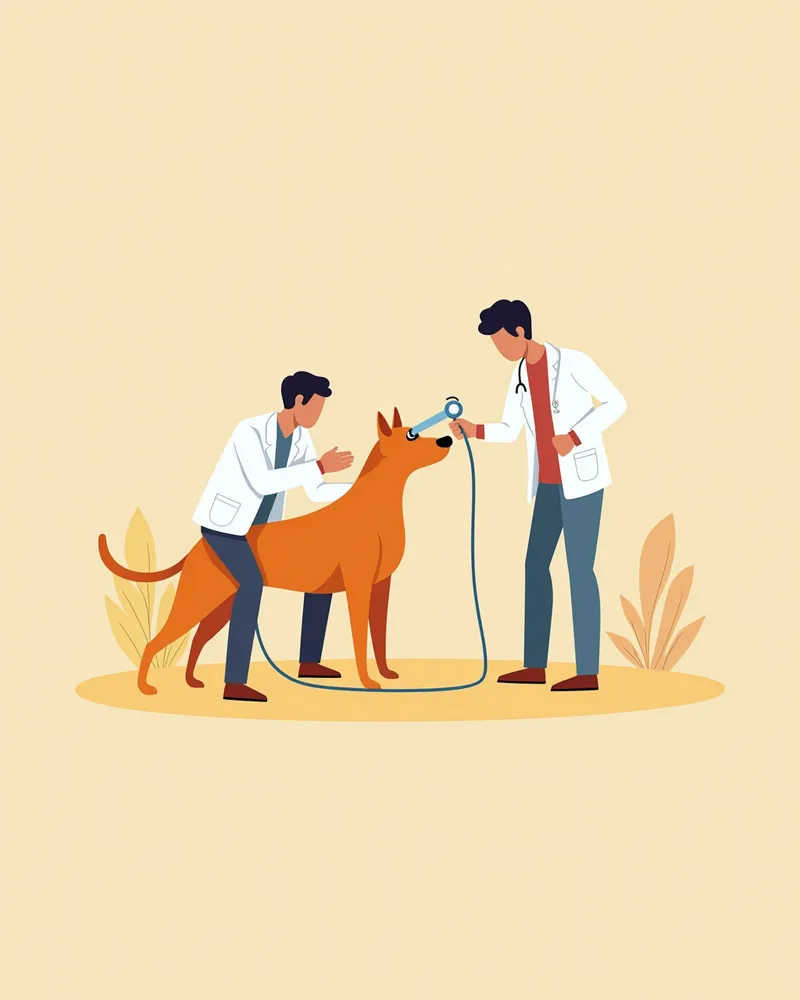
To identify the cause of nosebleeds, veterinarians check coagulation function through blood tests and directly examine the nasal cavity using nasal endoscopy to assess for injuries or tumors. If necessary, X-rays or CT scans are performed to detect abnormalities in bones or tissues. Multiple tests may be conducted in parallel to ensure an accurate diagnosis. - Blood tests: Essential for identifying coagulation disorders or blood diseases. - Nasal endoscopy: Allows direct visualization of the nasal structure to detect bleeding sites or abnormal tissues. - Imaging studies: Used to evaluate lesions in bones or deep tissues, assessing for tumors or the spread of inflammation. The treatment plan is determined based on the diagnostic results.
A veterinarian performing a nasal endoscopy on a puppy

Treatment Methods Vary by Cause and Include Medication, Surgery, and Supportive Therapy

If the nosebleed is caused by an infection, antibiotics are administered; if it’s due to trauma, we focus on both protection and treatment. In cases of clotting disorders, blood products are used, and if a tumor is suspected, surgery or radiation therapy may be considered. Pet owners should carefully follow their veterinarian’s instructions regarding medication and care schedules. - Infection Treatment: Antibiotics or anti-inflammatory medications are used to reduce inflammation and eliminate pathogens. - Trauma Management: Once bleeding has stopped, it’s important to protect the nose and avoid any irritation. - Tumor Treatment: Surgery, radiation, and chemotherapy may be used in combination, with treatment goals varying depending on the condition. Regular follow-up care is necessary after treatment.
A veterinarian administering medication to a puppy

Comparison of Characteristics and Management by Cause of Nosebleeds

ItemCauseMain CharacteristicsResponse Method
TraumaScratching or bumping the noseSudden bleeding, may occur only onceCold compress, observation, veterinary care if a hospital visit is needed
InfectionRhinitis, sinusitis, chronic symptomsBlood is sticky or smells, with recurrent bleedingAntibiotic treatment, nasal rinsing, veterinary prescription
Blood disorderAccompanied by bleeding in other areasBlood does not stop easily, frequent skin bruisingCoagulation testing, blood products, specialized treatment needed
TumorCommon in older dogs, gradual worseningBleeding from only one nostril, accompanied by odor and nasal congestionEndoscopy, imaging, surgery or radiation therapy

Hospital examination is essential to accurately identify the cause.

Senior Dogs and Certain Breeds May Be More Susceptible to Nosebleeds

Senior dogs are at higher risk of developing nasal tumors, which can lead to nosebleeds. Nosebleeds caused by tumors typically start gradually from one nostril and are often accompanied by a foul odor or nasal congestion. Additionally, certain breeds may have a higher tendency to bleed due to genetic clotting disorders such as von Willebrand disease (vWD) or platelet dysfunction. In these cases, even minor irritation can cause bleeding that is difficult to stop, making regular check-ups and preventive care essential.

Reviewed by a veterinarian

Dr. Tony — Punnawat Phongkittirak

Dr. Tony — Punnawat Phongkittirak

Veterinarian

A veterinarian who majored in veterinary medicine at Khon Kaen University, Thailand, and completed the IVSA program at North Carolina State University in the United States. Drawing on clinical experience at animal hospitals, he works in the pet healthcare field and is dedicated to building a digital care environment that connects pet parents with veterinarians.

Frequently Asked Questions

Is it okay if my pet only has one episode of a nosebleed?
Even a single episode of nosebleed can signal a serious underlying issue, so it’s important to closely monitor the progression of symptoms and note whether it recurs. If the nosebleeds are recurrent or persistent, a visit to the veterinary clinic is necessary.
Is it okay to just apply a cold compress at home?
For minor injuries, cold compresses may help, though there isn't strong evidence to confirm their effectiveness. If bleeding doesn't stop after 10 minutes or keeps recurring, you should visit a vet right away. Using a cold, damp towel is safer than an ice pack.
Can nosebleeds lead to sudden death?
Nosebleeds can be life-threatening if they involve heavy bleeding or are accompanied by a clotting disorder, as they can lead to hypovolemia and severe anemia. If your pet shows signs of fatigue, difficulty breathing, or loss of appetite, seek veterinary care immediately.
Which breeds are more prone to nosebleeds?
Breeds with hereditary clotting disorders, such as von Willebrand disease (vWD), have a higher tendency to bleed and may be more prone to nosebleeds. However, the cause of nosebleeds depends more on underlying conditions—such as trauma, infection, tumors, or clotting disorders—than on breed alone. Therefore, recurrent nosebleeds require veterinary examination regardless of the pet’s breed.
Can nosebleeds be prevented?
Keep your pet’s environment tidy to prevent them from scratching or bumping their nose, and minimize factors that could irritate it. Regular check-ups can help detect conditions like tumors or clotting disorders early on. Breeds prone to hereditary clotting disorders may require additional preventive care.

Share

Related Guides

References

[1] Plumb's Veterinary Drug Handbook, 9th Edition, 2022

[2] Small Animal Critical Care Medicine, 3rd Edition, 2020

[3] Textbook of Respiratory Disease in Dogs and Cats, 2019

This information is based on veterinary literature and does not replace diagnosis or treatment. Please consult a veterinarian for specific health concerns.

Metapet Co., Ltd. | CEO: Park Sung-yong | Business Reg. No. 417-88-02562 | Seoul, South Korea | Customer Center

Dog Nosebleeds (Epistaxis): Causes, First Aid & When to See a Vet | Meongsiljang