

Is My Cat Losing Its Vision? — Symptoms and Diagnosis of Age-Related Retinal Degeneration Q&A
Age-related retinal changes in cats can lead to vision loss. Early detection and proper management are key.
What Are Feline Retinal Degeneration and Age-Related Retinal Changes?
What Are the Main Causes of This Condition?
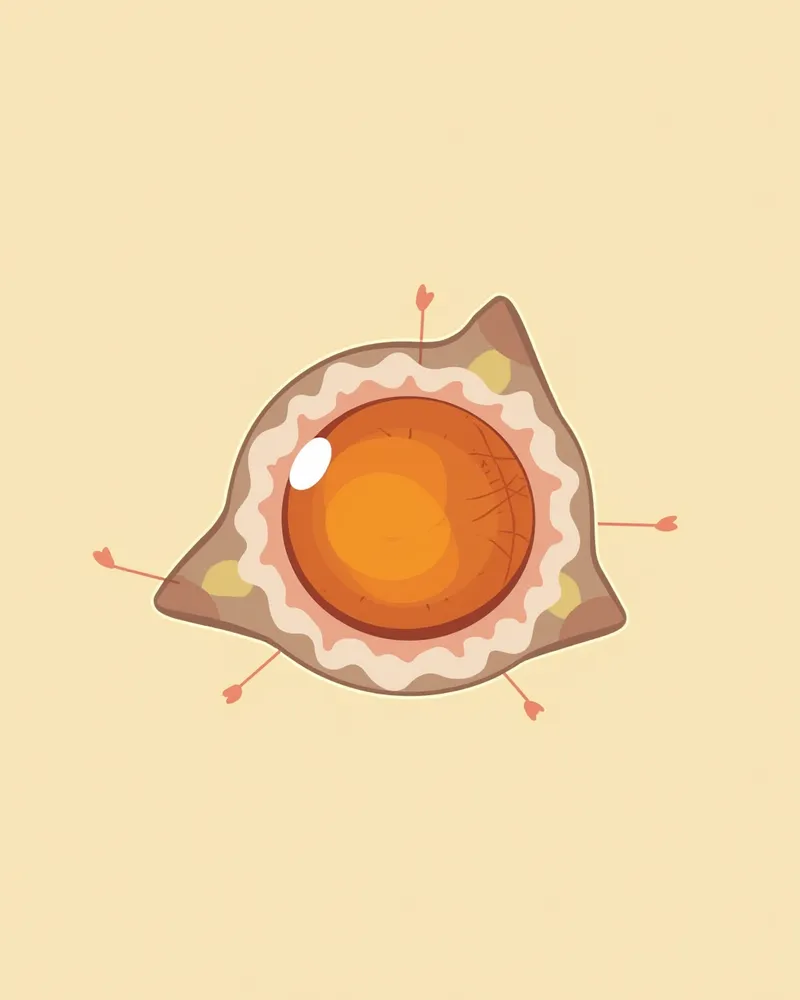
What Symptoms Appear?
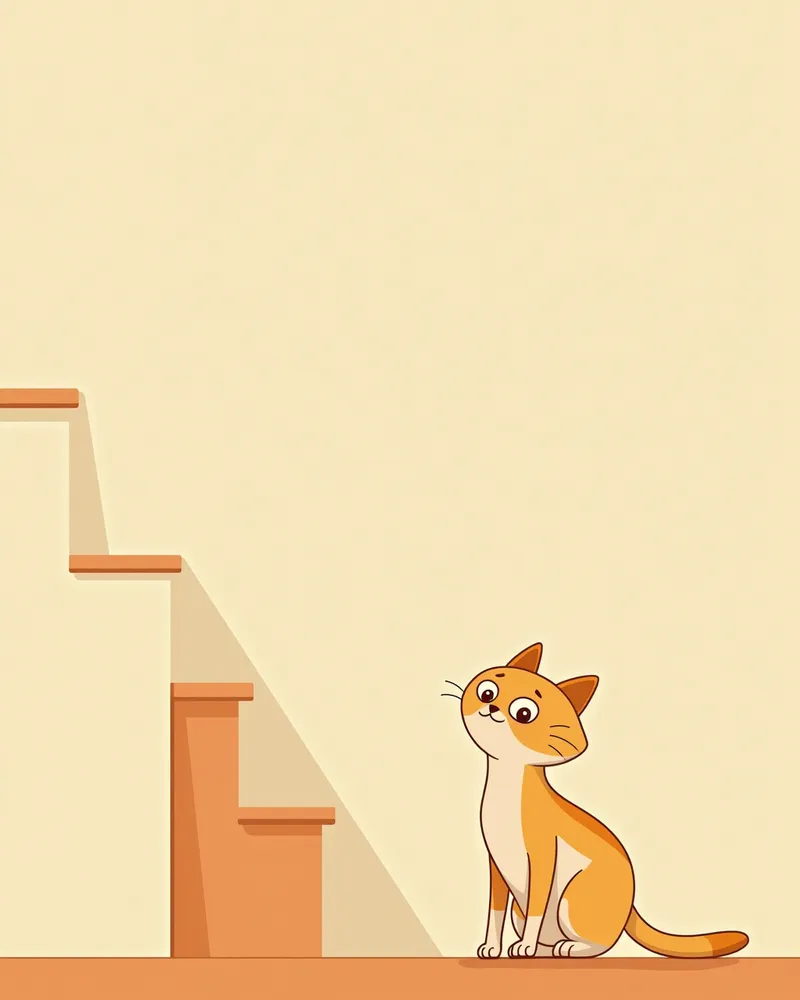
Signs Requiring Immediate Veterinary Visit
If your cat suddenly starts bumping into things in dim light, shows a marked decrease in looking out the window, or appears to lose its vision abruptly, you should visit a veterinarian immediately. Acute vision loss can be a sign of conditions other than retinal degeneration, such as cataracts, glaucoma, retinal detachment, neurological disorders like brain tumors, or systemic diseases. In particular, retinal detachment caused by hypertension (often associated with kidney disease) is a common cause of acute blindness in cats. Even if only one eye is affected, prompt diagnosis is essential. Early diagnosis allows for the exclusion of other diseases, and in cases with an identifiable cause like retinal detachment, the retina may reattach and vision may be restored, so it is crucial to begin treatment without delay.
How Is It Diagnosed?

What Are the Treatment and Management Methods?

Comparison of Stage-Specific Characteristics of Vision Decline in Senior Cats
| Item | Mild | Moderate | Severe |
|---|---|---|---|
| Reaction speed | Slightly slow | Noticeably slow | Very slow |
| Object recognition | Recognizes only distant objects | Recognizes only nearby objects | Cannot recognize objects |
| Environmental adaptation | Adapts to some changes | Frequently bumps into things | Does not move |
| Quality of life | Can maintain daily life | Somewhat difficult | Needs care |
Each stage is classified by the degree of vision loss. Because retinal degeneration is progressive, a complete cure is difficult, but early management and treatment of concurrent conditions can slow its progression.
Caution: Beware of Confusion With Other Diseases
A decline in your cat’s vision can stem from various causes beyond retinal degeneration, including cataracts, glaucoma, retinal detachment, and neurological disorders. Since hereditary retinal atrophy typically affects both eyes simultaneously, an issue confined to one eye suggests a different condition, making prompt diagnosis essential. Retinal degeneration is not merely a result of aging; it can involve genetic, nutritional, pharmacological, or systemic disease factors, so specialized ophthalmic examination is necessary for accurate differential diagnosis. Your careful observation as a pet owner is crucial.
Reviewed by a veterinarian

Dr. Tony — Punnawat Phongkittirak
VeterinarianA veterinarian who majored in veterinary medicine at Khon Kaen University, Thailand, and completed the IVSA program at North Carolina State University in the United States. Drawing on clinical experience at animal hospitals, he works in the pet healthcare field and is dedicated to building a digital care environment that connects pet parents with veterinarians.
Reviewed 2026-06-03
Frequently Asked Questions
Can feline retinal degeneration be treated?
Why is regular eye examination important for senior cats?
Does retinal damage mean my cat can’t go outside?
When should I start giving my pet antioxidants?
Can retinal changes be transmitted to other cats?
Share
Related Guides
Top 5 Dog Tear Supplements Recommended for 2026

What is Lutein? Effects on Dog Eye Health

The Best Canine Uveitis Management Products and Selection Criteria: A Comprehensive Guide

What is Canine Osteosarcoma? — Early Signs and Key Information for Pet Owners

Canine Oral Malignant Melanoma: Frequently Asked Questions — Key Information Every Pet Owner Should Know

Dog Nosebleeds and Sneezing: Signs of Nasal Tumors? — Key Q&A on Symptoms, Diagnosis, and Treatment
What Is Canine Multiple Myeloma? — A Summary of Key Symptoms, Diagnosis, and Treatment
What Are Canine Mast Cell Tumors? — Key Facts on Symptoms, Diagnosis, and Treatment
Canine Lymphoma FAQ — Key Information Every Pet Owner Should Know
What is Canine Fibrosarcoma? — Key Summary from Symptoms to Treatment and Recurrence
References
[1] Ettinger SJ, Feldman EC, Côté E. Textbook of veterinary internal medicine: diseases of the dog and the cat. 8th ed. St. Louis, MO: Elsevier; 2017.
[2] Gelatt KN, MacKay EO. Distribution of intraocular pressure in dogs. Vet Ophthalmol 1998;1(2–3):109–14.
[3] Tilley LP, Smith FWK, Tilley LP. Blackwell’s five-minute veterinary consult: canine and feline. 4th ed. Ames, IA: Blackwell; 2007.