Like
Share
멍실장
고양이 동공 이상(이방동공 등) 자주 묻는 질문 Q&A — 보호자가 꼭 알아야 할 핵심

If Your Cat’s Pupils Are Different Sizes — Causes and Emergency Response for Anisocoria Q&A

Eye HealthQ&AMeongsiljang Veterinary Advisory Board

Anisocoria, a condition where a cat's pupils differ in size or shape, can be caused by infections, trauma, or neurological disorders. Here are the key points pet owners should know.

What Are Abnormalities in a Cat’s Pupils (Such as Anisocoria)?

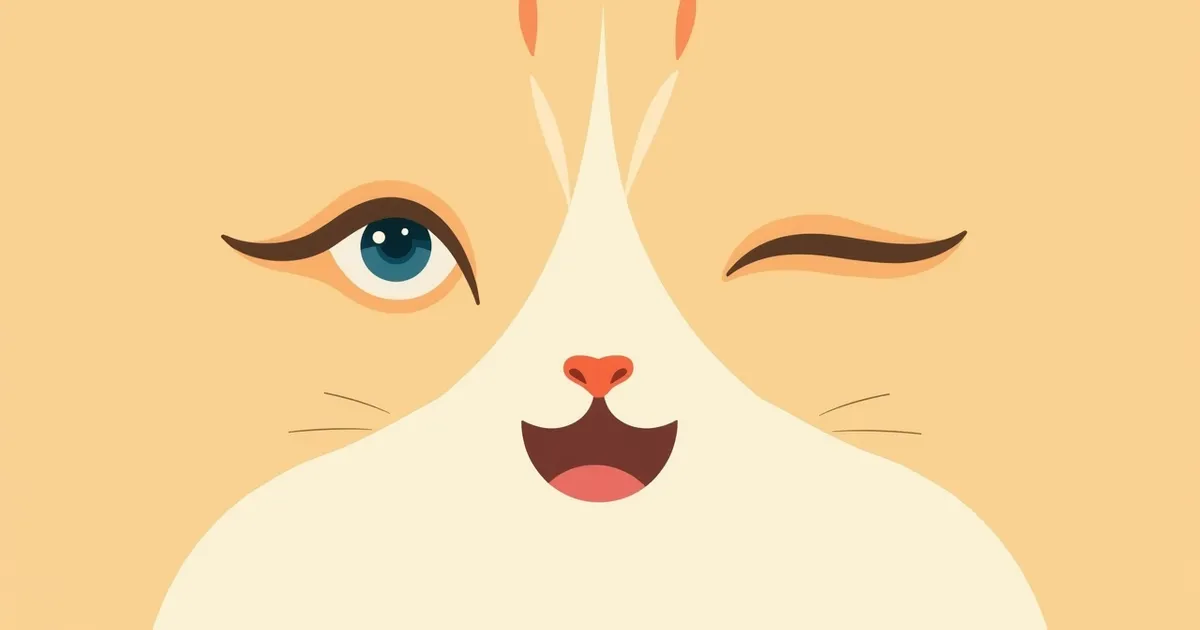
A cat’s eyes with asymmetric pupils
An abnormality in a cat’s pupils, known as anisocoria, refers to a condition where the pupils differ in size or reactivity. - Anisocoria: The pupils appear asymmetric in size or response and can develop suddenly. - Diverse causes: Potential causes include inflammation of the eye itself (anterior uveitis), trauma, intraocular tumors, glaucoma, systemic hypertension, and neurological disorders such as Horner’s syndrome. - Need for immediate observation: Changes in the pupils can signal issues not only with the eyes but also with the brain or nervous system, so owners should monitor their cats closely. - Urgency of diagnosis: A prompt veterinary visit is essential, especially if other symptoms are present. - Warning signs: Also check for accompanying signs such as excessive tearing, redness, vision loss, or disorientation in dim lighting.

What Are the Main Causes of Anisocoria?
- Infection and inflammation: Inflammation around the eye or anterior uveitis are common causes of pupillary abnormalities. Anterior uveitis is often associated with significant underlying conditions, so it should never be overlooked. - Trauma: Eye or head injuries can cause asymmetrical pupils. If a cat’s eye appears bulging, it is often accompanied by head trauma. - Neurological disorders: Horner’s syndrome, caused by damage to the sympathetic nerve pathway, can present with a constricted pupil, protrusion of the third eyelid, sunken eye, and drooping eyelid. - Intraocular tumors and glaucoma: Iris melanoma, the most common intraocular tumor in cats, and secondary glaucoma can also lead to pupillary abnormalities. - Systemic hypertension: High blood pressure is an important cause of pupillary abnormalities and retinal changes. A professional evaluation by a veterinarian is necessary to determine the exact cause.
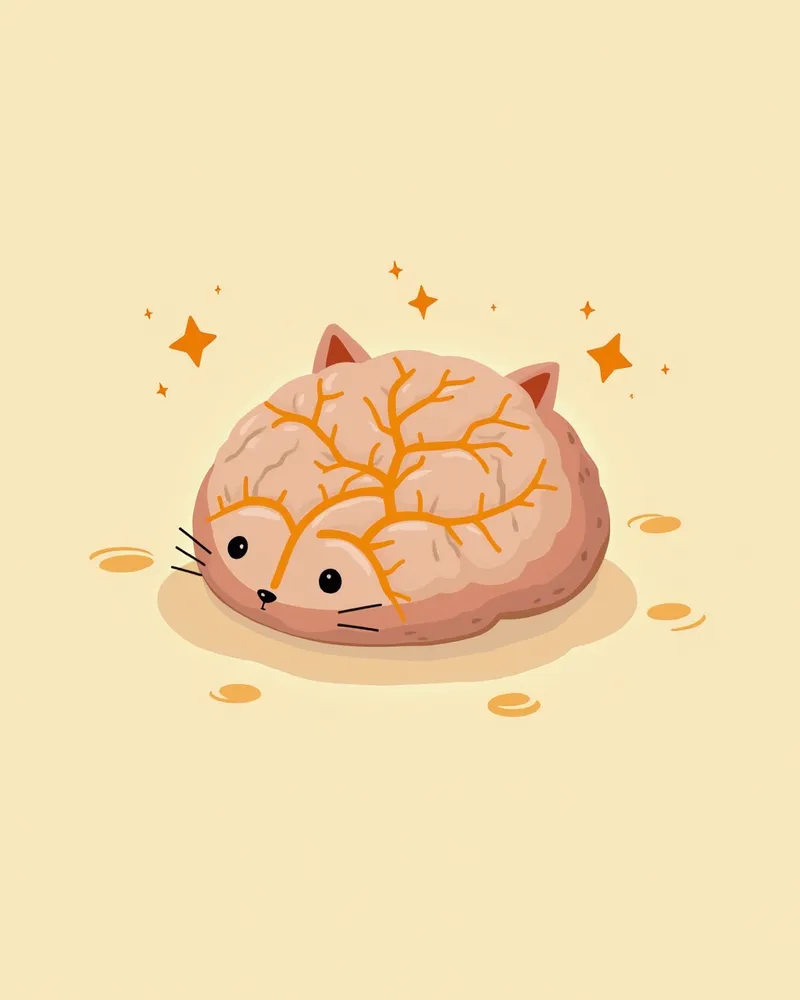
Diagram of the feline brain and optic nerve anatomy

What Are the Main Symptoms of Anisocoria?
Abnormalities in a cat’s pupils can extend beyond mere differences in size and may be accompanied by various symptoms. The eyes may become red (congested), with increased tearing or discharge, and the cat might frequently rub its eyes due to pain. If retinal detachment occurs due to systemic hypertension, sudden vision loss or blindness can result, so owners should not overlook behaviors such as stumbling in the dark. When pupil abnormalities stem from neurological issues, neurological symptoms like changes in consciousness or behavior may also appear. If these symptoms are present, immediate veterinary care is necessary.
A cat showing head tilt along with abnormal pupil dilation

Signs That Require Immediate Veterinary Care

If your cat’s pupils suddenly become asymmetrical and are accompanied by seizures, shock, decreased consciousness, or difficulty breathing, immediate veterinary care is essential. These symptoms may indicate a serious condition such as hypertensive encephalopathy caused by systemic hypertension or a central nervous system disorder. Acute vision loss may also occur. Delaying treatment can be life-threatening, so please consult a veterinarian as soon as possible.

What Tests Are Needed to Diagnose Anisocoria?
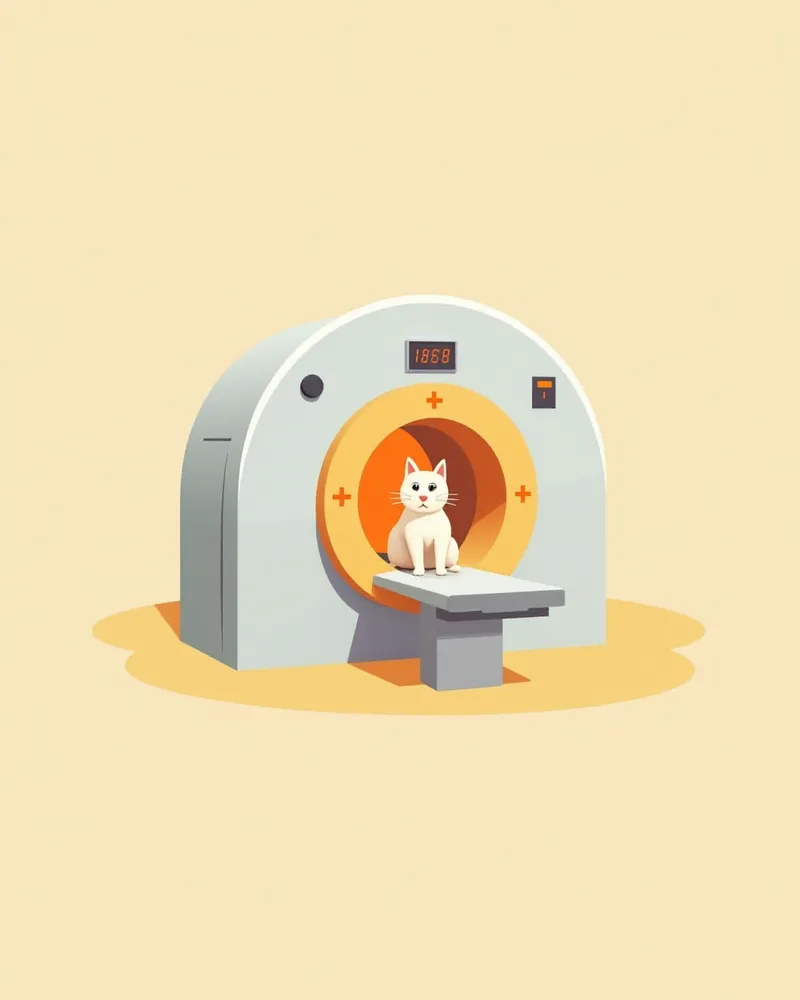
- Ophthalmic examination: A focused light source is used to carefully evaluate the structures of the eye, including the eyelids, conjunctiva, third eyelid, cornea, anterior chamber, iris, and lens. - Pupillary light reflex (PLR) testing: Direct and indirect (consensual) light reflexes are checked to assess for abnormalities in the neural pathways, and both eyes are observed together to ensure no subtle anisocoria is missed. - Intraocular pressure measurement: An applanation tonometer is used to measure intraocular pressure (normal range approximately 15–25 mmHg) to check for glaucoma or abnormalities in aqueous humor flow. - Imaging studies: B-mode ultrasound, MRI, or CT scans help identify intraocular lesions or brain abnormalities. - Blood tests and blood pressure measurement: These evaluate overall health status, check for infections, and assess for systemic hypertension. - Neurological assessment: A comprehensive evaluation of menace response, pupillary reflexes, and level of consciousness is performed. Multiple tests are conducted in parallel to ensure an accurate diagnosis.
A cat undergoing an MRI scan

What Are the Treatment Options?

- Treatment of Infection/Inflammation: If inflammation, such as anterior uveitis, is the cause, we treat it with anti-inflammatory medications alongside therapy for the underlying condition. - Glaucoma Management: If intraocular pressure is elevated, we lower it using topical carbonic anhydrase inhibitors (such as dorzolamide or brinzolamide) or miotics. Surgery may be necessary if the condition progresses. - Treatment of Intraocular Tumors: Surgical intervention, such as enucleation, is considered for tumors like iris melanoma or for eyes that have progressed to severe pain or blindness. - Management of Systemic Diseases: If systemic hypertension is the cause, we control blood pressure to protect the retina and the eye. - Long-Term Care: In some cases, pupillary abnormalities may persist, so regular re-examinations and monitoring are essential. Work with your veterinarian to establish a customized treatment plan tailored to the specific cause.
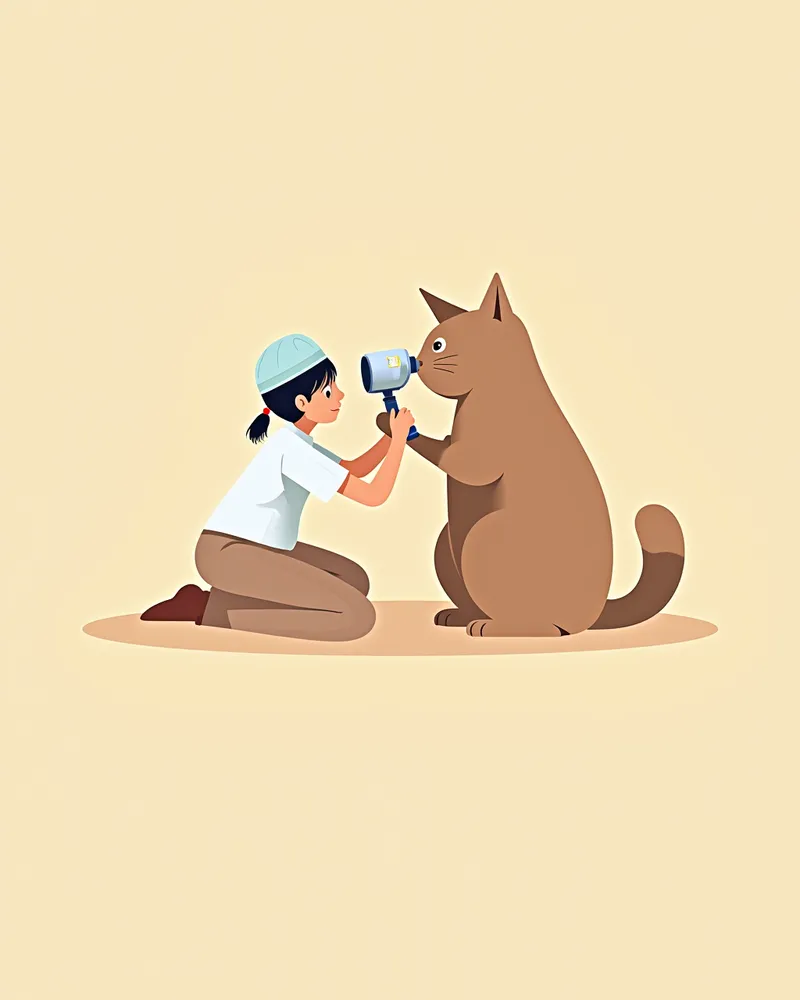
A veterinarian examining a cat's eyes.

How to Manage at Home?

- Environmental adjustments: Keep your pet away from bright lights and allow them to rest in a dark, quiet space. - Activity restriction: Minimize daily activities to reduce stress. - Food and water management: Ensure food and water are easily accessible and provide them on a regular schedule. - Medication management: Administer medications exactly as prescribed by your veterinarian, adhering strictly to the specified times and dosages. - Observation and record-keeping: Keep a daily log of any changes in pupil size, behavior, and appetite. - Follow-up preparation: Attend regular veterinary check-ups and share test results with your veterinarian.
A cat resting comfortably in a dark room

Comparison of Symptoms and Responses by Cause of Anisocoria

ItemMain symptomsHow to respondEmergency status
Infection or anterior uveitisEye redness, discharge, painAnti-inflammatory medication and treatment of the underlying diseaseYes
Intraocular tumor or glaucomaPupil asymmetry, redness, elevated intraocular pressure, decreased visionIntraocular pressure measurement, medication or surgeryYes
Systemic hypertension or neurological abnormalityRetinal detachment, acute blindness, pupil asymmetryBlood pressure control, neurological examinationYes

Emergency status depends on the cause and the severity of symptoms. Seizures, decreased consciousness, or sudden vision loss require an immediate visit to the clinic.

Caution: Do Not Neglect Daily Observation

Pupil abnormalities in cats can be subtle in the early stages. If owners do not observe their pets regularly, the condition may worsen. This is especially true for older cats or those with underlying health issues, who require extra attention. Keep a record of your cat’s daily eye condition and consult your veterinarian immediately if you notice any changes.

Reviewed by a veterinarian

Dr. Tony — Punnawat Phongkittirak

Dr. Tony — Punnawat Phongkittirak

Veterinarian

A veterinarian who majored in veterinary medicine at Khon Kaen University, Thailand, and completed the IVSA program at North Carolina State University in the United States. Drawing on clinical experience at animal hospitals, he works in the pet healthcare field and is dedicated to building a digital care environment that connects pet parents with veterinarians.

Frequently Asked Questions

One of my cat’s pupils is dilated. I’m worried.
If one pupil suddenly becomes larger or smaller, it could be due to a variety of causes, including anterior uveitis, trauma, glaucoma, intraocular tumors, systemic hypertension, or neurological disorders such as Horner’s syndrome. Even subtle differences are significant, so please consult your veterinarian immediately.
Can anisocoria be treated?
It depends on the underlying cause. Inflammation can be managed with anti-inflammatory medications, while glaucoma is treated with drugs that lower intraocular pressure or through surgery. However, some causes can be difficult to treat, so an accurate diagnosis is the most important first step.
Can anisocoria in cats be fatal?
The underlying condition causing the abnormal pupil is the real concern. If it's due to a serious cause like systemic hypertension or a central nervous system disorder, it can be life-threatening, so immediate veterinary care is essential.
Is anisocoria common in cats?
Anisocoria is less of a disease in itself and more of a sign that can appear in various eye and systemic conditions. While it's difficult to determine how common it is, any sudden changes in the pupils should always be evaluated by a veterinarian.
Can anisocoria be treated at home without a veterinarian?
No. To accurately identify the cause, professional testing and diagnosis are necessary. Self-diagnosis or treatment at home is strictly prohibited.

Share

Related Guides

References

[1] The Cat, Clinical Medicine and Management, 2nd Edition, 2019

[2] Feline Emergency and Critical Care Medicine, 2nd Ed, 2021

[3] Veterinary Ophthalmology, 5th Edition, 2020

This information is based on veterinary literature and does not replace diagnosis or treatment. Please consult a veterinarian for specific health concerns.

Metapet Co., Ltd. | CEO: Park Sung-yong | Business Reg. No. 417-88-02562 | Seoul, South Korea | Customer Center

Unequal Cat Pupils: Causes of Anisocoria & Emergency First Aid Q&A | Meongsiljang