Like
Share
멍실장
고양이 교배 시기와 발정기 완벽 가이드

When Does a Cat’s Heat Cycle Begin? — Key Points on Breeding Timing and Estrus Signs

ImmunityQ&AMeongsiljang Veterinary Advisory Board

Feline estrus typically begins between 4 and 12 months of age, with increased frequency during spring and autumn. We’ve outlined the optimal breeding window and management guidelines based on veterinary standards.

What Is a Cat’s Heat Cycle? When Does It Start?
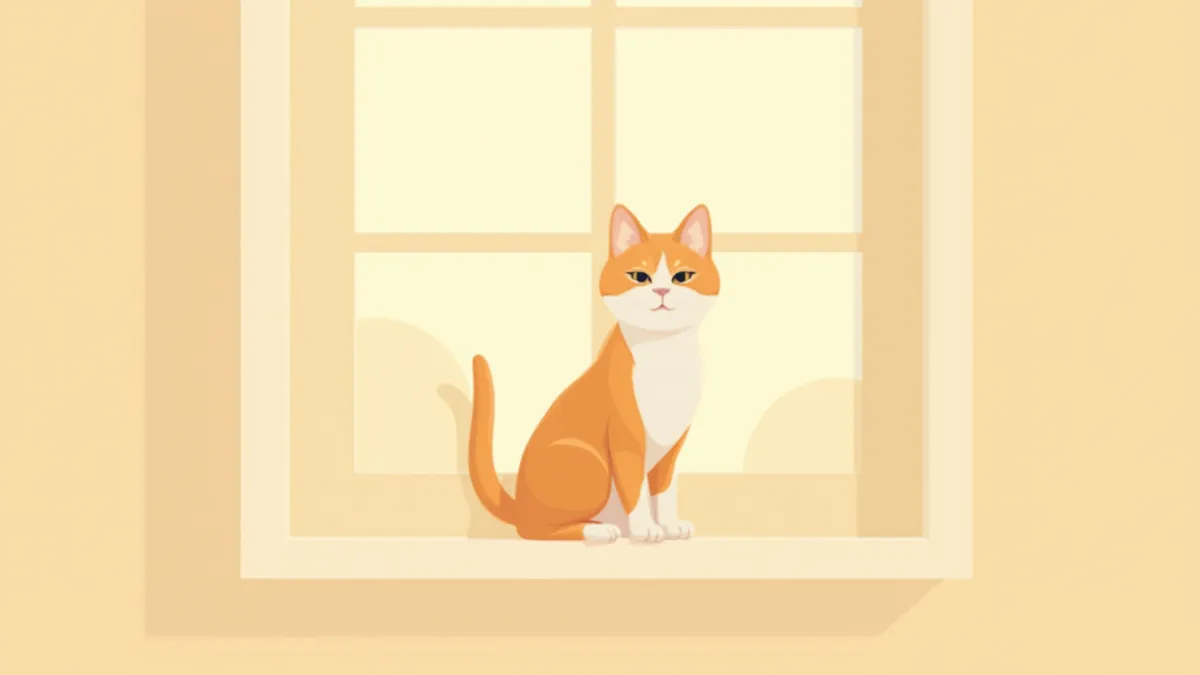
A cat sitting by the window
A cat’s heat cycle is the reproductive phase during which a female cat becomes fertile and exhibits characteristic behaviors and vocalizations driven by hormonal changes. The most important aspect is understanding when it starts and how often it occurs. According to veterinary textbooks, the first heat typically appears between 3.5 and 12 months of age, with most cats experiencing their first heat between 5 and 9 months. Cats are seasonal breeders, meaning their heat cycles become more frequent during the longer daylight hours of spring and summer. If you do not plan to breed your cat, deciding on spaying around the time of her first heat is the most practical approach.

Onset of Estrus and Differences by Breed

Cats are seasonal polyestrous animals. As daylight hours lengthen, the pituitary gland is stimulated, triggering the onset of estrus. Short-haired breeds such as Siamese and Oriental cats may experience their first estrus as early as 4 to 5 months of age, while long-haired and large breeds like Persians and Maine Coons may not reach sexual maturity until 10 to 12 months. In indoor environments where artificial lighting is kept on for extended periods, cats may cycle continuously throughout the year, regardless of the season.

Comparison of the Stages of the Feline Estrus Cycle

ItemProestrusEstrusDiestrusAnestrus
Duration1–2 days2–19 days (average about 6 days)8–10 daysSeveral weeks to several months (seasonal)
Main BehaviorBecomes affectionate, rubbingLoud crying, arching the backBehavior calms downResting phase
Mating PossibleNoYes (key period)NoNo
Hormone StateEstrogen risingEstrogen peakDecliningLow

Estrus duration is based on The Cat, Clinical Medicine and Management (2–19 days, average 5.8 days); Anestrus is a seasonal resting phase occurring during short daylight periods and can last several weeks to several months. Other stages are based on the Feldman & Nelson veterinary endocrinology textbook

Check for Common Signs of Estrus in Cats
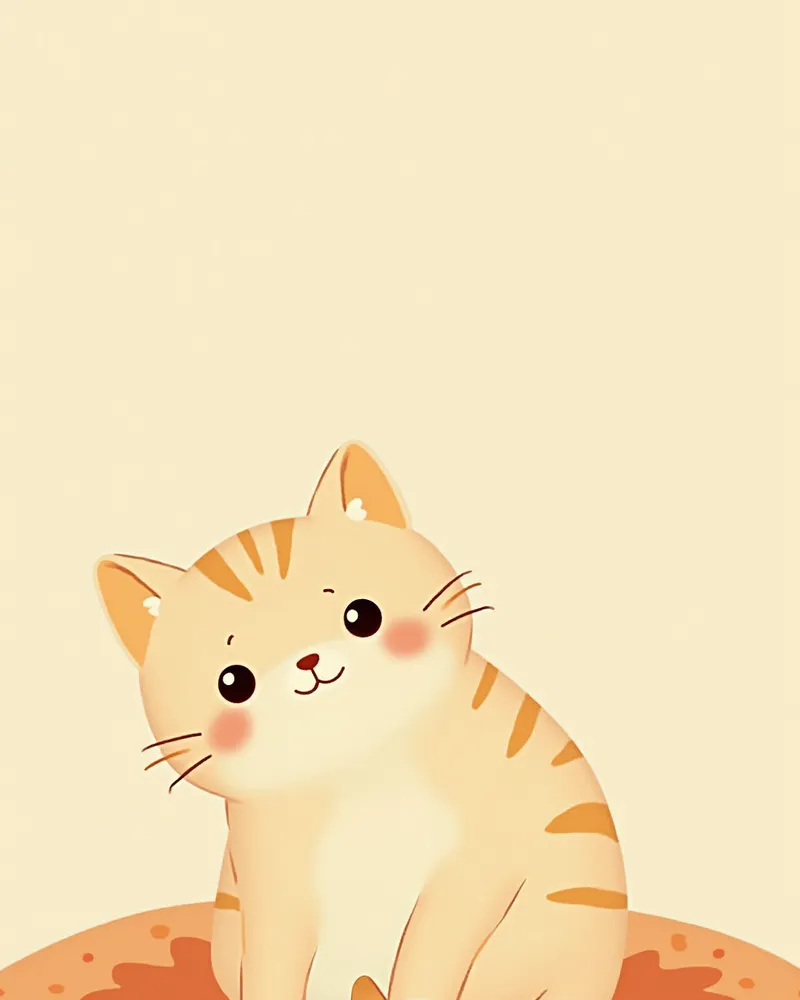
When a cat goes into heat, her behavior changes noticeably. Watch for these signs:
Loud vocalizations: She may cry out with long, mournful sounds day and night.
Rubbing: She repeatedly rubs against the floor, furniture, or your legs to mark her scent.
Lordosis posture: She raises her hindquarters and lowers her front legs in a mating stance.
Decreased appetite: Her appetite may noticeably drop during her heat cycle.
Escape attempts: She may try to get outside through windows or doors.
Frequent urination: She may urinate small amounts in multiple places as a form of territorial marking.
Typical posture of a cat in heat

Essential Checks Before Breeding

If you’re planning to breed, make sure both the male and female have undergone a comprehensive health checkup, blood tests, infectious disease screening (FIV and FeLV), and are up to date on vaccinations. Breeding during the first heat cycle is risky because the body isn’t fully mature, which can lead to dystocia (difficult birth) or low birth weight. Veterinarians generally recommend waiting until after 12 months of age, ideally during the second or third heat cycle. You should also screen for inbreeding risks and check whether either parent carries genetic disorders.

When Is the Optimal Time for Breeding?
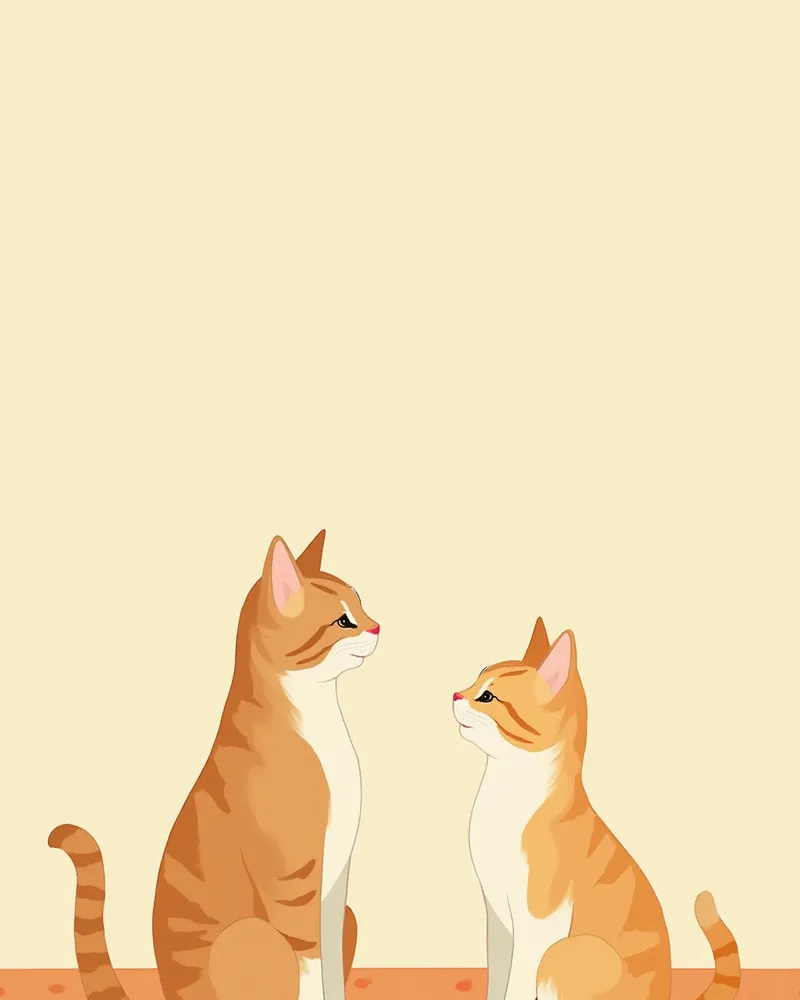
Cats are induced ovulators, meaning that ovulation is triggered by the stimulation of mating with a male. Therefore, it is important for mating to occur repeatedly at appropriate times during the estrus cycle. Mating typically takes place over multiple sessions, as a single copulation may result in incomplete ovulation, making repeated pairings common practice. The exact number of matings and timing can vary depending on the individual cat and breed, so it is essential to consult with your veterinarian in advance to plan and manage breeding properly.
Two cats in heat

No Breeding Plans? Recommended Timing for Spaying

If you have no plans for breeding, it is advisable to consider spaying your cat around the time of her first heat cycle. Repeated heat cycles can cause significant stress for both the owner and the cat, and unspayed females face a substantially higher risk of developing pyometra and mammary tumors. According to veterinary textbooks, cats spayed at a young age, prior to their first heat cycle, show a significant reduction in the risk of mammary tumors. The standard recommended age for the procedure is typically 5 to 6 months of age.

Care Points for Owners During Estrus

During heat, cats tend to become easily fatigued and more sensitive. Provide a quiet, dimly lit space and increase playtime beyond their usual routine to help channel their energy. Since escape attempts become more frequent, be sure to secure windows and balconies, and offer high-protein treats to compensate for decreased appetite. If the heat cycle lasts abnormally long or you notice bloody discharge, there may be a possibility of persistent estrus or ovarian cysts, so a veterinary visit is necessary.
A cat at rest

Reviewed by a veterinarian

Dr. Tony — Punnawat Phongkittirak

Dr. Tony — Punnawat Phongkittirak

Veterinarian

A veterinarian who majored in veterinary medicine at Khon Kaen University, Thailand, and completed the IVSA program at North Carolina State University in the United States. Drawing on clinical experience at animal hospitals, he works in the pet healthcare field and is dedicated to building a digital care environment that connects pet parents with veterinarians.

Frequently Asked Questions

Is it safe to breed a cat immediately after her first heat cycle?
No. During the first heat cycle, the body is not fully mature, which increases the risk of dystocia and low birth weight. We recommend breeding during the second or third heat cycle, after 12 months of age.
How often do heat cycles repeat?
If mating doesn’t occur, the cycle typically repeats every two to three weeks. In environments with prolonged indoor lighting, it can continue year-round, regardless of the season.
Do male cats go into heat?
Male cats do not have a fixed estrus cycle. Instead, sexual maturity begins at 5 to 9 months of age, with some males reaching full maturity between 9 and 12 months. They can respond at any time if a female in heat is nearby, which may lead to spraying behavior and increased aggression.
Is it safe to have my pet spayed or neutered while they’re in heat?
During heat, the blood vessels in the uterus and ovaries become engorged, increasing the risk of bleeding. For safety, it’s best to schedule surgery 1–2 weeks after the heat cycle ends. If it’s not an emergency, please coordinate the timing with your veterinarian.
Can medications help calm the symptoms of a dog’s heat cycle?
While hormonal medications can temporarily suppress symptoms, they are not recommended for long-term use due to the increased risk of pyometra and mammary tumors. The only definitive solution is spaying.

Share

Related Guides

References

[1] Little SE, The Cat: Clinical Medicine and Management, 2nd Edition, 2020

[2] Feldman EC, Nelson RW, Canine and Feline Endocrinology, 4th Edition, 2015

[3] Johnston SD et al., Canine and Feline Theriogenology, 2001

This information is based on veterinary literature and does not replace diagnosis or treatment. Please consult a veterinarian for specific health concerns.

Metapet Co., Ltd. | CEO: Park Sung-yong | Business Reg. No. 417-88-02562 | Seoul, South Korea | Customer Center

When Does a Cat’s Heat Cycle Begin? — Key Signs and Breeding Timing | Meongsiljang