Like
Share
멍실장
차량에 꼭 챙겨야 할 반려동물 응급 키트, 무엇을 준비해야 할까요?

Essential Pet Emergency Kit for Vehicle Travel: What Should You Prepare?

ImmunityQ&AMeongsiljang Veterinary Advisory Board

Our veterinary advisory team has compiled a list of essential emergency kit items and instructions for use to help you prepare for emergencies when traveling with your pet in a vehicle.

Why Is a Vehicle Emergency Kit Essential?

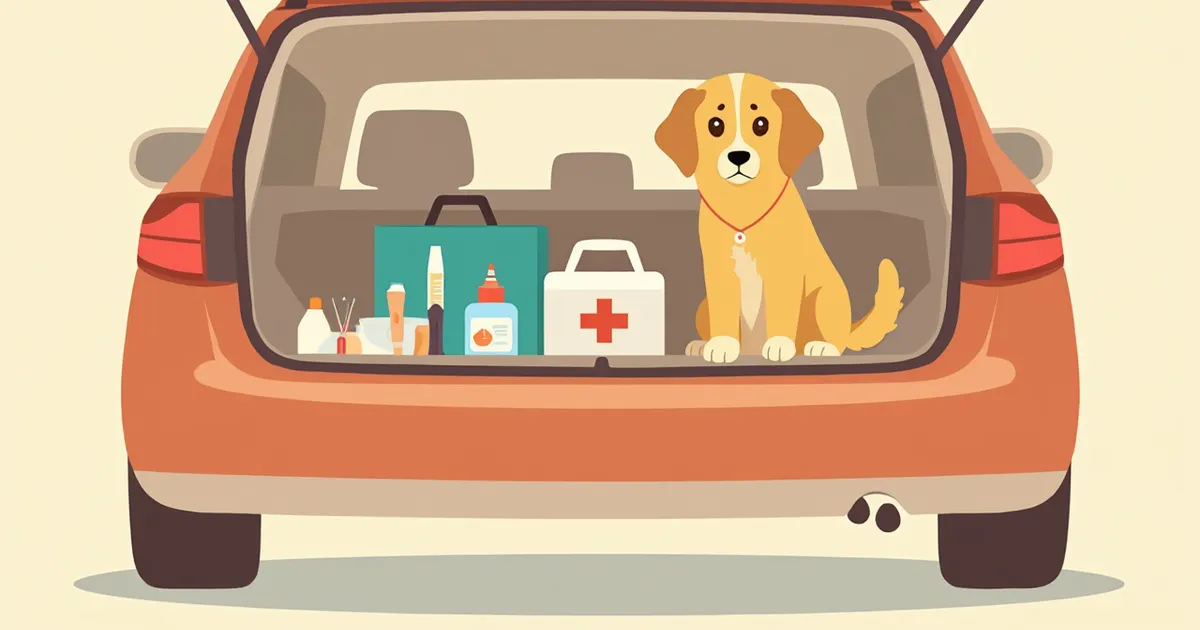
A pet owner preparing an emergency kit for their pet before traveling by car
A pet car emergency kit is a portable first-aid bag designed to help pet owners provide initial care during sudden emergencies such as bleeding, dehydration, motion sickness, or abnormal body temperature while traveling. The most critical aspect is “initial response before reaching the hospital.” In cases of bleeding or shock, promptly starting hemorrhage control immediately after injury significantly impacts the prognosis, so it’s best to keep the kit near the passenger seat rather than in the trunk. Store it in an easily accessible location for long trips, camping, or veterinary transport.

In Which Situations Is It Most Frequently Used?

The four most common emergencies during car travel are: - Motion sickness and vomiting: Pets may drool or vomit while in the vehicle. - Heatstroke: In summer, the temperature inside a closed car can rise rapidly to dangerous levels, even if the outside air is relatively cool. - Trauma and bleeding: Injuries such as torn paw pads or broken nails often occur during walks at rest stops. - Dehydration and hypoglycemia: These are especially concerning in small-breed dogs and kittens. By preparing a kit based on these four scenarios, you can handle most emergency situations.

At-a-Glance View of Essential Vehicle Emergency Kit Components

The table below is a checklist we’ve adapted for pet owners from the recommended home and vehicle emergency kit guidelines in the textbook of Veterinary Emergency and Critical Care. We recommend organizing your supplies into four main categories: hemorrhage control and wound care, temperature and hydration management, medication administration and record-keeping, and stabilization and transport.

Checklist of Essential Components by Category

ItemEssential ItemsPurpose
Hemostasis / WoundsSterile gauze, elastic bandage, self-adhesive bandagePaw lacerations, nail bleeding, compression hemostasis for trauma
Hemostasis / WoundsPhysiological saline (100ml), povidoneWound irrigation and disinfection
Temperature / HydrationNon-contact thermometer, cold pack, blanketHandles both heatstroke and hypothermia
Temperature / HydrationPortable water bottle, disposable feederPreventing dehydration, replenishing fluids
Medication / RecordsPrescription meds, dosing log, hospital contact numberEssential for pets with underlying conditions
Restraint / TransportElizabethan collar, muzzle, towelPreventing bites from agitation / self-defense

Reconstructed from Creedon & Davis, 2022 and the recommendations of a veterinary emergency and critical care textbook.

Hemorrhage Control and Wound Care Kit: How to Prepare
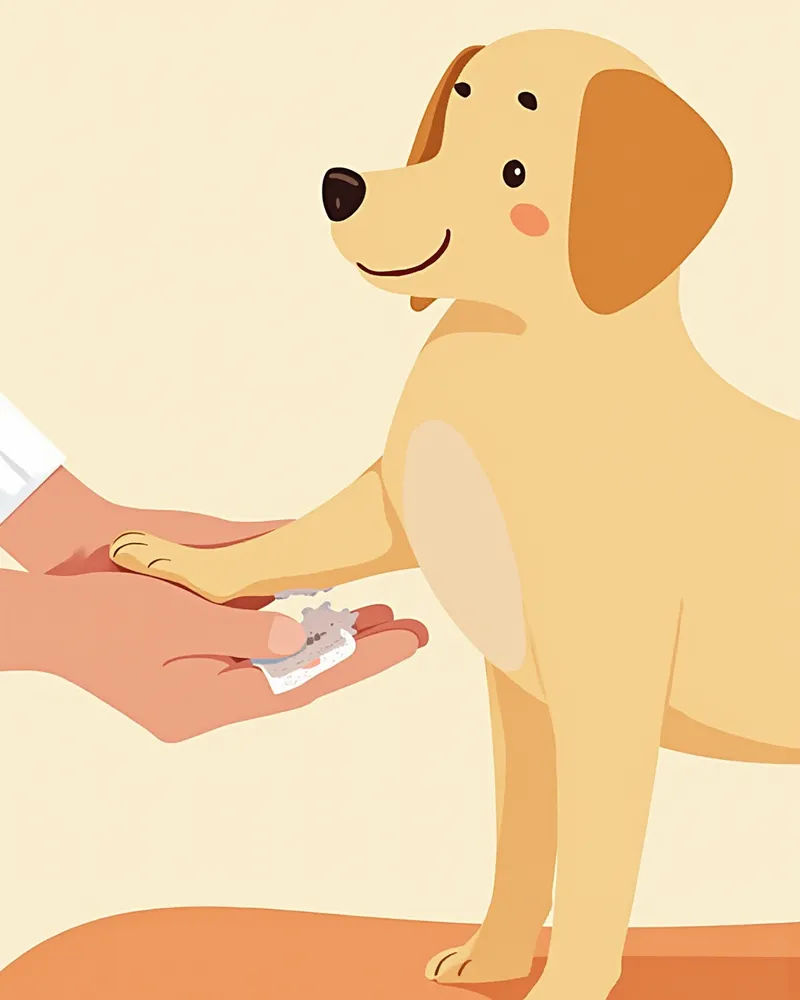
The most common emergencies during rest stop walks are torn paw pads and broken nails. - Sterile gauze: This is the primary dressing applied directly to the wound. - Elastic bandage (e.g., Coban): Avoid wrapping too tightly, as it can cut off blood flow; leave enough room to fit one finger underneath. - Self-adhesive bandage: Convenient because it stays in place without tape. - Hemostatic powder: Effective for bleeding from nails. However, deep wounds or bleeding that doesn’t stop after more than five minutes of pressure require emergency transport.
Treating a dog's paw with sterile gauze and self-adhesive bandage

Summer Vehicle Travel: Rules You Must Follow

Even when the outside temperature isn’t particularly high, the interior of a closed vehicle can heat up to dangerous levels in a very short time during summer. Leaving your pet alone in the car, even for a brief moment, can lead to fatal heatstroke. If you notice signs of heatstroke such as uncontrolled panting, excessive drooling, red gums, or lethargy, immediately begin cooling by wetting the surface of the body—especially the belly, armpits, and paw pads—with cool water, and transport your pet to a veterinary clinic as quickly as possible. When using cooling packs, always wrap them in a towel to avoid direct contact with the skin.

Medication and Record Documents: Why You Must Bring Them

To begin treatment as quickly as possible in the emergency room, you need to have your pet’s information ready. - List of current medications: Note the drug names, dosages, and administration schedules. - Records of underlying conditions: Such as heart disease, diabetes, or a history of seizures. - Copy of vaccination records: Including dates for rabies and combination vaccines. - Contact information for your regular veterinary clinic and copies of medical reports: Essential if your pet needs to be transferred to another clinic during nights or holidays. Since veterinarians determine medications based on your pet’s weight and condition, never administer human medications on your own.
A folder containing your pet’s medical records and the clinic’s contact information.

Restraint and Transport Tools: Why Are They Important?

Even the gentlest pet may bite its owner when in severe pain. This is a defensive instinct, not a behavioral issue. - Muzzle or bandage: Prevents biting. Never use if the pet is having difficulty breathing. - Elizabethan collar: Prevents the pet from licking and worsening the wound. - Large towel or blanket: Wrapping cats or small dogs in a towel or blanket for transport can help reduce stress. - Sturdy carrier: Protects against secondary injuries during sudden stops in the vehicle. Always secure it with a seatbelt.

Go Directly to the Hospital If You See These Symptoms

The scope of self-treatment with an emergency kit is limited. In the following situations, immediate transport to a veterinary clinic takes priority over any kit-based first aid: bleeding that does not stop within 5 minutes, decreased consciousness or inability to stand, difficulty breathing or cyanosis (blue gums), repeated vomiting, bloody stools, or blood in the urine, suspected hyperthermia or hypothermia, and persistent or recurrent seizures. If it is nighttime, it is advisable to save the contact information for a 24-hour animal emergency center in advance, in case your regular clinic is closed.

Reviewed by a veterinarian

Dr. Tony — Punnawat Phongkittirak

Dr. Tony — Punnawat Phongkittirak

Veterinarian

A veterinarian who majored in veterinary medicine at Khon Kaen University, Thailand, and completed the IVSA program at North Carolina State University in the United States. Drawing on clinical experience at animal hospitals, he works in the pet healthcare field and is dedicated to building a digital care environment that connects pet parents with veterinarians.

Frequently Asked Questions

Can I use human first-aid medications on my pet?
Most human medications are dangerous for pets. Because dogs and cats have different body weights and metabolic processes, even small amounts can cause severe toxic reactions. In particular, common pain relievers like acetaminophen (Tylenol) and ibuprofen can cause serious toxic damage to multiple organs in both cats and dogs. Hydrogen peroxide for disinfection is also not recommended unless specifically used to induce vomiting under veterinary guidance. Never administer any human medication to your pet without explicit instructions from a veterinarian.
How often should you check your emergency kit?
We recommend a full check-up every three months. Please check the expiration dates of sterile gauze and bandages, whether saline and povidone-iodine have discolored after opening, and the expiration dates of prescription medications. Before summer and winter, also inspect temperature-regulating items such as cooling packs and blankets.
Do I need to prepare separate kits for cats and dogs?
While the basic kit can be shared, cats absolutely need a large towel for stress relief and a carrier with a removable top. Additionally, since cats are more sensitive to human medications, we strongly recommend keeping a separate list of drugs that should never be given to them.
Can I give my pet motion sickness medication in advance?
If your pet frequently experiences motion sickness or anxiety, it’s safest to consult your veterinarian for a prescription before travel. Over-the-counter human motion sickness medications can pose serious side effects for pets due to differences in body weight and metabolism. Your vet will determine the appropriate dosage based on your pet’s weight and overall health.
Is it okay to store the kit in the trunk?
In summer and winter, the extreme temperature fluctuations in a car trunk can compromise medication quality. We recommend storing it in climate-controlled areas like the glove compartment or rear seat storage. Keeping it easily accessible ensures you can administer it promptly, which is crucial for effective initial treatment.

Share

Related Guides

References

[1] Creedon JMB, Davis H. Advanced Monitoring and Procedures for Small Animal Emergency and Critical Care, 2nd Edition, Wiley-Blackwell, 2022

[2] Drobatz KJ, Hopper K, Rozanski E, Silverstein DC. Textbook of Small Animal Emergency Medicine, Wiley-Blackwell, 2019

[3] Norsworthy GD. Feline Emergency and Critical Care Medicine, 2nd Edition, Wiley-Blackwell, 2020

This information is based on veterinary literature and does not replace diagnosis or treatment. Please consult a veterinarian for specific health concerns.

Metapet Co., Ltd. | CEO: Park Sung-yong | Business Reg. No. 417-88-02562 | Seoul, South Korea | Customer Center

Pet Emergency Kit for Car Travel: What to Pack | Meongsiljang