Like
Share
멍실장
노견 다중 약물 복용 관리 완벽 가이드

The Complete Guide to Managing Multiple Medications in Senior Dogs

ImmunityQ&AMeongsiljang Veterinary Advisory Board

We’ve put together safe medication management tips and important interaction precautions for senior dogs taking joint, heart, and kidney medications simultaneously. We’ll also share key checkpoints for pet owners to monitor at home.

What Is Managing Multiple Medications in Senior Dogs?
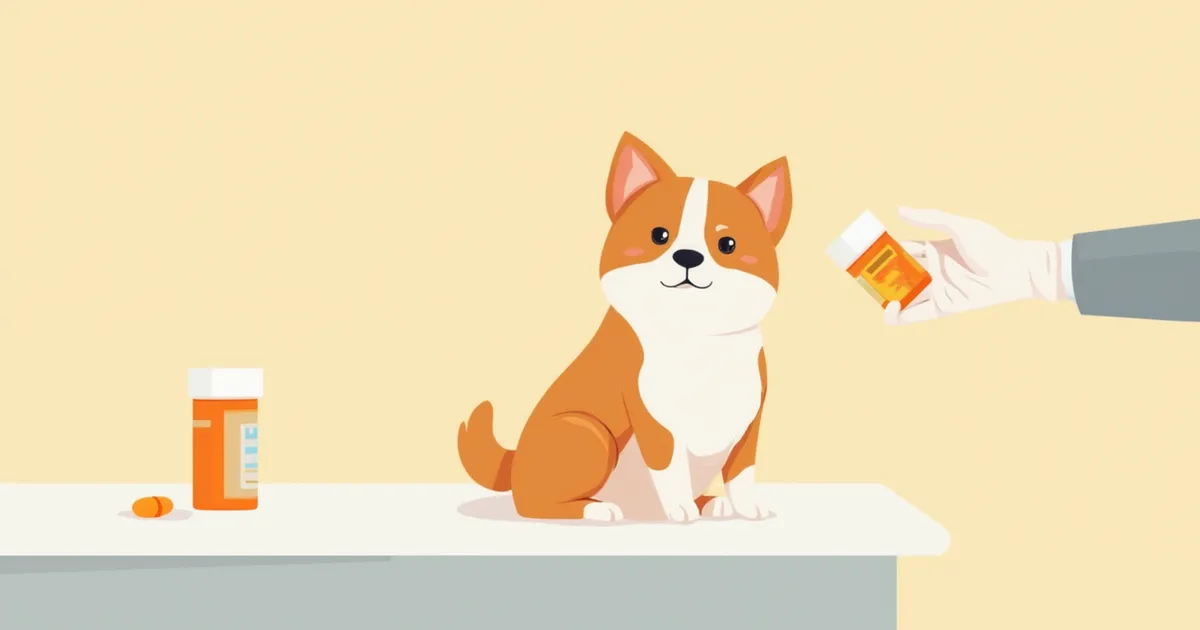
The serene image of an elderly dog resting beside its medicine box
Managing multiple medications in senior dogs involves caregivers systematically overseeing the dosing schedule, potential drug interactions, and side effects when their older dog takes two or more medications simultaneously. The most critical aspect is the order in which medications are administered and the time intervals between doses. Senior dogs taking joint, heart, and kidney medications together may experience unexpected side effects due to drug interactions, so it is essential to strictly follow your veterinarian’s instructions regarding dosing times and whether to administer the medications before or after meals.

Why Do Senior Dogs Often Take Multiple Medications?

As dogs age, they often develop multiple chronic conditions simultaneously, such as arthritis, heart disease, kidney disease, and cognitive dysfunction. It is actually rare for an older dog to have only one health issue. Veterinary studies highlight that multiple morbidities—where several diseases occur at once—are commonly observed in senior dogs, meaning the likelihood of complex health problems increases with age. Consequently, older dogs are frequently prescribed multiple medications at the same time, including joint supplements, heart medications, diuretics, and gastrointestinal drugs, making medication management increasingly challenging.

Commonly Prescribed Medication Combinations and Precautions

I’ve compiled common medication combinations for senior dogs. Each combination has different timing intervals and rules regarding before or after meals. Use the table below to get a sense of how to schedule your pet’s medications.

Precautions for Key Medication Combinations

ItemCautionsDosing timing
Joint medication + gastrointestinal medicationNSAIDs irritate the gastric mucosaDuring or immediately after a meal
Heart medication + diureticPossible fluctuations in blood pressure & electrolytesFixed time in the morning
Kidney medication + blood pressure medicationRisk of dehydration & low blood pressureBefore breakfast
Supplements + prescription medicationEffects are often unproven and can interact with prescription drugsSpace apart from prescription drugs and consult your veterinarian

Always follow your attending veterinarian's prescription for actual dosage and timing

Drug Interactions: What You Must Know
- Hepatic metabolic competition: When medications that inhibit hepatic microsomal enzymes—such as phenylbutazone, ketoconazole, or cimetidine—are used concurrently, the blood levels of other drugs metabolized by the same enzymes may rise to abnormally high concentrations. - Renal excretion burden: Medications like ACE inhibitors can reduce the glomerular filtration rate and worsen kidney function. Therefore, if these are combined with drugs that are excreted by the kidneys, closer monitoring is essential. - Caution with anti-inflammatory combinations: Using non-steroidal anti-inflammatory drugs (NSAIDs) alongside other NSAIDs or steroids significantly increases the risk of toxicity, such as gastrointestinal ulcers and bleeding. Senior dogs are particularly vulnerable to these adverse effects. - Supplement interactions: Nutritional supplements are not legally classified as pharmaceuticals, so their efficacy is often unverified, and they may interact with prescription medications. For the safest approach, always provide your veterinarian with a complete list of all medications and supplements your pet is taking.
A close-up of a pill organizer sorted by day of the week.

If You Notice These Symptoms, Stop Medication Immediately and Go to the Vet

If you notice any side effects while your pet is taking multiple medications, do not adjust the dosage on your own; contact your veterinarian immediately. Key emergency signs include vomiting or diarrhea lasting more than 24 hours, complete refusal to eat, unusual lethargy or weakness, pale or bleeding gums, and darkened urine or a sudden decrease in urine output. Your veterinarian will reassess and adjust the medication schedule based on your pet’s weight and blood test results.

5 Steps for Medication Management at Home
- Create a medication list: Keep a single sheet with the drug names, dosages, and administration times. - Use a weekly pill organizer: This helps prevent confusion and significantly reduces missed doses. - Medication apps and alarms: Set separate smartphone alarms for each type of medication. - Medication log: Record the administration time and your pet's condition; this will be very helpful during veterinary visits. - Regular re-evaluation: Adjust medication dosages based on blood tests every 3 to 6 months.
A caregiver's hand offering medicine alongside a treat

How to Administer Medication to Senior Dogs Who Won’t Take It

Older dogs often have a diminished sense of smell and become picky eaters, which can lead to them spitting out medication. Hiding pills in savory treats like Phil Pocket, cheese, or boiled sweet potatoes can increase the success rate. However, for dogs taking kidney medication, only low-protein and low-sodium treats should be used. For medications with a strong bitter taste, placing them in empty capsules available at pharmacies can help mask the odor. Force-feeding medication with water should be avoided due to the risk of aspiration pneumonia.

Always Consult Your Veterinarian About Supplements and Health Functional Foods

This is a common oversight among pet owners. Supplements like glucosamine, omega-3 fatty acids, and probiotics can interact with prescription medications. It’s important to remember that supplements (health functional foods) are not legally classified as pharmaceuticals, meaning they can be sold without scientific evidence proving their therapeutic efficacy—so buyers should exercise caution. Adding multiple unverified supplements simply because they seem beneficial can actually place unnecessary strain on your pet’s body. Always consult your veterinarian before starting any new supplement.

The Link Between Senior Dog Immunity and Medication Management

Older dogs on long-term medication are more prone to accumulating drug-related stress on their liver and kidneys. This risk is especially high in senior dogs and those with kidney disease, so veterinarians often adjust the dosage or extend the interval between doses. Ensuring adequate hydration, providing easily digestible, high-quality protein, and engaging in regular, light walks can help maintain their overall condition. Regular health check-ups during medication allow for monitoring of liver and kidney values, enabling early detection of any adverse drug effects.

Reviewed by a veterinarian

Dr. Tony — Punnawat Phongkittirak

Dr. Tony — Punnawat Phongkittirak

Veterinarian

A veterinarian who majored in veterinary medicine at Khon Kaen University, Thailand, and completed the IVSA program at North Carolina State University in the United States. Drawing on clinical experience at animal hospitals, he works in the pet healthcare field and is dedicated to building a digital care environment that connects pet parents with veterinarians.

Frequently Asked Questions

I forgot to give my pet its medication once. Can I give two pills at the next dose?
Absolutely not. Giving two doses at once can cause a rapid spike in blood concentration, significantly increasing the risk of side effects. Administer only the correct dose at the next scheduled time, and inform your veterinarian about the missed dose.
Will the medication still work if I mix it with food?
While most medications are fine to give with food, some—like thyroid medications and certain antibiotics—need to be given on an empty stomach for proper absorption. Always ask your vet whether the medication can be given with or without food when you receive the prescription.
Can I give my pet medications prescribed by different veterinarians at the same time?
It can be risky. If each clinic is unaware of the prescriptions issued by others, they may overlook duplicate prescriptions or potential drug interactions. For your pet’s safety, it’s best to designate one clinic as the primary care provider to manage all medications.
Won’t my pet develop resistance if they take the medication for a long time?
Unlike antibiotics, most medications used to treat chronic conditions do not lead to resistance. However, certain drugs, such as anticonvulsants (seizure medications), may develop tolerance, where their effectiveness diminishes after several weeks of use. If you notice that the medication seems less effective than before, do not adjust the dosage on your own; always consult your veterinarian. Since long-term use requires monitoring of liver and kidney function, it is recommended to have blood tests every three to six months.
My pet threw up the medication. Should I give it again?
If your pet vomits within 30 minutes of taking the medication, it’s likely the drug wasn’t absorbed. Contact your veterinarian to determine whether a repeat dose is needed. If vomiting occurs after 30 minutes, the medication has most likely been absorbed, so simply administer the next dose at the scheduled time.

Share

Related Guides

References

[1] Plumb DC, Plumb's Veterinary Drug Handbook, 10th Edition, 2023

[2] Ettinger SJ, Feldman EC, Textbook of Veterinary Internal Medicine, 8th Edition, 2017

[3] Trepanier LA, Applying pharmacokinetics to veterinary clinical practice, Veterinary Clinics of North America, 2013

This information is based on veterinary literature and does not replace diagnosis or treatment. Please consult a veterinarian for specific health concerns.

Metapet Co., Ltd. | CEO: Park Sung-yong | Business Reg. No. 417-88-02562 | Seoul, South Korea | Customer Center

Senior Dog Medication Management: 5 Essential Tips for Multiple Drugs | Meongsiljang