

Why Your Dog’s Mouth Is Trembling — Causes of Jaw and Lip Shaking and How to Handle Them
Here’s a summary of possible causes when your dog suddenly starts trembling its jaw or lips, along with guidelines to help you decide whether a vet visit is necessary.
What Kind of Symptom Is It When a Dog’s Mouth Trembles?

5 Common Causes of Mouth Trembling
Distinguishing Between Physiological Tremors and Disease-Related Tremors
| Item | Physiological Tremor | Pathological Tremor |
|---|---|---|
| Duration | A few seconds to a few minutes | 5 minutes or more, or recurring |
| Triggering situation | Cold, excitement, just before a treat | Occurs with no particular trigger |
| Other symptoms | None, active as usual | Lethargy, difficulty standing, decreased consciousness |
| Appetite | Normal | Decreased or refusing food |
| What to do | Keep warm and observe | Visit the vet immediately |
If even one item falls under 'pathological,' a veterinary exam is needed.
Causes to Watch For Vary by Age and Body Size
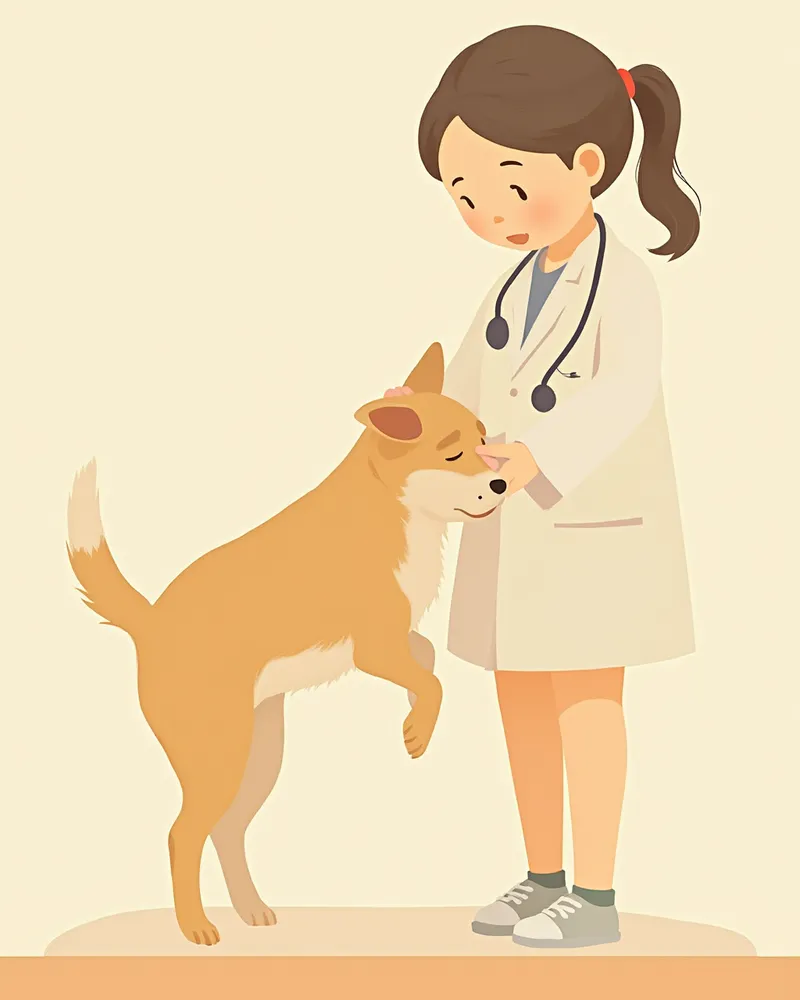
When to Go to the Vet Immediately
If any of the following apply, it may be an emergency: - Tremors lasting more than 5 minutes or occurring multiple times a day - Generalized seizures, decreased consciousness, or collapse occurring together - Staggering gait and falling to one side - Pale or bluish gums - Recent ingestion of human medications, xylitol, chocolate, or grapes - A young small-breed dog becoming lethargic and collapsing after fasting (hypoglycemic emergency) In these cases, even according to veterinary pharmacology textbooks, any delay in treatment can significantly worsen the prognosis.
What Tests Are Performed at the Vet?

Emergency Steps You Can Take at Home Right Away
Mouth Trembling Due to Dental Pain Is More Common Than You Think
Dental and oral issues often go unnoticed because they don’t always show obvious external signs. According to veterinary textbooks, most dogs with periodontal disease exhibit no clear outward symptoms until the condition progresses, at which point signs such as bad breath (halitosis), drooling, pain, frequent pawing at or scratching around the mouth, and in severe cases, tooth loss may appear. Therefore, if you notice tremors along with severe bad breath, chewing on only one side, drooling, or facial swelling, consider the possibility of oral pain and schedule a dental examination. However, periodontal disease cannot be accurately assessed through visual oral exams alone while the dog is conscious; the most precise diagnosis requires the use of a periodontal probe and dental X-rays under anesthesia. If general anesthesia is a concern, discuss the risks with your veterinarian to determine the appropriate timing for scaling and a thorough examination.
Reviewed by a veterinarian

Dr. Tony — Punnawat Phongkittirak
VeterinarianA veterinarian who majored in veterinary medicine at Khon Kaen University, Thailand, and completed the IVSA program at North Carolina State University in the United States. Drawing on clinical experience at animal hospitals, he works in the pet healthcare field and is dedicated to building a digital care environment that connects pet parents with veterinarians.
Reviewed 2026-04-28
Frequently Asked Questions
Is it normal for my dog to twitch its mouth while sleeping?
My dog only trembles when I give treats. Is this a problem?
How can I tell if my pet is shivering because it’s cold or because it’s in pain?
Is it okay to leave my senior dog alone when they occasionally lift their chin?
Is it okay to keep anti-tremor medication at home?
Share
Related Guides

7 Behavioral Enrichment Strategies for Mental Stimulation Recommended by Veterinarians

Top 5 Calming Supplements for Dogs and Cats in 2026

L-Theanine Effects and Calming Support

What is Feline Chronic Kidney Disease (CKD)? — From Early Signs to Stage-by-Stage Management

Complete Guide to Postoperative Recovery and Intensive Care for Cats — Key Points for Pet Owners
Essential Guide to the Safe Use of Dog NSAIDs — Key Information for Pet Owners
Complete Guide to Managing Anticonvulsants for Dogs — Key Points for Owners

Feline Skin Cancer (Squamous Cell Carcinoma) in White Cats — Sun Exposure and Prevention Guide
Did Your Dog Drink Alcohol? — Signs of Alcohol Poisoning and When to Go to the Vet

When to Let Go of Our Dog with End-Stage Cancer — Hospice Care and the Euthanasia Decision
References
[1] Lorenz, Coates & Kent, Handbook of Veterinary Neurology, 5th Ed, Chapter: Tremor Syndromes
[2] Freeman, Notes on Canine Internal Medicine, 4th Ed, Chapter: Tremor and Twitching
[3] Ettinger & Feldman, Textbook of Veterinary Internal Medicine, 8th Ed, Chapter: Movement Disorders