Like
Share
멍실장
고양이가 한 곳만 응시하는 이유

Why Your Cat Stares at One Spot

ImmunityQ&AMeongsiljang Veterinary Advisory Board

When a cat stares intently at a single spot, it’s usually driven by hunting instinct, but in some cases, it can be a sign of neurological issues. Here’s a breakdown of what’s normal and when it’s time to visit the vet.

Why Does Your Cat Stare at One Spot? Is It Normal?
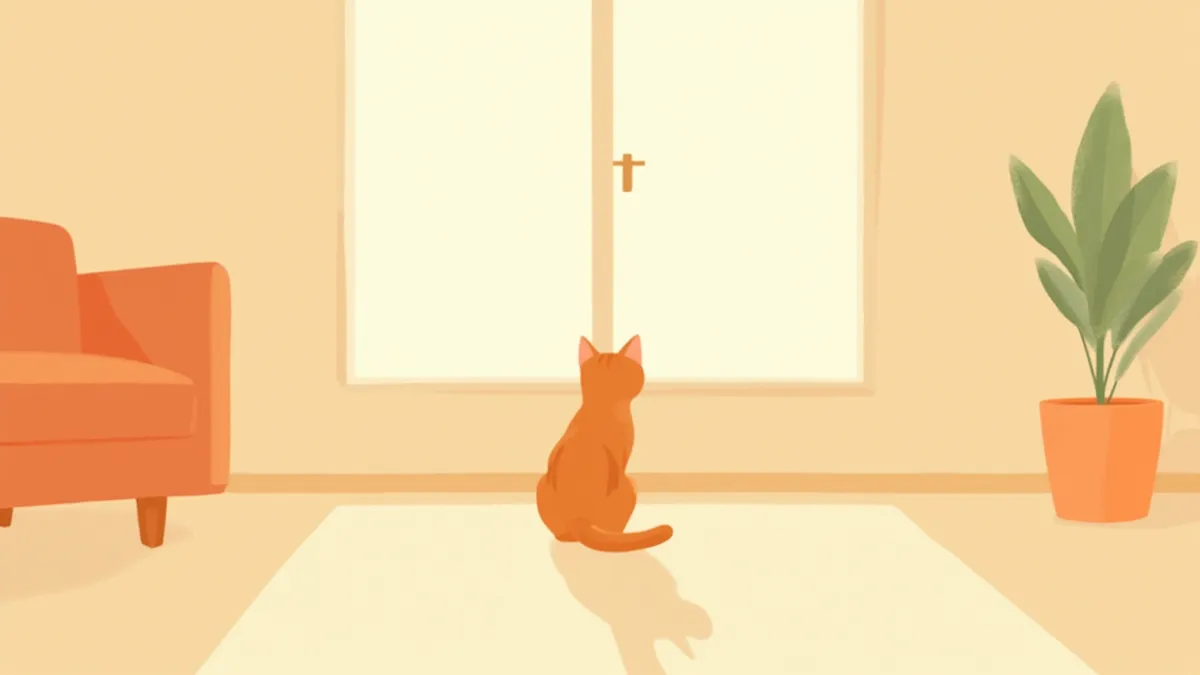
A cat intently staring at one spot on the living room ceiling
When a cat stares intently at one spot, it’s usually a natural observation response driven by its hunting instincts and keen senses. What really matters is *how* they’re staring. If their ears are twitching and tail is responsive, it’s typically normal. However, if their pupils appear abnormal or they remain rigid and unresponsive for more than 20–30 seconds, it could signal a neurological issue. Try calling your cat to check their response, then assess based on these guidelines.

Why Does It Seem Like They’re Staring at Nothing?

Cats have much more sensitive hearing and vision than humans. They react keenly to subtle sounds, vibrations, or small light reflections and dust movements that we can’t detect. So when it seems like your cat is “staring into thin air,” it usually means they’re picking up on stimuli we can’t see. Veterinary behavior textbooks explain that cats have an instinct to climb to high places to survey for prey, and they perk up their ears when focusing on something. While “staring” between cats can serve as a threat signal, most of the time when they gaze at objects or seemingly empty space, it’s not a threat but a natural observational behavior as they track stimuli. Therefore, it’s more important to observe the accompanying reactions rather than the stare itself.

Normal Staring vs. Pathological Staring: A Quick Comparison

If any of the items listed under “Pathological Staring” in the table below apply, please consider visiting a veterinary clinic.

Comparison of Normal Staring and Pathological Staring

ItemNormal StaringPathological Staring
Response when called by nameEars or tail respondNo response at all
Pupil conditionLeft and right are equal in sizeLeft and right differ in size, or one side is dilated
PostureRelaxed or in a hunting stanceBody is stiff and rigid
DurationA few seconds to a few minutes, transitions naturallyCompletely frozen for 20–30 seconds or more
Accompanying symptomsNoneAccompanied by drooling, convulsions, house-soiling

If it's hard to judge, the most accurate approach is to record a 10–20 second video on your smartphone and show it to your veterinarian.

Detailed Explanation by Cause — From Instinct to Disease
A cat’s staring behavior can generally be categorized into four main patterns. - Hunting and observation instincts: This is a natural behavior where cats watch for prey from high vantage points or track insects and movements outside windows. - Sensory stimulation: Cats may stare intently at sounds, vibrations, or subtle movements that humans might not notice. In these cases, they often perk up their ears to focus on the source of the stimulus. - Cognitive dysfunction syndrome (CDS): Also known as feline dementia, this condition can begin around the age of 10 and may involve disorientation and memory loss. - Neurological abnormalities: If your cat appears stiff or unresponsive when called, it could indicate an issue with the brain or nervous system. In such cases, a neurological evaluation by a veterinarian is recommended.
An elderly cat staring blankly into space from the sofa

When to Visit the Vet Within 24 Hours

If any of the following signs are present, there may be a partial seizure, vestibular disorder, or brain disease, and prompt veterinary evaluation is necessary: - No response at all for more than 20–30 seconds when called by name - Staring with a rigid body posture or drooling - Unequal pupil sizes between the left and right eyes - Staring into space followed by stumbling or circling in one direction - A sudden increase in frequency in cats aged 10 years or older

Observation and Management Tips You Can Try at Home
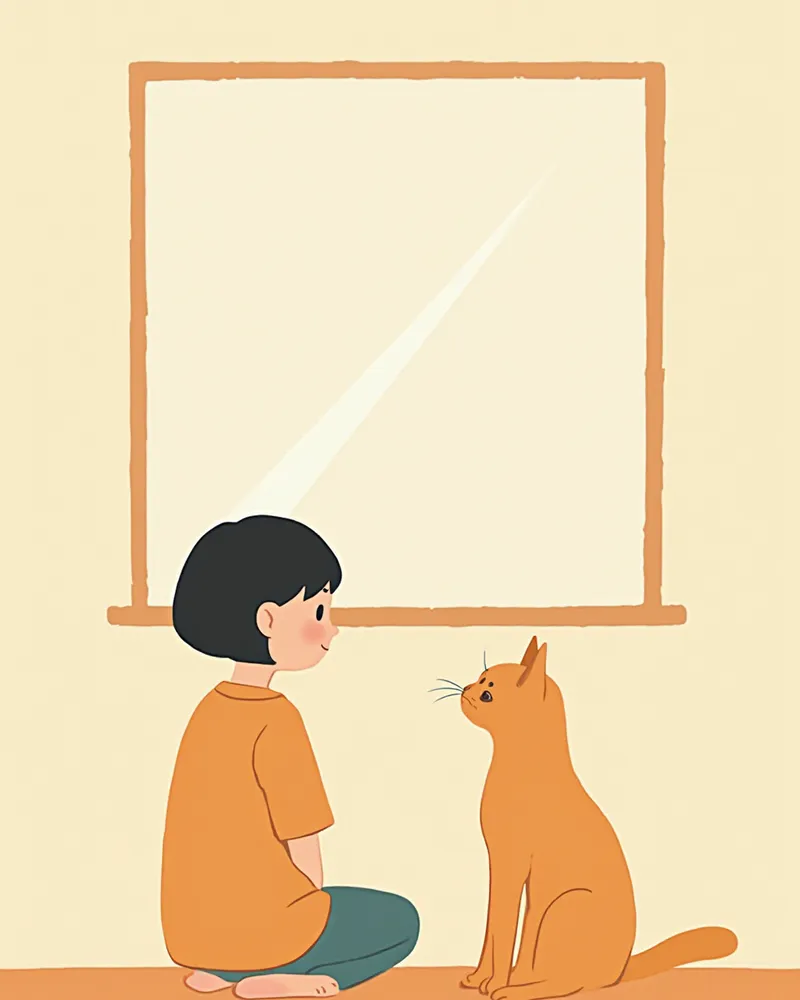
If you suspect your cat is experiencing staring episodes, try these steps in order: - Call their name: Call your cat’s name twice, with a 2–3 second pause between calls. - Wave your hand: Slowly wave your hand within their field of vision to check for a visual response. - Shake a treat bag: Shake a bag of their favorite treats to see if they respond to the sound. - Record a video: Capture a 10–20 second clip, which can be very helpful for your veterinarian during the consultation. Avoid startling your cat or shaking them forcefully, as this may increase confusion if they are having a partial seizure.
The guardian calls the cat's name to check for a response.

What Tests Are Performed at the Vet?

According to veterinary internal medicine textbooks, the first step in evaluating a cat that repeatedly stares into space is a neurological assessment. This includes checking reflexes, level of consciousness, and pupillary responses. If needed, blood tests are performed to rule out metabolic causes such as liver, kidney, or thyroid dysfunction. If the cause remains unclear, imaging studies like MRI or CT scans are used to check for abnormalities in the brain. In older cats, cognitive dysfunction is also assessed. Having videos recorded before the examination can significantly shorten the diagnostic process.

Key Points for Senior Cat Owners to Remember

Frequent staring into space, nighttime vocalization, and disorientation in cats aged 10 and older may be early signs of Feline Cognitive Dysfunction (CDS). Early detection allows you to slow disease progression through dietary and environmental adjustments, as well as omega-3 and antioxidant supplements. Even if these symptoms did not appear overnight, please be sure to mention any changes observed over the past 3 to 6 months during your cat’s health checkup.

Reviewed by a veterinarian

Dr. Tony — Punnawat Phongkittirak

Dr. Tony — Punnawat Phongkittirak

Veterinarian

A veterinarian who majored in veterinary medicine at Khon Kaen University, Thailand, and completed the IVSA program at North Carolina State University in the United States. Drawing on clinical experience at animal hospitals, he works in the pet healthcare field and is dedicated to building a digital care environment that connects pet parents with veterinarians.

Frequently Asked Questions

Is it normal for a cat to stare at the wall and then suddenly dash off?
Yes, this is mostly normal. Your pet has likely detected faint sounds or vibrations coming from within the walls and switched into hunting mode. As long as they respond when you call their name, there’s no need to worry.
Do baby cats also stare into thin air?
This is quite common. Young kittens are in a period of rapid sensory development, so they can react strongly to very minor stimuli like dust, light reflections, or insects. However, if your cat doesn't respond when you call its name and appears stiff or frozen, a veterinary visit is necessary.
My pet only stares into thin air at night. Is this normal?
Cats are naturally more active at night, so their senses become sharper after dark. However, if nighttime vocalizing has suddenly increased in a cat aged 10 or older, it could be a sign of cognitive dysfunction, so a veterinary checkup is recommended.
What's the best way to film a staring episode video?
Please record for about 10 to 20 seconds, making sure to include your pet’s name being called twice. Filming from a distance of 1 to 2 meters so that both the face and the entire body are visible will help the veterinarian accurately assess your pet’s response.
How can you tell the difference between a partial seizure and a simple episode of dullness?
During a partial seizure, your pet won’t respond to their name, treats, or hand signals, and their posture becomes rigid. In contrast, if they’re simply dazed, they’ll still react to their name with ear or tail movements. If you’re unsure, it’s safest to record a video and review it with your veterinarian.

Share

Related Guides

References

[1] Little SE, The Cat: Clinical Medicine and Management, 2nd Edition, Elsevier, 2024

[2] Ettinger SJ, Feldman EC, Côté E, Textbook of Veterinary Internal Medicine, 8th Edition, 2017

[3] Fogle B, The Encyclopedia of the Cat, Behavior Chapter, DK, 2023

This information is based on veterinary literature and does not replace diagnosis or treatment. Please consult a veterinarian for specific health concerns.

Metapet Co., Ltd. | CEO: Park Sung-yong | Business Reg. No. 417-88-02562 | Seoul, South Korea | Customer Center

Why Your Cat Stares at One Spot: Normal vs. Warning Signs | Meongsiljang