
How to Check Lymph Nodes at Home
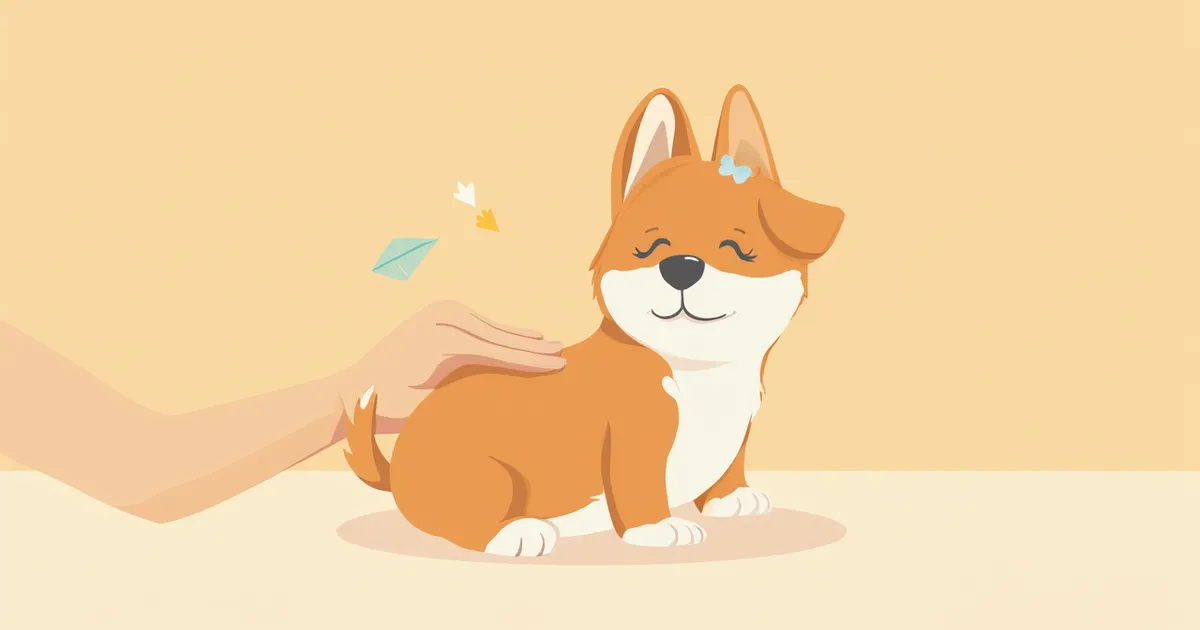
I’ll show you how to check your dog’s or cat’s lymph nodes at home by gently feeling them for any abnormalities. I’ve also summarized what normal size feels like and what warning signs to watch for.
What Is a Home Lymph Node Check?

Why Is Checking Lymph Nodes Important?
Five Lymph Nodes You Can Feel at Home
Normal Size vs. Warning Signs
| Item | Small dogs/cats | Medium dogs | Large dogs |
|---|---|---|---|
| Normal (relative to usual) | Naturally small and hard to feel, or unchanged from its usual size | Unchanged from the small size you're familiar with | Unchanged from the size you're familiar with |
| Caution stage | Noticeably larger than usual, or enlarged on only one side | Noticeably larger than usual, or enlarged on only one side | Noticeably larger than usual, or enlarged on only one side |
| Emergency stage | Rapidly enlarged over a few days, hard and fixed | Rapidly enlarged over a few days, hard and fixed | Rapidly enlarged over a few days, hard and fixed |
| Normal texture | Soft and moves easily | Soft and moves easily | Soft and moves easily |
| Abnormal texture | Hard/fixed/painful | Hard/fixed/painful | Hard/fixed/painful |
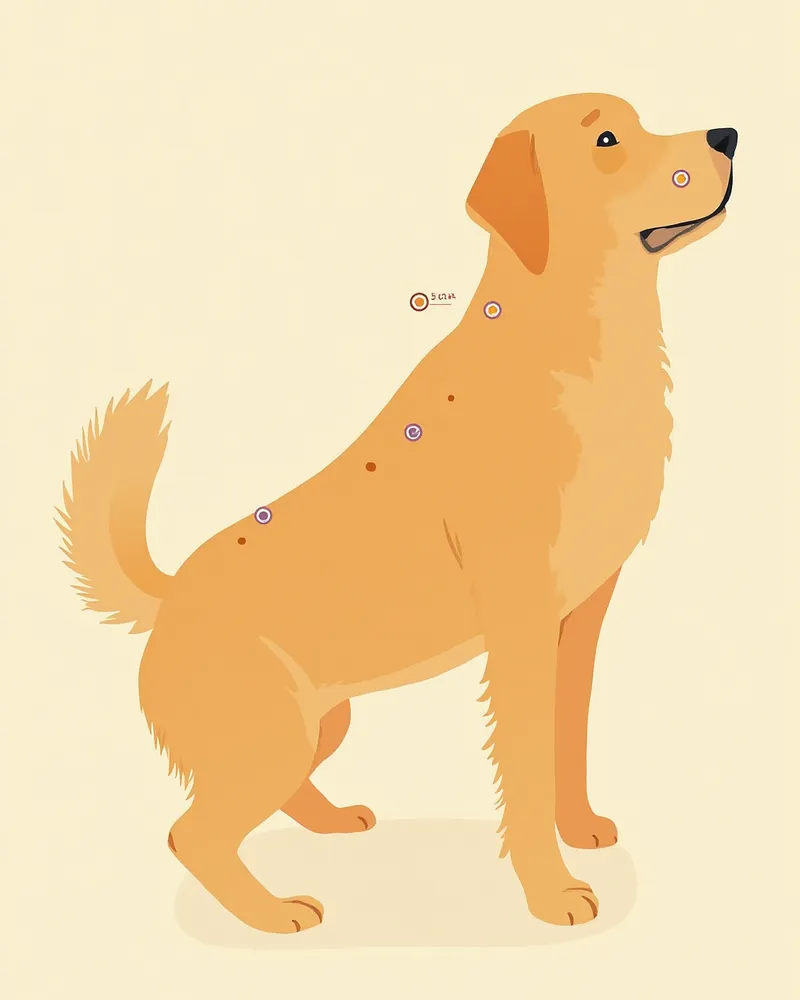
Normal lymph nodes are soft, move easily, and are usually so small they can barely be felt. As the textbooks say, 'normal lymph nodes do not enlarge,' so if a node has grown large enough to be clearly felt, it should be regarded as a sign of change. There is no absolute standard for normal size that applies to every animal, so the most accurate approach is to judge whether there is a change based on your own pet's usual lymph node size and texture.
Proper Positioning and Hand Technique for Checking

Warning Signs Requiring Immediate Veterinary Care
If any of the following apply, seek veterinary care within 24 hours: - Swelling in multiple areas: Two or more out of five lymph nodes are enlarged simultaneously (suspected lymphoma) - Hard and fixed: Feels as hard as a stone and is immovable, adhered to the skin - Rapid size change: Doubles in size or more within a few days - Pain or warmth: Tender to the touch or the area feels warm - Accompanying systemic symptoms: Loss of appetite, weight loss, lethargy, or fever
Common Causes of Swollen Lymph Nodes
Check Frequency and How to Keep Records

Cats Require More Careful Observation
Cats have small lymph nodes and are adept at hiding pain, making examinations more challenging. Chronic infections or persistent antigenic stimulation can cause lymph nodes to enlarge reactively (proliferatively) beyond their normal size. Since healthy lymph nodes do not typically enlarge, it is crucial to accurately remember your cat’s normal lymph node size and texture. Lymphoma can also occur in cats, affecting not only superficial lymph nodes that can be felt externally but also internal lymph nodes, such as those around the digestive tract, which may become firm and enlarged. Therefore, do not focus solely on the lymph nodes; also monitor systemic signs like changes in appetite and weight, and ensure regular check-ups.
Reviewed by a veterinarian

Dr. Tony — Punnawat Phongkittirak
VeterinarianA veterinarian who majored in veterinary medicine at Khon Kaen University, Thailand, and completed the IVSA program at North Carolina State University in the United States. Drawing on clinical experience at animal hospitals, he works in the pet healthcare field and is dedicated to building a digital care environment that connects pet parents with veterinarians.
Reviewed 2026-04-29
Frequently Asked Questions
I noticed my pet’s lymph nodes seem slightly enlarged. Should I take them to the vet right away?
My puppy’s chin is always slightly swollen. Is this normal?
My pet seems to dislike it when I touch their lymph nodes. What should I do?
My dog’s lymph nodes swelled up after getting vaccinated. Is this normal?
All of my pet’s lymph nodes are enlarged, but they seem perfectly fine. Is this a cause for concern?
Share
Related Guides
Top 7 Short-Legged Dog Breeds

Primary vs. Secondary Veterinary Hospitals: A Comparison

5 Easy-to-Raise Cat Breeds for First-Time Owners — Grooming Difficulty Comparison
Complete Guide to the Post-TPLO Surgery Rehabilitation Protocol
Monitoring Anesthesia Recovery (Body Temperature, Pain, Vomiting)
Types of Local and Regional Anesthesia and Their Indications
Is Anesthesia Safe for Dogs with Kidney Disease? Risks and Safety Management Owners Should Know
Anesthesia Protocol for Dogs with Heart Disease: What You Must Know
Anesthesia for Senior Pets: How to Ensure Safety — Pre-Anesthetic Tests You Must Check
Brachycephalic Breed Anesthesia Protocol and Risks
References
[1] Little SE, The Cat: Clinical Medicine and Management, 2nd Edition, Chapter on Lymphadenopathy, 2020
[2] Schaer M, Clinical Medicine of the Dog and Cat, 4th Edition, Hematology and Lymphatic System, 2017
[3] Biller B, Berg J, Garrett L, et al., 2016 AAHA Oncology Guidelines for Dogs and Cats, J Am Anim Hosp Assoc 2016;52:181-204