Like
Share
멍실장
고양이 간 낭종 관리 추천 BEST와 고르는 기준 총정리

7 Key Essentials for Managing Feline Hepatic Cysts, as Recommended by Veterinarians

Liver HealthTop PicksMeongsiljang Veterinary Advisory Board

Most feline liver cysts are asymptomatic, but if they grow large, they can impair liver function. Proper management and regular monitoring are essential.

Feline Hepatic Cysts Are Usually Asymptomatic

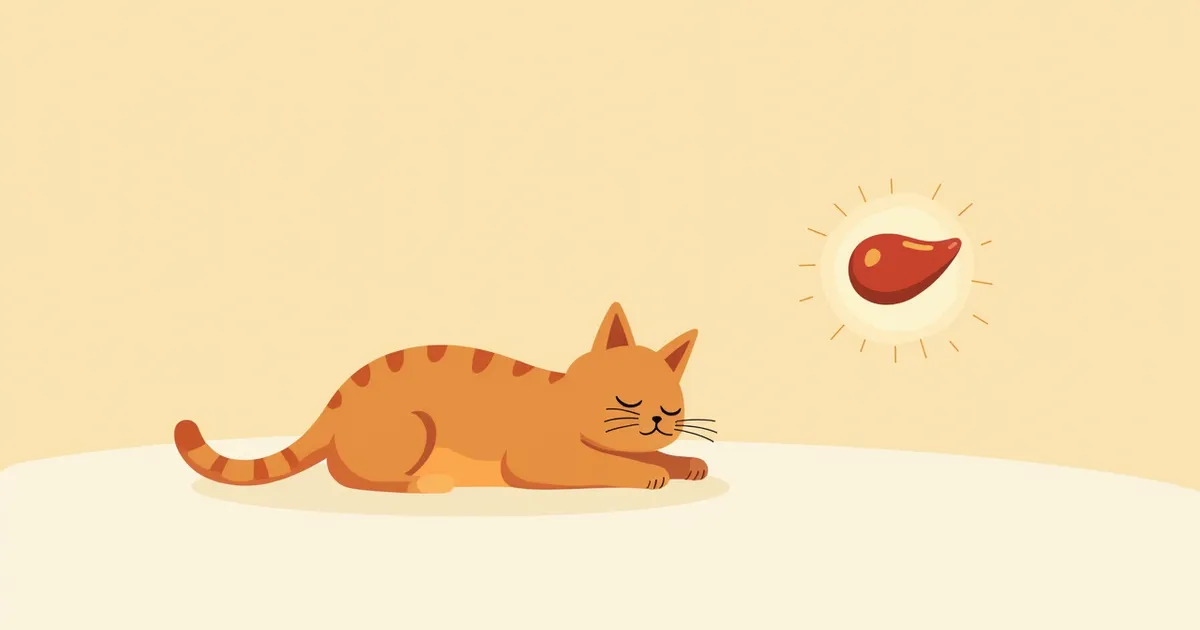
An anatomical image showing a cyst that has formed in a cat's liver
Feline hepatic cysts are fluid-filled sacs that develop within the liver. On ultrasound, they typically appear as thin-walled, anechoic, unilocular structures. In most cases, they are asymptomatic at the time of discovery, and if they are small and do not impair liver function, no specific treatment is required—regular monitoring is sufficient. However, if the cyst gradually enlarges, compressing surrounding tissues or causing pain due to stretching of the capsule, treatment may be considered; therefore, periodic ultrasound examinations are important. - Regular check-ups: Have ultrasound examinations performed at intervals recommended by your veterinarian to monitor changes in cyst size. - Asymptomatic monitoring: Even in the absence of symptoms, carefully track any changes in size. - Maintaining liver function: Early detection and consistent monitoring greatly help preserve liver function over the long term.

Selection Criteria: Safety and Liver Protection Effects Are Key
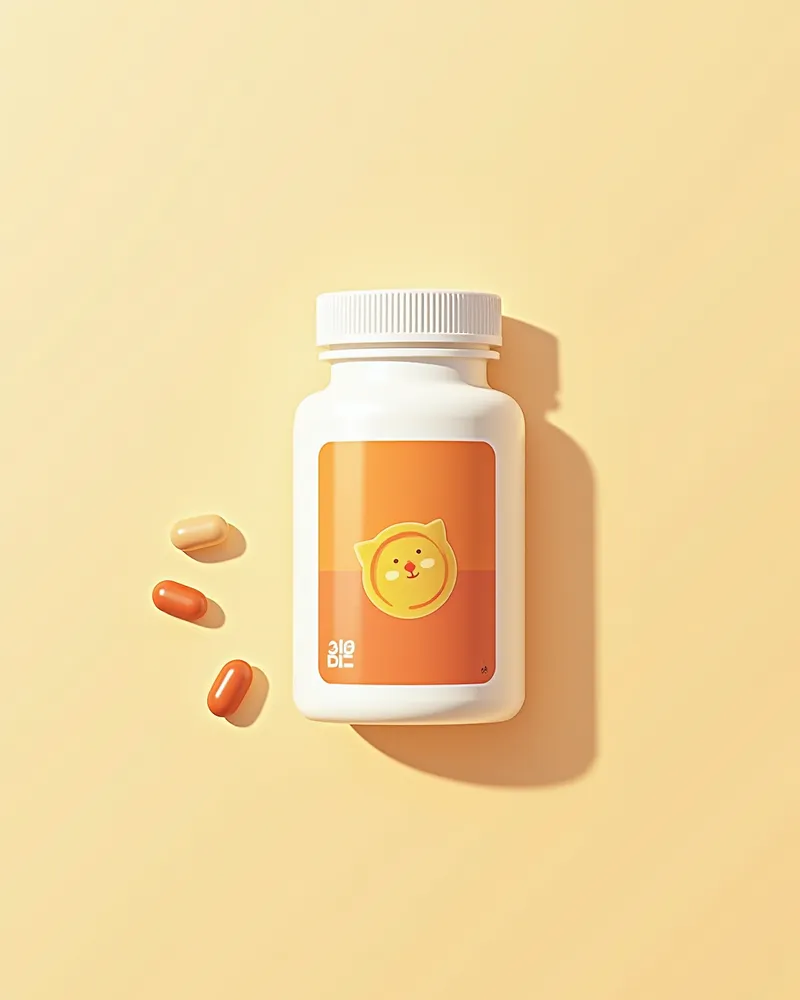
When selecting a supplement to support the management of feline hepatic cysts, prioritize ingredient safety and veterinary scientific evidence. Choose products free from synthetic preservatives and artificial flavors, and verify that they contain ingredients recognized in veterinary textbooks for hepatoprotection, such as S-adenosylmethionine (SAMe), ursodeoxycholic acid, vitamin E, and silymarin. - Safe ingredients: Products using only naturally derived ingredients without synthetic additives provide peace of mind. - Hepatoprotective ingredients: SAMe and silymarin support glutathione synthesis, exerting antioxidant effects that reduce oxidative damage to hepatocytes. - Veterinary consultation: Always consult your veterinarian to determine the appropriate dosage and duration of treatment for safety. - Ingredient transparency: It is important to choose products that clearly disclose their full ingredient lists.
Image of a bottle of liver-supporting nutritional supplement for cats

BEST 1: Hepatocyte Protection Protein Capsules
This product is a capsule-form liver health supplement that can be easily mixed into your pet’s food. However, veterinary textbooks do not support claims that its ingredients, such as glucosamine or coenzyme Q10, reduce liver cysts or regenerate liver cells in cats. For liver support, it is best to choose supplements containing evidence-based ingredients like SAMe, ursodeoxycholic acid, and vitamin E, after consulting with your veterinarian. - Ease of Administration: The capsules are sized for easy consumption by cats and can be conveniently mixed into their food. - Prioritize Evidence-Based Ingredients: Focus on liver-supporting ingredients backed by veterinary textbooks, such as SAMe and vitamin E. - Limitations Regarding Cysts: There is no evidence that any supplement can reduce the size of cysts, so regular monitoring is essential. - Veterinary Consultation: Always consult your veterinarian to determine the appropriate dosage and duration before starting any supplement.
Product image of liver protection capsules for cats

BEST 2: Natural Ingredient Liver Health Fruit
Because this product is a liquid, it can be easily mixed into your cat’s food, making it relatively simple for them to consume. However, there is no established evidence in veterinary textbooks to support the claim that the antioxidant effects of lutein, olive extract, or Brazil nut extract inhibit changes in the size of hepatic cysts, so it is difficult to definitively assert its efficacy. In contrast, ingredients that support glutathione metabolism, such as SAMe and vitamin E, have documented evidence for reducing oxidative damage to the liver. - Ease of administration: The liquid form mixes easily into food, and cats generally accept it well. - Evidence for antioxidant support: There is established evidence for hepatic antioxidant protection from ingredients like SAMe and vitamin E. - Limitations regarding cysts: There is no evidence that supplements can prevent the progression of cysts. - Veterinary consultation: Please consult your veterinarian to determine whether long-term use is appropriate.
Image of a liquid liver health supplement for cats

BEST 3: Liver Function Support Powder Supplement

This product comes in powder form, making it easy to mix into your cat’s meals. While vitamin E has documented evidence supporting its use for liver protection in cholestatic and inflammatory liver diseases, there is no textbook evidence confirming that glucosamine or lutein support liver function. Therefore, rather than relying heavily on its effects, it is best to consult your veterinarian and use it only as a supplement. - Powder convenience: Easy to mix into food, reducing the likelihood of your cat rejecting it. - Evidence-based ingredient: Vitamin E is an ingredient with documented evidence for liver protection. - Caution for long-term use: Safety and dosage should be confirmed under veterinary guidance. - Dietary supplement: It cannot replace a balanced diet and should only serve as a supplementary aid.
Image of a liver-support powder supplement for cats

Comparison Table of Products BEST 1–3

ItemProduct NameFormMain IngredientsNotes for Recommendation
BEST 1Hepatocyte Protection Protein CapsuleCapsuleGlucosamine, Coenzyme Q10Easy to feed; evidence for liver protection and cyst effects is limited
BEST 2Natural Ingredient Liver Health FruitLiquidLutein, Olive extract, Brazil nut extractEasy to consume; no evidence for cyst suppression
BEST 3Liver Function Support Powder SupplementPowderGlucosamine, Lutein, Vitamin EVitamin E has evidence for liver protection, easy to mix

There is no evidence that any supplement reduces cysts. Administer all products in consultation with a veterinarian, and visit the clinic immediately if there is any change in size.

Caution: Immediate Veterinary Visit Required If Cyst Size Changes

If a liver cyst gradually enlarges and begins to press on surrounding tissues, or if your cat shows symptoms such as decreased appetite, vomiting, or lethargy, you should visit a veterinary clinic immediately. As the cyst grows, it can compress nearby organs or cause pain due to stretching of the capsule, and infected cysts can be difficult to treat. The veterinarian will use ultrasound to assess the size and condition of the cyst and determine the appropriate treatment plan, which may include ultrasound-guided drainage if necessary.

Usage Tips: Regular Follow-up Examinations and Dietary Management Are Important

Managing feline liver cysts requires more than just supplements; it involves regular ultrasound examinations alongside a balanced diet. While it was once believed that protein should be restricted for liver disease, current veterinary guidelines recommend against excessive protein restriction unless severe hepatic encephalopathy is clearly present. Therefore, it is best to choose a balanced diet with adequate high-quality protein and adjust the diet to account for any concurrent conditions. - Regular check-ups: Have ultrasounds performed at intervals recommended by your veterinarian to monitor changes in cyst size. - Dietary management: Avoid unnecessary protein restriction and select food that considers any concurrent health issues. - Supplement use: After consulting with your veterinarian, use evidence-based liver-supporting supplements as an adjunctive therapy. - Management plan: Developing a customized management plan together with your veterinarian is the safest and most effective approach.
An image of a veterinarian examining a cat's liver ultrasound.

Reviewed by a veterinarian

Dr. Tony — Punnawat Phongkittirak

Dr. Tony — Punnawat Phongkittirak

Veterinarian

A veterinarian who majored in veterinary medicine at Khon Kaen University, Thailand, and completed the IVSA program at North Carolina State University in the United States. Drawing on clinical experience at animal hospitals, he works in the pet healthcare field and is dedicated to building a digital care environment that connects pet parents with veterinarians.

Frequently Asked Questions

Do feline liver cysts require treatment?
If the cyst is small and asymptomatic, regular monitoring without treatment is usually sufficient. However, if it begins to press on surrounding tissues or cause pain, your veterinarian will determine the appropriate course of treatment, such as ultrasound-guided drainage.
How long should my pet continue taking the supplement?
There are no supplements proven to treat cysts themselves. Supplements should only be used as a supportive measure under veterinary guidance, with regular ultrasounds to monitor cyst size and adjust usage accordingly.
Can liver cysts be malignant?
Most simple cysts are benign. However, in cats, liver masses are often neoplastic, and some tumors, such as biliary cystadenomas, can appear cystic. Therefore, it is important to differentiate them through regular examinations, and if there is any suspicion, consider a biopsy or surgical excision.
Can a cat with a liver cyst still live a normal life?
Yes, most cats are asymptomatic and can lead normal lives. However, it's important to closely monitor any changes in size.
What should I keep in mind when mixing supplements into my pet’s food?
Powder or liquid supplements may not appeal to every cat, depending on their individual preferences. Try mixing the product in gradually or starting with a small amount. If your cat shows any adverse reactions, consult your veterinarian.

Share

Related Guides

References

[1] Fowler, L.B., et al. (2020). Ecological level analysis of primary liver tumors in cats and environmental radon activity. Journal of Veterinary Internal Medicine, 34(6), 2660–2670.

[2] Mellanby, R.J., et al. (2002). Anal sac adenocarcinoma in a Siamese cat. Journal of Feline Medicine and Surgery, 4(4), 205–207.

[3] Heaton, C.M., et al. (2020). Evaluation of toceranib for treatment of apocrine gland anal sac adenocarcinoma in dogs. Journal of Veterinary Internal Medicine, 34(2), 873–881.

This information is based on veterinary literature and does not replace diagnosis or treatment. Please consult a veterinarian for specific health concerns.

Metapet Co., Ltd. | CEO: Park Sung-yong | Business Reg. No. 417-88-02562 | Seoul, South Korea | Customer Center

7 Key Strategies for Managing Feline Liver Cysts, According to Vets | Meongsiljang