Like
Share
멍실장
강아지 요비중 검사 관리 추천 BEST와 고르는 기준 총정리

Top Recommended Dog Urine Specific Gravity Test Kits and Selection Criteria

UrinaryTop PicksMeongsiljang Veterinary Advisory Board

A urine specific gravity test is a key test for assessing your dog’s kidney function and hydration status. Regular monitoring and choosing the right products are essential.

What Is a Dog Urine Specific Gravity Test?
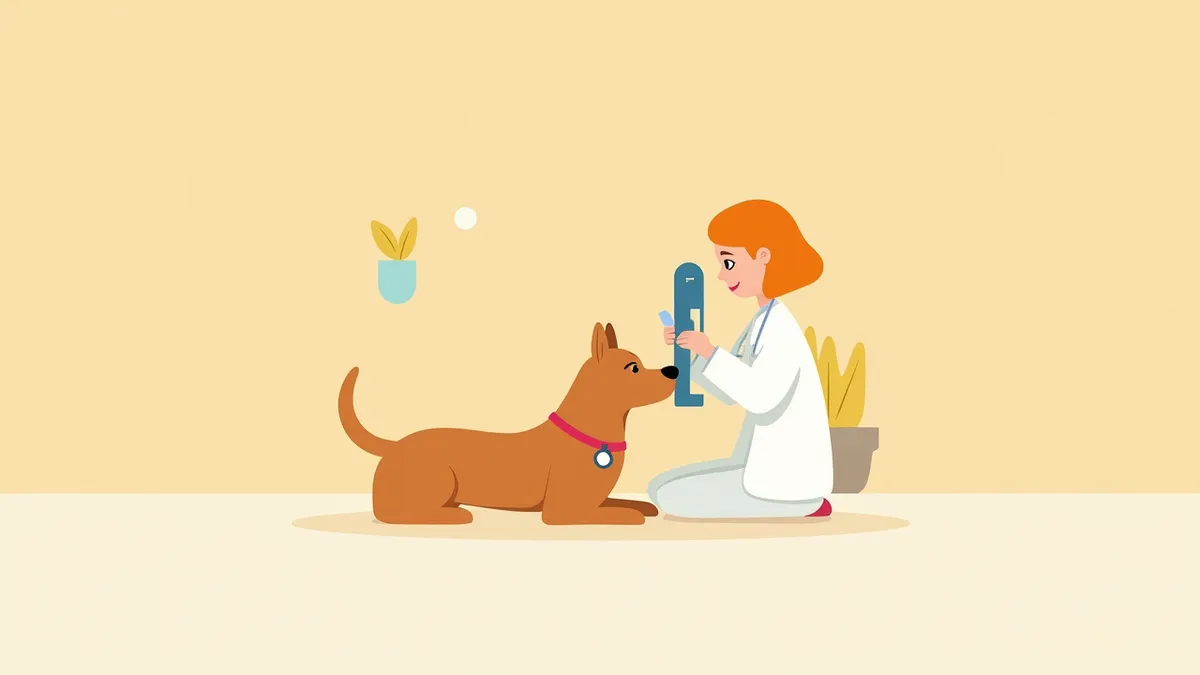
A veterinarian examining a dog’s urine to measure specific gravity
A urine specific gravity test is an important diagnostic tool that measures urine concentration to evaluate your dog’s kidney concentrating ability and hydration status. - Urine Specific Gravity: This value indicates urine concentration, helping assess how effectively the kidneys are concentrating water. - Kidney Function Assessment: Low urine specific gravity may suggest impaired renal concentrating ability. - Hydration Status: High urine specific gravity indicates highly concentrated urine, which may signal dehydration or insufficient fluid intake. - Disease Monitoring: This test aids in detecting early signs of conditions such as diabetes mellitus and chronic kidney disease, making regular testing a valuable tool for monitoring overall health.

Selection Criteria: Tips for Choosing a Clinic for Urine Specific Gravity Testing

When choosing a urine specific gravity test kit for your dog, consider accuracy, ease of use, reusability, and cost-effectiveness. It’s especially important to look for designs that minimize your dog’s stress and consumables that last longer. Products recommended by veterinarians are generally the most reliable.
High Accuracy: Meets veterinary standards with an appropriate measurement range.
Easy to Use: Provides quick results without complicated procedures.
Reusable: Can be used multiple times with a single purchase.
Dog-Friendly Design: Features colors and shapes that help reduce stress.
Good Value: Offers high performance at an affordable price.
A digital specific gravity meter and a urine sample are placed together.

Check 1: Is It Accurately Measured Using a Refractometer?
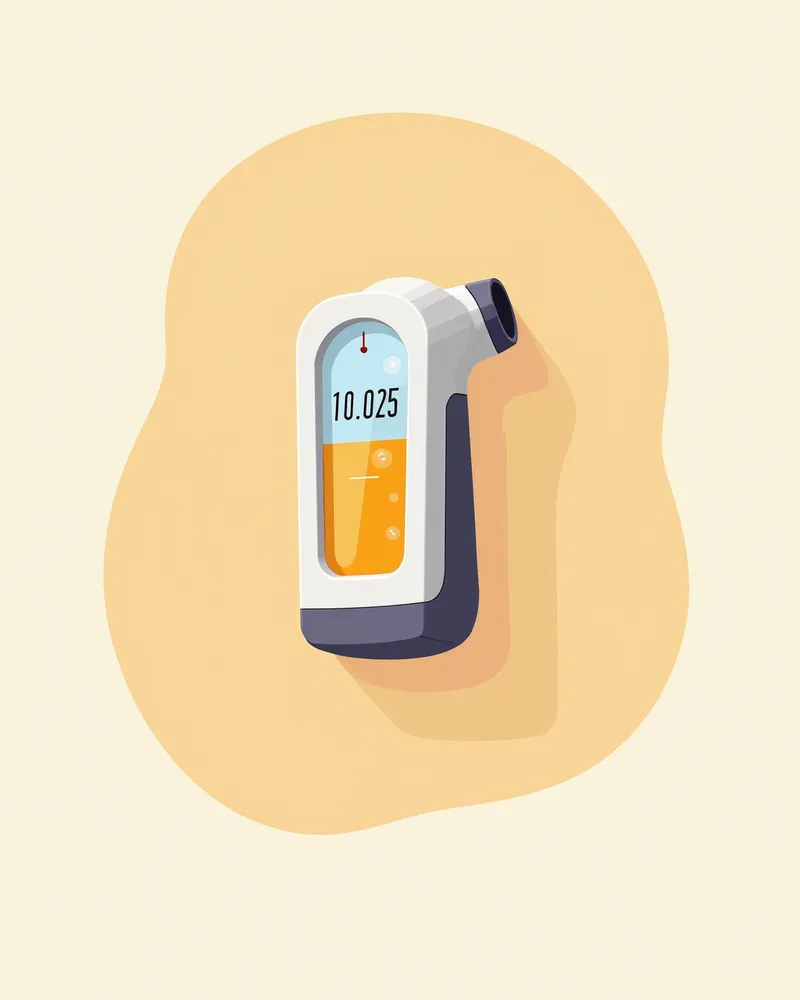
Urine specific gravity measures how concentrated the urine is and serves as a key indicator for evaluating the kidneys' concentrating ability. For accurate results, using a refractometer is more reliable than test strips. A refractometer measures the refractive index of dissolved solids in the urine and must be calibrated daily with distilled water or similar solutions to ensure accuracy. Confirm that the clinic uses a refractometer and that fresh urine samples are used. Urine that has been sitting can change in concentration, so the collection and measurement methods significantly impact the accuracy of the results.
A digital specific gravity meter displaying a reading of 1.025

Check 2: Are Collection Methods and Blood Tests Considered Together?

The suitability of urine samples for testing varies depending on the collection method, such as free-catch urination, bladder expression, cystocentesis, or catheterization. Cystocentesis is particularly suitable for culture tests because it ensures a sterile sample. It is helpful to choose a clinic that can guide you on the most appropriate method for your dog. Since the collection method can influence result interpretation—due to potential contamination with bacteria or epithelial cells—it is best to select a facility that documents the collection route. Additionally, urine specific gravity should be evaluated alongside kidney-related blood tests (such as BUN and creatinine) for a more accurate assessment of renal function, so opting for a clinic that offers both urine and blood testing is advisable.
A dog lying on its bed while using a portable urine specific gravity meter

Check 3: Does the Veterinarian Interpret Concentrating Ability in the Context of Renal and Endocrine Health?
Rather than relying on a single urine specific gravity value, it’s important to consider the overall clinical picture, including symptoms like polyuria and polydipsia, blood test results, and the patient’s age, to arrive at a meaningful interpretation. A low urine specific gravity can stem from various causes beyond impaired renal concentrating ability, such as central diabetes insipidus due to antidiuretic hormone (ADH) deficiency, nephrogenic diabetes insipidus where the collecting ducts fail to respond to ADH, or osmotic diuresis caused by excessive solutes, as seen in diabetes mellitus. It’s advisable to choose a veterinary clinic where the veterinarian interprets these results in context and guides you through any necessary follow-up tests or management strategies.
Recording data using a urine specific gravity meter connected to a smartphone app

Checklist for Choosing a Clinic for Urine Specific Gravity Testing

ItemRecommended Criteria
Measurement MethodA facility that measures fresh urine with a refractometer (dipstick alone is inaccurate)
Test OperationA facility that guides the collection method and reviews kidney blood tests together
Interpretation CapabilityA veterinarian who interprets concentrating ability in the context of the kidneys and endocrine system
Result InterpretationA facility that guides additional testing and management by integrating symptoms and blood values
Cost GuidanceA facility that informs you in advance of the estimated cost and the possibility of additional tests before testing

This is not a table recommending specific products or hospitals, but a reference for when you consult your veterinarian. Always make treatment and testing decisions together with your veterinarian through an examination.

Precautions and Contraindications

For accurate results, urine samples for specific gravity testing should be analyzed as soon as possible. Delays in processing or prolonged storage can cause artificial changes in concentration and composition, so it is recommended to process the sample immediately after collection. If refrigeration is unavoidable, allow the sample to reach room temperature before testing. Additionally, since dogs may become stressed in certain environments, it is best to conduct the test in a quiet, calm setting.

Usage Tips and Management Methods
To perform regular urine specific gravity tests, it’s important to understand your dog’s elimination habits and establish a routine for collecting samples at consistent times. Pay close attention to changes in urine specific gravity, especially if your dog is drinking more water or urinating more frequently than usual. Sharing the test results with your veterinarian will enable more accurate diagnosis and ongoing monitoring.
Set a Regular Collection Time: Collect the first morning urine at the same time each day.
Sample Storage: Test the sample as soon as possible after collection. If refrigeration is necessary, bring the sample to room temperature before testing.
Minimize Stress: Conduct the test in a quiet, calm environment.
Record Results: Keep a weekly or monthly log of the results to track any changes over time.
A diary and tools for recording your dog's urinalysis results.

Reviewed by a veterinarian

Dr. Tony — Punnawat Phongkittirak

Dr. Tony — Punnawat Phongkittirak

Veterinarian

A veterinarian who majored in veterinary medicine at Khon Kaen University, Thailand, and completed the IVSA program at North Carolina State University in the United States. Drawing on clinical experience at animal hospitals, he works in the pet healthcare field and is dedicated to building a digital care environment that connects pet parents with veterinarians.

Frequently Asked Questions

How often should I have my pet’s urine specific gravity tested?
For healthy dogs, wellness checkups are typically performed as part of routine care, while senior dogs or those managing chronic conditions are recommended to have more frequent regular exams based on their veterinarian’s assessment. Serial testing over time helps detect changes early.
What problems can occur if urine specific gravity is low?
Low urine specific gravity may indicate impaired renal concentrating ability, central diabetes insipidus due to antidiuretic hormone (ADH) deficiency, nephrogenic diabetes insipidus where the collecting ducts fail to respond to ADH, or osmotic diuresis caused by diabetes mellitus. Please consult your veterinarian, as additional testing may be necessary.
Is it accurate to test at home?
While you can use the device correctly and follow proper procedures, if the results fall outside the normal range, it’s important to have them professionally checked at a veterinary clinic. Home testing can be useful for initial monitoring.
How do I collect a urine sample?
Urine can be collected via natural voiding or bladder aspiration, and it should be brought to the clinic as fresh as possible. Aseptic collection is especially important when a culture test is required.
What should I do if the urine specific gravity test results are abnormal?
If the results fall outside the normal range, it’s best to consult your veterinarian for follow-up care or additional testing. Early detection is the first step toward proper management.

Share

Related Guides

References

[1] Plumb's Veterinary Drug Handbook, 9th ed. (2022). Wiley-Blackwell.

[2] Ettinger, S.J. and Feldman, E.C. (2021). Textbook of Veterinary Internal Medicine, 9th ed. Elsevier.

[3] American College of Veterinary Internal Medicine (ACVIM). Guidelines for Urinalysis in Dogs and Cats (2020).

This information is based on veterinary literature and does not replace diagnosis or treatment. Please consult a veterinarian for specific health concerns.

Metapet Co., Ltd. | CEO: Park Sung-yong | Business Reg. No. 417-88-02562 | Seoul, South Korea | Customer Center

Dog Urine Specific Gravity Test Kits: Top Picks & Tips | Meongsiljang