Like
Share
멍실장
강아지 IRIS 병기 분류 관리 추천 BEST와 고르는 기준 총정리

Veterinarian-Recommended Management Points for Dogs with Chronic Kidney Disease by IRIS Stage

KidneyTop PicksMeongsiljang Veterinary Advisory Board

The management approach for chronic kidney disease in dogs varies depending on the IRIS stage classification. By using stage-specific supplements and care strategies, you can help improve your dog’s quality of life.

What Is the IRIS Staging Classification for Dogs?

Image of the IRIS staging classification system for dogs
The IRIS staging system for dogs divides chronic kidney disease into four stages based on disease progression. Accurate staging is essential because the degree of kidney function decline and the management strategy vary by stage. - Blood test criteria: Blood creatinine (Crt) and SDMA levels are key to determining the stage. Higher values indicate more advanced disease. - Urinalysis criteria: The severity of proteinuria (urine protein-to-creatinine ratio, UPC) and blood pressure serve as supplementary criteria for further refining the stage. The disease is classified into stages 1 through 4, with each stage requiring specific nutritional adjustments and management approaches. Tailored care for each stage directly improves quality of life.

5 Key Criteria for Selecting an IRIS Stage Classification

When managing chronic kidney disease in dogs, the key is selecting products tailored to the specific stage and condition of the disease. Be sure to review the following criteria:
Blood test criteria: Serum creatinine and SDMA levels are essential for determining the disease stage. Higher values indicate more advanced stages.
Urinalysis criteria: The degree of proteinuria (UPC ratio) helps refine staging and assess the extent of kidney damage. Blood pressure should also be monitored.
Weight changes: Weight loss may occur as kidney function declines. Monitor your dog’s weight regularly.
Decreased appetite: Chronic kidney disease is often accompanied by a reduced appetite.
Fatigue and lethargy: Lethargy (lethargy or somnolence) is a common symptom that tends to appear as the disease progresses.
Image for verifying the IRIS staging classification criteria

BEST 1: Premium Kidney Management Supplement (Stages 1–2)
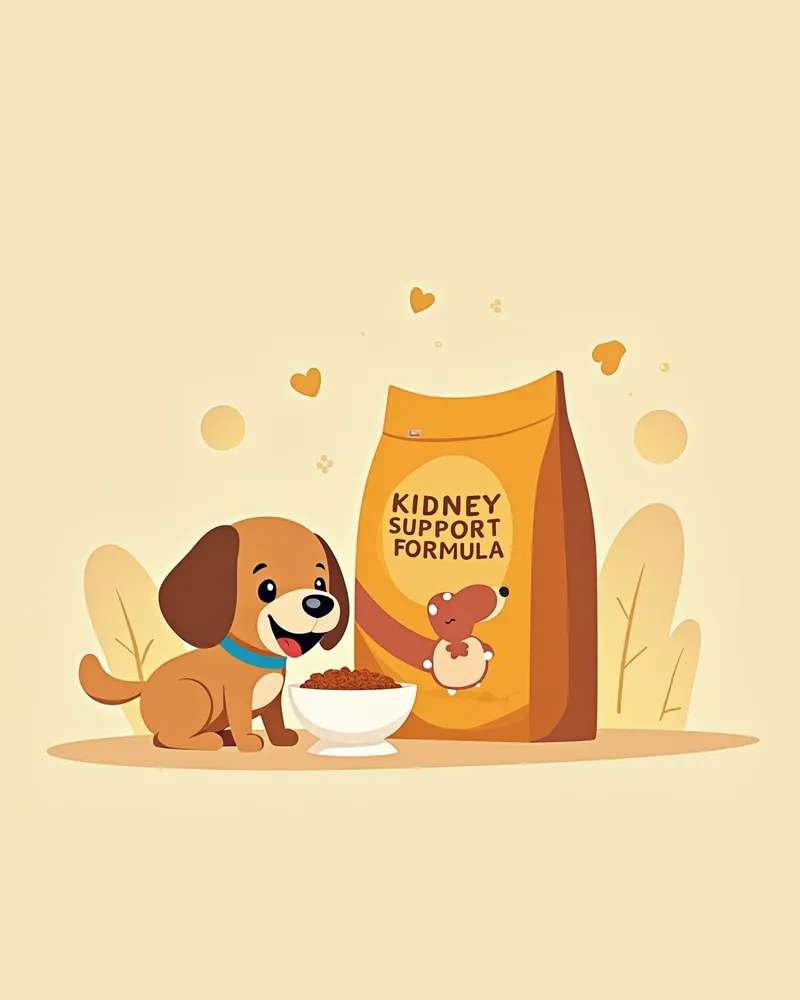
This product is suitable for dogs in stages 1–2 of kidney disease. It helps reduce the burden on the kidneys by appropriately regulating protein and phosphorus levels and adding antioxidant ingredients.
Optimal Protein Formula: In stages 1–2, moderate protein regulation is recommended rather than excessive restriction. Overly strict limitations can actually lead to adverse effects.
Low-Phosphorus Formula: Regulating phosphorus intake is the most important factor in managing kidney disease, helping to protect kidney function.
Enhanced Antioxidants: Omega-3 fatty acids and antioxidants help reduce oxidative stress.
Adequate Calorie Supply: It is important to provide sufficient calories to prevent weight loss.
Palatability Enhancers: These ingredients help ensure that even dogs with decreased appetite will eat well.
BEST 1 Kidney Support Supplement Image

BEST 2: Moderate Kidney Protection Supplement (Stage 3)

This product is specially formulated for dogs in stage 3 of chronic kidney disease. The nutritional balance has been adjusted to support declining kidney function.
Low-phosphorus formula: Limits phosphorus intake to help slow the progression of kidney damage. Phosphorus control is the most critical aspect of managing chronic kidney disease.
Potassium-supplemented formula: Since chronic kidney disease often leads to hypokalemia, this formula provides appropriate potassium supplementation.
Enhanced with omega-3s: Added omega-3 fatty acids help reduce the burden on the kidneys.
Improved digestibility and absorption: Helps dogs with compromised digestive function effectively absorb essential nutrients.
Appetite-stimulating ingredients: Encourages adequate food intake, even for dogs with poor appetites.
BEST 2 Moderate Kidney Support Supplement Image

BEST 3: Stage 4 Tailored Supplement (Severe Stage)

For dogs in Stage 4, the top priorities are sustaining life and improving quality of life. This product is designed to alleviate uremic symptoms and provide nutritional support.
Protein-restricted formula: In Stage 4, protein is restricted to reduce uremic symptoms. Managing uremia is the cornerstone of dietary care in later stages.
Adequate calorie supply: It provides sufficient calories to help dogs with poor appetite maintain their body weight.
Antioxidant ingredients: Omega-3 fatty acids and antioxidants help reduce oxidative stress.
Electrolyte and acid-base balance: Chronic kidney disease often leads to metabolic acidosis and electrolyte imbalances, so this formula helps manage both.
Appetite-supporting ingredients: The taste and aroma are optimized to encourage eating, even when appetite is very low.
Image of the top three customized nutritional supplements for stage 4

Comparison Table of Supplements BEST 1–3

ItemBEST 1 (Stages 1–2)BEST 2 (Stage 3)BEST 3 (Stage 4)
Protein ContentModerate restrictionRestrictedStrong restriction
Phosphorus ContentPhosphorus restrictionPhosphorus restrictionEnhanced phosphorus restriction
Potassium ContentNormalPotassium supplementationPotassium supplementation
Caloric SupplySufficientSufficientSufficient
Main IngredientsOmega-3, antioxidantPhosphorus restriction, potassium supplementationUremia relief, antioxidant
Appetite StimulationStrongModerateVery strong

When selecting a stage-specific supplement, consult a veterinarian based on blood (creatinine, SDMA) and urine (proteinuria) test results.

Caution: Sudden Loss of Appetite in Stage 4 Dogs Requires Immediate Veterinary Visit

If your dog with stage 4 kidney disease stops eating entirely or experiences repeated vomiting, seek veterinary care immediately, as this may indicate severely worsening kidney function.

Usage Tip: Precautions When Switching Supplements by Stage

When switching supplements based on the disease stage, it’s important to make the transition gradually. A sudden change can lead to digestive issues.
1-Week Transition Method: Replace 25% of the current food with the new food, then increase to 50% after 3 days, 75% after another 3 days, and fully switch to 100% new food in the final 3 days.
Ensure Adequate Hydration: As kidney function declines, water intake may decrease, so offer water frequently.
Regular Check-ups Are Essential: Monitor changes in disease stage through blood and urine tests every 3 months.
Monitor Weight: Record your pet’s weight once a week to detect any weight loss.
Minimize Stress: Environmental changes or noise can put additional strain on kidney function.
Tips for switching supplements image

Reviewed by a veterinarian

Dr. Tony — Punnawat Phongkittirak

Dr. Tony — Punnawat Phongkittirak

Veterinarian

A veterinarian who majored in veterinary medicine at Khon Kaen University, Thailand, and completed the IVSA program at North Carolina State University in the United States. Drawing on clinical experience at animal hospitals, he works in the pet healthcare field and is dedicated to building a digital care environment that connects pet parents with veterinarians.

Frequently Asked Questions

How do I determine the IRIS stage classification?
The stage is determined by blood tests (creatinine and SDMA levels), and further subdivided based on urine tests (proteinuria, UPC) and blood pressure, resulting in a classification of stages 1 through 4. Your veterinarian will make the accurate assessment.
Do dogs in stages 1 to 2 also need nutritional supplements?
Yes, even in stages 1–2, a renal prescription diet can help slow the decline in kidney function. However, during this stage, moderate restriction of protein and phosphorus is considered safer than overly strict limitations.
What changes occur when a disease progresses from stage 3 to stage 4?
Symptoms of uremia, such as decreased appetite, weight loss, increased fatigue, and repeated vomiting, may appear. At this stage, dietary management and consultation with a veterinarian are essential.
Will giving nutritional supplements help restore kidney function?
Rather than aiming for a full recovery, the focus is on slowing disease progression and maintaining quality of life. While complete healing isn't possible, proper nutritional management can extend survival time and reduce the risk of uremic crises.
Can it be managed with a natural diet?
We recommend a specialized renal prescription diet because homemade meals are difficult to balance nutritionally and challenging to regulate for phosphorus and protein levels, which is crucial for managing kidney disease.

Share

Related Guides

References

This information is based on veterinary literature and does not replace diagnosis or treatment. Please consult a veterinarian for specific health concerns.

Metapet Co., Ltd. | CEO: Park Sung-yong | Business Reg. No. 417-88-02562 | Seoul, South Korea | Customer Center

Managing Dog Chronic Kidney Disease by IRIS Stage: Vet Tips | Meongsiljang