

7 Key Pre-Anesthesia Checks for Dental Treatment in Dogs with Heart Conditions
Canine heart disease and dental issues can influence each other, so comprehensive care is essential. Here’s a summary of the criteria for selecting effective products and management strategies.
Canine Heart Disease and Dental Issues Are Interconnected
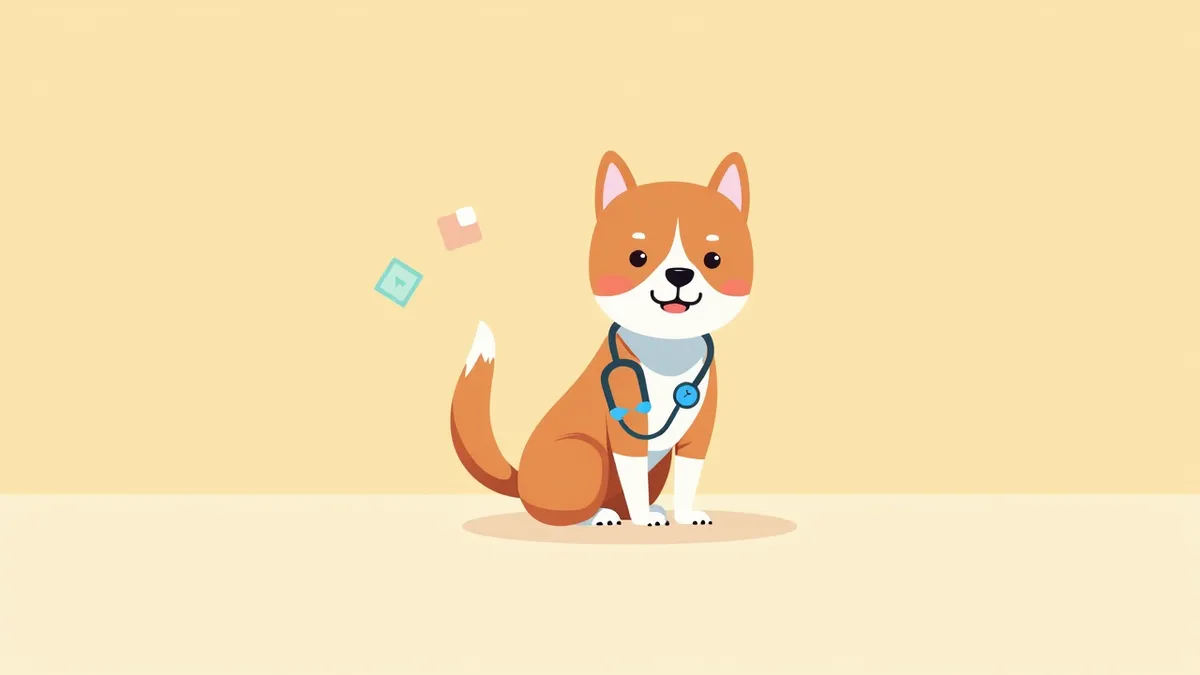
Note: Dental Procedures for Dogs with Heart Disease

Note 1: Why Extra Caution Is Needed

Note 2: Pre-Procedure Cardiac Evaluation and Stabilization Are Key

Note 3: Consultation and Monitoring for Safe Procedures

Key Points on Heart Disease and Dental Procedures
| Item | Key points |
|---|---|
| Reason for caution | Anesthesia risk increases with heart disease, but leaving oral inflammation untreated is also a burden |
| Balanced judgment | Weigh the benefits and risks by examining heart and oral conditions together |
| Pre-assessment | Determine the timing of the procedure after stabilizing with cardiac testing and medication adjustment |
| Safe procedure | Heart rate, respiration, and blood pressure monitoring with fluids and dedicated staff |
| Consultation | Plan through cardiology-dental collaboration and decide timing with the veterinarian |
This is not a table recommending specific products or hospitals, but a reference for when consulting a veterinarian. Always make treatment and testing decisions together with a veterinarian through an examination.
Caution: Veterinary Consultation Is Essential Before Dental Procedures for Dogs with Heart Disease
Dogs with compromised heart function may experience increased cardiac stress from dental surgery or aggressive treatments. In particular, dental procedures involving anesthesia can be risky, so a veterinarian must evaluate the dog’s heart condition before making any decisions. Do not give treats or supplements without your veterinarian’s recommendation.
Tips: How to Maintain Your Dog’s Heart and Dental Health Long-Term

Reviewed by a veterinarian

Dr. Tony — Punnawat Phongkittirak
VeterinarianA veterinarian who majored in veterinary medicine at Khon Kaen University, Thailand, and completed the IVSA program at North Carolina State University in the United States. Drawing on clinical experience at animal hospitals, he works in the pet healthcare field and is dedicated to building a digital care environment that connects pet parents with veterinarians.
Reviewed 2026-06-03
Frequently Asked Questions
Can dogs with heart disease also receive dental care?
What are the benefits of a product that supports both heart and dental health?
Which of the BEST products should I choose first?
Is it okay to give treats or supplements every day?
What should I keep in mind when giving dental cleaner treats to a dog with heart disease?
Share
Related Guides

Coenzyme Q10 Benefits and Administration Guide
Dog Pulmonary Edema Warning — 7 Best Diuretics (Furosemide) for Heart Management

7 Best Prescription Diets for Feline Heart Disease Recommended by Veterinarians — Criteria for Choosing Low-Sodium Food
Top 3 Dog Lung Fluke Management Recommendations and Selection Criteria

Top 3 Recommended Canine Neospora Management Products and Selection Criteria

Top Recommended Lyme Disease Management Products for Dogs and Selection Criteria

Comprehensive Guide to the Best Heartworm Prevention and Treatment Products for Dogs and How to Choose Them

Top Recommended Giardia Management Products for Dogs and How to Choose Them

Top Recommended Flea Control Products for Dogs and Selection Criteria

Top Recommended Products and Selection Criteria for Managing Flea Allergy Dermatitis in Dogs
References
[1] Chetboul V, Pouchelon JL, Menard J, et al. Short-term efficacy and safety of torasemide and furosemide in 366 dogs with degenerative mitral valve disease: the TEST study. J Vet Intern Med. 2017;31(6):1629-1642.
[2] Freid KJ, Freeman LM, Rush JE, et al. Retrospective study of dilated cardiomyopathy in dogs. J Vet Intern Med. 2020;35(1):58-67. doi:10.1111/jvim.15721
[3] 100 Top Consultations in Small Animal General Practice. Treatment of calculus, gingivitis and periodontal disease. Human toothpaste should never be used in animals because they contain detergents, foaming agents and fluoride, which is toxic when swallowed on a long-term basis.