Like
Share
멍실장
강아지가 편안하게 누워 있는 모습, 약물 관리 상황을 상징

7 Key Management Essentials for Dog Antiarrhythmic Medications That Pet Owners Must Know

HeartTop PicksMeongsiljang Veterinary Advisory Board

Accurate diagnosis by a veterinarian and the selection of tailored medications are essential for intravenous therapy in dogs. To ensure effective and safe medication management, we’ve compiled the top three recommended products along with key criteria for choosing them.

Dog Antiarrhythmic Medications Must Be Used Under Veterinary Guidance
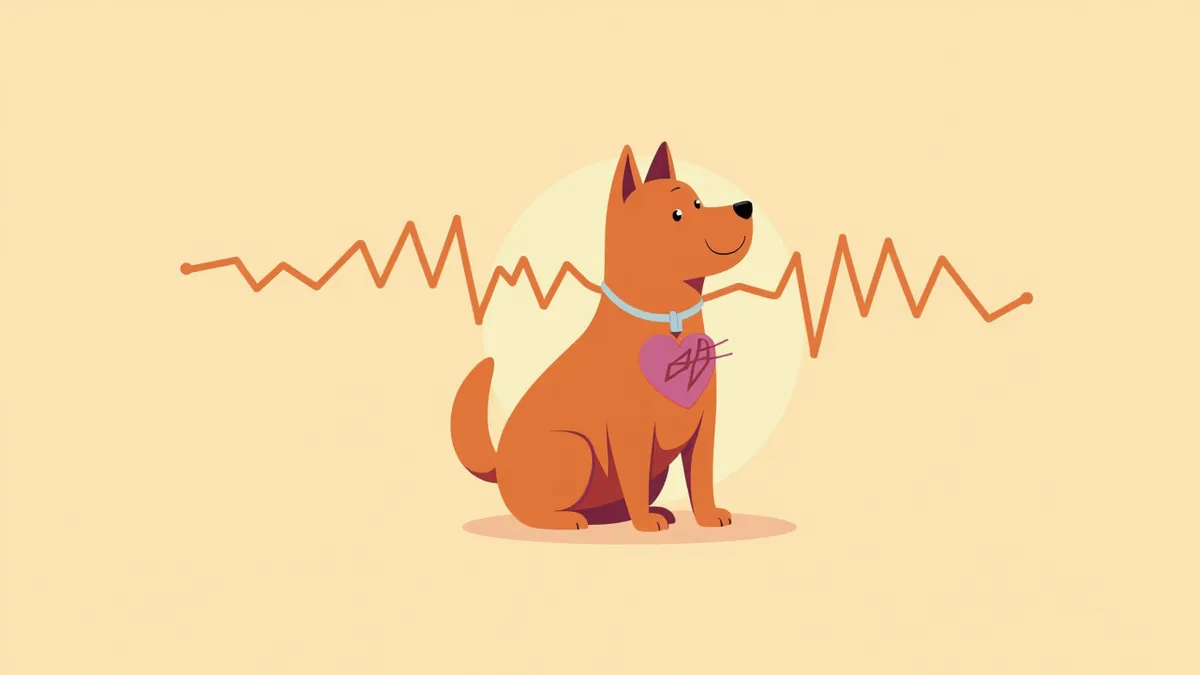
A medical illustration comparing irregular cardiac electrical signals with normal patterns.
Antiarrhythmic medications for dogs are essential treatments that help stabilize heart rhythm. Improper use can lead to serious side effects, and most antiarrhythmic drugs have proarrhythmic properties that can actually worsen arrhythmias, so self-medication is absolutely prohibited. Veterinarians determine the underlying cause through precise diagnostics such as echocardiography, electrocardiograms (ECG), and Holter monitoring, carefully weighing the risks and benefits before prescribing a tailored medication. Regular check-ups and blood tests are essential to maximize both the efficacy and safety of the treatment. If any unusual symptoms arise while your dog is on medication, consult your veterinarian immediately. Because the appropriate medication depends on your dog’s weight, age, and underlying health conditions, a one-size-fits-all approach is dangerous.

Good to Know: Managing Dog Antiarrhythmic Medications
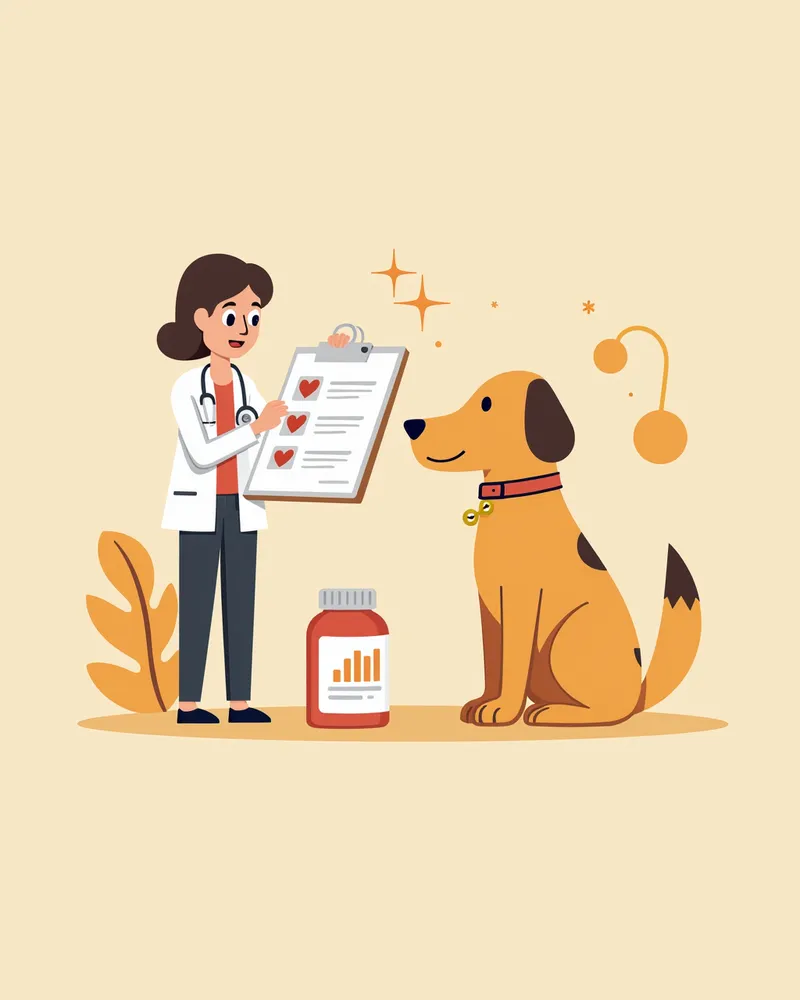
When selecting intravenous antiarrhythmic medications for your dog, be sure to check the following criteria, as each factor directly impacts the drug's safety and efficacy.
Appropriate medication for the specific condition: The choice of drug varies depending on the underlying cause, such as atrial fibrillation or ventricular arrhythmias.
Weight-based dosing: The precise dosage is determined according to your dog's body weight.
Potential side effects: Adverse reactions such as hypotension or a decreased heart rate may occur.
Drug interactions: Combining the medication with other drugs can increase the risk of complications.
Dosing frequency and convenience: Choose a regimen that fits your daily routine, considering factors like once-daily versus twice-daily administration, or liquid versus capsule formulations.
A veterinarian reviewing the safety and side effects of antineoplastic drugs.

Good to Know 1: What Is Canine Arrhythmia and How Dangerous Is It?
Arrhythmia is a condition where the rhythm or rate of the heartbeat falls outside the normal range. In dogs, it can be caused by heart diseases such as dilated cardiomyopathy (common in breeds like Doberman Pinschers) or arrhythmogenic right ventricular cardiomyopathy (common in Boxers and English Bulldogs), myocarditis, infiltrative heart disease, electrolyte imbalances, pheochromocytoma, hypoxia, or ischemia. Mild arrhythmias may show few or no symptoms, but severe cases can lead to weakness, difficulty breathing, fainting, or even sudden death. If you notice abnormal breathing, sudden lethargy, or fainting at home, it is important to visit a veterinary clinic immediately.
An image showing amiodarone medication capsules alongside a dog's paw print.

Good to Know 2: What Are the Antiarrhythmic Treatment Options?

Antiarrhythmic treatment varies significantly depending on the type of arrhythmia and the underlying disease. Veterinarians determine the treatment plan after identifying the cause through electrocardiograms (ECG), cardiac ultrasound, blood tests, and other diagnostics. In some cases, correcting reversible causes, such as electrolyte imbalances (e.g., abnormal potassium levels), is the first priority. If medication is necessary, veterinarians prescribe specific antiarrhythmic drugs, and the type, dosage, and administration interval must be strictly determined by the veterinarian. Since different antiarrhythmics carry varying risks of side effects and proarrhythmia, they are selected after carefully weighing risks and benefits; using human heart medications without veterinary guidance is extremely dangerous.
An image showing citalopram tablets alongside a heart.

Good to Know 3: Long-Term Management and Precautions Pet Owners Must Know
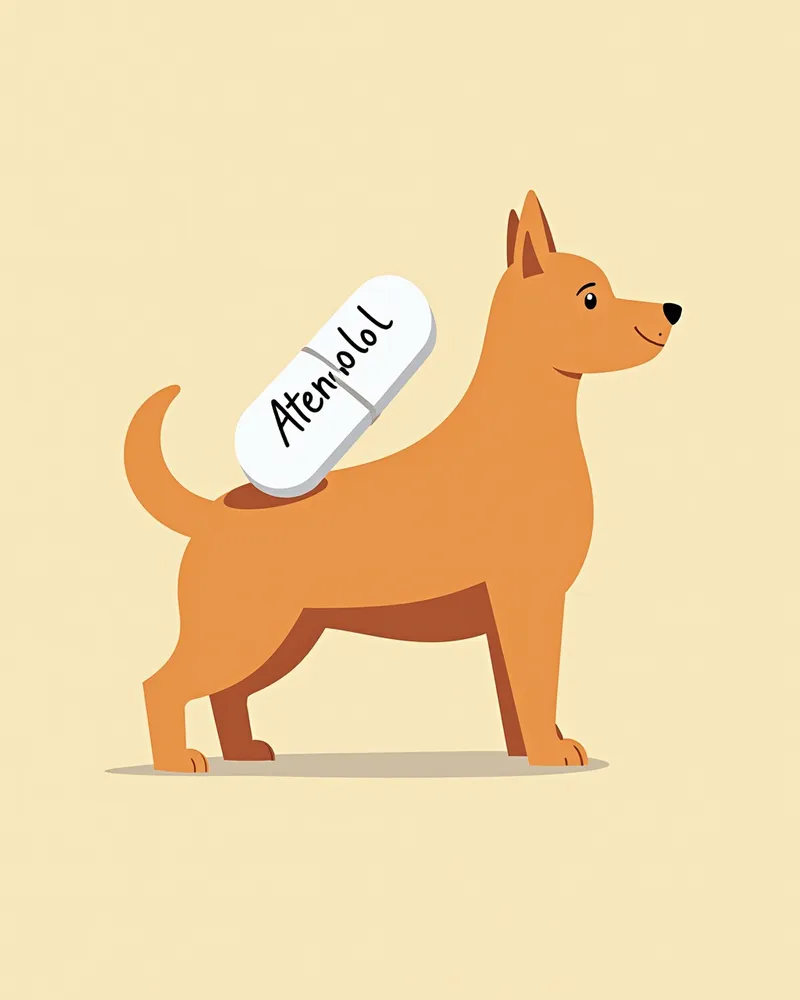
Dogs taking antiarrhythmic medications require regular ECG and blood tests to monitor both efficacy and potential side effects. Do not stop the medication or adjust the dosage without veterinary guidance, as this can worsen the arrhythmia. Contact your veterinarian immediately if you notice decreased appetite, vomiting, lethargy, or changes in breathing. Avoid purchasing heart-related supplements or health foods online, as their effectiveness is unverified and they may interact with current medications; always consult your veterinarian before making any decisions.
An image featuring Atenolol tablets alongside a silhouette of a dog.

Points Pet Owners Should Keep in Mind Regarding Dog Antiarrhythmic Medications

ItemKey Points
ConditionA state in which the heart's rhythm and rate deviate from normal
CauseVarious, including dilated cardiomyopathy, myocarditis, electrolyte imbalance, and pheochromocytoma
DiagnosisConfirmed by the veterinarian through ECG, echocardiography, and blood tests
TreatmentAdministration of veterinarian-prescribed antiarrhythmic drugs after correcting the underlying cause
CautionArbitrary discontinuation, dose changes, and use of unverified supplements are prohibited

This is not a table recommending specific products or hospitals, but rather a reference standard for when consulting a veterinarian. Treatment and examination decisions must always be made together with a veterinarian through consultation.

Sudden Severe Breathing Difficulty or Shock Symptoms Require Immediate Veterinary Visit

If your dog suddenly develops rapid breathing, a bluish tint to its mouth, or collapses, seek veterinary care immediately. These symptoms may indicate an adverse drug reaction or worsening heart condition. In emergencies, prompt veterinary intervention can be life-saving.

4 Tips Pet Owners Must Follow When Using Medications
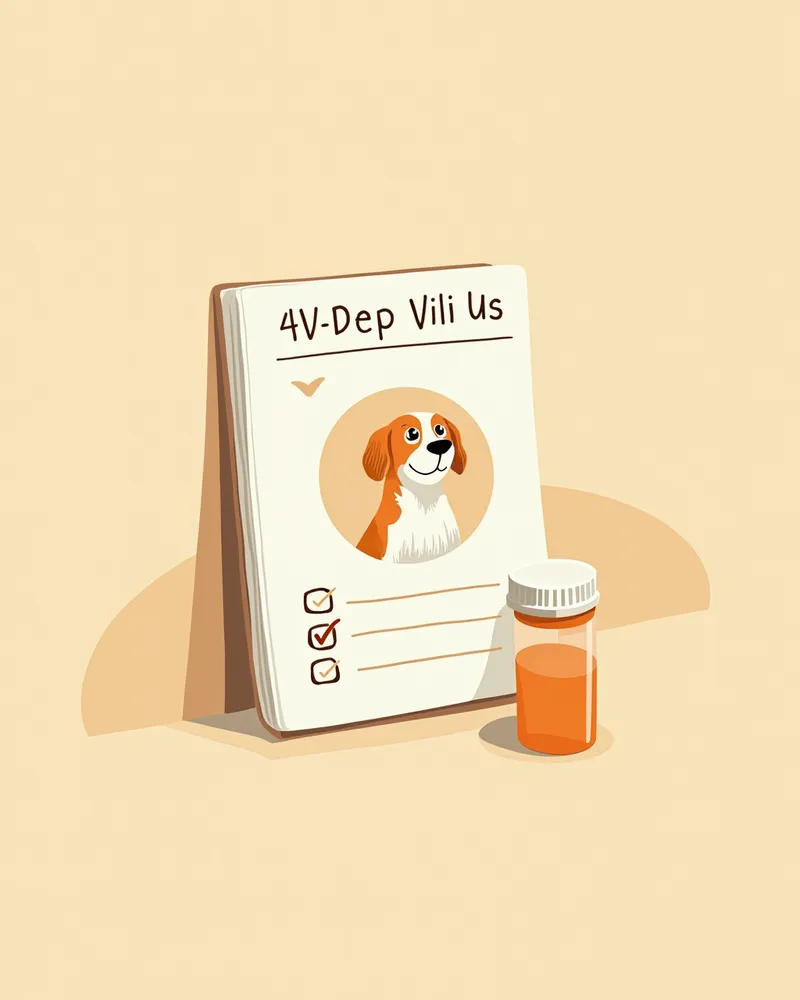
Here’s a summary of what pet owners should keep in mind when using antiarrhythmic medications. These guidelines help maximize the drug’s effectiveness and ensure your pet’s safety.
Regular check-ups are essential: Your veterinarian will regularly monitor your pet through blood tests, echocardiograms, and other assessments.
Never miss a dose: Administer the medication once daily at the same time each day.
Be cautious with food interactions: Some medications may have reduced absorption if taken with meals.
Monitor for adverse reactions: Contact your vet immediately if you notice signs such as shock, lethargy, or loss of appetite.
An image showing a medication diary alongside a medicine bottle.

Reviewed by a veterinarian

Dr. Tony — Punnawat Phongkittirak

Dr. Tony — Punnawat Phongkittirak

Veterinarian

A veterinarian who majored in veterinary medicine at Khon Kaen University, Thailand, and completed the IVSA program at North Carolina State University in the United States. Drawing on clinical experience at animal hospitals, he works in the pet healthcare field and is dedicated to building a digital care environment that connects pet parents with veterinarians.

Frequently Asked Questions

Can my dog take antiarrhythmic medication at home?
Use only under the precise prescription and guidance of a veterinarian. Self-prescribing is strictly prohibited.
My pet is drowsy or has no appetite after taking the medication. Is this normal?
While these may be temporary side effects, please contact your veterinarian immediately if they persist.
Do I need to give my pet this medication for the rest of its life?
Depending on your pet's heart condition, short-term or long-term use may be necessary. Please consult with your veterinarian.
Can this be taken with other medications?
Because drug interactions may occur, always consult your veterinarian before using this medication alongside other drugs.
The medication doesn’t seem to be working. Should we switch to a different one?
If there’s no improvement, your veterinarian will reassess your pet’s condition and adjust the medication as needed. Please don’t make any changes on your own.

Share

Related Guides

References

[1] Plumb's Veterinary Drug Handbook, 9th Edition, 2022

[2] Textbook of Cardiovascular Medicine in Dogs and Cats, 2021

[3] Clinical Medicine of the Dog and Cat, 4th Edition, 2020

This information is based on veterinary literature and does not replace diagnosis or treatment. Please consult a veterinarian for specific health concerns.

Metapet Co., Ltd. | CEO: Park Sung-yong | Business Reg. No. 417-88-02562 | Seoul, South Korea | Customer Center

Dog Antiarrhythmic Drugs: 7 Management Essentials for Owners | Meongsiljang