
Like
Share
멍실장
고양이 종양 CT·MRI 스테이징 관리 추천 BEST와 고르는 기준 총정리

Best Practices and Selection Criteria for Cat Tumor CT and MRI Staging Management

Oncology/CancerTop PicksMeongsiljang Veterinary Advisory Board

We’ll walk you through how CT and MRI scans are used to accurately stage tumors in cats, along with the best management strategies recommended by veterinarians.

What Is Cat Tumor CT and MRI Staging?
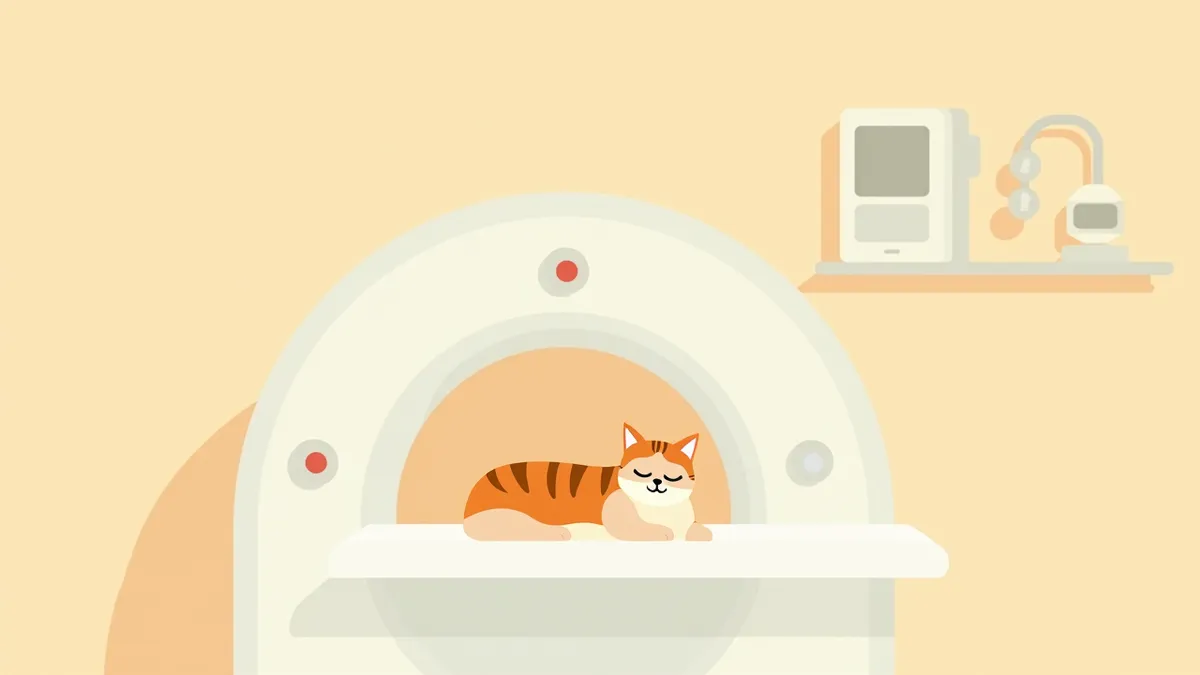
A veterinarian performing an MRI scan on a cat
CT and MRI staging are essential imaging tests for evaluating the size and location of a cat’s tumor, as well as determining whether it has spread to surrounding tissues or other organs. Staging involves assessing the local extent of the disease and the presence of metastasis, which is crucial for deciding on treatment options and predicting prognosis. In particular, MRI provides superior visualization of soft tissues and lesion boundaries, making it especially useful for tumors in the nervous system, such as those in the brain or spinal cord. On the other hand, CT is more advantageous for detecting involvement of the lungs or bone tissue, while abdominal organs are commonly evaluated together with abdominal ultrasound. Accurate staging directly influences the planning of surgery or radiation therapy, and if metastasis is confirmed, chemotherapy may be recommended. Staging accuracy: Helps determine the direction of treatment by clarifying whether the tumor has spread.

Selection Criteria: Tips for Choosing a Hospital for CT and MRI Exams

CT scans provide detailed images of bone and lung tissue, while MRI offers more precise visualization of lesions in the brain, spinal cord, and soft tissues. The appropriate imaging modality should be selected based on the tumor’s location.
CT scan: Ideal for assessing bone invasion and detecting lung metastases.
MRI scan: Best suited for evaluating brain and spinal cord tumors, as well as soft tissue involvement.
Combined use: Most effective for a comprehensive assessment of metastatic spread.
Comparing CT and MRI images of a cat's brain

Check 1: Whether the Facility Offers the Appropriate Exam (CT/MRI) for the Tumor Location

When staging tumors, CT scans are particularly useful for detecting bone invasion and lung metastasis, while MRI provides more accurate visualization of brain, spinal cord, and soft tissue lesions. Therefore, it is important to choose the imaging modality that best suits the tumor’s location and suspected metastatic pathways. When selecting a veterinary hospital, verify whether they have the necessary equipment (CT, MRI, or both) and ensure they clearly explain which test is most appropriate for your cat. In some cases, both imaging techniques may be used together to comprehensively assess the presence of metastasis.
An informational image showing whether the clinic has imaging tests (CT/MRI) appropriate for the tumor's location.

Check 2: Whether Imaging and Oncology Care Are Integrated for Interpretation
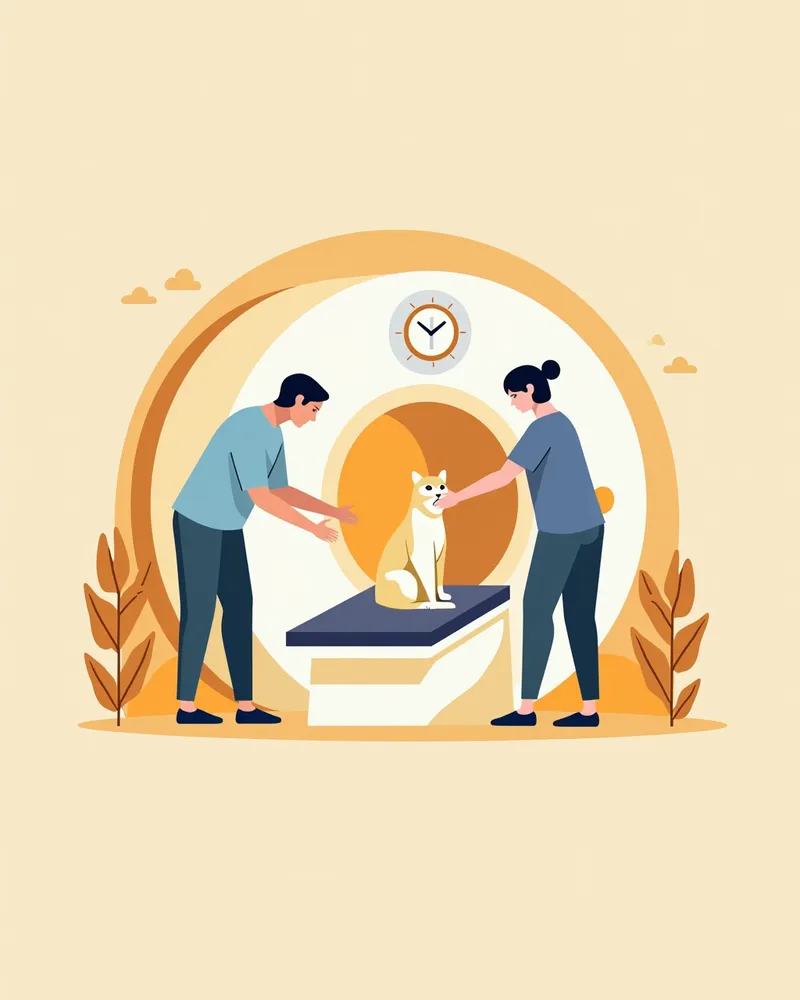
With CT and MRI scans, accurate interpretation is just as critical as the imaging itself, requiring specialized expertise to correctly analyze the images and translate tumor characteristics and staging into a concrete treatment plan. Choosing a hospital that either co-manages oncology care or has dedicated in-house imaging specialists ensures you receive more than just images; it allows for meaningful discussions about next steps, such as surgery, chemotherapy, or radiation therapy, based on the results. When selecting a clinic, verify whether their imaging interpretation is integrated with oncology services and whether they take the time to explain the findings in a way that is clear and understandable for you.
An image explaining how diagnostic imaging and oncology care are integrated for accurate interpretation

Check 3: Anesthesia Safety Management, Accessibility, and Co-management

CT and MRI scans require the patient to remain completely still, so anesthesia or sedation is usually necessary. This is especially true for MRI, which takes longer and requires careful management of anesthesia safety. For senior cats or those with underlying health conditions, a thorough pre-anesthesia evaluation is even more important, so it’s reassuring to choose a facility with a robust anesthesia monitoring system. If you live in an area without specialized equipment, you can also opt for a clinic that collaborates with or refers cases to specialized hospitals for testing. Be sure to consider factors like accessibility, scheduling availability, and how quickly results are communicated.
Guidance image on anesthesia safety management, accessibility, and collaborative care options

Checklist for Selecting a Hospital for Tumor CT and MRI Exams

ItemRecommended Criteria
Testing SuitabilityA facility equipped with CT/MRI appropriate to the tumor location that guides you to the proper examination
Interpretation & CoordinationA facility that connects imaging interpretation expertise with oncology care to build a treatment plan
Anesthesia SafetyA facility with a safety monitoring system for anesthesia/sedation used in testing
Access & CollaborationA facility with a system for referral, collaboration with specialty hospitals, and reporting back results

This is not a table recommending specific products or hospitals, but a reference for when you consult your veterinarian. Always make treatment and testing decisions together with your veterinarian through an examination.

Caution: Anesthesia Risks and Pre-exam Preparation

Because CT and MRI scans require anesthesia to keep your cat still, it's essential to perform heart, liver, and kidney function tests beforehand. Please discuss this thoroughly with your veterinarian before anesthesia.

Usage Tips: Pre- and Post-exam Care

Since anesthesia is required for the procedure, fasting for a specific period is generally recommended beforehand. The exact fasting duration and preparation steps vary depending on your cat’s condition, so please follow your veterinarian’s instructions prior to anesthesia. After the procedure, keep your cat in a quiet place to rest until they have fully recovered from the anesthesia, and contact your veterinarian immediately if you notice any unusual behavior or symptoms.
Before the procedure: Fast as directed by your veterinarian, ensure a calm environment, and complete pre-anesthetic assessments such as cardiac, hepatic, and renal evaluations.
After the procedure: Allow recovery from anesthesia in a quiet space, and follow your veterinarian’s guidance on when to resume feeding.
Records: Keep your test results safely stored, as they will be helpful for developing future treatment plans.
The cat resting quietly after the MRI scan

Reviewed by a veterinarian

Dr. Tony — Punnawat Phongkittirak

Dr. Tony — Punnawat Phongkittirak

Veterinarian

A veterinarian who majored in veterinary medicine at Khon Kaen University, Thailand, and completed the IVSA program at North Carolina State University in the United States. Drawing on clinical experience at animal hospitals, he works in the pet healthcare field and is dedicated to building a digital care environment that connects pet parents with veterinarians.

Frequently Asked Questions

When is an MRI necessary for staging tumors in cats?
MRI excels at revealing the fine details of soft tissues, making it especially useful for assessing the extent of nervous system tumors in the brain and spinal cord. However, MRI isn't always necessary for every tumor; depending on the type and location of the tumor, we may also use chest X-rays, abdominal ultrasounds, or CT scans to help stage the disease.
Which one costs more, CT or MRI?
Costs can vary widely depending on the clinic, the specific tests performed, and your pet’s condition. For an exact price, please contact the clinic where you plan to receive treatment directly.
Can CT or MRI scans be performed without anesthesia?
No. Because a cat’s movement can blur the images and make diagnosis difficult, anesthesia or sedation is usually required. A thorough pre-anesthetic physical examination is essential.
How soon can I get the test results?
Results are typically available within 1–2 days. Specialty hospitals may provide results more quickly, while partner clinics may take longer to receive them.
How is the treatment plan determined after tumor staging?
Based on the staging results, we comprehensively evaluate the tumor’s size, location, and whether it has metastasized to determine whether surgery, radiation therapy, or medication is the most appropriate treatment option.

Share

Related Guides

References

[1] Clinical Medicine of the Dog and Cat, 4th Ed, Chapter 14: Disorders of the Nervous System and Muscle, 2023

[2] Advanced Monitoring for Small Animal Emergency and Critical Care, 2nd Ed, 2021

[3] Veterinary Radiology & Ultrasound, Volume 62, Issue 3, 2021: MRI in Feline Neoplasia Staging

This information is based on veterinary literature and does not replace diagnosis or treatment. Please consult a veterinarian for specific health concerns.

Metapet Co., Ltd. | CEO: Park Sung-yong | Business Reg. No. 417-88-02562 | Seoul, South Korea | Customer Center

Cat Tumor CT & MRI Staging: Best Practices and How to Choose | Meongsiljang