

My Dog’s Belly Is Swollen — 7 Key Points for Managing Cardiac Ascites Paracentesis
Canine cardiac ascites is a condition in which fluid accumulates in the abdominal cavity due to impaired heart function. Paracentesis can help alleviate symptoms and improve quality of life. It is important to choose appropriate management methods and products.
What Is Canine Abdominal Paracentesis (Cardiac Ascites)?
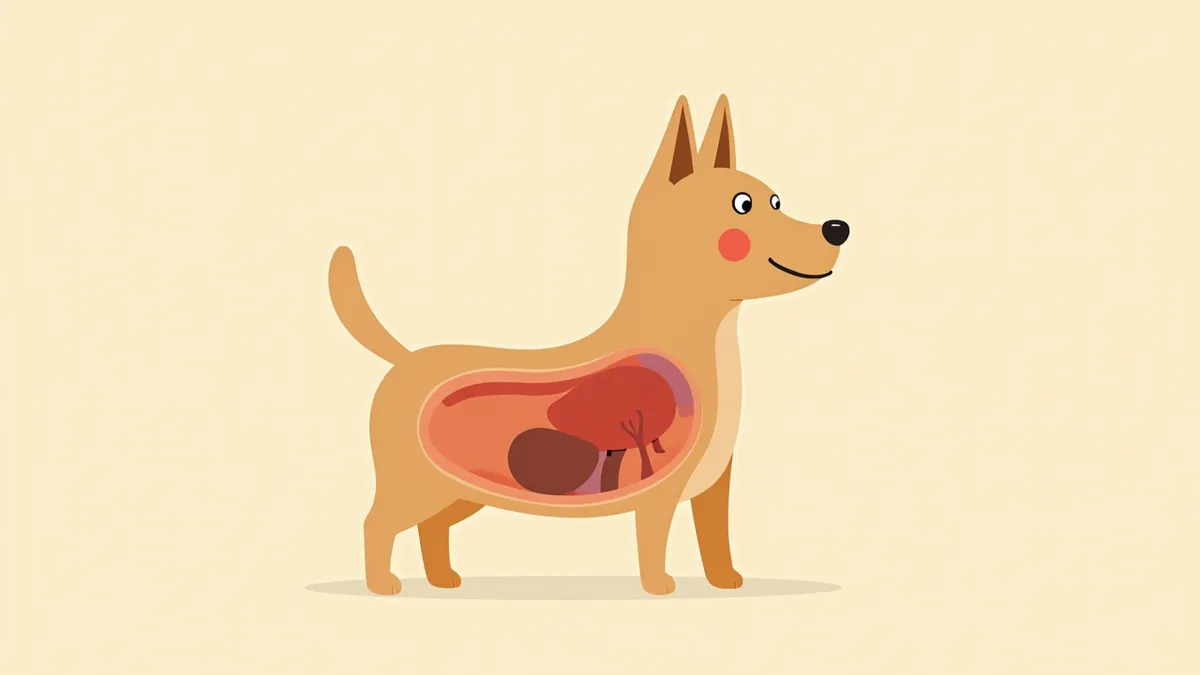
Best Criteria for Choosing Abdominal Paracentesis Management

BEST 1: Premium Abdominal Paracentesis Kit (VetSafe Pro)
BEST 2: Economical Abdominal Paracentesis Set (PetCare Easy)
BEST 3: Portable Abdominal Paracentesis Kit (WanderVet)

Comparison Table of BEST 1–3 Abdominal Paracentesis Kits
| Item | VetSafe Pro | PetCare Easy | WanderVet |
|---|---|---|---|
| Safety | Sterile disposable, metal needle/catheter | Sterile disposable, basic metal needle | Sterile disposable, metal needle/catheter |
| Convenience | Easy stepwise drainage control | Basic structure, simple use | Portable, drainage control possible |
| Price | High | Low | Moderate |
| Mobility | Average | Average | Excellent (convenient for transfer between hospitals) |
| Recommended Use | Animal hospital (veterinarian procedure) | Animal hospital (veterinarian procedure) | Animal hospital (veterinarian procedure, convenient for transfer) |
Use under the guidance of a veterinarian. Abdominocentesis is a specialized procedure, so self-performance is strictly prohibited.
Precautions and Contraindications
Abdominal paracentesis should never be performed at home. Attempting the procedure in a non-sterile environment carries risks of infection, bleeding, and damage to internal organs. It must only be performed at a veterinary clinic under a veterinarian’s accurate diagnosis and strict aseptic technique. Additionally, if your dog has hypoalbuminemia, intra-abdominal bowel perforation, septic peritonitis, or a bleeding tendency (such as thrombocytopenia or exposure to anticoagulants), the procedure may be risky, making veterinary assessment essential. After the procedure, allow your dog to rest comfortably and closely monitor the puncture site for bleeding or swelling, as well as their breathing. Contact your veterinarian immediately if you notice any abnormalities.
Usage Tips and Management Points

Reviewed by a veterinarian

Dr. Tony — Punnawat Phongkittirak
VeterinarianA veterinarian who majored in veterinary medicine at Khon Kaen University, Thailand, and completed the IVSA program at North Carolina State University in the United States. Drawing on clinical experience at animal hospitals, he works in the pet healthcare field and is dedicated to building a digital care environment that connects pet parents with veterinarians.
Reviewed 2026-06-03
Frequently Asked Questions
How often should abdominal paracentesis be performed?
How much pain is normal after abdominal paracentesis?
Can I perform abdominal paracentesis at home?
My dog is sleepy or lethargic after abdominal paracentesis. Is this normal?
When should my pet eat after abdominal paracentesis?
Share
Related Guides

Coenzyme Q10 Benefits and Administration Guide

Dog Pulmonary Edema Warning — 7 Best Diuretics (Furosemide) for Heart Management

7 Best Prescription Diets for Feline Heart Disease Recommended by Veterinarians — Criteria for Choosing Low-Sodium Food

The Ultimate Guide to Cat Summer Heat Management, Heatstroke Prevention, and Product Selection Criteria

The Ultimate Guide to Cat Spaying and Neutering: Pros, Cons, Care Tips, and Selection Criteria

The Ultimate Guide to Recommended Health Screening Items for Senior Cats and How to Choose Them
The Best Recommended Cat Regular Blood Test Items and Selection Criteria: A Complete Guide

The Ultimate Guide to Recommended Rabies Vaccines for Cats and Selection Criteria

Comprehensive Guide to Recommended Products and Selection Criteria for Monitoring Side Effects After Cat Vaccinations

The Best Cat Age Conversion Formula Management Products and Selection Criteria
References
[1] Bain, M.J. and Fan, C.M. (2012). Animal behavior case of the month. J. Am. Vet. Med. Assoc. 240 (6): 673–675.
[2] Textbook of Cardiovascular Medicine in Dogs and Cats (2019). Elsevier, Chapter 7: Fluid Accumulation in Heart Failure.
[3] Drobatz, K.J., Hopper, K., Rozanski, E., Silverstein, D.C. (2019). Textbook of Small Animal Emergency Medicine. Wiley-Blackwell, p. 936–941.