Like
Share
멍실장
강아지 대동맥 협착 관리 추천 BEST와 고르는 기준 총정리

7 Vet-Recommended Tips for Managing Canine Aortic Stenosis — From Heart Murmurs to Exercise Restrictions

HeartTop PicksMeongsiljang Veterinary Advisory Board

Canine aortic stenosis is a hereditary heart condition, so early detection and proper management are essential. We’ve compiled the key criteria for choosing the best products and effective care strategies in one easy-to-read guide.

Canine Aortic Stenosis Is a Hereditary Heart Condition

Image explaining the heart structure in dogs with aortic stenosis
Aortic stenosis in dogs is a congenital heart condition in which the aorta or the area just below the valve (subvalvular region) narrows, obstructing blood flow from the left ventricle. Subvalvular aortic stenosis (SAS) is the most common form. A genetic predisposition has been reported in certain breeds, including Newfoundlands, Boxers, German Shepherds, Golden Retrievers, Rottweilers, and Labrador Retrievers. The disease course varies among individuals: some dogs live near-normal lifespans, while others progress rapidly despite medical management. Regardless of the severity of the stenosis, the risk of aortic valve endocarditis increases, making early detection through regular cardiac ultrasound screenings important even before symptoms appear. Developing a tailored management plan with your veterinarian is the most effective approach, with early intervention and consistent care being key.

Best Criteria for Choosing Canine Aortic Stenosis Management Products
Canine aortic stenosis is a condition in which the aortic inlet or the area beneath the valve is structurally narrowed, so dietary supplements alone cannot eliminate the stenosis itself. Therefore, it is best to view these products strictly as complements to a veterinarian’s diagnosis and treatment plan, focusing on ingredients with reported benefits for heart health. Using them under veterinary guidance is the safest approach, and you should always verify the product’s label for ingredient amounts and quality certifications.
Omega-3 Fatty Acids: n-3 fatty acids have been reported to reduce the production of inflammatory mediators such as TNF and IL-1, thereby alleviating the inflammatory burden on the heart.
Coenzyme Q10: This ingredient is involved in mitochondrial energy production in heart muscle and has antioxidant properties, making it of interest in the management of congestive heart failure.
Low-Sodium Diet: A low-sodium diet helps reduce congestion in dogs with congestive heart failure.
Quality Control: It is important to ensure that the product maintains consistent potency and quality control standards.
Veterinary Consultation: All supplements must be used under veterinary supervision, and management of the stenosis itself should be pursued alongside professional veterinary care.
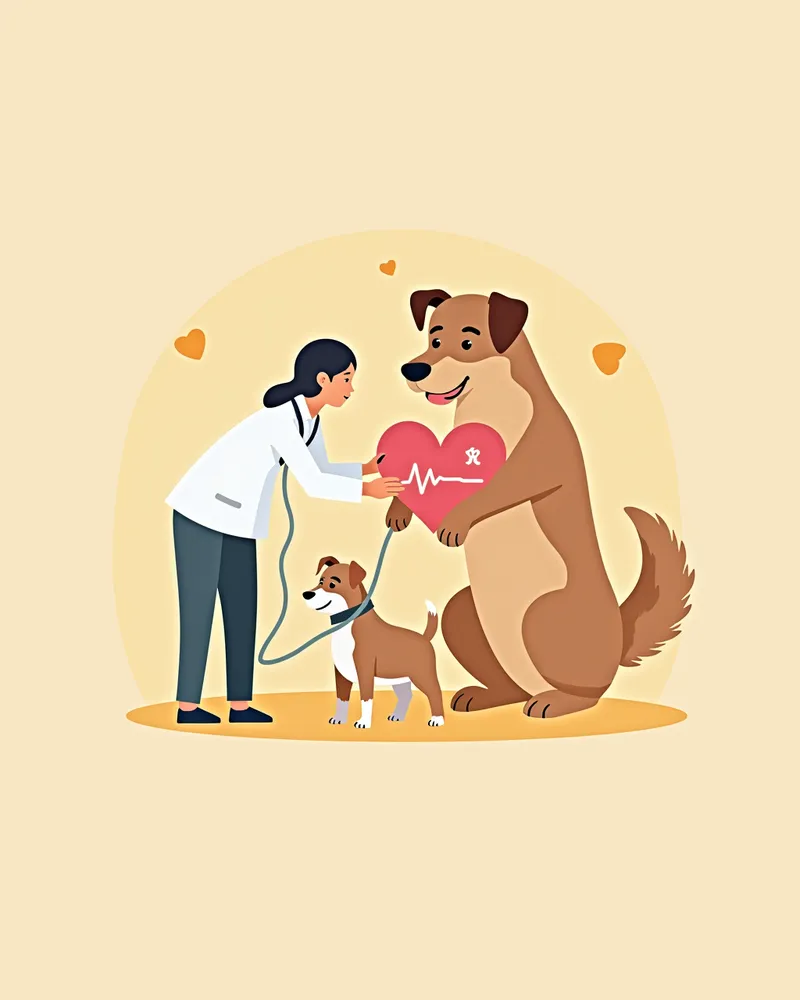
An image of a veterinarian performing a heart examination on a puppy.

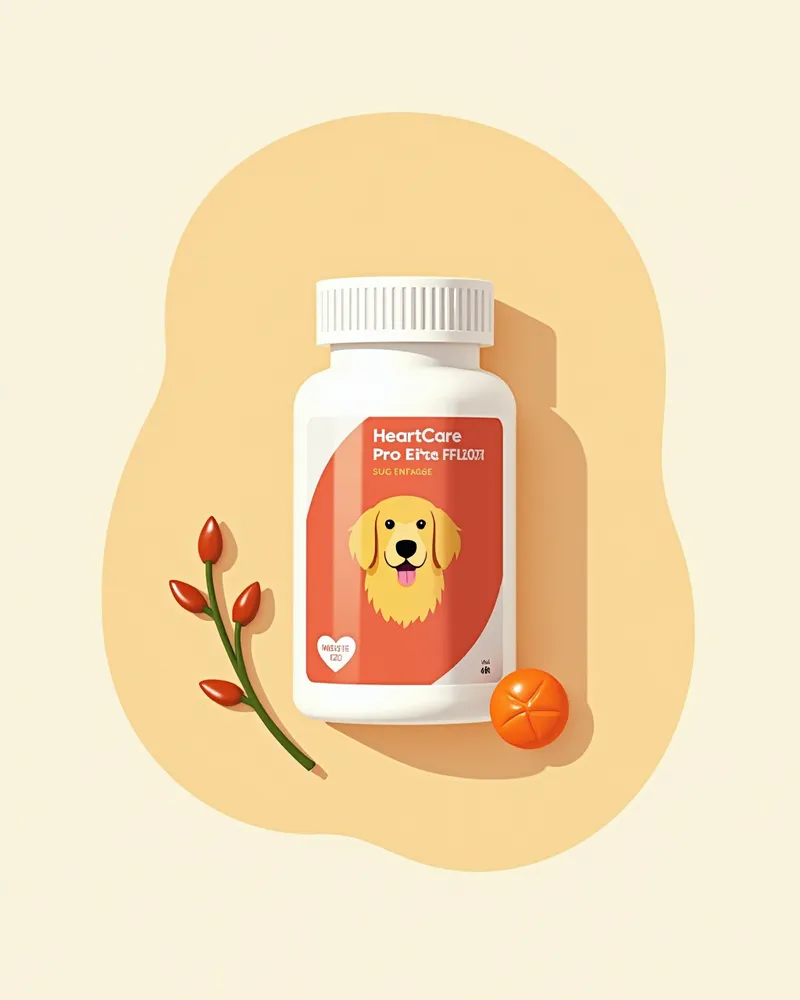
BEST 1: Heart Care Pro Elite

Heart Care Pro Elite is a nutritional supplement featuring omega-3, lutein, and coenzyme Q10 as its key ingredients. Coenzyme Q10 is a component of growing interest in heart failure management because it participates in mitochondrial energy production in the heart muscle and exhibits antioxidant effects. - Supports heart health: Omega-3 fatty acids may help reduce the inflammatory burden on the heart by decreasing the production of inflammatory mediators. - Supplementary nutrition: However, there is no evidence that these ingredients can treat the structural narrowing itself in aortic stenosis or directly alter heart contractility or vascular resistance; therefore, they should be used only as a supportive measure. The appropriate dosage and suitability vary depending on your dog’s weight and condition, so be sure to consult your veterinarian to determine the right plan. Keep in mind that correcting the stenosis itself requires specialized procedures, such as balloon valvuloplasty, or medication management by a veterinarian. This supplement can be beneficial as part of consistent, supportive care.
Heart Care Pro Elite product image

BEST 2: Collagen Healing Heart Capsules
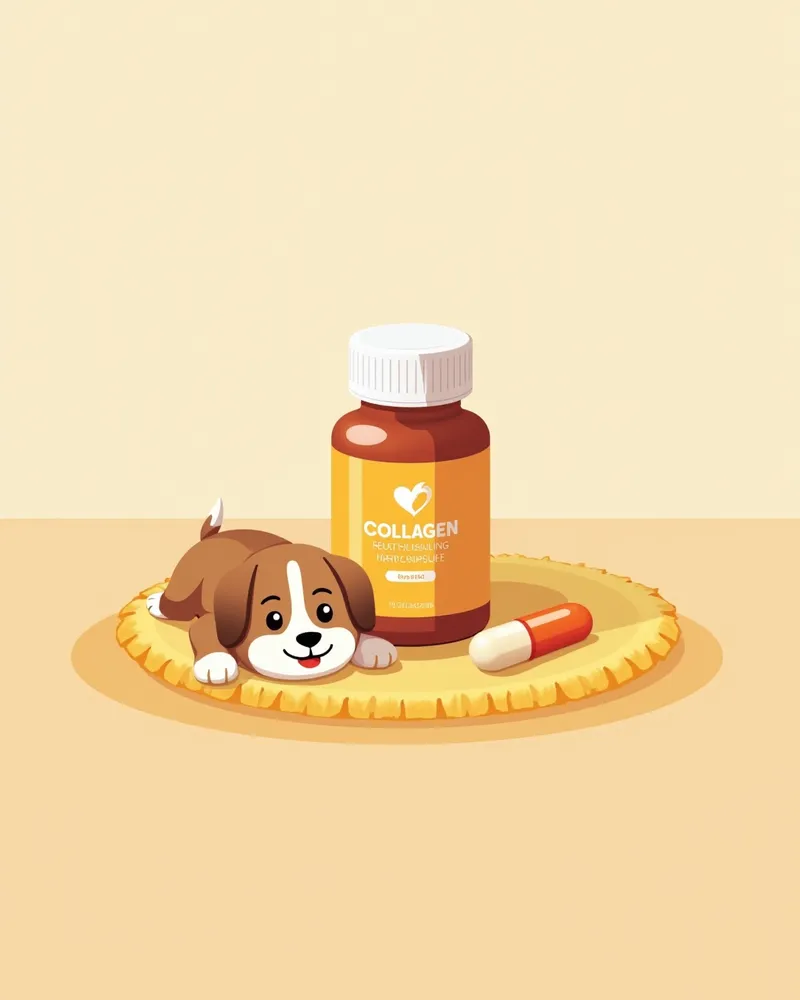
Collagen Healing Heart Capsules are a supplement primarily containing collagen and vitamin C. However, aortic stenosis is a structural condition in which the outflow tract from the left ventricle narrows, rather than a disease involving blood vessel rupture. Therefore, there is no evidence to support the claim that collagen or vitamin C strengthens blood vessel walls to reduce the risk of rupture. - Support for reducing inflammatory burden: While n-3 fatty acids are generally reported to reduce inflammatory mediators, the proposed evidence does not confirm any direct cardioprotective effects of collagen or vitamin C themselves. - Supplementary use: Consequently, this product should be considered solely as a nutritional supplement, not as a treatment. Whether to administer it and the appropriate dosage (e.g., with meals) should be determined in consultation with a veterinarian, taking into account the pet’s breed, weight, and health status. Since major complications of aortic stenosis include congestive heart failure, syncope, and sudden death, regular cardiac ultrasound screenings and professional veterinary care are far more important than supplements.
Product image of Collagen Healing Heart Capsules

BEST 3: Premium Heart-Support Powder
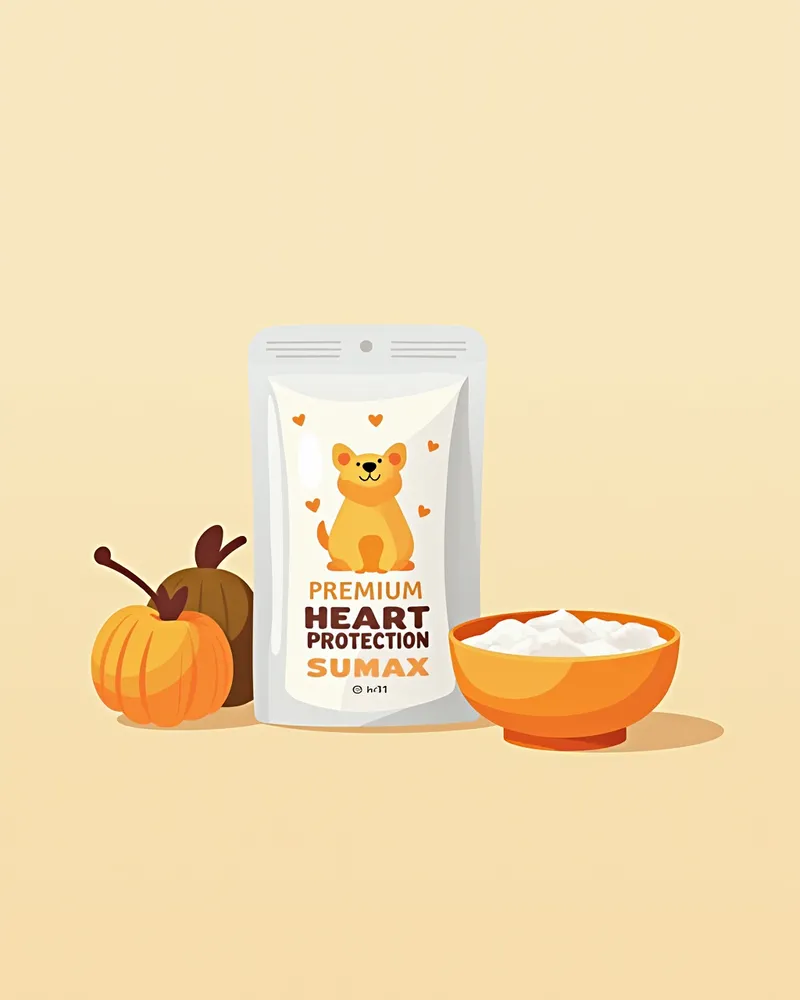
Our premium heart-support powder is a powdered supplement containing omega-3 fatty acids, lutein, magnesium, and vitamin E. Its powder form makes it easy to mix into your dog’s meals, and the dosage can be adjusted according to your dog’s breed, weight, and health status. Omega-3 fatty acids have been reported to help reduce the production of inflammatory mediators, while magnesium is a mineral whose blood levels are recommended to be monitored in dogs with heart failure. However, there is no evidence that these ingredients improve advanced aortic stenosis itself or produce faster results, so this product should be used strictly as a supportive aid. Please consult your veterinarian to determine the appropriate daily dose and whether this supplement is suitable for your dog, and use it in conjunction with comprehensive heart care, such as a low-sodium diet.
Premium heart-support powder product image

Comparison Table of BEST 1–3 Products

ItemHeart Care Pro EliteCollagen Healing Heart CapsulePremium Heart Protection Powder
Main ingredientsOmega-3, Lutein, CoQ10Collagen, Vitamin COmega-3, Lutein, Magnesium, Vitamin E
FormulationCapsuleCapsulePowder
Recommended weight range10kg and aboveAll weightsAll weights
Recommended daily dose1 tablet1–2 tablets1 teaspoon
Veterinarian recommendedYesYesYes

Use under the guidance of a veterinarian. When choosing a product, consider your dog's weight, symptom severity, and medical history.

Caution: Overdosing May Increase Heart Workload

Heart-protective supplements should be given at the dosage prescribed by your veterinarian. Overdosing can cause blood pressure fluctuations and increase the workload on the heart. Extra caution is especially important for senior dogs or those with underlying health conditions.

Tips for Managing Canine Aortic Stenosis

Managing aortic stenosis in dogs goes beyond simply giving nutritional supplements; daily care is equally important. The key is to maintain regular walks while avoiding excessive exercise. It’s also essential to create a low-stress environment and schedule regular heart check-ups.
Walk Regulation: Aim for 1–2 short, low-impact walks per day, each lasting about 15–20 minutes.
Exercise Restrictions: Avoid strenuous activities such as jumping, running, or sprinting.
Stress Management: Maintain a calm environment and stick to a consistent daily routine.
Regular Check-ups: Heart ultrasound examinations are recommended every six months.
Dietary Adjustments: Reduce salt intake and provide a diet that supports heart health.
Tips for Managing Walks in Dogs with Aortic Stenosis

Reviewed by a veterinarian

Dr. Tony — Punnawat Phongkittirak

Dr. Tony — Punnawat Phongkittirak

Veterinarian

A veterinarian who majored in veterinary medicine at Khon Kaen University, Thailand, and completed the IVSA program at North Carolina State University in the United States. Drawing on clinical experience at animal hospitals, he works in the pet healthcare field and is dedicated to building a digital care environment that connects pet parents with veterinarians.

Frequently Asked Questions

Is aortic stenosis in dogs curable?
While there are currently limited options for a complete cure of aortic stenosis itself, appropriate management and veterinary care can help maintain your pet’s quality of life and lifespan. However, the progression of the condition varies from individual to individual; some dogs may enjoy a near-normal lifespan, while others may experience rapid progression despite medication. Early detection and consistent management are key.
Which breeds are commonly affected by aortic stenosis?
Genetic predisposition has been reported in Newfoundland, Boxer, German Shepherd, Golden Retriever, Rottweiler, and Labrador Retriever breeds. It has also been reported in some terrier breeds, such as the Fox Terrier. It is advisable for dogs of at-risk breeds to undergo cardiac examinations from an early age.
When should I start giving my pet the supplement?
There is no evidence that nutritional supplements can prevent aortic stenosis. Therefore, it is best to use them only as a supportive measure when a veterinarian determines they are necessary after evaluating your dog’s condition. For breeds at higher risk, regular cardiac check-ups starting from puppyhood are especially important.
How should I exercise?
Avoid strenuous exercise and instead recommend light, low-impact walks of 15–20 minutes, once or twice a day. Keep a close eye on your dog’s response during activity—such as breathing patterns, signs of fatigue, or fainting—and make sure they don’t overexert themselves.
How often should I have my pet’s heart checked?
Echocardiography is the key diagnostic test for determining the location and severity of the stenosis. The frequency of these exams varies depending on the severity of the stenosis and the progression of symptoms, so please follow your veterinarian’s guidance for regular monitoring and adjust the intervals as recommended.

Share

Related Guides

References

[1] Belanger MC, Côté E, Beauchamp G. Association between aortoseptal angle in Golden Retriever puppies and subaortic stenosis in adulthood. J Vet Intern Med, 2014, 28(5):1498–1503.

[2] Textbook of Cardiovascular Medicine in Dogs and Cats. 2020. Chapter 7: Congenital Heart Diseases in Canines.

[3] American College of Veterinary Internal Medicine (ACVIM). Consensus Statement on the Diagnosis and Management of Subaortic Stenosis in Dogs. J Vet Intern Med, 2021, 35(4):1567–1580.

This information is based on veterinary literature and does not replace diagnosis or treatment. Please consult a veterinarian for specific health concerns.

Metapet Co., Ltd. | CEO: Park Sung-yong | Business Reg. No. 417-88-02562 | Seoul, South Korea | Customer Center

7 Vet Tips for Canine Aortic Stenosis: Murmurs to Exercise | Meongsiljang