
7 ACE Inhibitors for Dogs Recommended by Veterinarians — Types and Selection Criteria
We’ve compared and analyzed three recommended ACE inhibitor products to help you choose the right one for managing your dog’s heart disease. Always use these medications under veterinary guidance to ensure safety.
What Is ACE Inhibitor Heart Care for Dogs?

Criteria for Choosing an ACE Inhibitor for Dogs

BEST 1: Benazepril Capsule

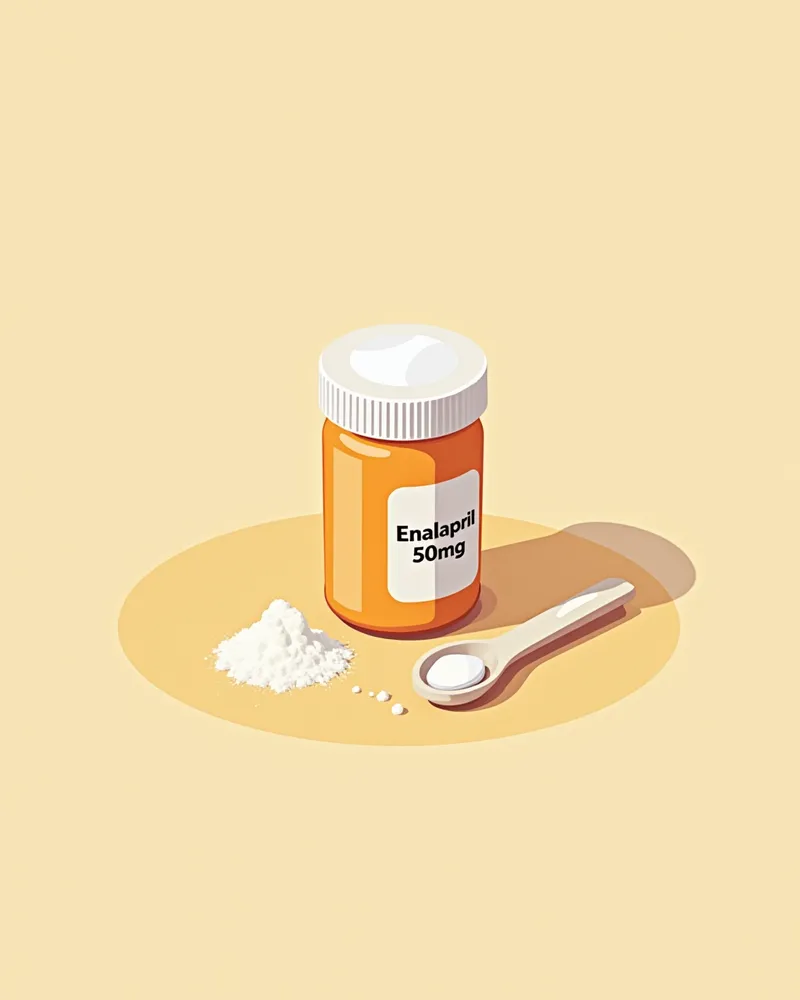
BEST 2: Enalapril Powder
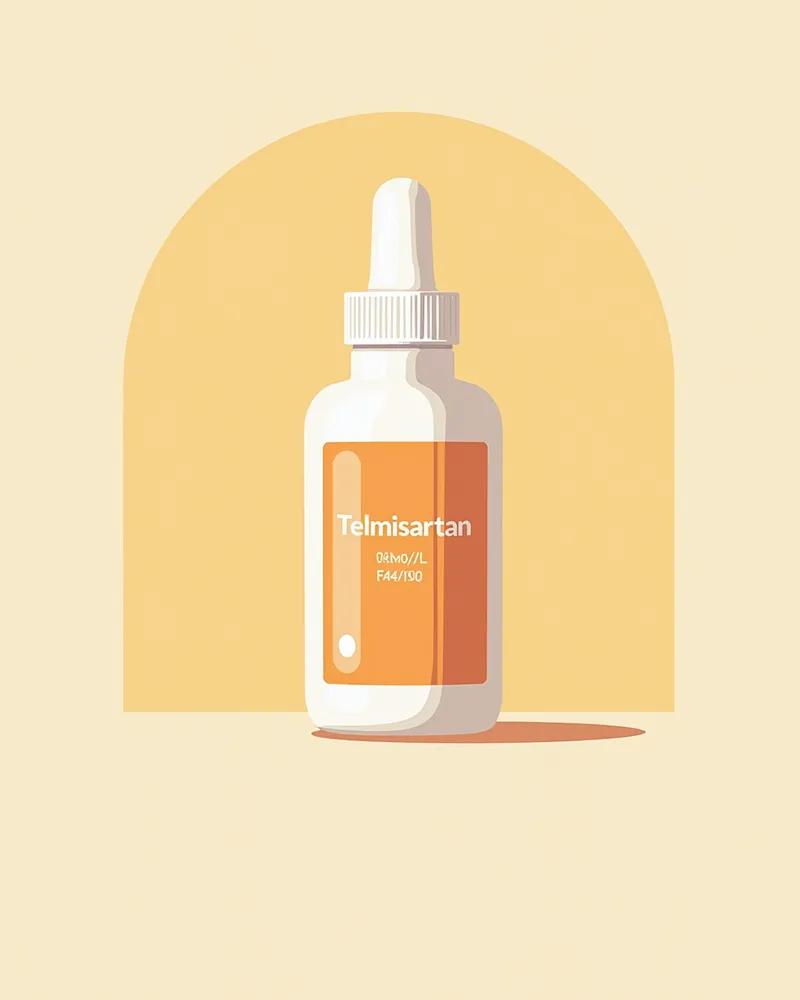
BEST 3: Telmisartan Liquid
Comparison Table of BEST 1–3 ACE Inhibitors for Dogs
| Item | Form | Daily Dosage | Key Advantages |
|---|---|---|---|
| Benazepril capsule | Capsule | 0.5mg/kg | 12–24 hour intervals, convenient to administer |
| Enalapril powder | Powder | 0.5mg/kg | Easy dosage adjustment, can be mixed with food |
| Telmisartan liquid | Liquid | 1mg/kg | Drop form, easy to administer, stable for long-term use |
The veterinarian determines the dosage according to body weight and condition. A check-up must be received before administration.
Precautions and Contraindications
ACE inhibitors for dogs should be used with caution in cases of dehydration or hypotension. If kidney values (azotemia) rise, reduce the diuretic dose first, then decrease or discontinue the ACE inhibitor if necessary. If dizziness due to low blood pressure, gastrointestinal symptoms such as vomiting or loss of appetite, or coughing occur during treatment, consult your veterinarian immediately. However, coughing may be a sign of progressing heart disease rather than a common side effect of the medication itself. Additionally, interactions such as hyperkalemia can occur when combined with other medications like potassium-sparing diuretics, so please inform us of all medications your dog is currently taking. Regular blood and kidney function tests are necessary to monitor for side effects.
Usage Tips and Management Points

Reviewed by a veterinarian

Dr. Tony — Punnawat Phongkittirak
VeterinarianA veterinarian who majored in veterinary medicine at Khon Kaen University, Thailand, and completed the IVSA program at North Carolina State University in the United States. Drawing on clinical experience at animal hospitals, he works in the pet healthcare field and is dedicated to building a digital care environment that connects pet parents with veterinarians.
Reviewed 2026-06-03
Frequently Asked Questions
When should ACE inhibitors be started?
My pet is coughing while taking the medication. Is this normal?
Can it be taken with meals?
Will heart problems return if I stop the medication?
My pet won’t take its medication. What should I do?
Share
Related Guides

Coenzyme Q10 Benefits and Administration Guide
Dog Pulmonary Edema Warning — 7 Best Diuretics (Furosemide) for Heart Management

7 Best Prescription Diets for Feline Heart Disease Recommended by Veterinarians — Criteria for Choosing Low-Sodium Food

7 Key Points for Emergency Management of Canine Corneal Perforation Recommended by Veterinarians

Top Recommendations and Selection Criteria for Managing Canine Corneal Edema

7 Key Tips for Managing Canine Cataracts and Selection Criteria Recommended by Veterinarians

7 Key Post-Cataract Surgery Care Tips and Criteria Recommended by Veterinarians

7 Essential Daily Care Tips for Happy Blind Dogs and Cats

7 Best Care Products to Reduce Eye Pain in Cats with Feline Uveitis

7 Best Intraocular Pressure (Tonometry) Management Tools for Cat Glaucoma Warning Signs
References
[1] Handbook of Veterinary Pharmacology (2023). Chapter 3: Drugs Used in Heart Failure Therapy.
[2] Textbook of Cardiovascular Medicine in Dogs and Cats (2021). Section on ACE Inhibitors in Canine Heart Disease.
[3] Plumb's Veterinary Drug Handbook, 10th Edition (2022). ACE Inhibitors: Clinical Use and Dosing in Dogs.