

Top Recommended Feline Coccidiosis Management Products and Selection Criteria
Feline coccidiosis is an intestinal parasitic infection that can cause diarrhea and weight loss, making early intervention crucial. The key is selecting effective treatments and proper management strategies.
What is Feline Coccidiosis?
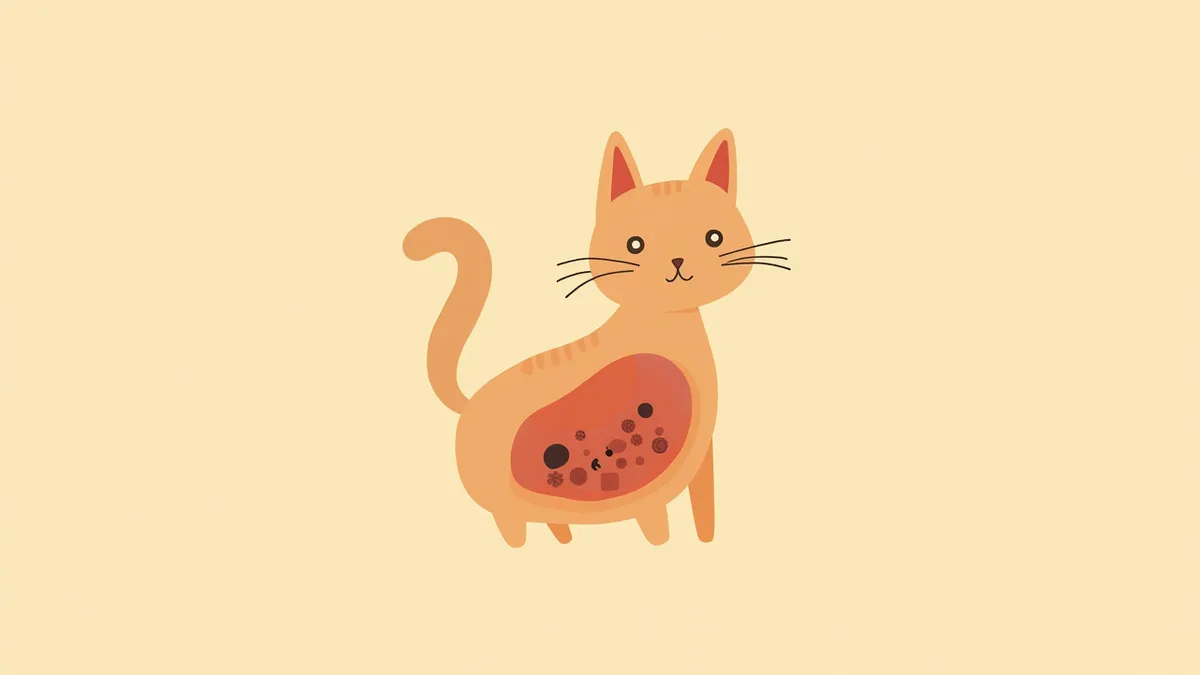
Key Information: Feline Coccidiosis Management

Key Information 1: Symptoms and Urgency of Feline Coccidiosis
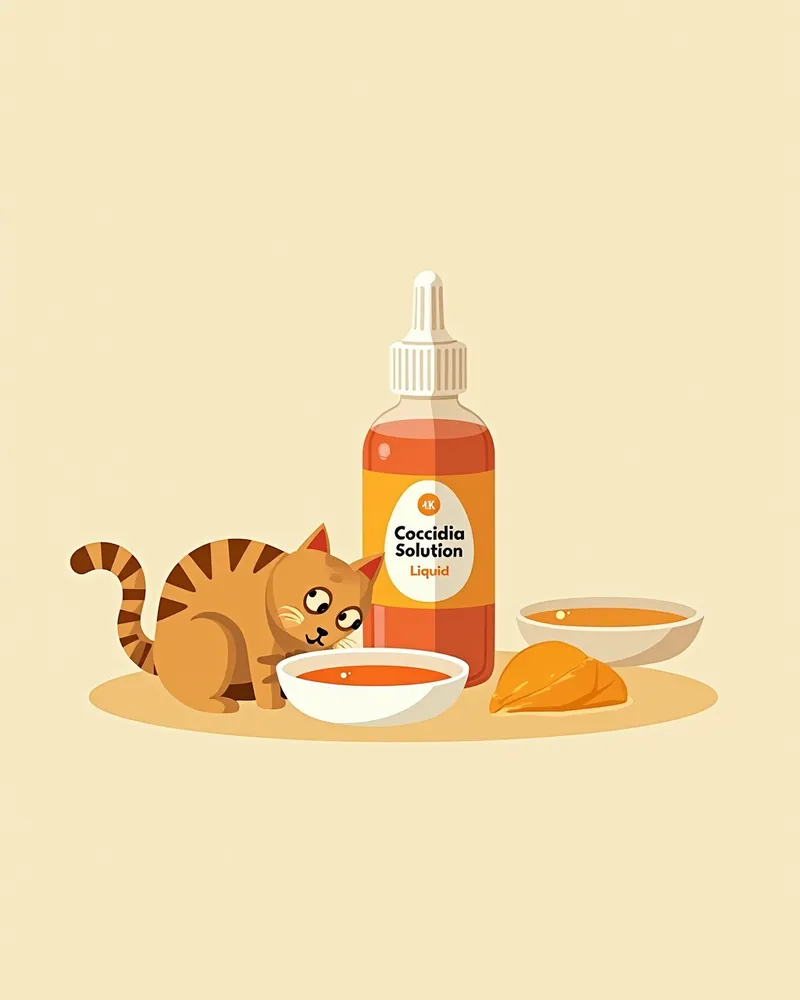
Key Information 2: Diagnosis and Treatment of Coccidiosis

Key Information 3: Coccidiosis Management and Precautions to Prevent Reinfection
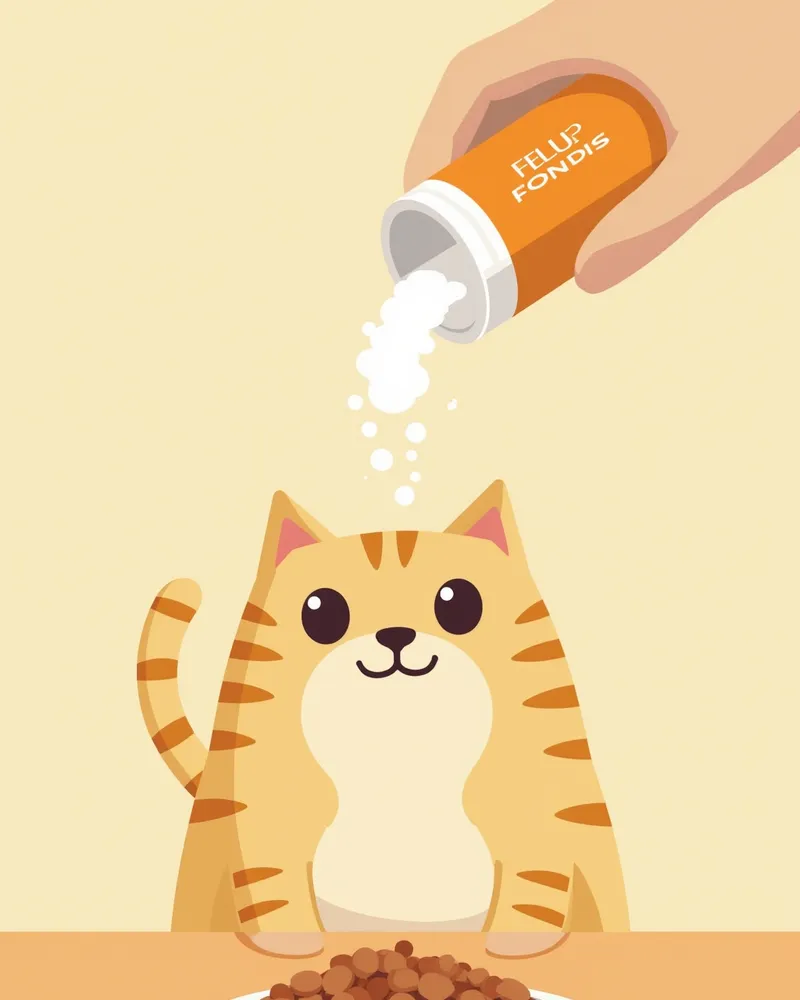
What Cat Owners Should Know About Feline Coccidiosis
| Item | Key Point |
|---|---|
| Symptoms | Bloody stool, loose stool, vomiting, decreased appetite, dehydration |
| Cause | Oral infection with oocysts of the intestinal parasite coccidia |
| Diagnosis | Confirming oocysts via fecal examination |
| Treatment | Oral administration of veterinarian-prescribed anticoccidial medication |
| Management | Environmental disinfection, re-testing, adherence to veterinary instructions |
This is not a table recommending specific products or clinics, but a reference standard for consulting a veterinarian. Always make treatment and testing decisions together with a veterinarian through an examination.
Caution: Risk of Liver Dysfunction with Long-Term Use
Because coccidiostats can cause side effects depending on the medication, it is important to follow the dosage and treatment duration prescribed by your veterinarian exactly. Increasing the dose or extending the treatment period beyond what is necessary can place undue stress on your pet’s body, so adhering to your veterinarian’s instructions helps minimize risks. If diarrhea persists during treatment, or if you notice a loss of appetite, weakness, or other changes, do not make your own judgment—contact your veterinary clinic immediately.
Usage Tips: Effective Management Methods

Reviewed by a veterinarian

Dr. Tony — Punnawat Phongkittirak
VeterinarianA veterinarian who majored in veterinary medicine at Khon Kaen University, Thailand, and completed the IVSA program at North Carolina State University in the United States. Drawing on clinical experience at animal hospitals, he works in the pet healthcare field and is dedicated to building a digital care environment that connects pet parents with veterinarians.
Reviewed 2026-06-29
Frequently Asked Questions
Can feline coccidiosis be transmitted to humans?
My pet is still having diarrhea even after giving them medication. What should I do?
Is it safe for kittens to use as well?
Can my pet become reinfected after stopping the medication?
Is there a way to mix the medicine into the food?
Share
Related Guides

5 Flea and Tick Preventives for Cats Recommended by Veterinarians — Ingredient Safety Comparison

The Ultimate Guide to Differentiating Symptoms, Managing Internal Parasites in Dogs, and Choosing the Best Products

Best Practices and Selection Criteria for Dog Heartworm Antigen Testing

Top 7 Intelligent Dog Breeds Selected by Veterinarians and Trainers — IQ Rankings and Trainability

5 Gentle Cat Breeds Recommended by Veterinarians — A Comparison Guide Covering Temperament and Health
9 Hairless Dog and Cat Breeds — Characteristics and Skincare Tips for Hairless Pets

Top 7 Low-Shedding Dog Breeds
Complete Guide to Cat Breeds (Long-haired, Short-haired, Large, and Small)
Top 5 Cat Hairball Supplements for 2026 — Dietary Fiber & Moisturizing Ingredients
Top 5 Cat Coat Supplements for 2026 — Omega & Biotin
References
[1] Plumb's Veterinary Drug Handbook, 10th Edition, 2023
[2] The Cat: Clinical Medicine and Management, 2nd Edition, 2021
[3] Small Animal Critical Care Medicine, 3rd Edition, 2020