Like
Share
멍실장
고양이 안검내반(눈꺼풀 말림) 관리 추천 BEST와 고르는 기준 총정리

7 Top Vet-Recommended Products for Managing Feline Entropion

Eye HealthTop PicksMeongsiljang Veterinary Advisory Board

Feline entropion is a condition in which the eyelid rolls inward, causing irritation to the eye. Early management is essential to prevent ocular damage. Here are effective products and care methods to help.

Feline entropion is a condition in which the eyelid rolls inward, causing irritation to the eye
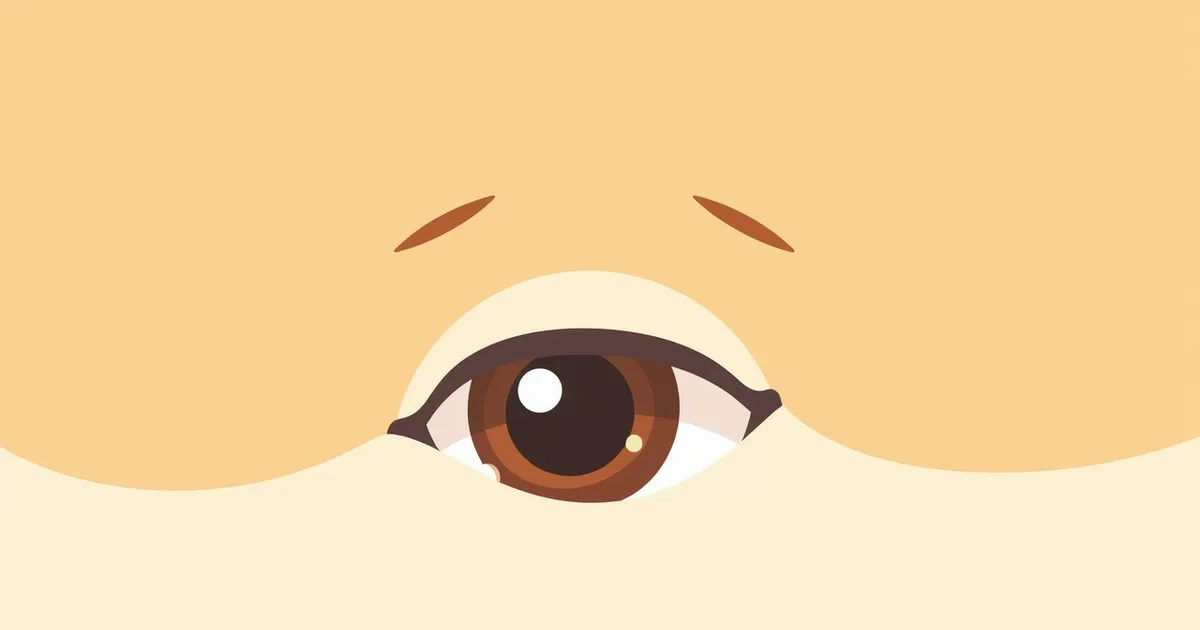
A cat’s eye irritated by entropion
Feline entropion occurs when the eyelid rolls inward, causing eyelashes or hair to rub directly against the cornea. This constant friction leads to tearing, redness, and pain, and in severe cases, can progress to corneal abrasions or ulcers. Early detection is especially important for senior cats, who are at higher risk due to sunken eyes (enophthalmos), and for brachycephalic breeds, whose facial structure predisposes them to this condition. - Prioritize corneal protection: Until corrective treatment is performed, applying a veterinarian-recommended lubricating or protective ointment can help shield the cornea and reduce irritation. - Minimize additional irritation: Keep the area around the eyes clean and prevent your cat from rubbing them to avoid worsening any damage. - Avoid self-treatment: It is unsafe to manually pull the eyelid back or apply human eye drops without veterinary guidance. - Consider professional correction: If the eyelid inversion is significant or if there is corneal damage, surgical correction to reposition the eyelid may be necessary. The safest approach is to have your veterinarian diagnose the condition and work with you to determine the most appropriate management plan.

Key Facts: Managing Entropion (Eyelid Rolling)
When managing feline entropion, the top priority is protecting the cornea from direct contact and minimizing friction and irritation from the eyelid. - Prioritize corneal protection: Until corrective treatment is performed, using a veterinarian-prescribed lubricating and protective ophthalmic ointment helps shield the cornea. - Reduce irritation: Prevent your cat from rubbing its eyes to minimize irritation caused by the inverted eyelid touching the cornea, and keep the area around the eyes clean. - Avoid unauthorized treatments: Do not apply human eye drops or forcibly attempt to pull the eyelid outward with your hands. - Determine the timing for correction: While temporary eyelid inversion in young cats may resolve as they grow, surgical correction such as eyelid tacking or other procedures performed by a veterinarian is necessary if corneal damage is present. - Consult a veterinarian first: For safety and effectiveness, always work with your veterinarian to determine the diagnosis and treatment plan.
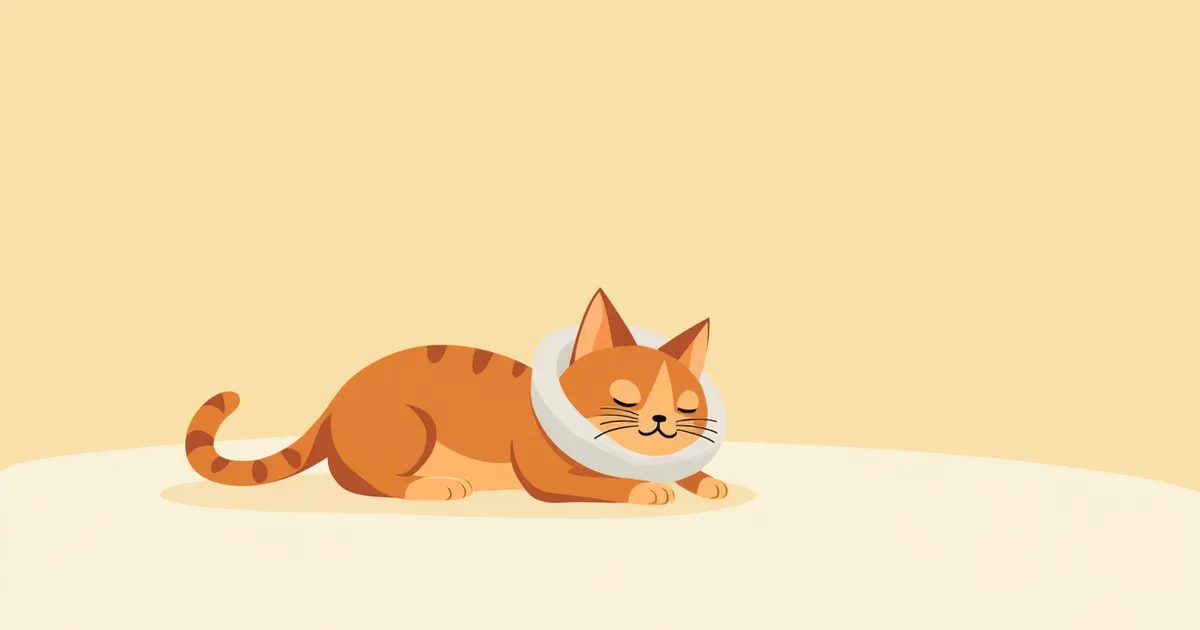
A soft, safe eye guard that can be worn on a cat's eyes

Key Fact 1: What is Entropion?

Entropion is a condition in which the eyelid rolls inward, causing the eyelashes or surrounding hair to rub against the cornea. Persistent irritation can lead to excessive tearing, redness, and frequent eye rubbing; in severe cases, it may result in corneal abrasions or ulcers, causing pain and potential vision loss. This condition can be congenital or develop secondary to chronic inflammation or pain-induced squinting. Unlike simple eye discharge, entropion is a structural issue, so if your pet shows ongoing signs of ocular discomfort, it is important to have a veterinarian evaluate the underlying cause.
What is entropion? Related guide image

Key Fact 2: Diagnosis and Treatment Options

Entropion is diagnosed by examining the eyelid shape and corneal condition, along with fluorescein staining to check for corneal damage. In mild cases, conservative management to reduce irritation may be sufficient, but if the eyelid inversion is significant and corneal damage is present, surgical correction to reposition the eyelid is necessary. In young animals, temporary inversion may resolve as they grow, so timing is carefully considered. When pain and corneal damage are present, prompt correction is beneficial for protecting vision. The treatment approach is determined by the veterinarian based on the diagnosis.
An image providing guidance on diagnosis and treatment options.

Key Fact 3: Management and Post-Treatment Care
Protecting the cornea is crucial both before and after correction. Make sure to administer the prescribed eye drops as directed and prevent your pet from rubbing its eyes. After surgery, follow-up visits are necessary to check the eyelid position and corneal healing, as well as to monitor for recurrence or overcorrection. Do not use human eye drops without veterinary advice, and avoid forcefully pulling back dried eyelids with your hands. If you notice any signs of irritation, seek veterinary care promptly. Early detection and management of corneal damage can help reduce pain and preserve vision.
Guidelines for care and post-procedure precautions

Key Points to Know About Entropion

ItemKey Points
ConditionThe eyelid rolls inward so eyelashes/hair irritate the cornea, risking ulcers
SymptomsTearing, redness, eye rubbing, squinting; pain when the cornea is injured
Diagnosis & TreatmentEyelid and corneal examination plus fluorescein staining; surgical correction if clear
CautionDo not use human eye drops or arbitrarily unroll the eyelid; protect the cornea
AftercareConfirm eyelid position, corneal recovery, and recurrence with follow-up visits

This is not a table recommending specific products or clinics, but a reference to consult with your veterinarian. Always make treatment and testing decisions together with your veterinarian through an examination.

Caution: Seek Veterinary Care Immediately if Eye Irritation Occurs

If your cat frequently rubs its eyes, produces excessive tears, or keeps its eyes closed, it may have corneal damage caused by entropion. This condition can worsen rapidly, so seek veterinary care immediately if symptoms persist. At home, focus on protecting the cornea and maintaining cleanliness to reduce irritation, but professional diagnosis and treatment are essential.

Usage Tips: Start Slowly to Help Your Cat Adjust Comfortably
When introducing a new entropion management product to your cat, gradual acclimation is key. - Start with short sessions: Begin by having your cat wear the product for just 5–10 minutes while observing their reaction. - Remove immediately if discomfort occurs: If your cat scratches or rubs their eyes, remove the product right away and try again the next day. - Maintain hand and eye-area hygiene: Wash your hands before use and gently clean the area around your cat’s eyes. - Consult your veterinarian: It’s safest to review the product’s usage instructions and acclimation process with your vet. - Monitor consistently: Check daily for signs of tearing, redness, or irritation after application.
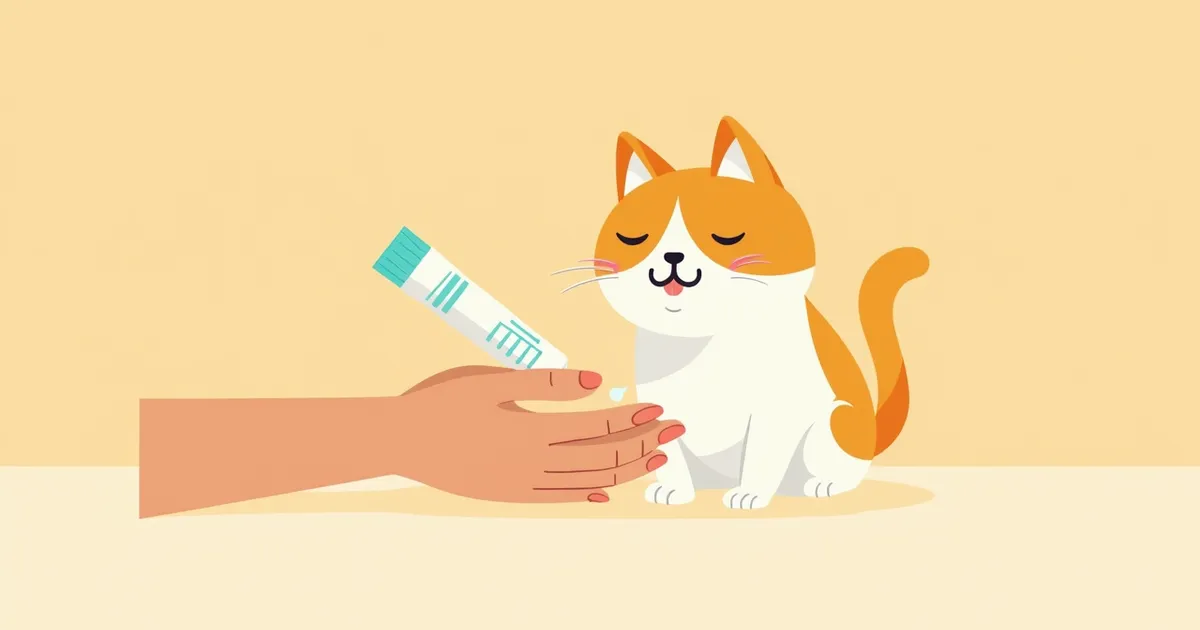
Gently applying eye protection products to a cat

Reviewed by a veterinarian

Dr. Tony — Punnawat Phongkittirak

Dr. Tony — Punnawat Phongkittirak

Veterinarian

A veterinarian who majored in veterinary medicine at Khon Kaen University, Thailand, and completed the IVSA program at North Carolina State University in the United States. Drawing on clinical experience at animal hospitals, he works in the pet healthcare field and is dedicated to building a digital care environment that connects pet parents with veterinarians.

Frequently Asked Questions

Is entropion common in cats?
While this condition is more common in certain breeds (such as brachycephalic cats) and senior cats, any cat can be affected. Early detection is key.
Can entropion be managed without surgery?
Mild or temporary entropion in young cats can sometimes be managed temporarily with veterinarian-prescribed lubricating eye ointment or eyelid tacking, but if the entropion is pronounced or there is corneal damage, surgical correction is usually necessary.
How many times a day should I use the product?
It’s typically used once or twice a day as directed by your veterinarian, with adjustments made based on your pet’s symptoms.
What should I do if my pet starts tearing up more while using the product?
If your pet develops excessive tearing or redness in the eyes, discontinue use of the product and consult your veterinarian, as it may cause irritation.
What should I do if my cat tries to remove the product?
If your cat shows signs of discomfort, remove the item immediately and focus on gradual acclimation. Discuss training strategies with your veterinarian.

Share

Related Guides

References

[1] The Cat, Clinical Medicine and Management, 2nd Edition. Elsevier; 2020.

[2] Maggs DJ. Third eyelid. In: Maggs DJ, Miller PE, Ofri R, Slat... Clinical Atlas of Canine and Feline Ophthalmic Disease, 2nd Ed. Elsevier; 2018.

[3] Cullen CL, Njaa BL, Grahn BH. Ulcerative keratitis associated with qualitative tear film abnormalities. Vet Ophthalmol. 1999;2:197–204.

This information is based on veterinary literature and does not replace diagnosis or treatment. Please consult a veterinarian for specific health concerns.

Metapet Co., Ltd. | CEO: Park Sung-yong | Business Reg. No. 417-88-02562 | Seoul, South Korea | Customer Center

7 Top Vet-Recommended Products for Feline Entropion Care | Meongsiljang