Like
Share
멍실장
강아지 범하수체기능저하증 관리 추천 BEST와 고르는 기준 총정리

7 Key Hormone Management Tips for Canine Panhypopituitarism Recommended by Veterinarians

EndocrineTop PicksMeongsiljang Veterinary Advisory Board

Canine hypopituitarism is a rare condition characterized by deficiencies in multiple hormones, making accurate diagnosis and consistent management essential. With the right products and care strategies, you can significantly improve your dog’s quality of life.

What is Canine Panhypopituitarism?

A medical image highlighting the pituitary gland, the site responsible for canine hypopituitarism.
Canine panhypopituitarism (pituitary dwarfism) is a rare congenital disorder caused by a deficiency of multiple hormones from the anterior pituitary gland, significantly affecting growth and metabolism. - Multiple pituitary hormone deficiencies: It often involves a combined deficiency of not only growth hormone but also thyroid-stimulating hormone and adrenocorticotropic hormone (ACTH). - Primary symptom is growth retardation: A lack of growth hormone leads to proportionate dwarfism, delayed closure of growth plates, and delayed tooth development. - Skin and coat changes: Symmetrical hair loss and hyperpigmentation of the skin in affected areas are commonly observed. - Genetic and breed associations: The condition has been reported genetically in breeds such as German Shepherds and can be confirmed through genetic testing. - Early diagnosis and lifelong management: Because symptoms can be non-specific, accurate diagnostic testing is essential. Treatment under veterinary guidance can improve quality of life.

Criteria for Selecting Management for Canine Panhypopituitarism
Canine pituitary dwarfism is a condition that requires management under a veterinarian’s diagnosis and prescription, rather than relying on randomly selected over-the-counter products. When determining the management approach, the following points should be carefully considered:
Accurate diagnosis first: Diagnosis must be confirmed through blood tests, genetic testing, and other methods to distinguish it from other causes of growth retardation.
Hormone replacement therapy: The cornerstone of treatment is the administration of growth hormone prescribed by a veterinarian. This treatment can be costly and may carry risks such as antibody formation and diabetes.
Management of comorbidities: If secondary hypothyroidism is present, thyroid hormone (levothyroxine) supplementation is necessary.
Nutritional balance: A diet balanced in protein, vitamins, and minerals helps maintain overall health.
Safety and ongoing care: Regular monitoring is essential to ensure safe management during long-term treatment.
A puppy happily taking a supplement in an easy-to-administer form.

BEST 1: Premium Panhypopituitary Hormone Supplement
The cornerstone of treating panhypopituitarism is growth hormone supplementation, prescribed by a veterinarian. Although growth hormone has long been used as a primary treatment, it is costly and requires caution because external administration can lead to antibody formation or diabetes. Over-the-counter “natural hormone supplements” cannot replace the deficient pituitary hormones.
Nature of treatment: This is not a general nutritional supplement; it is hormone therapy that requires a veterinarian’s prescription and ongoing management.
Administration: Dosage and frequency must strictly follow your veterinarian’s instructions.
Expected outcomes: With appropriate treatment, quality of life and survival time can improve.
Precautions: Due to the risk of side effects such as antibody formation and diabetes, regular monitoring is essential, and the medication should be used under veterinary guidance.
Premium hormone supplement specifically formulated for dogs with hypopituitarism

BEST 2: Bioidentical Hormone Balance Nutritional Capsules
Progestins, such as proligestone, are sometimes used as an alternative treatment to growth hormone. Progestins stimulate the mammary glands to produce growth hormone, offering the advantage of avoiding antibody formation that can occur with exogenous growth hormone administration. However, this approach also requires veterinary prescription and monitoring.
Treatment Principle: Stimulates endogenous growth hormone production in the mammary glands.
Administration Method: Administered subcutaneously at regular intervals as directed by a veterinarian, with adjustments based on IGF-1 levels.
Precautions: Side effects such as cystic endometrial hyperplasia, pyometra, and acromegaly have been reported, so regular check-ups are necessary.
Monitoring Points: When starting treatment, closely observe for any adverse reactions.
Capsule-form nutritional supplement for balancing your dog’s hormones

BEST 3: Premium Food for Panhypopituitarism

If secondary hypothyroidism is present, supplementing thyroid hormones (levothyroxine/thyroxine) can be beneficial. Even in cases where thyroid function is normal, a trial dose of approximately half the standard amount may be administered for several months to assess its effect on hair growth.
Treatment Principle: Supplement deficient thyroid hormones or evaluate the hair growth response.
Administration Method: Dosage and duration must be determined by a veterinarian; do not adjust the regimen arbitrarily.
Nutritional Management: A balanced diet supports overall health but does not treat the underlying hormone deficiency.
Precautions: Sudden changes in food can cause gastrointestinal issues, so transition gradually.
Premium dog food specially formulated for hypopituitarism

Comparison Table of Products BEST 1–3

ItemGrowth Hormone SupplementationProgestin (Proligestone)Thyroid Hormone (Levothyroxine)
Main RoleDirectly supplements deficient growth hormoneInduces growth hormone production in the mammary glandsSupplements secondary hypothyroidism
Expected EffectImproves growth, quality of life, and survival durationAvoids antibody formation, normalizes IGF-1Supports metabolism and attempts hair growth
Administration MethodVeterinarian-prescribed injectionPeriodic subcutaneous injectionOral, veterinarian-prescribed
PrecautionsCost burden, risk of antibodies and diabetesPyometra, acromegaly, etc.Dosage determined by the veterinarian
Common PointsVeterinarian diagnosis and prescription essentialVeterinarian diagnosis and prescription essentialVeterinarian diagnosis and prescription essential

All treatments are safest when performed after receiving a veterinarian's diagnosis and prescription.

Precautions and Contraindications

Please use products for managing canine hypopituitarism only under veterinary guidance. Overdosing can worsen hormonal imbalances. In particular, if your dog has underlying health conditions, there may be interactions with other medications, so it is essential to consult with your veterinarian.

Usage Tips and Daily Management Points
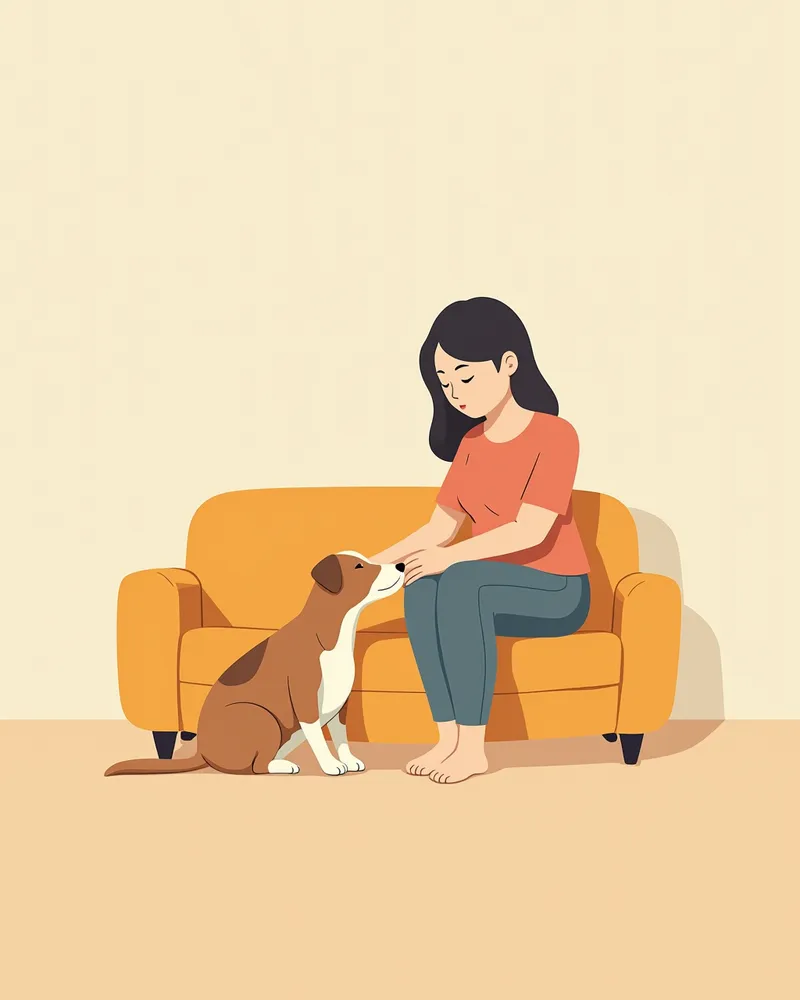
Managing canine hypopituitarism goes beyond simply administering medication; it requires consistent daily observation and regular communication with your veterinarian.
Regular Monitoring: During treatment, periodically check IGF-1 levels, as well as thyroid and adrenal-related values, following your veterinarian’s instructions.
Routine Check-ups: Depending on your dog’s condition, follow-up examinations are typically recommended every few months.
Stress Management: Maintaining a quiet and consistent environment can be helpful.
Nutritional Balance: Support overall health with a balanced diet and healthy treats.
Owner Observation: Quickly notice signs such as fatigue, decreased appetite, or behavioral changes, and consult your veterinarian promptly.
A scene depicting interaction between a pet owner and their dog for managing canine hypopituitarism

Reviewed by a veterinarian

Dr. Tony — Punnawat Phongkittirak

Dr. Tony — Punnawat Phongkittirak

Veterinarian

A veterinarian who majored in veterinary medicine at Khon Kaen University, Thailand, and completed the IVSA program at North Carolina State University in the United States. Drawing on clinical experience at animal hospitals, he works in the pet healthcare field and is dedicated to building a digital care environment that connects pet parents with veterinarians.

Frequently Asked Questions

Is canine hypopituitarism treatable?
While a complete cure is difficult, hormone replacement therapy prescribed by a veterinarian, along with consistent care, can improve quality of life and extend lifespan. Lifelong management is key.
Is it okay to give the product twice a day?
Each medication has its own administration method. Always follow your veterinarian’s instructions and do not adjust the dose on your own, as an overdose can be dangerous.
Is it as simple as just switching to a different food?
A balanced diet supports overall health, but it does not treat the underlying hormone deficiency. The cornerstone of treatment is hormone replacement therapy prescribed by your veterinarian, so please consult with your vet before making any decisions.
When should I take my pet to the vet?
If your pet shows signs such as growth retardation, symmetrical hair loss on both sides of the body, lethargy, decreased appetite, vomiting, or seizures, please visit a veterinary clinic immediately.
Will starting complementary therapy cause any side effects?
During treatment, you may notice side effects or digestive upset. When starting a new medication, closely monitor your pet for a few days and consult your veterinarian if any issues arise.

Share

Related Guides

References

[1] Giger, U. and Gorman, N.T. (1984). Oncologic emergencies in small animals. Veterinary Clinics of North America: Small Animal Practice, 14(1), 1–15.

[2] Barrot, A.C., Bedard, A., and Dunn, M. (2017). Syndrome of inappropriate antidiuretic hormone secretion in a dog with a histiocytic sarcoma. Canadian Veterinary Journal, 58(7), 713–715.

[3] Miell, J., Dhanjal, P., and Jamookeeah, C. (2015). Evidence for the use of demeclocycline in the treatment of hyponatraemia secondary to SIADH: a systematic review. International Journal of Clinical Practice, 69(12), 1396–1417.

This information is based on veterinary literature and does not replace diagnosis or treatment. Please consult a veterinarian for specific health concerns.

Metapet Co., Ltd. | CEO: Park Sung-yong | Business Reg. No. 417-88-02562 | Seoul, South Korea | Customer Center

7 Vet Hormone Management Tips for Canine Panhypopituitarism | Meongsiljang