Like
Share
멍실장
고양이 NT-proBNP·트로포닌 심장 마커 관리 추천 BEST와 고르는 기준 총정리

7 Feline Cardiac Markers Recommended by Veterinarians — A Guide to NT-proBNP and Troponin Tests

HeartTop PicksMeongsiljang Veterinary Advisory Board

We’ve compiled the key criteria and recommended products for NT-proBNP and troponin tests to detect feline heart disease early. This is essential information for accurate diagnosis and management.

What Are Feline NT-proBNP and Troponin Cardiac Markers?
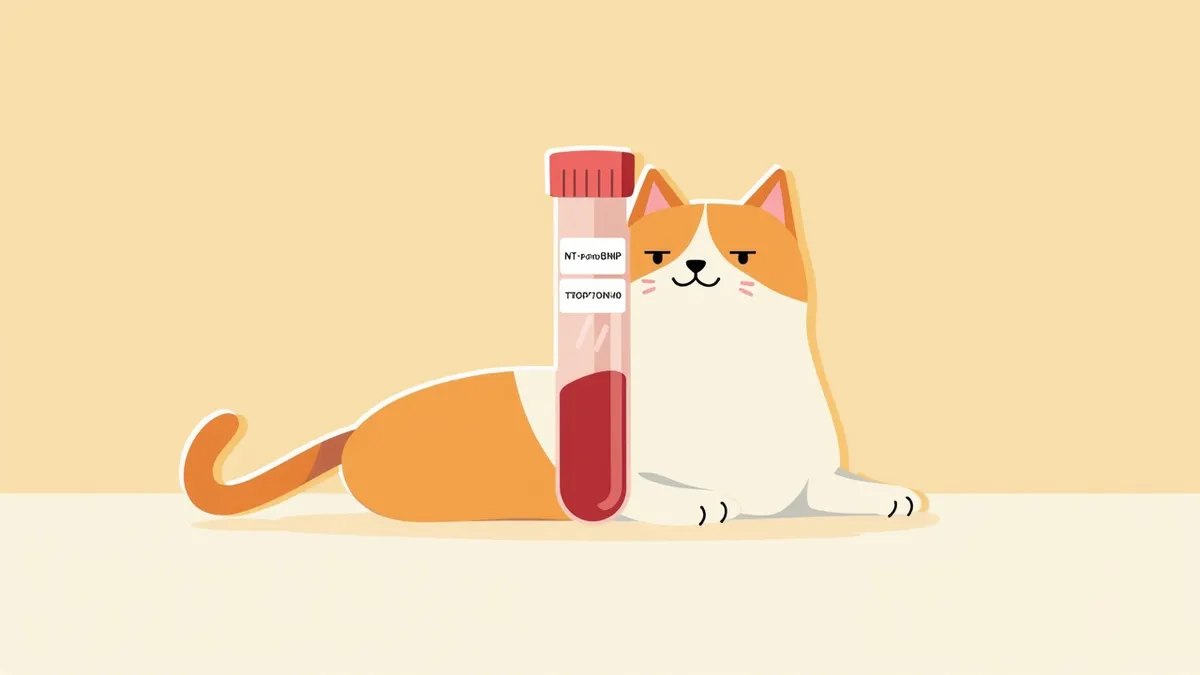
A veterinarian analyzing a cat’s blood sample, with heart marker levels displayed digitally.
NT-proBNP and troponin are key biomarkers for early detection of cardiac dysfunction in cats. When the heart is under stress, these substances are released into the bloodstream, causing their levels to rise. Veterinarians use these values to assess the risk of heart disease. Because cats often show subtle symptoms, making early detection difficult, regular testing is essential. Early identification ensures timely treatment and helps maintain a healthy quality of life. Therefore, cardiac marker testing is an important first step in feline healthcare.

Selection Criteria: Tips for Choosing a Clinic for Feline NT-proBNP and Troponin Cardiac Marker Tests

When choosing a cardiac marker test, accuracy and reliability are the most important factors. You need to consider the testing method, speed, cost, response time, and the veterinarian’s assessment all together. In particular, since cats are prone to stress, a quick and stable test is essential.
High-accuracy testing method: Use a method that meets veterinary standards.
Rapid results: Results should be available within 30 minutes.
Cat-friendly design: The blood collection process should minimize stress.
Veterinarian-assessed interpretation: Professional expertise should be reflected in interpreting the results.
Cost-effective for repeated testing: The cost should be manageable for ongoing monitoring.
The veterinarian is handling the cat calmly while drawing blood, with point-of-care equipment nearby.

Check 1: Does the Clinic Have the Appropriate Equipment and Techniques for Blood Cardiac Marker Testing?
For accurate results, NT-proBNP and troponin tests should use reference ranges specific to cats. Confirm whether the clinic has in-house point-of-care testing equipment or can quickly send samples to an external specialized laboratory. It’s also important to ensure that low-stress handling protocols are in place to minimize stress during blood collection. Clinics with systematic procedures for sample processing and refrigerated storage tend to produce more reliable test results. Rather than focusing solely on equipment availability, it’s better to ask whether the clinic provides an accurate testing environment.
Do you have the appropriate equipment and techniques for blood cardiac marker tests? Related guide image

Check 2: Does the Clinic Explain the Indications for Feline Cardiac Marker Tests and the Testing Workflow?

NT-proBNP and troponin tests are used in various situations, such as detecting heart murmurs, respiratory abnormalities, and screening for asymptomatic hypertrophic cardiomyopathy. When consulting with your veterinarian, make sure they clearly explain the purpose of the test, precautions before and after the procedure, how long it takes to get results, and the criteria for retesting. You should also receive guidance on whether the test will be combined with an echocardiogram (heart ultrasound) and how it will be coordinated with other diagnostic tools like chest X-rays. If your veterinarian can clearly explain when and why the test is being performed, it’s a sign that the clinic operates with a reliable and trustworthy system.
Could you please provide guidance on the indications for feline cardiac marker testing and the workflow for conducting the test?

Check 3: Does the Veterinarian Directly Interpret the Marker Levels and Manage the Results in Context?

NT-proBNP and troponin levels should not be used in isolation to make a diagnosis; they must be interpreted in conjunction with clinical signs and echocardiographic findings. Confirm that your veterinarian clearly explains the significance of the test results and outlines the next steps, such as monitoring, additional testing, or referral to a cardiologist. It is advisable to choose a clinic that provides systematic guidance on whether to refer to a cardiac specialist or initiate medication when high-risk values are detected. Treatment and prescriptions must always be determined by your veterinarian’s professional judgment.
Does the veterinarian personally interpret the marker levels and help you manage the results? Related guide image

Checklist for Choosing a Clinic for Feline NT-proBNP and Troponin Cardiac Markers

ItemRecommended Criteria
EquipmentHas testing equipment capable of applying cat-specific reference ranges, or a system for prompt referral to an external specialist facility
Test OperationsSystematically operates a protocol to minimize stress before and after blood draw, and procedures for refrigerated storage of specimens
Interpretation CapabilityThe veterinarian can directly interpret results, integrating them with clinical signs and echocardiography
Result InterpretationExplains in detail the meaning of the values and next steps (follow-up observation, additional testing, specialist referral)
Cost GuidanceClearly informs the cost range and re-testing criteria in advance before testing

This is not a table recommending specific products or clinics, but criteria to reference when consulting your veterinarian. Always make treatment and testing decisions together with your veterinarian through an examination.

Precautions

A high NT-proBNP level doesn’t necessarily mean your pet has heart disease. Other factors like stress, dehydration, or reduced kidney function can also affect the results. A veterinarian’s comprehensive assessment is essential, so please don’t rely on this test alone for diagnosis.

5 Usage Tips

To get the most out of cardiac marker testing, keep these tips in mind. It’s important that your cat is relaxed before the test, and minimizing stress is key. After the test, be sure to review the results with your veterinarian and consider additional testing if needed.
Rest before testing: Reduce activity and stimulation before the test to help your cat stay calm.
Minimize stress: Have the test done in a familiar, quiet environment where your cat feels comfortable.
Regular testing schedule: The frequency of testing depends on the stage of disease and risk level. For low-risk, asymptomatic cats, annual testing is typical, while cats with more advanced conditions are recommended to be re-evaluated every 6–12 months. Follow your veterinarian’s guidance to create a plan.
Share results: Work with your vet to interpret the numbers and monitor trends over time.
Combine with other tests: Using the most sensitive non-invasive test, echocardiography, along with chest X-rays when necessary, can provide a more accurate assessment.
A veterinarian showing heart marker results to a cat owner in a quiet examination room.

Reviewed by a veterinarian

Dr. Tony — Punnawat Phongkittirak

Dr. Tony — Punnawat Phongkittirak

Veterinarian

A veterinarian who majored in veterinary medicine at Khon Kaen University, Thailand, and completed the IVSA program at North Carolina State University in the United States. Drawing on clinical experience at animal hospitals, he works in the pet healthcare field and is dedicated to building a digital care environment that connects pet parents with veterinarians.

Frequently Asked Questions

Does a high NT-proBNP level always mean heart disease?
No. Various factors, such as stress and kidney function, can affect the results, and there is significant variation between breeds and individual animals, so a definitive diagnosis cannot be made based on this alone. A comprehensive assessment by a veterinarian is necessary.
Should I have my cat checked every year?
The frequency of check-ups varies depending on the stage of the disease and the level of risk. For low-risk, asymptomatic cats, annual check-ups are typically recommended, while cats with advanced stages should be re-evaluated every 6 to 12 months. Regular check-ups are especially important for senior cats.
Can the examination cause stress in cats?
Yes, stress can affect the results. Our veterinarians use calming handling techniques to help keep your cat relaxed.
Can a veterinarian interpret the results?
Yes. Marker values alone aren’t enough; a veterinarian must interpret them in conjunction with clinical signs and echocardiographic findings for an accurate assessment. Even if the marker levels are within the normal range, heart disease cannot be ruled out if other abnormal findings are present.
It’s on the pricier side—why is it so expensive?
Costs vary widely depending on the clinic, the specific tests performed, and your pet’s condition. For an exact price, please contact the clinic where you plan to receive treatment directly.

Share

Related Guides

References

[1] The Cat, Clinical Medicine and Management, 2nd Edition, 2023

[2] Textbook of Cardiovascular Medicine in Dogs and Cats, 2022

[3] Small Animal Critical Care Medicine, 3rd Ed, 2021

This information is based on veterinary literature and does not replace diagnosis or treatment. Please consult a veterinarian for specific health concerns.

Metapet Co., Ltd. | CEO: Park Sung-yong | Business Reg. No. 417-88-02562 | Seoul, South Korea | Customer Center

7 Feline Cardiac Markers: NT-proBNP and Troponin Tests | Meongsiljang