Like
Share
멍실장
고양이 심박조율기 삽입 관리 추천 BEST와 고르는 기준 총정리

7 Key Management Tips for Cats After Pacemaker Implantation, Recommended by Veterinarians

HeartTop PicksMeongsiljang Veterinary Advisory Board

Proper care after a cat’s pacemaker implantation hinges on close collaboration with your veterinarian. Here’s a clear overview of effective management strategies and recommended products.

Pacemaker Implantation in Cats is an Essential Treatment to Save Lives
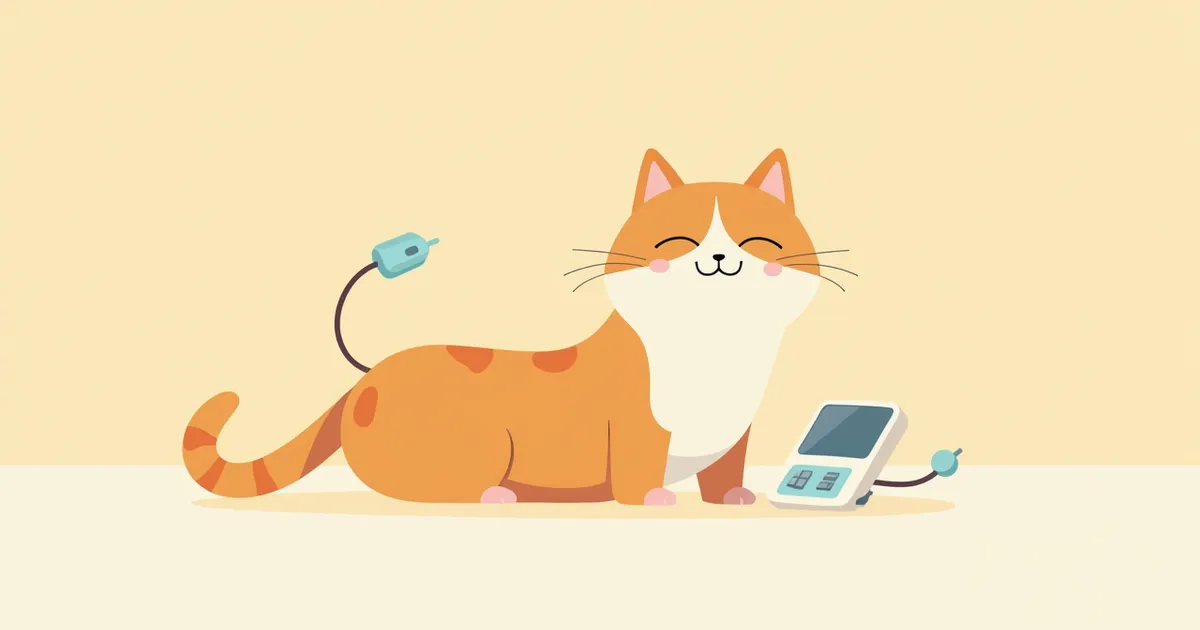
A cat recovering after pacemaker implantation
Implanting a pacemaker in cats is a vital treatment performed when a dangerously slow heart rate threatens the cat’s life. By delivering electrical signals, it stabilizes the heartbeat to maintain proper breathing and blood circulation. Consistent post-operative care is essential, and the owner’s active involvement plays a significant role in recovery. Regular veterinary check-ups must go hand-in-hand with careful home management. Preventing infection at the implant site and minimizing the cat’s discomfort are particularly important. This treatment is not just a surgery, but the beginning of long-term health management.

5 Key Criteria for Post-Implantation Pacemaker Management
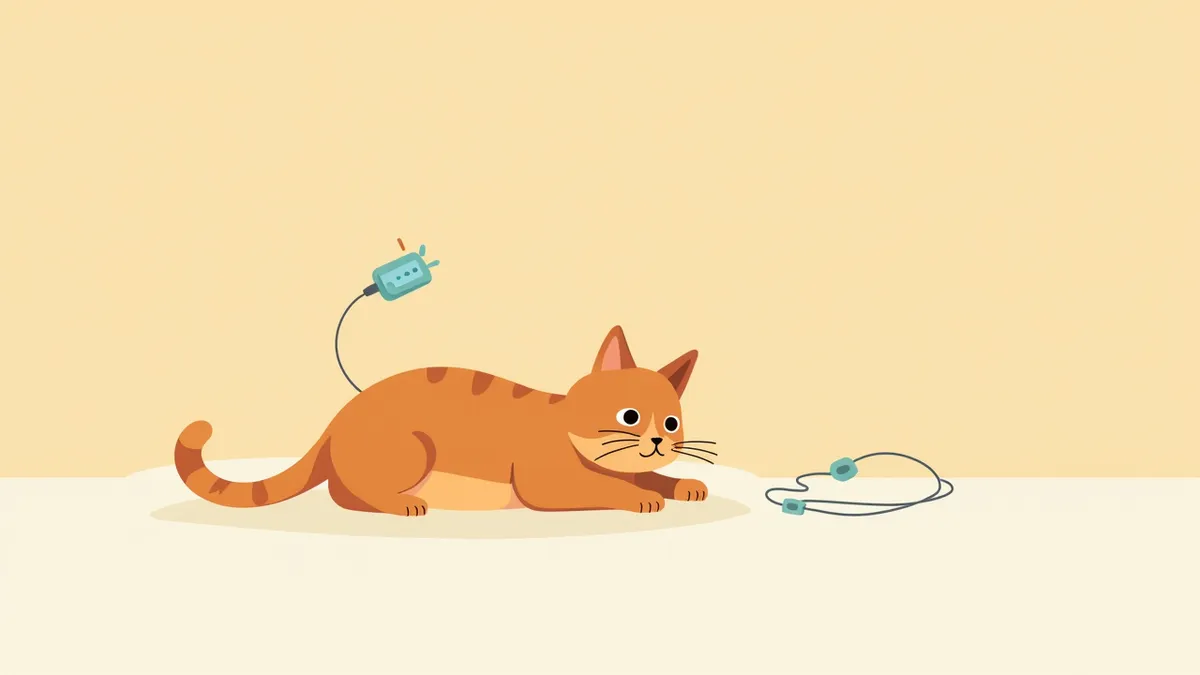
There are key criteria to consider for effective management after pacemaker implantation. By following these guidelines, you can help ensure a stable recovery.
Regular veterinary check-ups: After implantation, visit the clinic periodically to monitor whether the heart rhythm is being properly regulated and to check the battery status. Your veterinarian will determine the appropriate interval for these check-ups based on your cat’s condition.
Monitoring skin condition: Check the implant site daily for swelling, warmth, or bleeding. Seromas and infections are the most common complications following implantation.
Activity restriction: To aid recovery, strictly limit running and jumping for approximately four weeks after surgery and keep your cat calm.
Adherence to medication: Administer any prescribed medications exactly as directed by your veterinarian.
Record-keeping: Keep a log of heart rate, behavioral changes, and food intake, similar to a daily journal.
A veterinarian checking the status of a cat's pacemaker.

BEST 1: Premium Pacemaker Care Kit (Includes Dedicated Case)

This is a comprehensive kit specially designed for post-operative care after pacemaker implantation in cats. - Dedicated Case: A durable case that protects the surgical site from external impact and scratches, with flexible adjustability to accommodate your cat’s movements. - Non-Irritating Care Pad: Made from natural cotton, this pad minimizes skin irritation and offers excellent breathability for effective moisture control. - Regular Check-up Diary: Easily track veterinary examination records and monitor your cat’s condition. - Portable Storage Case: Keeps all kit components neatly organized for convenient use during travel or vet visits. - Veterinarian-Recommended Product: Proven for its safety and practicality in clinical settings.
Premium Kit for Managing Feline Pacemakers

BEST 2: Smart Pet Care Band with Pacemaker Monitoring App Integration
This care pad is designed for direct application to the pacemaker implantation site and is made from natural cotton to minimize skin irritation. - Non-irritating material: We’ve selected a soft, low-irritation fabric that’s safe even for cats with sensitive skin. - Excellent breathability: It quickly wicks away moisture and sweat to help maintain healthy skin. - Reduces scratching and licking: Helps curb your cat’s urge to scratch or lick, protecting the surgical site. - Washable: Designed for easy cleaning, allowing repeated use. - Easy to wear: Flexibly conforms to your cat’s movements, ensuring comfortable, long-term wear. Consistent use during the post-operative recovery period can significantly reduce the risk of infection.
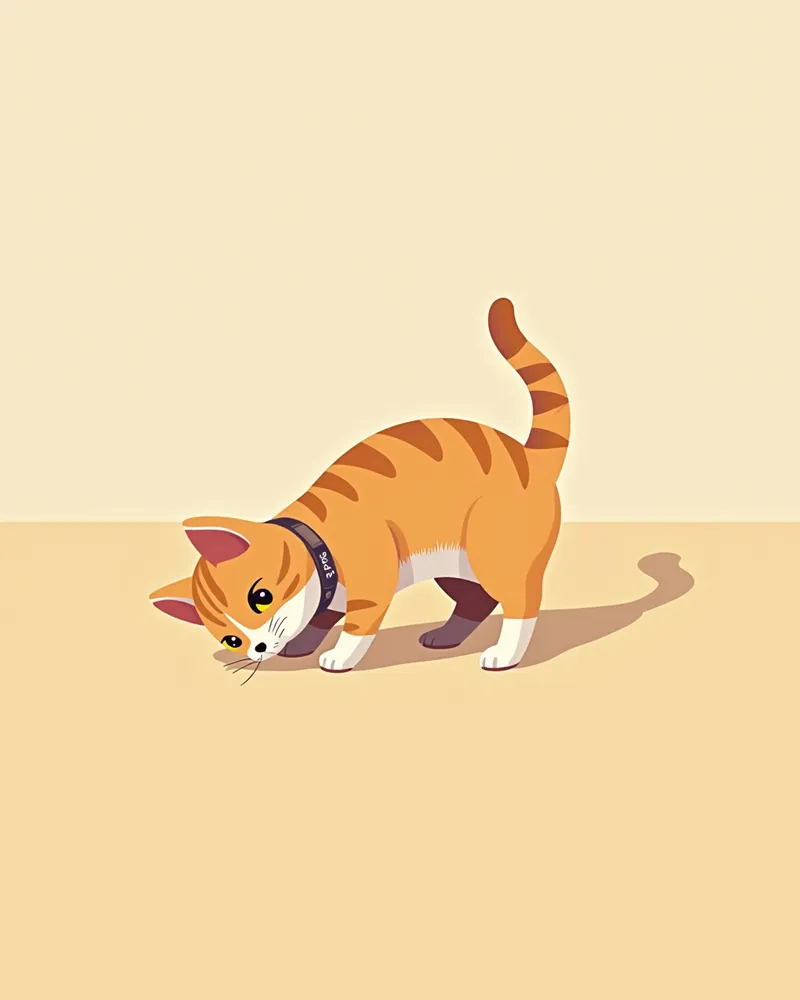
Smart heart-rate monitor band for cats, synced with a companion app

BEST 3: Cat-Specific Pacemaker Care Pad (Non-Irritating Material)

This care pad is designed for direct application to the pacemaker implantation site, ensuring safe and comfortable wear even for cats with sensitive skin. - Natural cotton material: Soft and breathable, it quickly wicks away sweat and moisture. - Minimized skin irritation: Free from chemical additives, it reduces the risk of allergic reactions. - Water-resistant: It dries quickly even when slightly damp, helping to lower the risk of infection. - Easy to wear: Its flexible design moves naturally with your cat, minimizing discomfort or resistance. - Durable for long-term use: It retains its shape well after washing, allowing for extended use.
Feline hypoallergenic pacemaker care pads

Comparison Table of Products BEST 1–3

ItemBEST 1 KitBEST 2 BandBEST 3 Pad
Key FeaturesProtective case + care pad + journalReal-time heart rate monitoring + app integrationMinimizes skin irritation + breathable material
Ease of UseHighVery highHigh
Price RangeAbout $90About $100About $60
Recommended ForGuardians in the early recovery periodThose needing real-time monitoringCats with sensitive skin

Prices are as of 2024; selection after consulting a veterinarian is recommended

Caution: Visit the Clinic Immediately if Infection Occurs at the Insertion Site

If you notice swelling, warmth, bleeding, or foul-smelling discharge at the pacemaker insertion site, it could be a sign of infection. Contact your veterinarian immediately. Infections can lead to serious complications and should never be left untreated.

5 Tips for Use After Pacemaker Implantation

Here are some helpful tips for pet owners to follow after pacemaker implantation. Following these guidelines will help ensure a smoother and more stable recovery for your cat.
Maintain a consistent environment: Provide a quiet, comfortable space where your cat can relax.
Manage diet: Adjust the amount and type of food according to your veterinarian’s instructions.
Minimize stress: Reduce external stimuli and maintain a calm environment.
Monitor activity: Strictly limit jumping and running for approximately four weeks post-surgery to aid recovery. Rest is most important during this period.
Keep regular records: Daily log your cat’s heart rate, behavioral changes, and food intake.
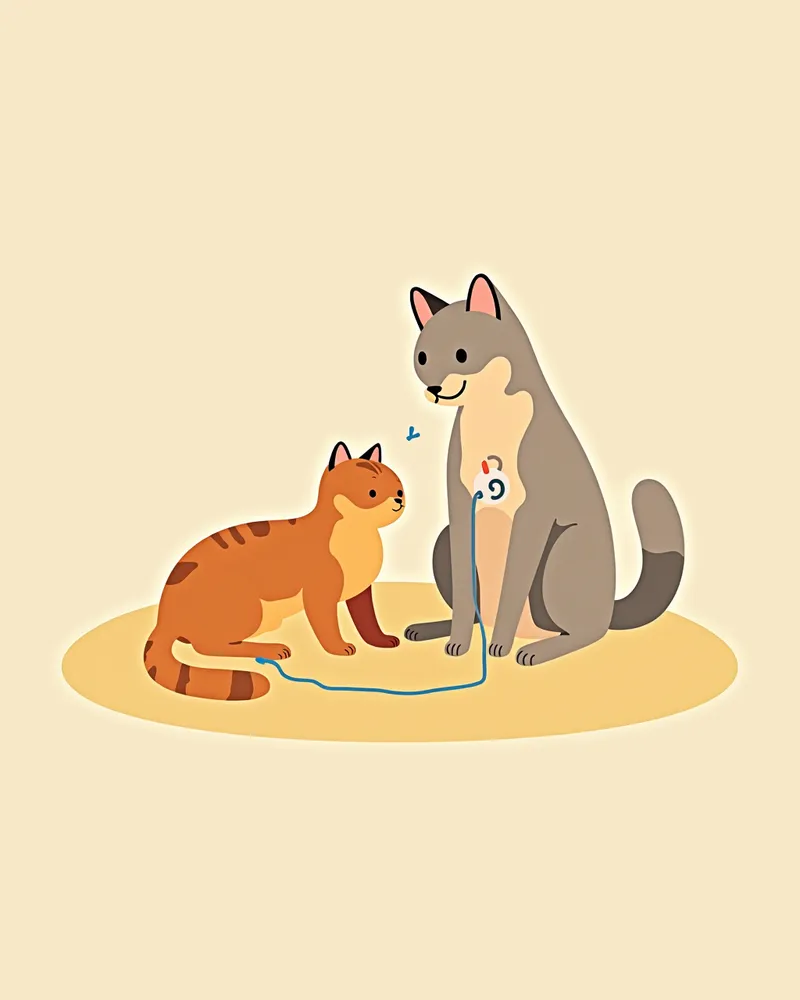
A cat resting in a calm, stable environment after pacemaker implantation

Reviewed by a veterinarian

Dr. Tony — Punnawat Phongkittirak

Dr. Tony — Punnawat Phongkittirak

Veterinarian

A veterinarian who majored in veterinary medicine at Khon Kaen University, Thailand, and completed the IVSA program at North Carolina State University in the United States. Drawing on clinical experience at animal hospitals, he works in the pet healthcare field and is dedicated to building a digital care environment that connects pet parents with veterinarians.

Frequently Asked Questions

Can my cat play normally after having a pacemaker implanted?
During the approximately four-week recovery period after surgery, it is important to strictly limit activities such as running or jumping to ensure stability. After that, your veterinarian will determine when it is safe to gradually increase activity levels.
How long does a pacemaker battery last?
The battery life varies depending on the device and your cat’s condition. Rather than specifying an exact lifespan, your veterinarian will check the battery status during regular check-ups and advise when it’s time for a replacement. That’s why routine check-ups are essential.
How should I administer medications after a pacemaker has been implanted?
Antibiotics and pain relievers should be given exactly as directed by your veterinarian. Don’t forget to administer them at consistent times each day.
Can the pacemaker implantation site come loose?
Pacemaker leads (electrode wires) can occasionally shift position or become damaged, so regular check-ups are essential. If you notice any irritation or abnormalities at the implantation site, contact your veterinarian immediately.
What is the life expectancy of a cat after pacemaker implantation?
If the implantation is successful and the pacemaker functions properly, the prognosis is generally favorable. However, because the underlying heart condition may progress, ongoing management in close collaboration with your veterinarian is essential.

Share

Related Guides

References

[1] Advanced Monitoring for Small Animal Emergency and Critical Care, 2nd Ed, 2023

[2] Feline Emergency and Critical Care Medicine, 2nd Ed, 2022

[3] Small Animal Anesthesia and Pain Management A Color Handbook, 3rd Ed, 2021

This information is based on veterinary literature and does not replace diagnosis or treatment. Please consult a veterinarian for specific health concerns.

Metapet Co., Ltd. | CEO: Park Sung-yong | Business Reg. No. 417-88-02562 | Seoul, South Korea | Customer Center

7 Key Tips for Managing Your Cat’s Pacemaker: A Veterinarian’s Guide | Meongsiljang