
Like
Share
멍실장
강아지 품종별 심장 질환 소인 관리 추천 BEST와 고르는 기준 총정리

Top Recommendations and Selection Criteria for Managing Breed-Specific Heart Disease Predisposition in Dogs

HeartTop PicksMeongsiljang Veterinary Advisory Board

Certain breeds are particularly prone to heart disease. Early detection and tailored care are key to saving lives.

Breed-Specific Predisposition to Heart Disease in Dogs Is a Genetic Risk Factor

An illustration comparing the predisposition to heart disease in Doberman Pinschers and Newfoundland dogs.
A breed’s predisposition to heart disease is a risk factor linked to genetics. Dilated cardiomyopathy (DCM) is a slowly progressive, heritable condition that primarily affects large and giant breeds, and can occur in breeds with known predispositions, such as Doberman Pinschers. Boxers have been reported to be predisposed to arrhythmogenic right ventricular cardiomyopathy (ARVC) or subaortic stenosis, while Golden Retrievers are predisposed to mitral valve dysplasia or stenosis. However, the exact genetic and epigenetic mechanisms underlying congenital heart disease remain insufficiently understood. - Identify genetic predispositions: Because the tendency to develop heart disease varies by breed, it is important to assess risks early through preventive screenings. - Maintain heart function: Regular cardiac examinations help detect disease early and determine its stage of progression. - Early detection: Identifying abnormalities during the latent (subclinical) stage, before symptoms appear, facilitates more effective management. - Tailored care: The key is selecting nutrition and care plans that align with your dog’s breed characteristics and your veterinarian’s recommendations.

Key Takeaway: Managing Breed-Specific Heart Disease Predisposition in Dogs
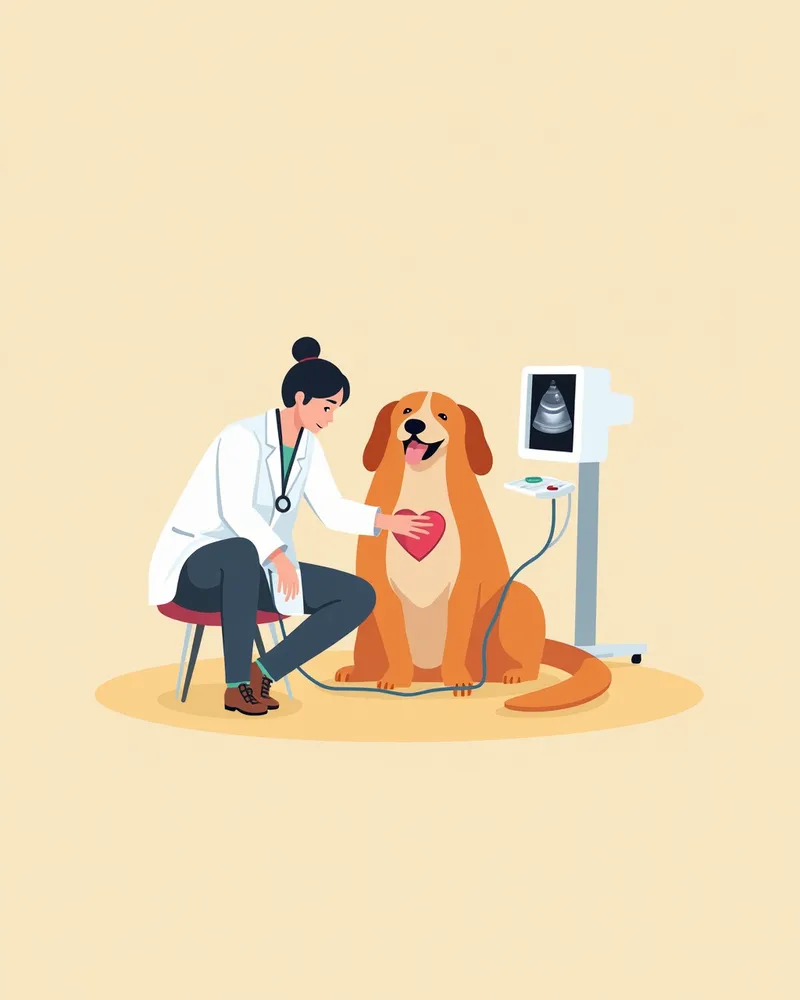
When choosing products or management strategies for dogs predisposed to heart disease, consider breed characteristics, genetic risks, and the availability of diagnostic testing. Regular cardiac check-ups and nutrition plans discussed with your veterinarian are essential.
Confirm genetic predisposition: Since susceptibility to heart disease varies by breed, review both family history and breed-specific traits.
Regular cardiac exams: Echocardiography is the most sensitive and specific test for detecting structural abnormalities. Auscultation alone has limited diagnostic value, so echocardiography is recommended. Electrocardiography (ECG) may also be used when necessary.
Nutritional support: Always consult your veterinarian before deciding on diet or supplements, and avoid adding unverified products on your own.
Activity management: Excessive exercise can place undue stress on dogs with heart disease who have exercise intolerance.
Visit frequency: For predisposed breeds, regular cardiac check-ups at intervals recommended by your veterinarian are advised, even in the absence of symptoms.
A veterinarian performing an echocardiogram on a puppy.

Key Takeaway 1: What Symptoms to Watch for in Breed-Specific Heart Disease?

Certain breeds, such as Cavalier King Charles Spaniels, Dachshunds, Boxers, and Doberman Pinschers, have a higher genetic predisposition to heart disease. The most common conditions are mitral valve disease (MVD) and dilated cardiomyopathy (DCM). In the early stages, there may be no symptoms, but as the disease progresses, signs such as coughing, exercise intolerance, difficulty breathing, abdominal swelling, and fainting can appear. Even if no symptoms are present, regular auscultation and cardiac ultrasound examinations are recommended for predisposed breeds. It is important to seek veterinary care promptly if any abnormal signs are noticed.
Breed-specific heart diseases: What symptoms should you watch out for? Related guide image

Key Takeaway 2: Diagnosis of Heart Disease and General Treatment Options

Heart disease is diagnosed through auscultation, chest X-rays, echocardiography (ultrasound), electrocardiography (ECG), and blood pressure measurements. The treatment approach varies depending on the type and stage of the disease. Under veterinary guidance, prescription medications that support heart function—such as diuretics, vasodilators, and positive inotropes—may be used. In some cases, surgical treatment may be considered. A treatment plan must always be determined by a veterinary cardiologist or attending veterinarian, tailored to the individual pet’s condition.
An informational image on the diagnosis and general treatment options for heart disease

Key Takeaway 3: Daily Management and Precautions for Owners

Dogs with heart disease should avoid excessive exercise and stress, maintaining only the light activity levels recommended by their veterinarian. A prescription diet low in sodium may be advised. It can be dangerous to stop medications without veterinary guidance or to add unverified supplements. The key is to manage your dog’s weight and adhere to regular check-up schedules as discussed with your vet. Seek immediate veterinary care if you notice a sudden increase in respiratory rate or pale gums.
Guidance image on daily care and precautions for pet owners

What Owners Should Know About Breed-Specific Heart Disease Predisposition in Dogs

ItemKey points
ConditionHeart diseases common in breeds with genetic predisposition, such as MVD and DCM
SymptomsCoughing, difficulty breathing, exercise intolerance, fainting, abdominal distension
DiagnosisAuscultation, chest X-ray, echocardiography, ECG, blood pressure measurement
TreatmentVeterinarian-prescribed medications (diuretics, vasodilators, etc.) and stepwise management
CautionDo not arbitrarily stop supplements or medications; regular check-ups are essential

This is not a table recommending specific products or hospitals, but a reference for when consulting a veterinarian. Always make treatment and testing decisions together with a veterinarian through an examination.

Caution: Early Screening Is Essential for Breeds Predisposed to Heart Disease

Breeds prone to heart disease, such as Doberman Pinschers, Newfoundlands, and Boxers, should undergo regular cardiac checkups starting at one year of age. Early detection significantly improves treatment outcomes and survival rates. If your dog suddenly experiences difficulty breathing, shock, or collapses, seek immediate veterinary care.

Usage Tips: Practical Checkpoints for Heart Health Management

If you’re caring for a dog predisposed to heart disease, there are practical steps you can take in everyday life. Regular exercise and dietary management are key. Avoid high-intensity activities, and stick to consistent walks. Creating a low-stress environment also helps support your dog’s well-being.
Regular walks: Aim for 1–2 walks per day, each lasting 20–30 minutes.
Low-sodium diet: Reduce salt intake to ease the burden on the heart.
Stress management: Minimize exposure to loud noises and crowded spaces; provide a quiet, calm area.
Weight control: Obesity strains the heart, so maintain a healthy weight.
Communication with your veterinarian: Contact your vet immediately if you notice any changes in symptoms.
Providing a quiet environment for your dog's heart health

Reviewed by a veterinarian

Dr. Tony — Punnawat Phongkittirak

Dr. Tony — Punnawat Phongkittirak

Veterinarian

A veterinarian who majored in veterinary medicine at Khon Kaen University, Thailand, and completed the IVSA program at North Carolina State University in the United States. Drawing on clinical experience at animal hospitals, he works in the pet healthcare field and is dedicated to building a digital care environment that connects pet parents with veterinarians.

Frequently Asked Questions

Why are Dobermans more prone to heart disease?
Dilated cardiomyopathy (DCM) is a hereditary, progressive disease that primarily affects large-breed dogs, with the Doberman Pinscher being a recognized predisposed breed. The condition involves weakened contraction of the heart muscle and dilation of the atria and ventricles, which can lead to impaired cardiac function. However, the exact genetic mechanisms underlying DCM remain incompletely understood.
What should I do if my Newfoundland is predisposed to heart disease?
Newfoundlands are known to be predisposed to congenital heart conditions such as subaortic stenosis. Early detection is crucial, so consult your veterinarian for an accurate diagnosis via echocardiography and monitor the condition’s progression through regular ultrasound screenings. Your veterinarian will determine the appropriate treatment plan based on your dog’s individual health status.
Is it safe to use a home heart screening kit on Park Seo?
Boxers are predisposed to conditions such as subaortic stenosis and arrhythmogenic right ventricular cardiomyopathy (ARVC). However, echocardiography is the most sensitive and specific tool for screening and diagnosing heart disease, while auscultation and home monitoring alone have limited diagnostic value. Therefore, it is recommended to have your veterinarian perform an echocardiogram rather than relying solely on home test kits.
Is it safe to give supplements to dogs with a predisposition to heart disease?
Supplements recommended by veterinarians are safe to use. However, self-administering them can be risky, so always consult a professional before using them.
Do dog breeds prone to heart disease have shorter lifespans?
The prognosis varies depending on the type and stage of the disease. Some pets can maintain a near-normal lifespan, while others may progress relatively quickly despite management. Early diagnosis and regular check-ups and care with your veterinarian can help improve the prognosis.

Share

Related Guides

References

[1] Freid KJ, Freeman LM, Rush JE, et al. Retrospective study of dilated cardiomyopathy in dogs. J Vet Intern Med. 2020;35(1):58–67.

[2] MEURS KM. Genetics of Cardiac Disease in the Small Animal Patient. Vet Clin Small Anim Pract. 2010;40(4):701–715.

[3] Clinical Medicine of the Dog and Cat, 4th Ed. Wiley-Blackwell, 2020. Section III: Diseases of Specific Organ Systems.

This information is based on veterinary literature and does not replace diagnosis or treatment. Please consult a veterinarian for specific health concerns.

Metapet Co., Ltd. | CEO: Park Sung-yong | Business Reg. No. 417-88-02562 | Seoul, South Korea | Customer Center

Breed-Specific Heart Disease Risks in Dogs: Top Prevention Tips | Meongsiljang