Like
Share
멍실장
강아지 아이 출생 후 반려동물 행동 변화 관리 추천 BEST와 고르는 기준 총정리

7 Best Strategies for Managing Behavioral Changes in Dogs After a Baby Is Born

Brain & CognitionTop PicksMeongsiljang Veterinary Advisory Board

We’ve compiled recommended strategies for safely managing signs of anxiety, marking, and aggression in dogs after a baby is born, along with guidance on when to seek professional advice.

Why Your Dog Changes After a Baby Is Born
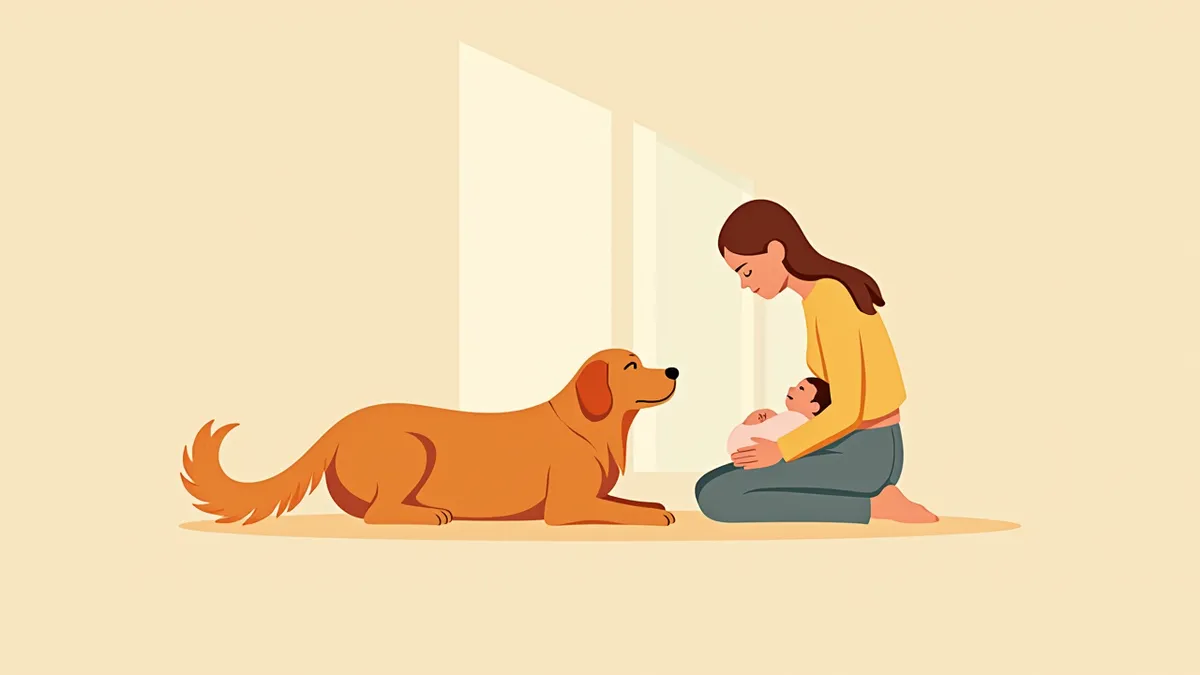
A dog gazing at a baby
When a newborn baby arrives, the sudden shift in daily routines and the redirection of parental attention can trigger stress, anxiety, and heightened vigilance in dogs. Just as with pregnancy, preparing in advance and carefully managing the first few weeks are crucial for ensuring a stable, harmonious coexistence between your dog and the new baby. Key warning signs include increased barking, indoor marking, and excessive clinginess toward owners. The greater the change, the more likely your dog is to feel confused and anxious; therefore, the key to a smooth transition is maintaining a consistent routine and a calm environment while gently guiding your dog through the adjustment period.

5 Behavioral Changes in Dogs After a Baby’s Birth

Barking and growling: This is a defensive instinct triggered by unfamiliar smells and sounds.
Marking and accidents: Increased territorial anxiety may lead to marking throughout the home.
Excessive clinginess: Fear of losing their caregiver can cause them to follow like a shadow.
Lethargy and decreased appetite: Disruption of routine may trigger depression-like symptoms.
Obsessive approach toward infants: Repeatedly approaching to sniff is a common behavior.

Danger Signs Requiring Immediate Separation

If your dog shows teeth or lunges suddenly without warning at a baby, separate them immediately and contact a veterinary behavior specialist within 24 hours. If a bite has already occurred, the baby needs medical attention and the dog must be isolated at the same time.

BEST 1. Pre-Birth Scent Desensitization Training
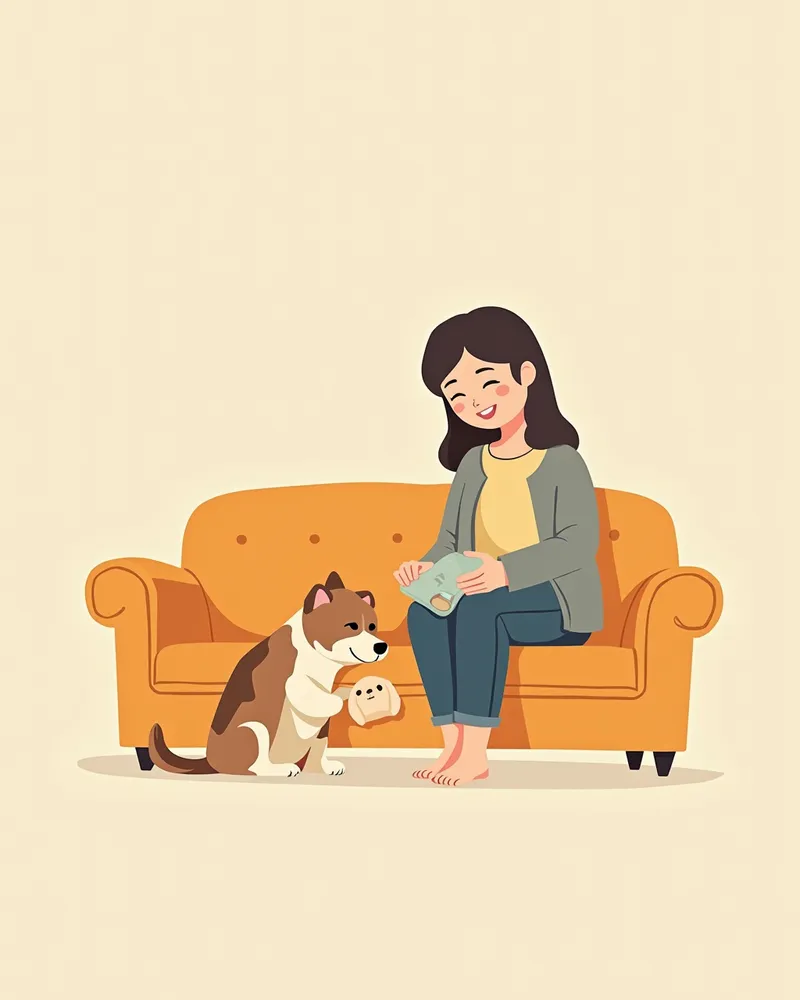
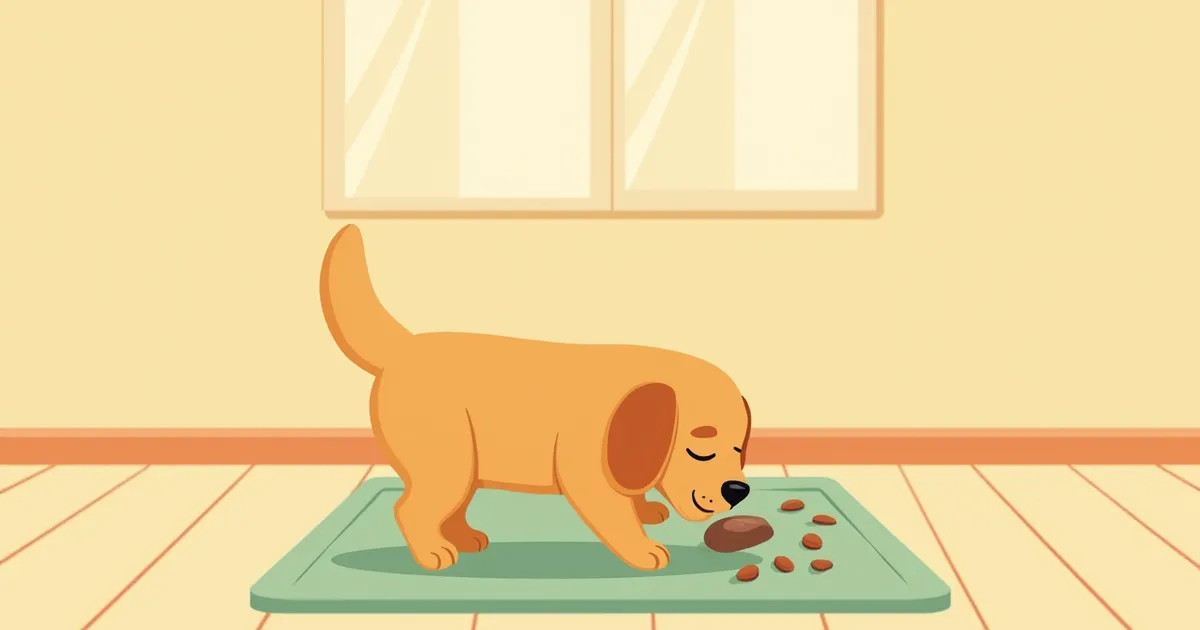
Introducing your dog to the scent of baby lotion or diaper cream on a cloth 2–4 weeks before the baby arrives can be helpful. Bringing home one of the baby’s clothing items right after discharge from the hospital also allows your dog to become familiar with the new scent in advance. In veterinary behavior medicine, desensitization and counterconditioning are recommended as primary behavior modification techniques to gradually change an animal’s response to a stimulus, and this pre-exposure to scent works on the same principle. However, the effectiveness and speed of adaptation can vary depending on the individual dog and how the process is carried out, so it’s important to proceed at a pace that keeps your dog comfortable, slowly creating positive associations.
A dog sniffing the scent of baby clothes

BEST 2. Spatial Boundary Training

Establishing clear boundaries between the baby’s room and the puppy’s space is the first rule to set. Create a physical barrier using a baby gate or by closing the door, and immediately reward your puppy with a treat for calmly sitting at the boundary. The key is to approach this by teaching that “good things happen when you respect the boundary,” rather than “bad things happen if you enter the room.”

BEST 3. Maintain 1:1 Walk and Exercise Routines
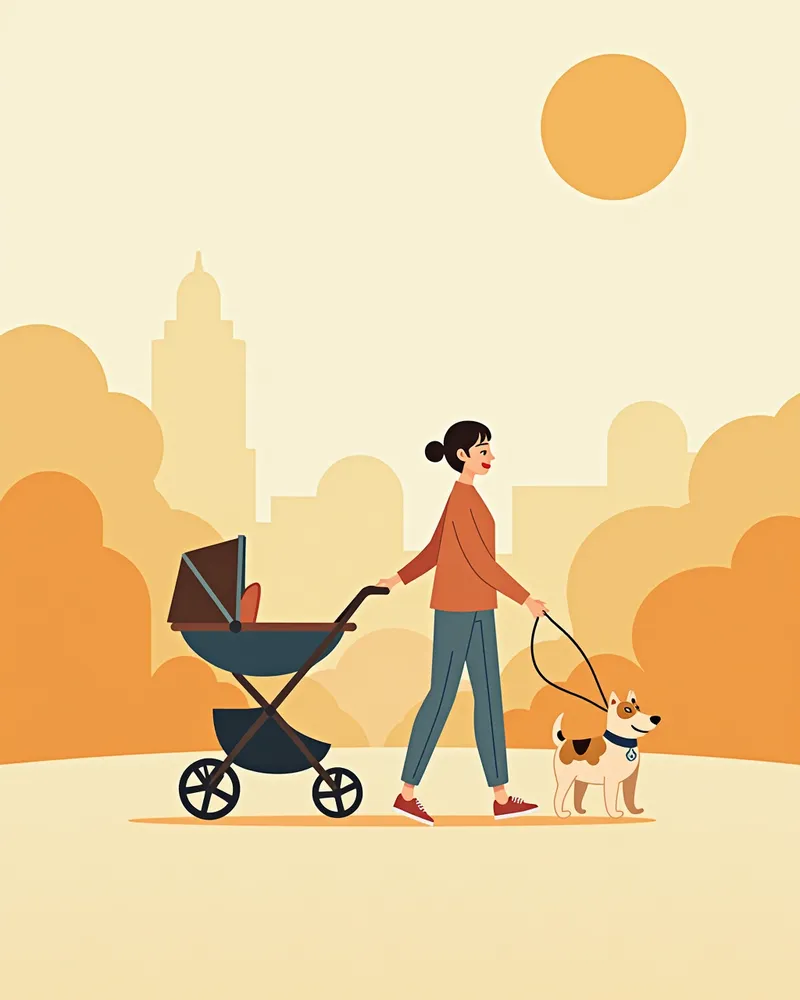
A puppy’s arrival often disrupts your dog’s walking routine. Regular exercise plays a vital role in physical and mental health and helps manage behavioral issues such as anxiety. However, exercise alone does not resolve all behavioral problems, so providing mental stimulation—such as scent-sniffing walks—is equally important. High-energy breeds like Border Collies require nearly daily aerobic exercise of at least 30 minutes, but for most dogs, shorter, more frequent walks are recommended. If your dog finds walks stressful, consider alternative activities like yard play. During busy periods, hiring a dog walker is also a good option.
A dog and its owner enjoying a walk with a baby stroller

BEST 4. Associate Baby with Good Things Through Positive Reinforcement

Reward your dog immediately with treats or praise every time it stays calm near the baby. This helps create a positive association, teaching your dog that the baby’s presence leads to good things. Conversely, chasing your dog away or scolding it when the baby cries can imprint the idea that the baby equals a negative experience. For this training to be effective, treats should only appear at the moment of interaction with the baby.

Management Mistakes to Absolutely Avoid

Suddenly isolating your dog in an outdoor kennel or confining them in a cage all day after the birth of a baby can severely worsen separation anxiety. Physical punishment or loud noises also carry the risk of triggering aggression. The most dangerous mistake is abruptly cutting off your dog’s walks, playtime, and attention under the guise of protecting the baby.

When to Seek Professional Consultation — Selection Criteria
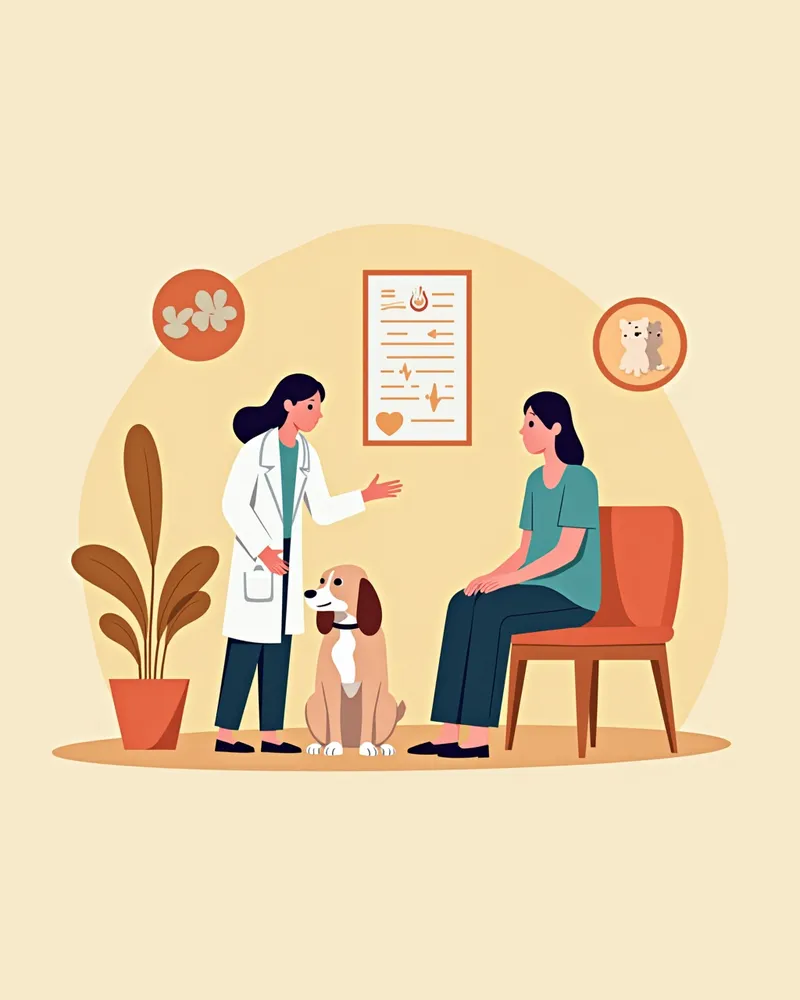
If any of the following apply, it’s a good idea to consult a veterinary behavior specialist: - Risk of harm to self or others: This includes self-injurious behavior or biting babies or people, where safety is at risk. - Phobias or compulsive behaviors: When your dog shows fear responses to specific stimuli or engages in repetitive compulsive actions. - No improvement with initial management: If behavioral issues persist despite home-based interventions and care. - When you feel you need support: If you’re unsure what to do or feeling anxious, don’t hesitate to seek professional advice. In such cases, environmental enrichment programs or structured behavior modification may be necessary. If medication is needed, only a veterinarian or a board-certified veterinary behaviorist can prescribe it.
A pet owner and their dog consulting with a veterinary behavior specialist

Reviewed by a veterinarian

Dr. Tony — Punnawat Phongkittirak

Dr. Tony — Punnawat Phongkittirak

Veterinarian

A veterinarian who majored in veterinary medicine at Khon Kaen University, Thailand, and completed the IVSA program at North Carolina State University in the United States. Drawing on clinical experience at animal hospitals, he works in the pet healthcare field and is dedicated to building a digital care environment that connects pet parents with veterinarians.

Frequently Asked Questions

Do dogs feel jealous when a baby is born?
Dogs don’t experience jealousy in the same way humans do; instead, they feel anxiety stemming from changes in their routine and a perceived decrease in their owner’s attention. It’s more accurate to understand this behavior as anxiety and confusion rather than jealousy. Maintaining even short, daily one-on-one play sessions can make a significant difference.
My dog is obsessively drawn to the smell of my baby. What should I do?
At first, it’s just natural curiosity. Allow your pet to approach only when they sit calmly and sniff; if they get excited and rush forward, immediately reset them with a “sit” command. Through consistent repetition, they’ll learn that calm behavior is what earns them the opportunity to come closer.
Is it safe to leave a baby and a puppy alone together?
If your child is under 3 to 4 years old and the dog’s aggression assessment hasn’t been completed, never leave them alone together. This applies to all breeds without exception—a guardian must always be present.
My dog gets extremely excited by the sound of a baby crying. Is this something that can be trained?
Desensitization training can help improve the situation. By repeatedly playing a recording of a baby’s cry at a very low volume while offering treats, you can gradually raise your pet’s threshold for reacting to the sound. Consistent training over at least three to four weeks is necessary.
My puppy keeps chewing on baby items. What should I do?
Store baby items in a clearly separate location from your dog’s toys. If your dog mouths a baby item, avoid chasing or snatching it away, as this can turn into a game that reinforces the idea that stealing gets attention. Instead, calmly swap the item for a treat without reacting emotionally.

Share

Related Guides

References

[1] Landsberg, G., Hunthausen, W., Ackerman, L. (2013). Behavior Problems of the Dog and Cat. 3rd ed. Saunders Elsevier. Chapter 7: Canine Aggression.

[2] Nagasawa, M., Shibata, Y., Yonezawa, A. et al. (2014). The behavioral and endocrinological development of stress response in dogs. Developmental Psychobiology, 56, 726–733.

[3] Herron, M.E., Shofer, F.S., Reisner, I.R. (2009). Survey of the use and outcome of confrontational and non-confrontational training methods in client-owned dogs showing undesired behaviors. Applied Animal Behaviour Science, 117(1-2), 47–54.

[4] Overall, K.L. (2013). Manual of Clinical Behavioral Medicine for Dogs and Cats. Elsevier Mosby.

This information is based on veterinary literature and does not replace diagnosis or treatment. Please consult a veterinarian for specific health concerns.

Metapet Co., Ltd. | CEO: Park Sung-yong | Business Reg. No. 417-88-02562 | Seoul, South Korea | Customer Center

7 Best Ways to Manage Dog Behavior Changes After a Baby | Meongsiljang