
7 Puppy Anxiety-Relief Pheromone Products Recommended by Veterinarians
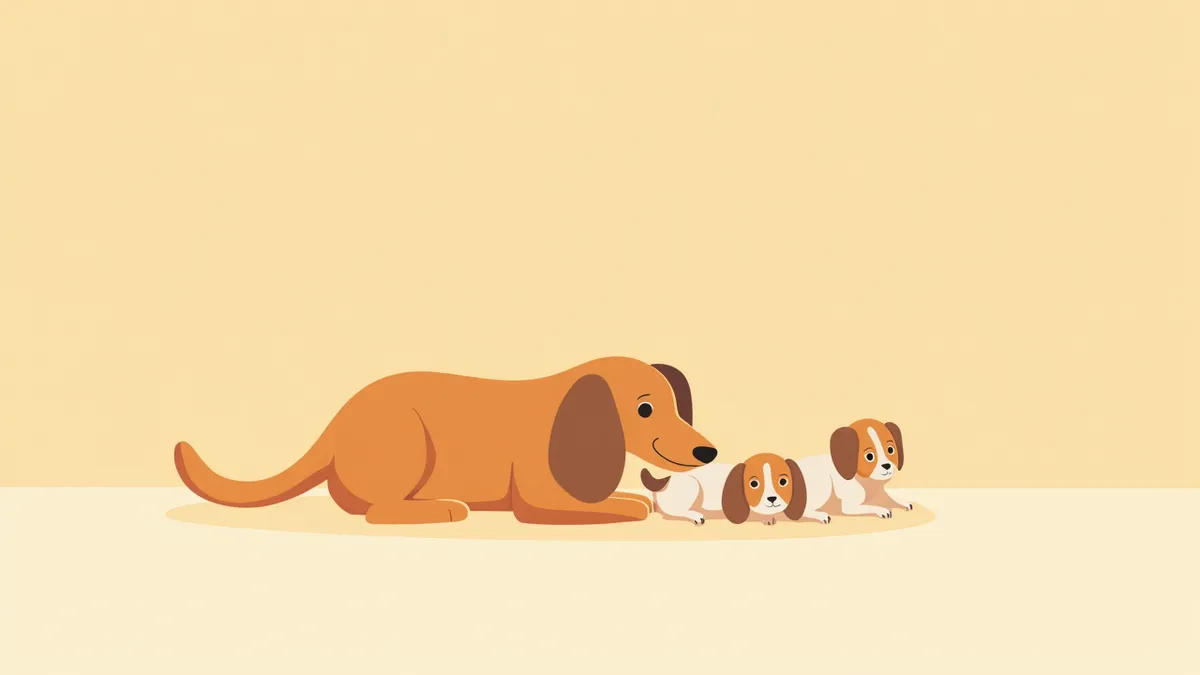
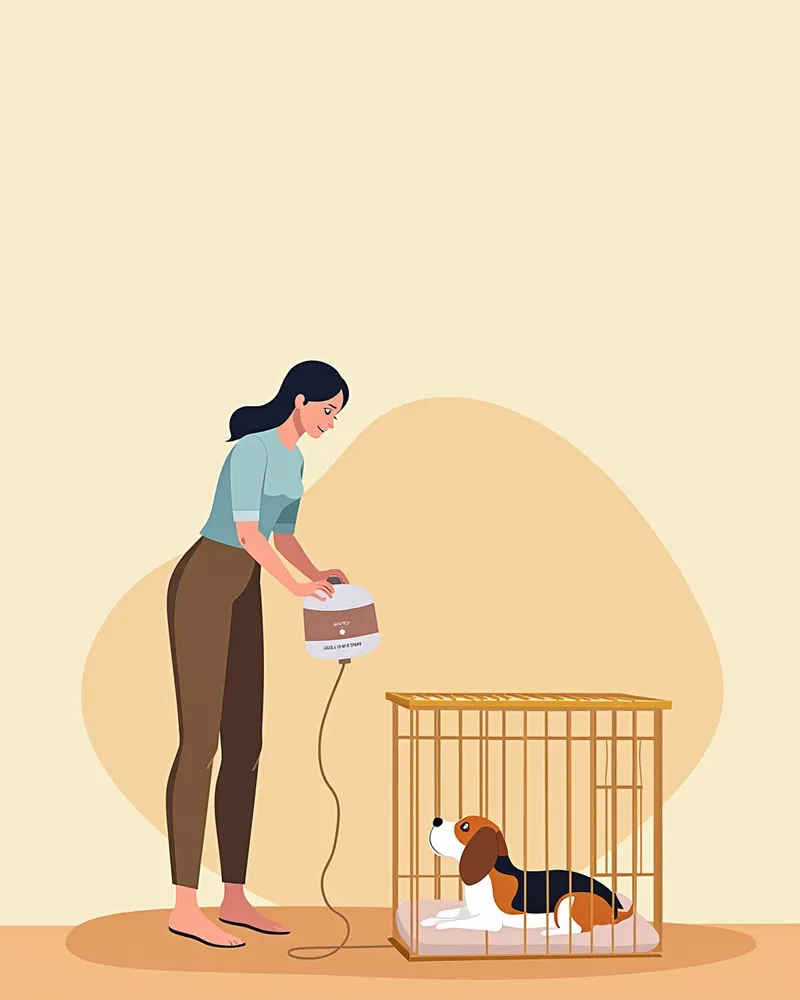
Puppy pheromone therapy is a non-pharmacological behavioral treatment that uses DAP (Dog Appeasing Pheromone), a synthetic version of the calming substance naturally secreted by a mother dog while nursing her puppies, to help alleviate anxiety and stress-related behaviors.
What Is Puppy Pheromone Therapy?
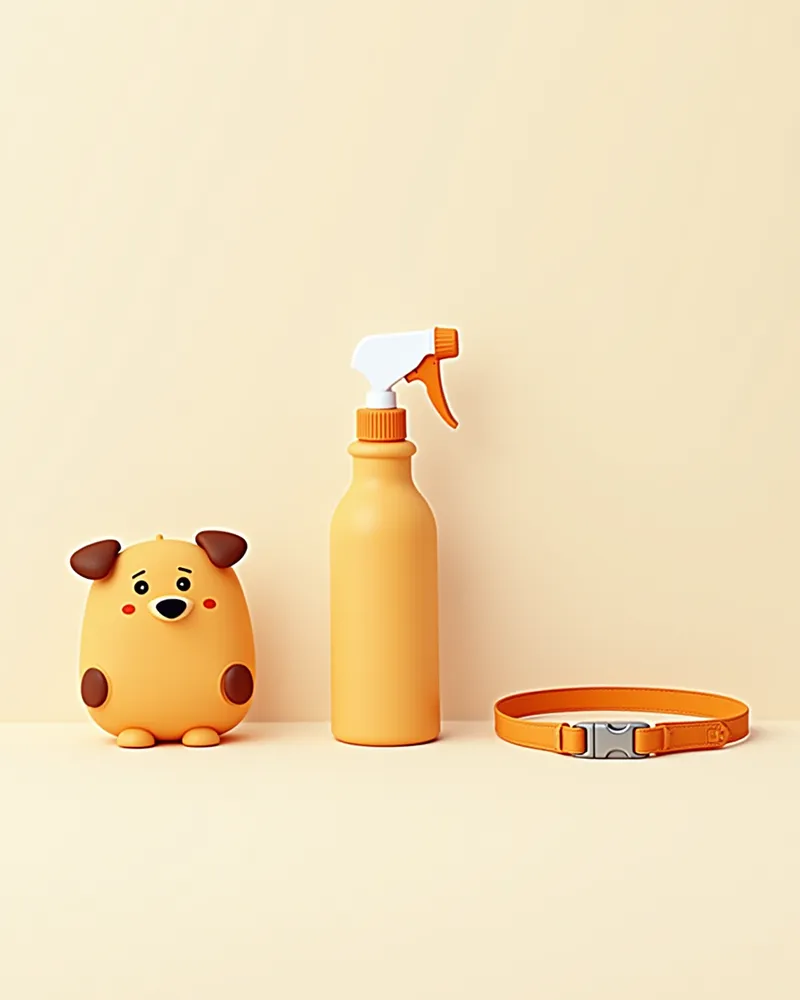
Pheromone Product Formats at a Glance
4 Criteria for Choosing Pheromone Products
Pheromones Are Not Medication — Important Things to Know
While DAP pheromone products are available over the counter, they are often insufficient on their own to resolve severe separation anxiety or aggression-related behavioral issues. Veterinary pharmacology textbooks note that pheromones may need to be used as part of a broader approach, including behavior modification and, when necessary, medication. As a result, many cases require the guidance of a veterinary behavior specialist and a structured behavior therapy protocol. If you do not see improvement after consistent use over a reasonable period, or if symptoms worsen, please consult your veterinarian promptly.
Key Point 1: What Are Synthetic Pheromones and When Do They Help?
Key Point 2: Understand Expectations, Proper Use, and Limitations
Key Points for Using Pheromone Products
| Item | Key Points |
|---|---|
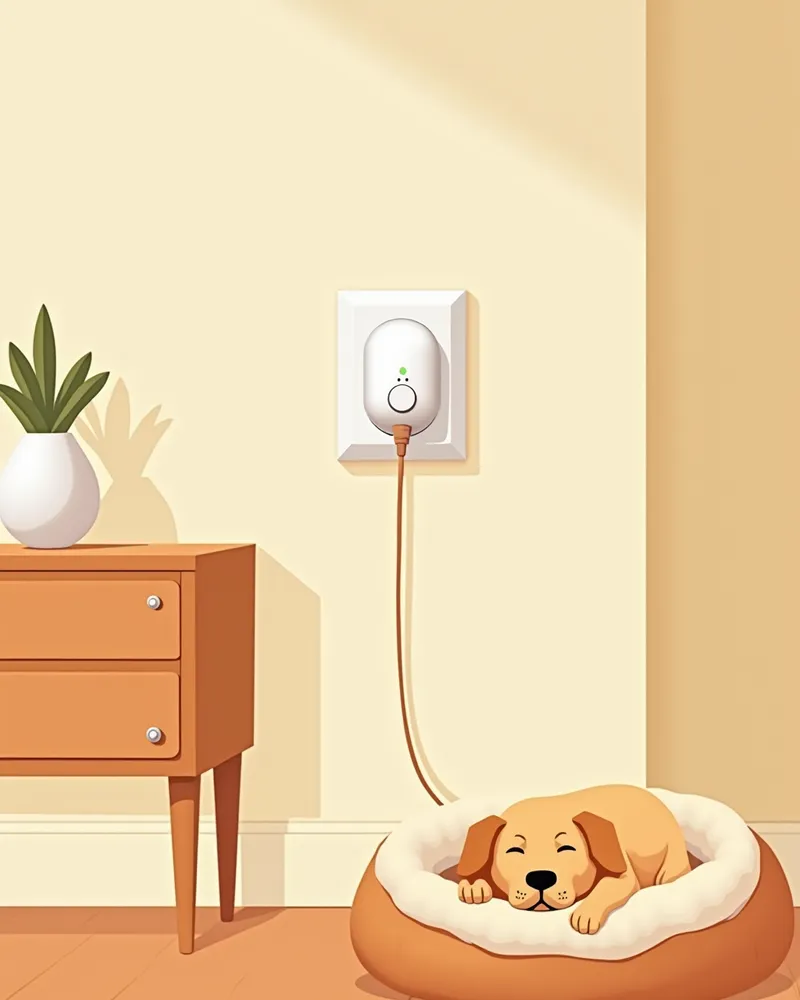
| Product Nature | Diffusers, collars, and sprays with calming pheromone-like ingredients; auxiliary tools |
| Helpful Situations | Relieving separation anxiety, noise phobia, new environments, and travel stress |
| How to Use | Use collars, diffusers, etc. consistently; effects vary between individuals |
| Limitations | Not a root-cause solution; use alongside behavior modification and environmental management |
| Consultation | If anxiety or fear is severe, consult a veterinarian for behavior modification or medication |
This is not a table recommending specific products or devices, but key points to reference for at-home care. Always consult a veterinarian for interpreting measurements and making treatment decisions.
Cases Where Pheromones Alone Are Insufficient
For severe cases of separation anxiety involving aggression, self-harm, or extreme panic, pheromones alone are unlikely to be effective. Veterinary textbooks note that pheromones may need to be used in conjunction with behavior modification or medication, and studies have even compared the efficacy of synthetic dog pheromones against medications like clomipramine. Such severe cases often require specialized veterinary behavioral care and a structured behavior therapy protocol. If you do not see significant improvement after consistent use for a period of time, please seek professional veterinary advice.
Proper Use — 3 Common Mistakes
Reviewed by a veterinarian

Dr. Tony — Punnawat Phongkittirak
VeterinarianA veterinarian who majored in veterinary medicine at Khon Kaen University, Thailand, and completed the IVSA program at North Carolina State University in the United States. Drawing on clinical experience at animal hospitals, he works in the pet healthcare field and is dedicated to building a digital care environment that connects pet parents with veterinarians.
Reviewed 2026-06-01
Frequently Asked Questions
Do pheromone products affect humans as well?
Are there cases where it has no effect at all?
What happens if a dog chews on crayons?
Can I use it before visiting the animal hospital?
How many diffusers should I use when I have multiple pets?
Share
Related Guides
7 Behavioral Enrichment Strategies for Mental Stimulation Recommended by Veterinarians
Top 5 Calming Supplements for Dogs and Cats in 2026

L-Theanine Effects and Calming Support
Recommended Products and Selection Criteria for Managing Feline Bordetella Respiratory Infection
Top Recommended Management Products for Feline Bacterial Pneumonia and Selection Criteria
Top Recommended Products and Selection Criteria for Managing Feline Aspiration Pneumonia
Recommended Products and Selection Criteria for Managing Dogs During Winter Cold Snaps and Preventing Hypothermia
Top Recommended Products for Canine Weight and Obesity Prevention and Management, and Key Selection Criteria
The Ultimate Guide to Summer Heat Management and Heatstroke Prevention for Dogs: Top Recommendations and Selection Criteria
The Ultimate Guide to the Pros and Cons of Dog Neutering, Management Recommendations, and Selection Criteria
References
[1] Plumb, D.C. Plumb's Veterinary Drug Handbook, 10th Ed. Wiley-Blackwell, 2023 — Pheromones chapter (D.A.P.®, Adaptil®, Comfort Zone®)
[2] Mills, D.S., Ramos, D., Estelles, M.G. et al. A triple blind placebo-controlled investigation into the assessment of the effect of dog appeasing pheromone (DAP) on anxiety related problem behaviours in the veterinary clinic. Appl. Anim. Behav. Sci., 2006
[3] Hammerle, M., Horst, C., Levine, E. et al. 2015 AAHA Canine and Feline Behavior Management Guidelines. J. Am. Anim. Hosp. Assoc. 51(4): 205–221, 2015
[4] Horwitz, D.F. and Mills, D.S. (Eds.) BSAVA Manual of Canine and Feline Behavioural Medicine, 2nd Ed. BSAVA, 2009 — Pheromone therapy chapter
[5] Shaw, J.R. Introduction to Animal Behavior and Veterinary Behavioral Medicine. Chapter 11 — Pheromone adjunct therapies. 2020