
Feline Cryptosporidiosis FAQ — Key Information Pet Owners Must Know
Feline cryptosporidiosis is an intestinal parasitic infection that can cause diarrhea and weight loss. Here’s a summary of the key information pet owners should know.

Cat Combination Dewormer Selection Guide FAQ — Key Points Every Pet Owner Must Know
We’ve compiled five essential questions every pet owner should know when choosing a broad-spectrum dewormer for cats, covering the most important selection criteria and precautions.

Feline Coccidia FAQ — Key Information Every Pet Owner Should Know
Feline coccidia are protozoan parasites that inhabit the small intestine, and they can cause severe diarrhea and dehydration, particularly in kittens and cats with weakened immune systems. Here’s a summary of the key information every pet owner should know.

Frequently Asked Questions on Feline Parasite Preventative Resistance — Key Points Every Pet Owner Should Know
The issue of resistance to feline parasite preventatives is gaining increasing attention. In this article, we’ve compiled the essential questions and answers that every pet owner should know.

Cat Deworming (Hookworm) FAQ — Key Information Every Pet Owner Must Know
Hookworm infections in cats are easily contracted from the environment, making early detection and proper treatment essential. Here’s a summary of key information every pet owner should know.

Dog Tooth Fracture FAQ — Key Information Every Pet Owner Should Know
A fractured tooth in your dog is more than just a minor injury—it can lead to infection and pain. Here’s the essential information every pet owner should know.

Dog Tooth Extraction Indications and Methods FAQ — Key Points Pet Owners Must Know
Dog tooth extraction is a necessary procedure when severe pain or tooth damage occurs due to dental disease. Here’s a summary of the indications, surgical methods, and precautions that pet owners should know.

Dog Tooth Brushing Training FAQ — Key Points for Pet Owners
Teaching your dog to accept tooth brushing is key to maintaining oral health. We’ve compiled practical tips based on the most common questions from pet owners.

Dog Tongue and Lip Lesions FAQ — Key Information Every Pet Owner Should Know
Lesions on a dog’s tongue and lips may be simple inflammation, but they can also signal malignant tumors or immune-mediated diseases. Here’s a summary of the key information every pet owner should know.

Dog Temporomandibular Joint Dislocation FAQ — Key Information Pet Owners Must Know
Canine temporomandibular joint dislocation is a condition characterized by sudden pain and the inability to properly close the mouth. Here’s a summary of key information pet owners should know.

Dog Tooth Extraction Aftercare FAQ — Key Points Pet Owners Must Know
Proper care after your dog’s tooth extraction is essential for preventing infection and promoting healing. Here’s a summary of the key care instructions and precautions that pet owners should know.

Retained Deciduous Teeth in Puppies: Frequently Asked Questions — Key Information Every Pet Owner Should Know
Retained deciduous teeth in puppies occur when baby teeth fail to fall out naturally, potentially leading to dental alignment issues and oral health problems. Here’s essential information every pet owner should know.

Dog Periodontal Disease Stage-Specific Management FAQ — Key Essentials for Pet Owners
Early detection and stage-specific management are key to addressing periodontal disease in dogs. Since the appropriate response varies depending on symptom progression, we’ve compiled essential information every pet owner should know.

Canine Oral Ulcers FAQ — Key Information Pet Owners Must Know
Canine oral ulcers can be a serious issue, causing pain and decreased appetite. Here’s a summary of key questions and management strategies that pet owners should know.

Dog Oral Squamous Cell Carcinoma FAQ — Key Information for Pet Owners
Oral squamous cell carcinoma in dogs is not common, but it is a malignant tumor that can be difficult to treat. Early detection and accurate diagnosis are key factors that determine survival rates.

Canine Oral Papilloma FAQ — Key Information for Pet Owners
Canine oral papillomas are benign tumors caused by the flat papillomavirus, commonly seen in young dogs of hairy breeds. While most resolve on their own, veterinary care is necessary if pain or difficulty eating occurs.

Dog Oral Tumors (Overview) FAQ — Key Information Every Pet Owner Should Know
Early detection is key to improving treatment success rates for oral tumors in dogs. Based on frequently asked questions, we’ve compiled the essential information every pet owner should know.

Dog Oral Malignant Melanoma FAQ — Key Information Every Pet Owner Should Know
Malignant oral melanoma in dogs is a highly aggressive and difficult-to-treat cancer. Early detection and accurate diagnosis are critical factors that determine survival rates. Here’s a summary of the essential information every pet owner should know.

Dog Oral Care Product Comparison FAQ — Key Points for Pet Owners
Here’s a roundup of the most common questions we get when choosing oral care products for dogs. We’ll walk you through everything you need to know about effectiveness, safety, and proper use.

Frequently Asked Questions About Canine Oral Fungal Infections — Key Information Every Pet Owner Should Know
Delayed treatment of fungal infections in a dog’s mouth can lead to severe oral damage. Here’s a summary of the key information every pet owner should know.

Canine Oral Fibrosarcoma FAQ — Key Information Every Pet Owner Should Know
Canine oral fibrosarcoma is a malignant tumor that can be difficult to treat. Early detection and appropriate treatment are key to improving survival rates, so we’ve put together essential information every pet owner should know.

Canine Oral Cysts (Dental Cysts) FAQ — Key Information Pet Owners Must Know
Canine oral cysts develop during tooth formation. While they may be asymptomatic in the early stages, they can gradually lead to swelling and pain. Here’s a summary of the key information pet owners should know.

Dog Oral Bacteria and Systemic Diseases FAQ — Key Information Every Pet Owner Must Know
Oral bacteria in dogs can lead to systemic diseases affecting the heart, kidneys, and liver, extending beyond just dental issues. Here’s a summary of the essential information every pet owner should know.

Masticatory Myositis in Dogs: Frequently Asked Questions — Key Information Every Pet Owner Should Know
Masticatory myositis in dogs is a serious condition that makes it difficult for them to open their mouths, so early detection and treatment are crucial. Here’s a summary of the key information every pet owner should know.

Dog Malocclusion FAQ — Key Information Every Pet Owner Should Know
Malocclusion in dogs is a condition where the teeth are misaligned, which can affect eating and oral health. Here’s a summary of key information every pet owner should know.

Dog Bad Breath (Halitosis) FAQ — Key Information Every Pet Owner Should Know
Dog bad breath isn’t just a nuisance—it can signal underlying health issues involving the mouth, teeth, and digestive system. Here’s the essential information every pet owner should know.

Dog Gingivitis FAQ — Key Points Pet Owners Must Know
Gingivitis in dogs is an inflammation of the gums around the teeth. While it may not be noticeable in the early stages, leaving it untreated can lead to tooth loss. Here are the key questions and answers that pet owners should know.

Dog Gingival Hyperplasia (Idiopathic & Drug-Induced) FAQ — Key Information for Pet Owners
Gum overgrowth in dogs is a condition where the gums abnormally enlarge, either due to unknown causes or as a side effect of certain medications. Early detection and proper management are essential.

Frequently Asked Questions (FAQ) on Canine Enamel Hypoplasia — Key Information for Pet Owners
Hypoplasia of the enamel in puppies is a genetic condition where the enamel does not form properly from birth. This weakens the teeth and increases the risk of cavities. It's important for pet owners to detect and manage this condition early on.

Dog Dental Scaling and Tartar Removal FAQ — Key Points Every Pet Owner Should Know
Dental scaling for dogs is an essential procedure for removing tartar and preventing periodontal disease. Here are the key points every pet owner should know.
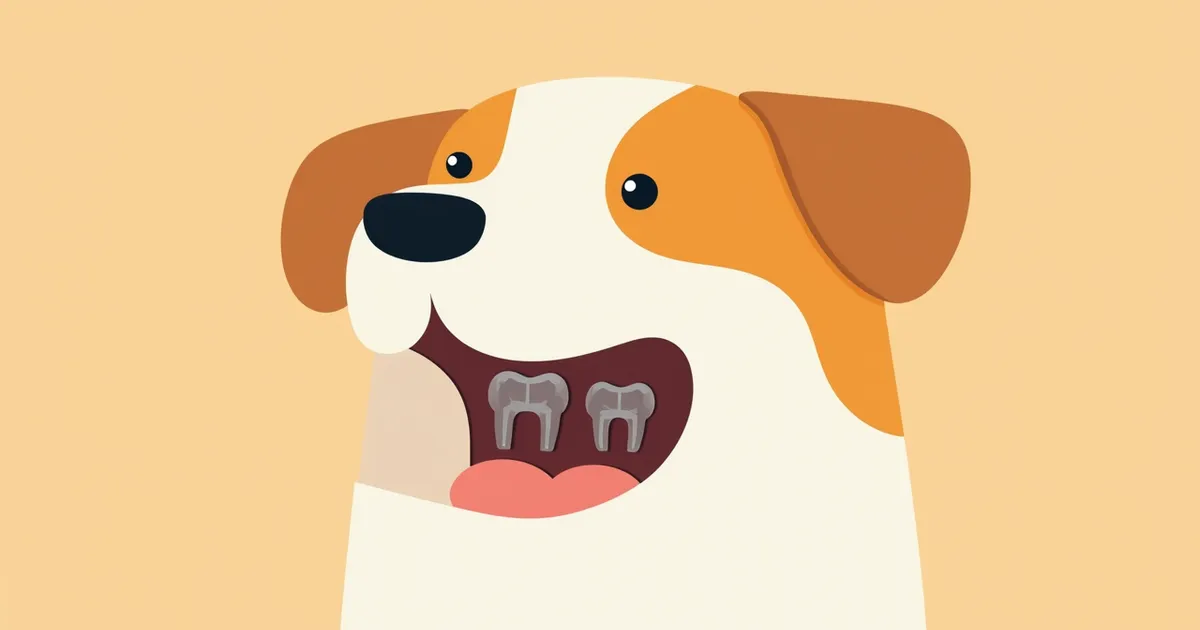
Dog Dental Radiography FAQ — Key Information Every Owner Should Know
Dental issues in dogs can affect areas deep beneath the surface that aren’t visible to the naked eye. Radiographic imaging is an essential step for an accurate diagnosis.

Recommended Frequency for Puppy Oral Exams: Frequently Asked Questions (Q&A) — Key Information Every Pet Owner Should Know
Your dog’s oral health is directly linked to their overall well-being. We’ve compiled the essential information every pet owner should know about the recommended frequency and importance of regular dental check-ups.

Dog Dental Preventive Treats & Chews FAQ — Key Points Owners Must Know
We’ve put together a guide on how to choose and use treats and chews for your dog’s dental health, how effective they are, and what to watch out for.

Dog Tartar and Plaque Prevention FAQ — Key Points Every Owner Must Know
Tartar and plaque are the main causes of periodontal disease in dogs. Regular care and proper habits are key to prevention.

Dog Oral Abscess & Dental Root Abscess FAQ — Key Information for Pet Owners
Dental abscesses in dogs are infections that form at the root of a tooth, causing pain, bad breath, and a decreased appetite. Early detection and treatment are essential to prevent complications.

Puppy Cleft Palate FAQ — Key Information Every Owner Should Know
Cleft palate in puppies is a congenital deformity present at birth that significantly impacts feeding and vocalization. Here’s a summary of the key information pet owners should know.

Frequently Asked Questions About Dog Teeth Grinding — Key Points Every Pet Owner Should Know
Teeth grinding in dogs isn’t just a harmless habit—it can be a sign of stress, pain, or an underlying medical condition. Here’s a summary of the key questions and responses every pet owner should know.

Frequently Asked Questions on the Safety of Anesthesia for Your Dog’s Dental Treatment — Key Information Every Pet Owner Should Know
The safety of anesthesia for your dog’s dental treatment depends on thorough pre-anesthetic evaluation and careful monitoring. Here’s the essential information every pet owner should know.

Frequently Asked Questions on Teaching Your Cat to Tolerate Tooth Brushing — Key Points for Pet Owners
Teaching your cat to tolerate tooth brushing is key to maintaining good oral health. Here are answers to some of the most frequently asked questions from pet owners.

Cat Tumor Surgical Margin Assessment FAQ — Key Points Every Pet Owner Should Know
Evaluating the surgical margins after tumor removal in cats is crucial for determining the risk of recurrence. We’ve compiled the key questions and answers every pet owner should know.

Why Is My Dog’s Phosphorus Level High? — Key Facts on Hyperphosphatemia and Phosphate Binders
Hyperphosphatemia is a common complication of chronic kidney disease in dogs. Phosphate binders are a cornerstone of treatment, helping to regulate blood phosphorus levels. Here’s what every pet owner should know.

Canine Tail Chasing: Play or Compulsion? — Key Facts for Pet Owners
Canine compulsive tail chasing is a repetitive, excessive behavior that can signal stress or an underlying medical condition. Here’s a summary of key information every pet owner should know.

Why does my dog bark and bite at strangers? — Causes and when to start correction
Aggression toward strangers in dogs can stem from fear, protective instincts, or anxiety. Proper handling and behavior modification are key to addressing this issue.

Is Your Dog Depressed After Losing a Companion? — Signs of Grief and Recovery Care
The grief that follows the loss of a dog doesn’t have to be faced alone. We’ve compiled essential Q&A covering the stages of grief, healthy coping strategies, how to talk about your pet’s passing, and how other pets may react—everything you need to know as a caregiver.

Fear-Based Aggression in Dogs: Why It Happens — Core Q&A from Causes to Management
Fear-based aggression in dogs is a defensive behavior triggered by fear. We’ve compiled the causes, warning signs, and step-by-step behavior modification techniques into a Q&A format.

Why Does My Dog Keep Barking? — Key Q&A on Causes and Solutions for Excessive Barking
We’ve summarized five key questions every pet owner should know about the causes and solutions for excessive barking in dogs, along with behavioral approaches and practical tips.

My cat keeps repeating the same behavior — Is this repetitive behavior disorder normal?
We’ve compiled a Q&A guide covering the causes and types of feline repetitive behavior disorders, along with at-home environmental enrichment strategies and veterinary treatment options.

Why Does My Cat Meow Every Dawn? Key Causes and Coping Strategies Q&A
We break down the causes of early-morning meowing in cats by age group, and provide situation-specific coping strategies in a Q&A format, covering everything from kittens to senior cats.

Why Cats Get Stressed When a New Pet Arrives — Key Q&A
We’ve compiled a Q&A guide on the stress responses cats may exhibit when a new animal or family member joins the household, along with step-by-step strategies to help them adjust.

Why Does My Cat Keep Scratching? — Causes of Scratching and When to Intervene
Scratching is an irresistible instinct in cats. We’ve compiled a Q&A covering why they scratch, where to place scratching posts, and practical tips to reduce furniture damage.

Why Does Your Cat Tremble in the Car? — How to Reduce Car Anxiety and Motion Sickness
We’ve compiled the essentials every pet owner should know—from pre-trip preparations to veterinarian-prescribed medications—into a Q&A format to help you distinguish why your cat is trembling in the car and identify signs of motion sickness.

What is feline behavioral enrichment? — A guide to creating a stress-reducing environment
We’ve organized behavior-enrichment strategies that satisfy the instinctual needs of indoor cats in a Q&A format. From hunting play and environmental setup to food enrichment, plus important tips for multi-cat households, this guide offers practical advice that cat owners can put into practice right away.

When Is a Dog Blood Transfusion Absolutely Necessary? — From Anemia and Hemorrhage Signs to the Golden Window
Our veterinary advisory team has summarized the key points on when dogs need blood transfusions, what blood products are used, and how to care for them at home afterward.

When Your Dog Growls, Is It Fear or Aggression? — How to Tell by the Signals
We’ve outlined how to tell whether your dog’s growling or barking stems from fear or aggression, covering body language, context, and how to respond.

Can My Dog Become an Assistance Dog? — Key Criteria for Qualification Assessment
We’ve put together an easy-to-understand guide for pet owners on the temperament and qualities needed to become an assistance dog, along with the evaluation criteria and training process.

How Many Days for a Food Transition? Step-by-Step Ratios and Schedules for 5, 7, and 10 Days
A food transition schedule gradually mixes the old and new food over 5 to 10 days to help your dog or cat adjust. Choose a timeline based on your pet’s constitution and sensitivity.

Why Does Your Cat Zoom at 3 AM? — How to Calm Them Down
Early morning zoomies in cats is a natural behavior resulting from their nocturnal instincts combined with a need to burn off energy. In most cases, this can be improved by adjusting the timing of evening play sessions and meals.

What Changes in Middle-Aged Cats (7–10 Years)? — Essential Health Care
Middle-aged cats, aged 7 to 10, may appear healthy on the outside, but subtle changes are already beginning in their metabolism, immune system, and joints. Here’s a summary of the key health signs to watch for and the care practices to prioritize during this stage.

What Is a Veterinary Medical Consent Form? — A Guide to Owner Rights Before Surgery and Euthanasia
A veterinary medical consent form is a legal document that pet owners must sign before surgery, anesthesia, or diagnostic testing. We’ve outlined the owner’s rights and the key items to review.

When Dog Clothes Are Truly Necessary
Dog clothes are not for fashion—they’re meant to help maintain body temperature and protect the skin. Here’s a breakdown of when they’re truly necessary and when your dog can comfortably go without them.

How to Choose a Pet Sitter? — A Checklist to Review Before Entrusting Your Pet
A pet sitter is a professional care service that looks after your pet in your absence. To feel truly at ease, it’s essential to carefully verify their qualifications, experience, and emergency response skills before entrusting them with your pet.