
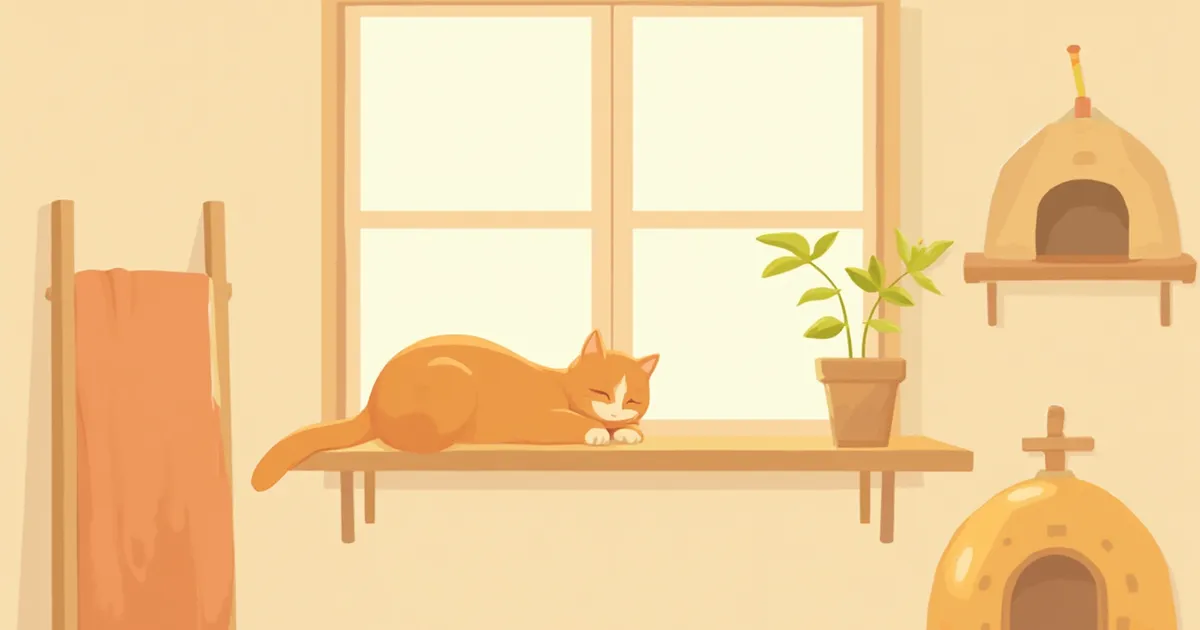
How to Create a Rest Area for Cats with Kidney Disease: 3 Essential Elements
We’ve outlined the key conditions and indoor placement tips for creating a rest area where cats can relax and feel secure, based on veterinary evidence.
What Is a Cat’s Resting Area?
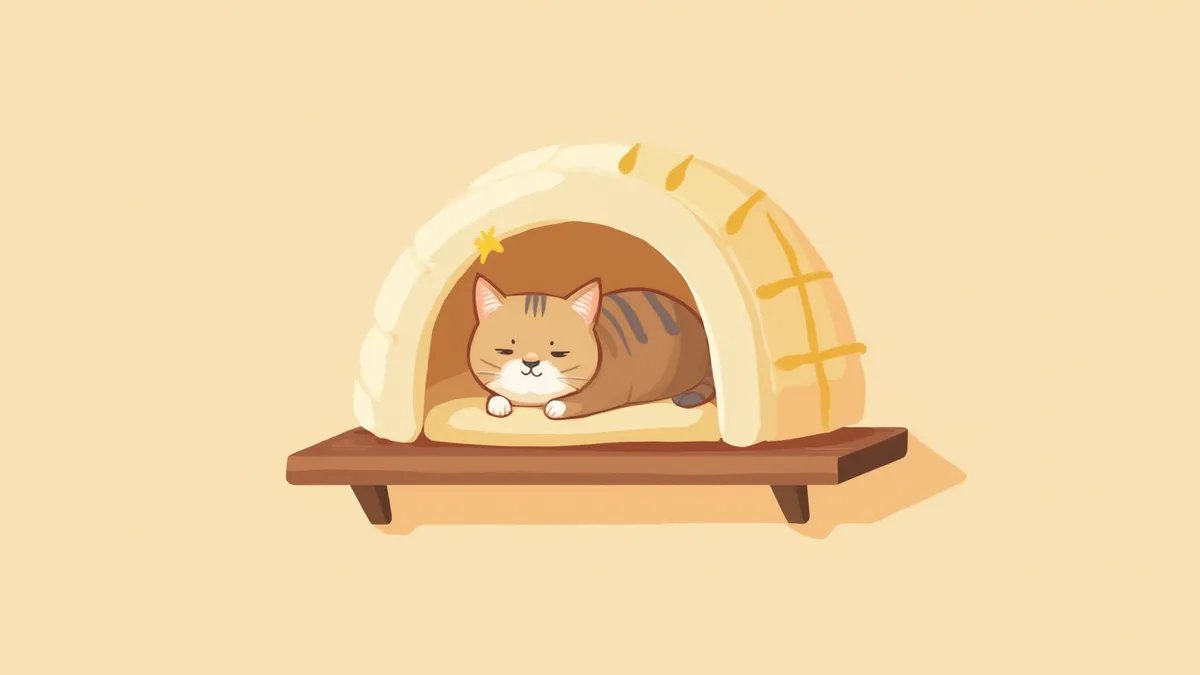
Why Is a Resting Area Important for Immunity?
3 Key Conditions for a Good Resting Area (Checklist)
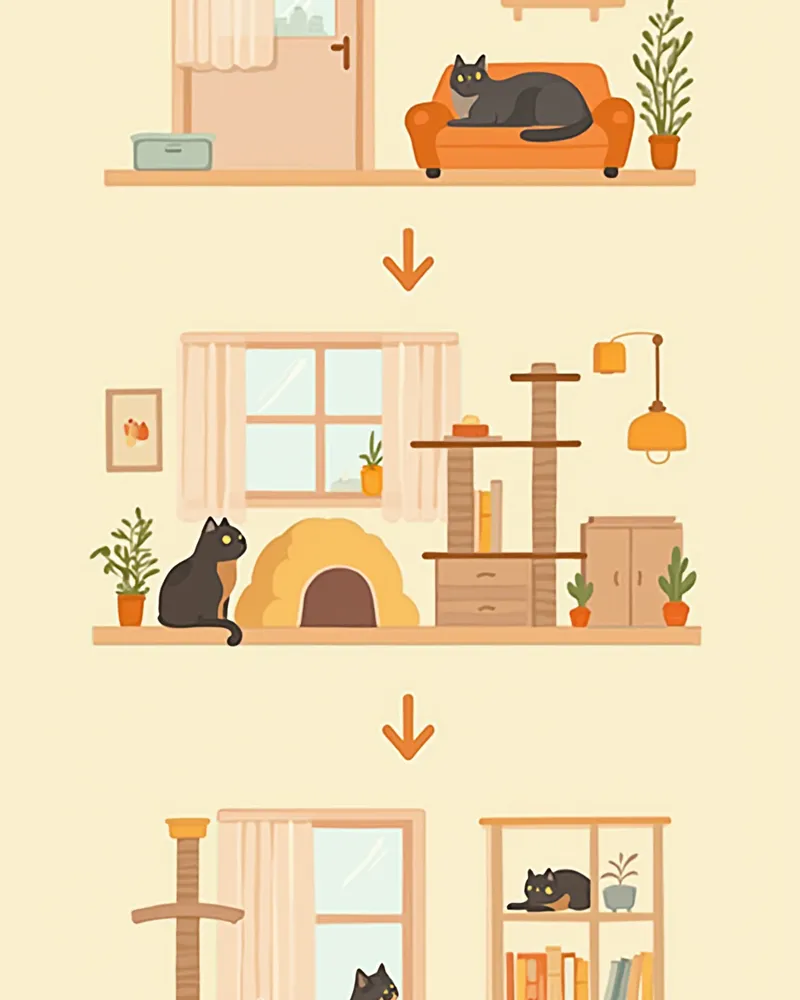
Comparison of Resting Area Types
| Item | Low hideaway | Windowsill shelf | Top of the cat tower |
|---|---|---|---|
| Blocking of view | Very high | Moderate | Low |
| Surveillance of surroundings | Low | High | Very high |
| Recommended situation | When unfamiliar guests visit | Everyday napping | Higher-ranking cat in a multi-cat household |
| Installation difficulty | Easy | Moderate | Moderate |
Ideally, place all three in one space.
Locations to Absolutely Avoid
The following spots may look like resting areas, but they’re not truly relaxing for cats: on top of a washing machine or dryer, right next to the front door, near an outdoor air conditioner unit, directly in front of a TV or speakers, or along a path frequently used by dogs. In particular, placing a resting area right next to the litter box can cause cats to skip meals or hold their urine. As a general rule, key resources such as food, water, the litter box, and resting areas should be physically separated from each other.
How to Arrange Resting Areas in Multi-Cat Households
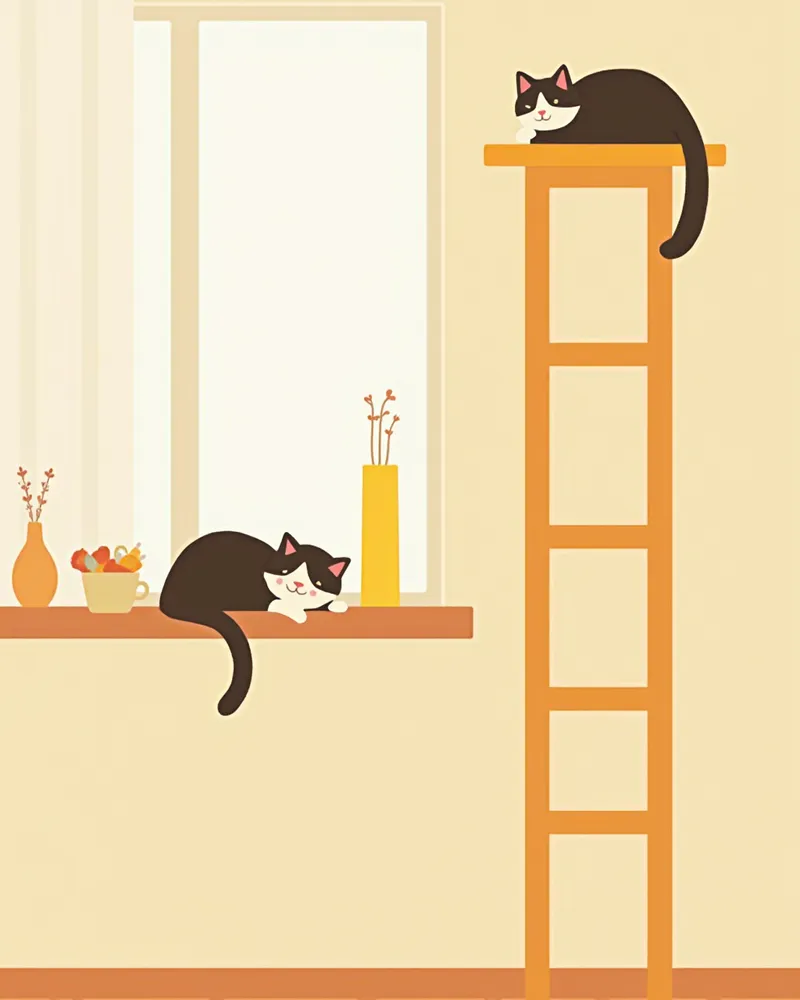
Budget-Friendly Tips for Creating a Resting Area
Provide a “Temporary Shelter” First After Vet Visits or Moving
The initial adjustment period right after a change in environment is a time when cats are especially prone to stress. Leave the carrier in one corner of the room, cover it with a towel to partially obscure it, and use it as a temporary shelter. Place food, water, and the litter box within the same room, but ensure they are spaced far enough apart. Avoid forcing the cat out or petting it; allowing the cat to emerge on its own will facilitate the fastest recovery.
Reviewed by a veterinarian

Dr. Tony — Punnawat Phongkittirak
VeterinarianA veterinarian who majored in veterinary medicine at Khon Kaen University, Thailand, and completed the IVSA program at North Carolina State University in the United States. Drawing on clinical experience at animal hospitals, he works in the pet healthcare field and is dedicated to building a digital care environment that connects pet parents with veterinarians.
Reviewed 2026-04-26
Frequently Asked Questions
My cat isn’t using the cat tower. Why might that be?
Is it okay to have the food bowl and resting area next to the litter box?
Is an igloo-style shelter that is completely enclosed better, or is an open-style shelter better?
How should I prepare my home for living with a puppy?
What kind of resting place is best for a sick cat?
Share
Related Guides

Primary vs. Secondary Veterinary Hospitals: A Comparison

5 Easy-to-Raise Cat Breeds for First-Time Owners — Grooming Difficulty Comparison

Top 7 Short-Legged Dog Breeds

Frequently Asked Questions About Bacterial Pneumonia in Dogs — Key Information Every Pet Owner Should Know

Frequently Asked Questions About Feline Lung Percussion and Thoracentesis — Key Information for Pet Owners
Frequently Asked Questions on Feline Thoracic X-ray Interpretation — Key Points for Pet Owners
Feline Pulmonary Thromboembolism FAQ — Key Points Every Pet Owner Should Know

Frequently Asked Questions About Feline Pulmonary Edema — Key Information Every Pet Owner Should Know

Frequently Asked Questions About Feline Pneumothorax — Key Information for Pet Owners

Frequently Asked Questions About Feline Oxygen Therapy — Key Information Every Pet Owner Should Know
References
[1] Rodan I, Heath S. Feline Behavioral Health and Welfare: Prevention and Treatment. Elsevier, 2016
[2] Little SE. The Cat: Clinical Medicine and Management, 2nd Edition. Elsevier, 2023
[3] Heath S. A Professional's Guide to Feline Behaviour, 2022
[4] Horwitz DF. Veterinary Guide to Preventing Behavior Problems in Dogs and Cats, Wiley-Blackwell, 2021