Like
Share
멍실장
강아지 안내 종양 자주 묻는 질문 Q&A — 보호자가 꼭 알아야 할 핵심

Tumor in My Dog’s Eye? — Early Signs of Intraocular Tumors and When to Visit the Vet

Eye HealthQ&AMeongsiljang Veterinary Advisory Board

Early detection of canine anal gland tumors significantly improves treatment outcomes. Here are the key facts every pet owner should know.

What Are Intraocular Tumors in Dogs?
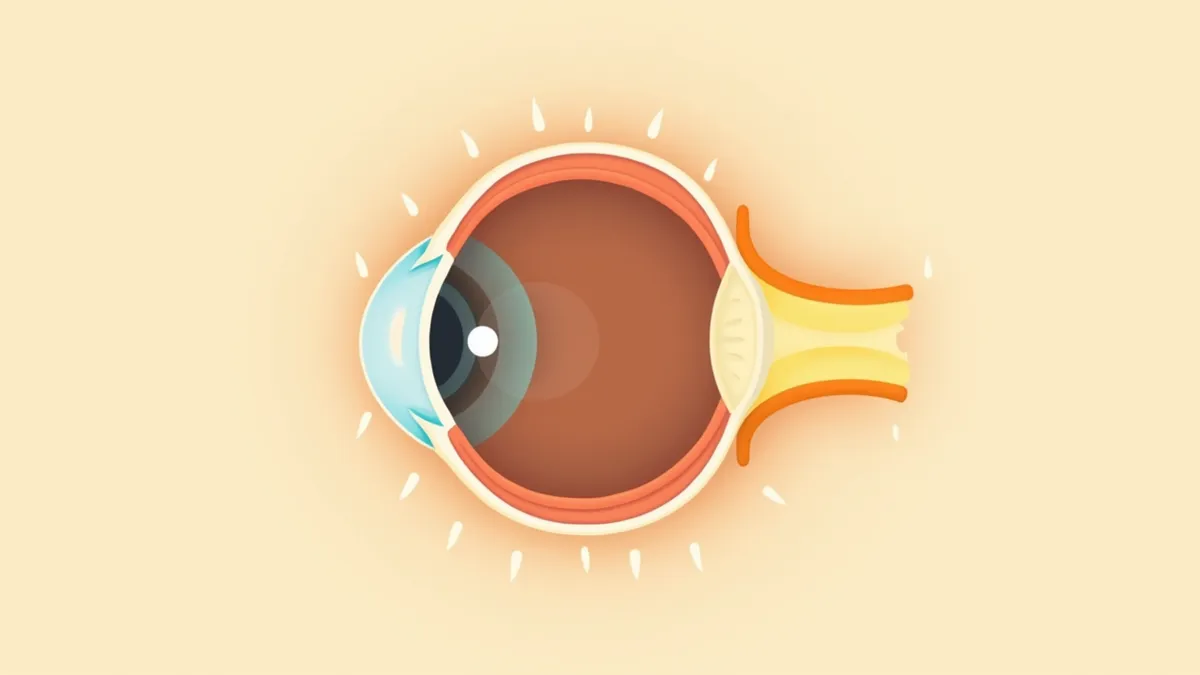
An anatomical illustration showing a tumor located in the anterior chamber of a dog's eye.
Intraocular tumors in dogs are growths that develop within the tissues of the eye. These tumors can be either benign or malignant, and their exact nature can only be determined through a veterinarian’s examination and diagnosis. Because changes inside the eye are often not visible from the outside, early signs can be difficult to detect, making regular ophthalmic check-ups essential for ongoing monitoring. - Benign tumors: These tend to grow relatively slowly, but as they enlarge, they can press on internal eye structures and impair vision. - Malignant tumors: These may grow more rapidly or spread to surrounding tissues. Whether a tumor is benign or malignant, and how advanced it is, must be confirmed by a veterinarian. Regular eye examinations are key to early detection.

What Are the Main Causes of Intraocular Tumors?

The exact cause of intraocular tumors in dogs remains unclear. However, tumors are generally thought to arise from a combination of factors, and the commonly discussed points are as follows: - Genetic predisposition: While some tumors are reported more frequently in certain breeds, a clear link between intraocular tumors and specific breeds has not yet been established. - Age: Many tumors tend to become more likely with advancing age. - Chronic irritation and inflammation: Chronic inflammation or irritation of the eye is considered a possible contributing factor. - Overall health status: Overall health, including immune function, may play a role, but a direct causal relationship with intraocular tumors is not clearly established. Since it is difficult to fully determine the cause, early detection through regular check-ups is the most practical approach to management.
A photo style showing slight cloudiness in the eyes of an elderly dog

What Are the Main Symptoms of Intraocular Tumors?

Intraocular tumors in dogs often show no obvious signs in the early stages. However, as the tumor grows, it can alter the eye’s clarity and internal structure, leading to various symptoms. - Vision changes: Your dog may have trouble navigating or bump into objects in familiar surroundings. - Changes in eye appearance: The pupil’s color, shape, or size may look different from usual. - Conjunctival redness and discomfort: The eye may appear red, and your dog might rub it frequently or show signs of discomfort. - Altered light reflection: The eye may look different when light shines on it compared to normal. If you notice any of these changes, avoid making your own diagnosis and consult a veterinarian for a proper examination. Early detection provides more treatment options.
A photo showing a dark tumor in the anterior chamber of a dog's eye.

Signs That Require an Immediate Vet Visit

If your pet’s eyes suddenly become swollen, tear excessively, experience a rapid decline in vision, or if they start rubbing or scratching their eyes more frequently, you should visit the clinic immediately. These symptoms could indicate that a tumor has become malignant or that intraocular pressure has increased.

Stage-by-Stage Symptoms of Intraocular Tumors and How to Handle Them

ItemStageMain SymptomsDiagnostic MethodTreatment Options
Early (Few Changes)There may be no noticeable changes in the eyeIncidentally found during routine ophthalmic examinationOphthalmic examination, ocular ultrasoundMonitoring and follow-up examination
Intermediate (Progressing)Cloudiness of the eye or changes in appearance, etc.Detailed ophthalmic examination, imaging testsAdditional imaging tests, biopsy if necessaryTreatment according to veterinarian's judgment
Late (Progressed/Possible Metastasis)Advanced changes such as decreased visionEvaluation of systemic condition and metastasisSystemic examination, imaging testsTreatment decided by veterinarian, such as tumor removal

Stage classification and testing/treatment methods vary depending on the nature and location of the tumor and the patient's condition, and the final decision is made by the veterinarian.

How Is the Diagnosis of Intraocular Tumors Performed?
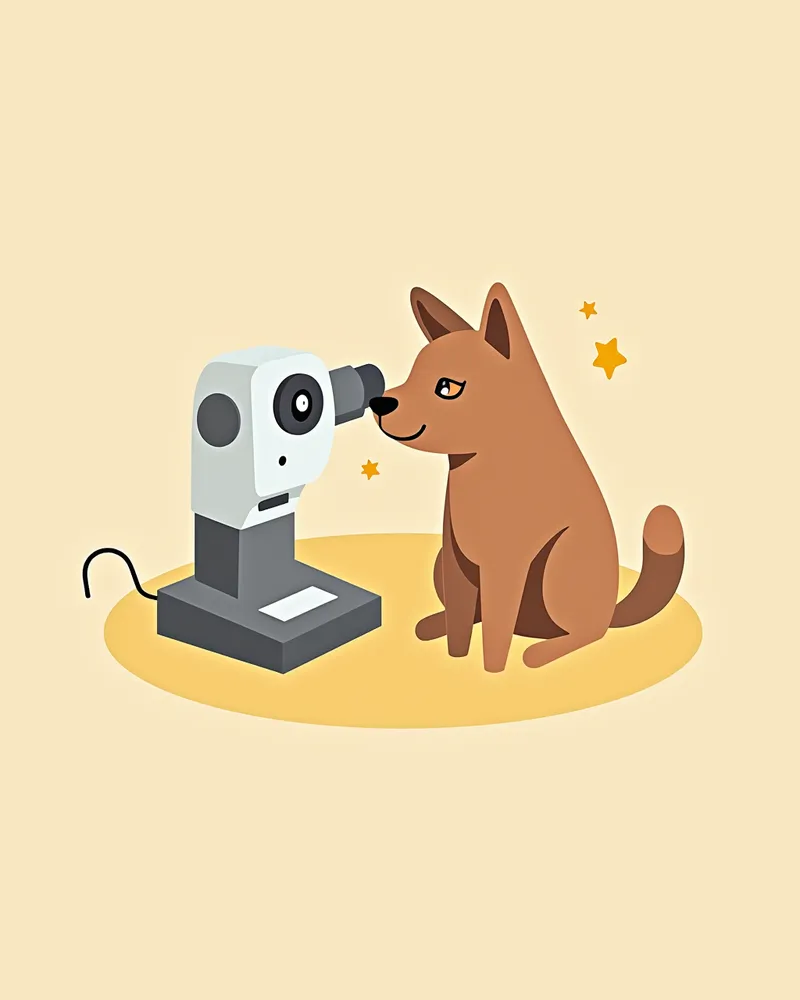
Diagnosing intraocular tumors can be challenging because the interior of the eye is difficult to examine directly from the outside, so we use a combination of tests to reach a diagnosis. - Comprehensive ophthalmic examination: We use tools like an ophthalmoscope to closely inspect the internal structures of the eye. - Ocular ultrasound: This helps determine the tumor’s location and size when the interior of the eye is cloudy and direct visualization is difficult. - Cytology and histopathology: If necessary, we collect samples to analyze the nature of the tumor. - Systemic health assessment: We may also perform blood tests or imaging studies to evaluate overall health and check for metastasis. Your veterinarian will decide which tests to use and how to combine them based on your pet’s specific condition. An accurate diagnosis is the foundation for developing an effective treatment plan.
A veterinarian examining a dog's eye using a slit lamp

What Are the Treatment Options for Intraocular Tumors?

Treatment options depend on the tumor’s size, location, and whether it is malignant.
Surgical removal: If the tumor is small and localized, it can be surgically removed.
Radiation therapy: For malignant tumors or cases where surgery is difficult, radiation can be used to shrink the tumor.
Chemotherapy: This is used as a systemic treatment if metastasis is suspected.
Monitoring: If the tumor is benign and small, regular follow-up monitoring may be sufficient.
Your veterinarian will make a comprehensive assessment to determine the best course of action.
A puppy receiving radiation therapy at a veterinary clinic

Points to Note When Managing Intraocular Tumors

Because ongoing monitoring is essential after treatment for ocular tumors, it’s important to keep up with regular check-ups. - Follow prescription instructions: Use any eye drops or medications prescribed by your veterinarian exactly as directed. - Protect the eyes: Prevent irritation by keeping your pet from rubbing or scratching their eyes. - Regular check-ups: Attend ophthalmic examinations consistently according to the schedule recommended by your veterinarian. - Monitor behavior: Watch closely for any changes in vision or unusual behaviors, such as frequent eye rubbing. Consistent care like this helps maintain your pet’s eye health for the long term.
A photo of a puppy wearing protective eyewear.

Note: Differences in Risk by Breed

Changes inside the eye are often subtle and not easily visible from the outside, regardless of breed, making early detection challenging. Since it is not yet clear which breeds are particularly susceptible to intraocular tumors, it is safest to have regular ophthalmic examinations for all dogs, irrespective of breed. The earlier the condition is identified, the wider the range of treatment options available.

Reviewed by a veterinarian

Dr. Tony — Punnawat Phongkittirak

Dr. Tony — Punnawat Phongkittirak

Veterinarian

A veterinarian who majored in veterinary medicine at Khon Kaen University, Thailand, and completed the IVSA program at North Carolina State University in the United States. Drawing on clinical experience at animal hospitals, he works in the pet healthcare field and is dedicated to building a digital care environment that connects pet parents with veterinarians.

Frequently Asked Questions

Can canine anal gland tumors be treated?
The treatment approach depends on the tumor’s characteristics, location, and stage of progression. The earlier it is detected, the more treatment options are typically available. Your veterinarian will determine the specific feasibility and method of treatment after conducting diagnostic tests.
Are nasal tumors hereditary?
Note: The link between tumors and genetics or specific breeds has not yet been clearly established. Therefore, it is important to detect tumors early through regular check-ups, regardless of breed.
Does a tumor in the eye lead to complete vision loss?
It depends on the tumor’s location, size, and nature. In some cases, vision may not be significantly affected, but as the condition progresses, vision can deteriorate. The exact status should be confirmed through examination.
Can a tumor in one eye spread to the other eye?
Whether a tumor in one eye can spread directly to the other eye depends on the nature of the tumor, so it's difficult to make a blanket statement. Malignant tumors have the potential to spread throughout the body, so regular check-ups and evaluation by a veterinarian are essential.
How long does it take for a pet to recover after tumor removal surgery?
The recovery period varies depending on the extent of the surgery and the individual’s condition. Post-surgery, rest, prescribed medications, and regular check-ups are necessary, and it’s best to monitor the recovery progress in consultation with your veterinarian.

Share

Related Guides

References

[1] Plumb's Veterinary Drug Handbook, 9th Edition, 2022

[2] Veterinary Ophthalmology, 6th Edition, 2020

[3] Small Animal Ophthalmology, 2nd Edition, 2018

This information is based on veterinary literature and does not replace diagnosis or treatment. Please consult a veterinarian for specific health concerns.

Metapet Co., Ltd. | CEO: Park Sung-yong | Business Reg. No. 417-88-02562 | Seoul, South Korea | Customer Center

Intraocular Tumors in Dogs: Early Signs and When to See a Vet | Meongsiljang