Like
Share
멍실장
고양이 비대성 심근병증 고양이(HCM) 자주 묻는 질문 Q&A — 보호자가 꼭 알아야 할 핵심

What is Feline Hypertrophic Cardiomyopathy (HCM)? — From Causes to Signs Requiring a Vet Visit

HeartQ&AMeongsiljang Veterinary Advisory Board

Hypertrophic cardiomyopathy (HCM) in cats is a heart condition strongly influenced by genetics, making early detection and management crucial for survival. Here’s a summary of the key information every cat owner should know.

What is Feline Hypertrophic Cardiomyopathy (HCM)?
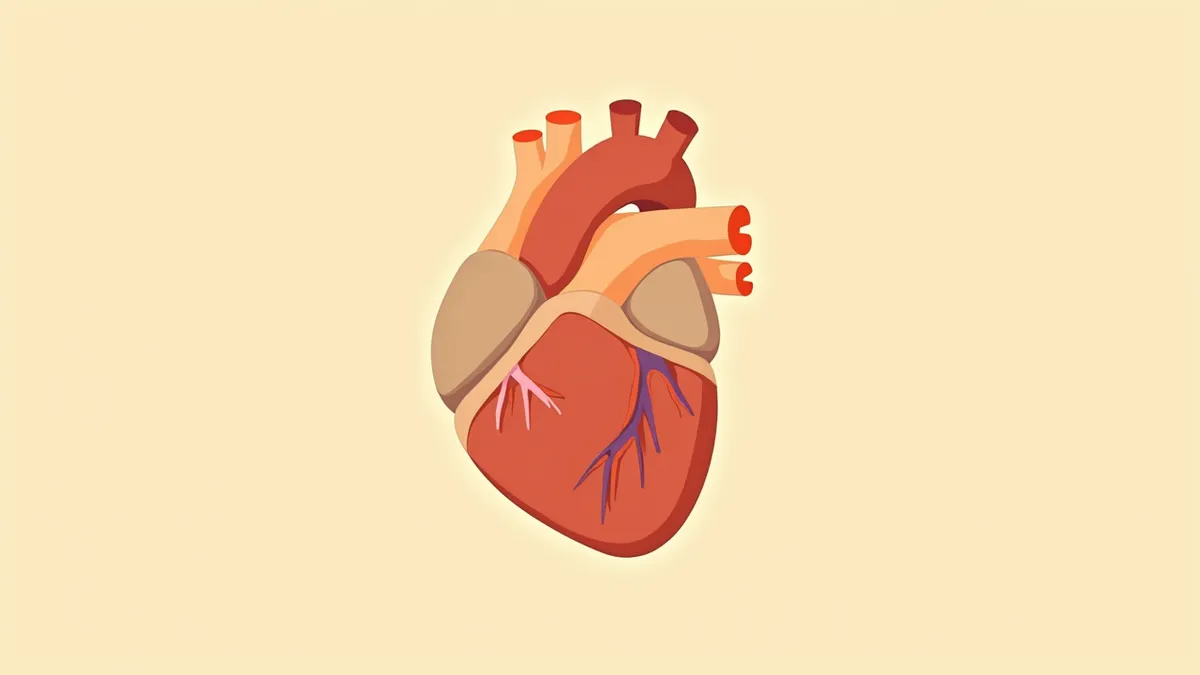
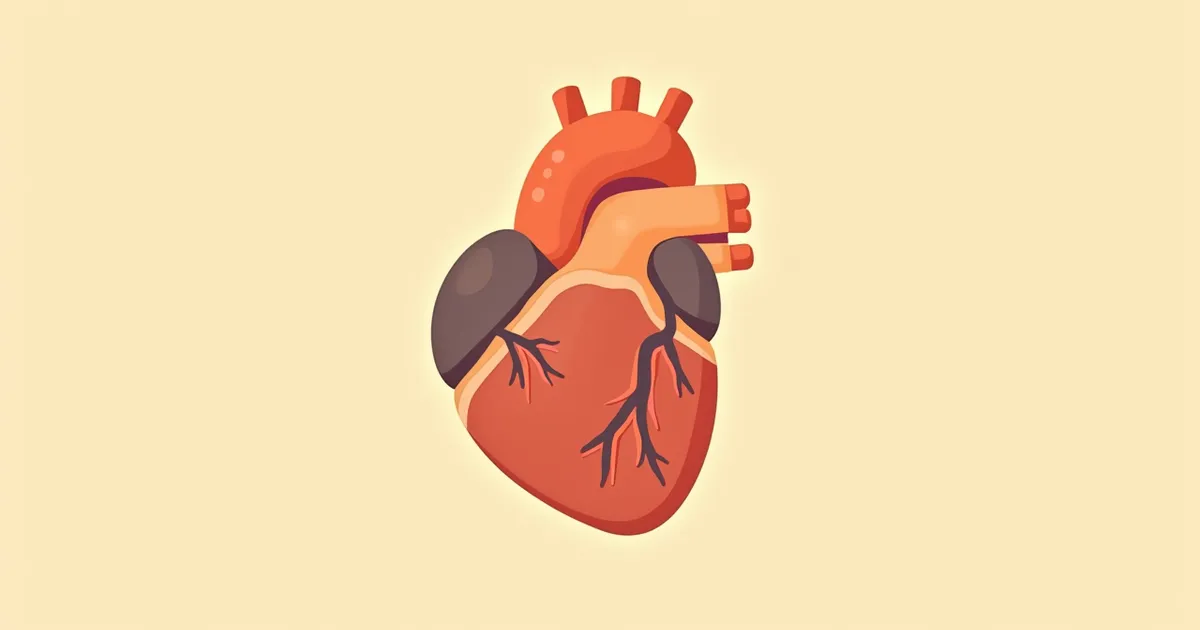
Cardiac structure in hypertrophic cardiomyopathy
Hypertrophic cardiomyopathy (HCM) in cats is a genetic heart disease characterized by abnormal thickening of the left ventricular wall. The hallmark of this condition is impaired diastolic function, meaning the heart cannot relax sufficiently to fill with blood. Genetic mutations associated with HCM are particularly common in Maine Coon and Ragdoll breeds. In its early stages, HCM typically presents with few or no symptoms, making early detection challenging; however, as heart function declines, it can lead to respiratory distress or sudden death. According to veterinary cardiology textbooks, HCM is the most common form of myocardial disease in cats.

What are the Main Causes of HCM?

The primary cause of hypertrophic cardiomyopathy (HCM) in cats is genetic. HCM is inherited in an autosomal dominant pattern, but with incomplete penetrance and variable expression among individuals. - Gene mutations: Specific mutations in the MYBPC3 gene have been identified in Maine Coon (A31P) and Ragdoll (R820W) cats. These mutations alter the structure of cardiac muscle proteins, leading to thickening of the heart walls. - Multiple sarcomere genes: HCM can result from mutations in various genes that produce sarcomere proteins. In humans, the first mutation was reported in the MYH7 gene, and to date, numerous mutations have been identified in over 14 genes. - Genetic predisposition: The high prevalence in certain breeds is due to the propagation of these genes. - Testing available: Genetic testing can help assess risk in advance. - Early detection: Identifying the condition in the preclinical stage aids in developing a management plan.
Genetic mutations associated with HCM

What are the Main Symptoms of HCM?

Although early-stage hypertrophic cardiomyopathy (HCM) in cats often shows few or no visible symptoms, the following signs may appear as heart function declines:
Difficulty breathing: Rapid or labored breathing.
Lethargy: Spending most of the day resting without much movement.
Wandering or hiding: Uncharacteristically seeking out isolated spots or hiding away.
Sudden collapse: May occur abruptly due to cardiac arrest or blood clots.
Decreased appetite: A sudden reduction in food intake.
If you notice any of these symptoms, seek veterinary care immediately.
Difficulty breathing caused by HCM

Signs Requiring Immediate Veterinary Care

If your cat suddenly starts panting, breathing with its mouth open, or collapses and becomes unresponsive, seek veterinary care immediately. These symptoms may indicate heart failure or pulmonary edema. According to veterinary textbooks, such situations can be life-threatening, making emergency intervention essential.

How is HCM Diagnosed?
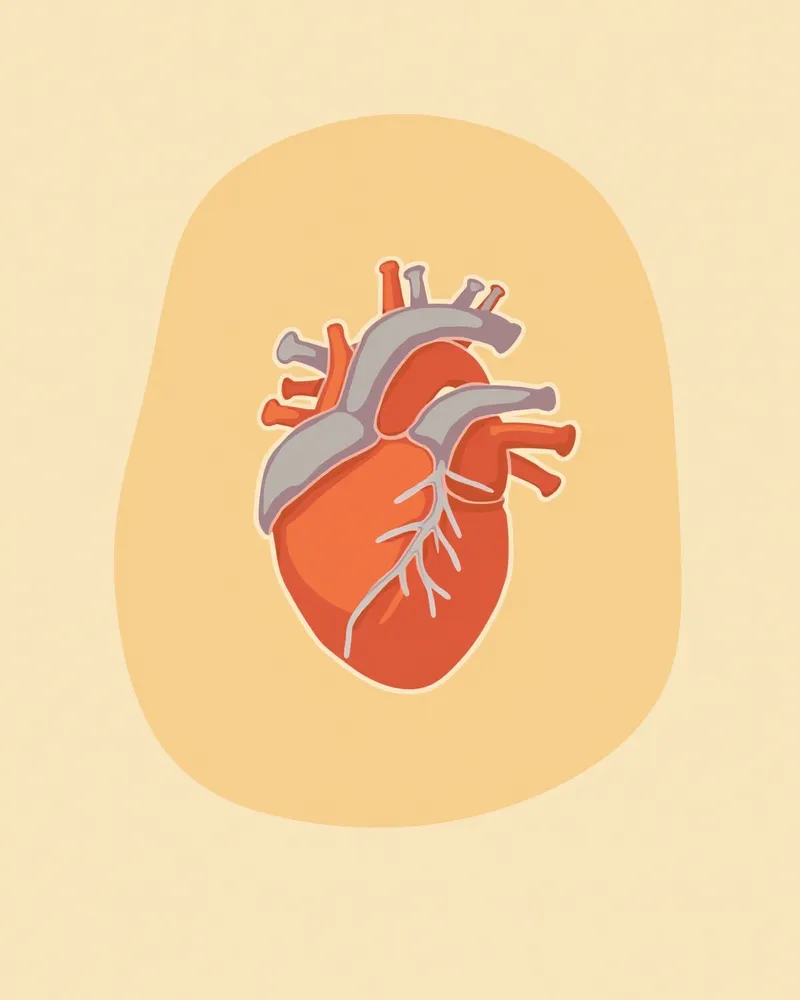
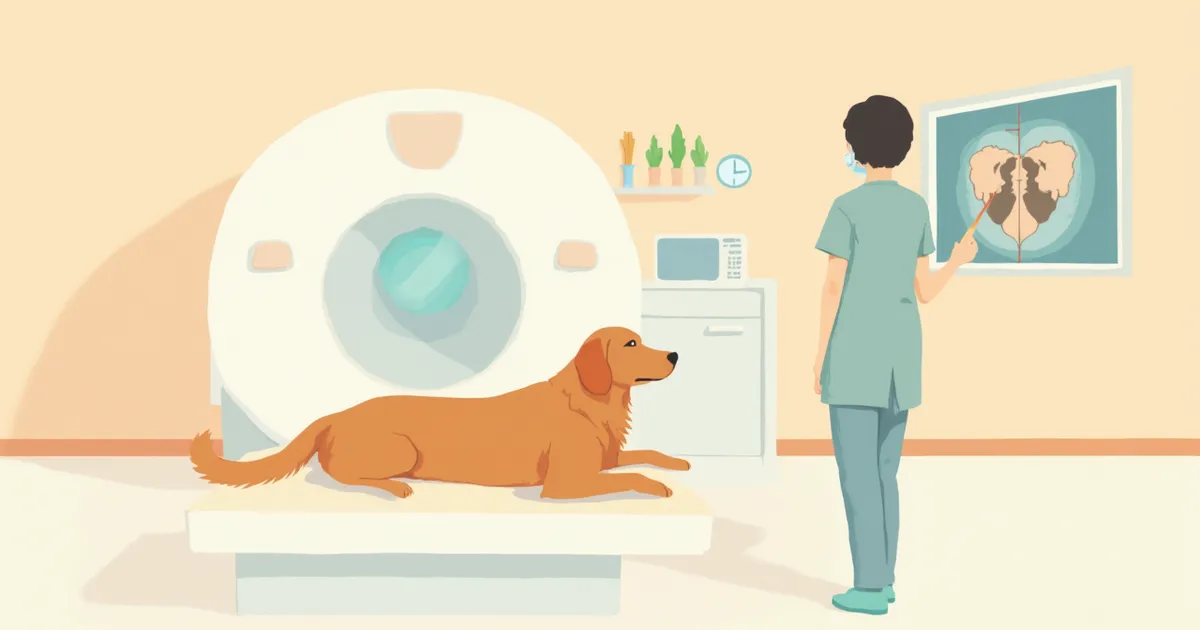
Feline hypertrophic cardiomyopathy (HCM) is accurately diagnosed through an echocardiogram (ultrasound of the heart). - Echocardiogram: This test precisely measures the thickness of the heart walls and evaluates contraction and relaxation function. - Cardiac biomarker testing: Blood tests measure NT-proBNP levels to help assess whether heart function is declining. - Regular check-ups are essential: Even if your cat shows no symptoms, we recommend at least one comprehensive exam per year. - Early detection matters: Identifying abnormalities in the early stages significantly improves treatment outcomes. - Veterinary expertise is required: A professional evaluation by a veterinarian is essential for an accurate diagnosis.
Echocardiogram for diagnosing HCM

What are the Treatment Options for HCM?

While there is no cure for hypertrophic cardiomyopathy (HCM) in cats, we can help maintain your pet’s quality of life by managing symptoms and preventing complications.
Medication: Beta-blockers (such as atenolol) are used to slow the heart rate, reduce oxygen consumption by the heart muscle, and increase diastolic filling time. If there is a risk of thromboembolism, antiplatelet agents like clopidogrel may also be considered.
Veterinary-guided management: Medication and diet should be determined by your veterinarian based on the stage and condition of the disease, so it is best not to adjust them without professional guidance.
Regular monitoring: Regular echocardiography (cardiac ultrasound) is used to monitor changes in the condition.
Stress management: Avoid environmental changes or excessive stimulation, and provide a stable living environment.
According to veterinary pharmacology textbooks, beta-blockers are used in HCM management to aid myocardial relaxation and reduce oxygen demand.
Medication for treating hypertrophic cardiomyopathy (HCM)

HCM Prevention and Management Tips

Because genetics play a major role in feline hypertrophic cardiomyopathy (HCM), complete prevention is difficult, but early detection and management can help reduce complications.
Regular check-ups: For high-risk breeds such as Maine Coons and Ragdolls, consider an annual cardiac ultrasound even if no symptoms are present.
Genetic testing: For at-risk breeds, consider genetic testing to assess risk in advance.
Minimize stress: Maintain a stable living environment for your cat.
Diet and medication consultation with a veterinarian: Rather than making your own decisions, consult your veterinarian to determine the appropriate diet and medication.
Activity management: Avoid excessive stimulation and provide a quiet, stable environment.
Consistent adherence to these management practices can help maintain your cat’s quality of life.
A stable environment for managing HCM

Breed-Specific Precautions and Genetic Testing Recommendations

Maine Coon and Ragdoll cats are at higher risk for hypertrophic cardiomyopathy (HCM) due to MYBPC3 gene mutations. Because these breeds have a strong genetic predisposition, it is advisable to conduct genetic testing before adoption. According to veterinary genetics textbooks, genetic testing allows for early assessment of risk. Testing is essential for producing healthy offspring.

Reviewed by a veterinarian

Dr. Tony — Punnawat Phongkittirak

Dr. Tony — Punnawat Phongkittirak

Veterinarian

A veterinarian who majored in veterinary medicine at Khon Kaen University, Thailand, and completed the IVSA program at North Carolina State University in the United States. Drawing on clinical experience at animal hospitals, he works in the pet healthcare field and is dedicated to building a digital care environment that connects pet parents with veterinarians.

Frequently Asked Questions

Does HCM only occur in cats?
No, HCM can occur in dogs as well as cats, but it is rare in dogs and is the most common myocardial disease in cats. It has a strong genetic component, especially in Maine Coon and Ragdoll cats.
Can HCM be treated?
While a complete cure may be difficult, symptoms can be managed and complications prevented through medication such as beta-blockers and regular care. Early detection and consistent management are key.
How accurate are genetic tests?
The MYBPC3 gene test is useful for identifying known mutations in Maine Coon and Ragdoll cats, allowing you to assess the risk in advance. However, because this condition has incomplete penetrance, not all cats with the mutation will develop the disease, and other genetic factors may also play a role.
Can a cat with HCM live with other cats?
It is possible, but you should minimize stress and provide a quiet environment. Sudden shocks or fights can put a strain on the heart, so caution is necessary.
What is the average life expectancy of a cat with HCM?
According to textbooks, the median survival time from the time of diagnosis is reported to be approximately five years. In particular, studies have shown that asymptomatic (latent) cats with hypertrophic cardiomyopathy (HCM) have a five-year survival rate of about 80%. However, the course of the disease varies greatly among individuals, so consistent management has a significant impact on prognosis.

Share

Related Guides

References

[1] The Cat, Clinical Medicine and Management, 2nd Edition, 2020

[2] Small Animal Critical Care Medicine, 3rd Ed, 2021

[3] Textbook of Cardiovascular Medicine in Dogs and Cats, 2019

This information is based on veterinary literature and does not replace diagnosis or treatment. Please consult a veterinarian for specific health concerns.

Metapet Co., Ltd. | CEO: Park Sung-yong | Business Reg. No. 417-88-02562 | Seoul, South Korea | Customer Center

What Is Feline HCM? Causes to Signs You Shouldn't Ignore | Meongsiljang