Like
Share
멍실장
강아지 고혈압성 망막증 자주 묻는 질문 Q&A — 보호자가 꼭 알아야 할 핵심

What is hypertensive retinopathy in dogs? — How to prevent sudden blindness

Eye HealthQ&AMeongsiljang Veterinary Advisory Board

Hypertensive retinopathy in dogs is a condition where high blood pressure causes damage to the retina. Early detection and management are key to preserving vision.

What is hypertensive retinopathy in dogs?
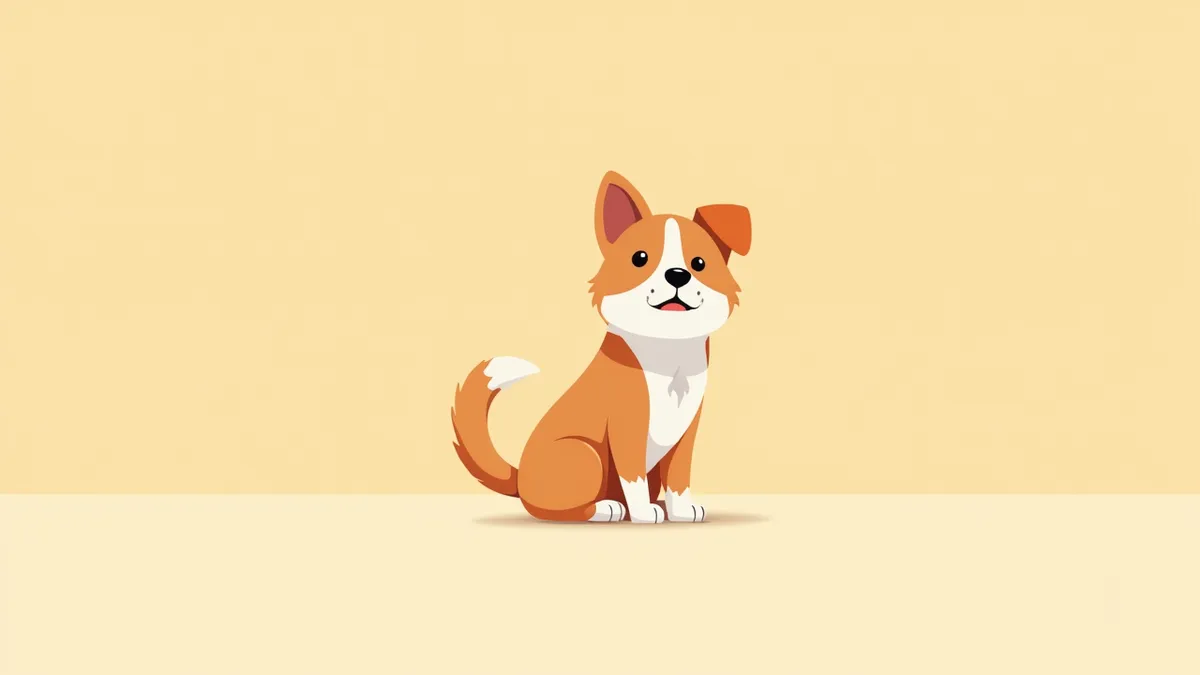
A dog's face showing signs of suspected hypertensive retinopathy
Hypertensive retinopathy in dogs is a condition in which bleeding or swelling occurs in the retina due to persistent high blood pressure. - High blood pressure: Elevated blood pressure places excessive stress on the retinal blood vessels, leading to damage. - Retinal damage: In the early stages, there may be no noticeable vision loss or behavioral changes, making it easy to overlook. - Early detection: If retinal damage progresses, it can lead to vision loss. - Indicator of systemic disease: This condition serves as an important signal reflecting overall health, often associated with kidney disease or endocrine disorders. - Regular check-ups: Dogs at risk for high blood pressure require routine ophthalmic examinations and blood pressure monitoring.

What are the main causes of this condition?
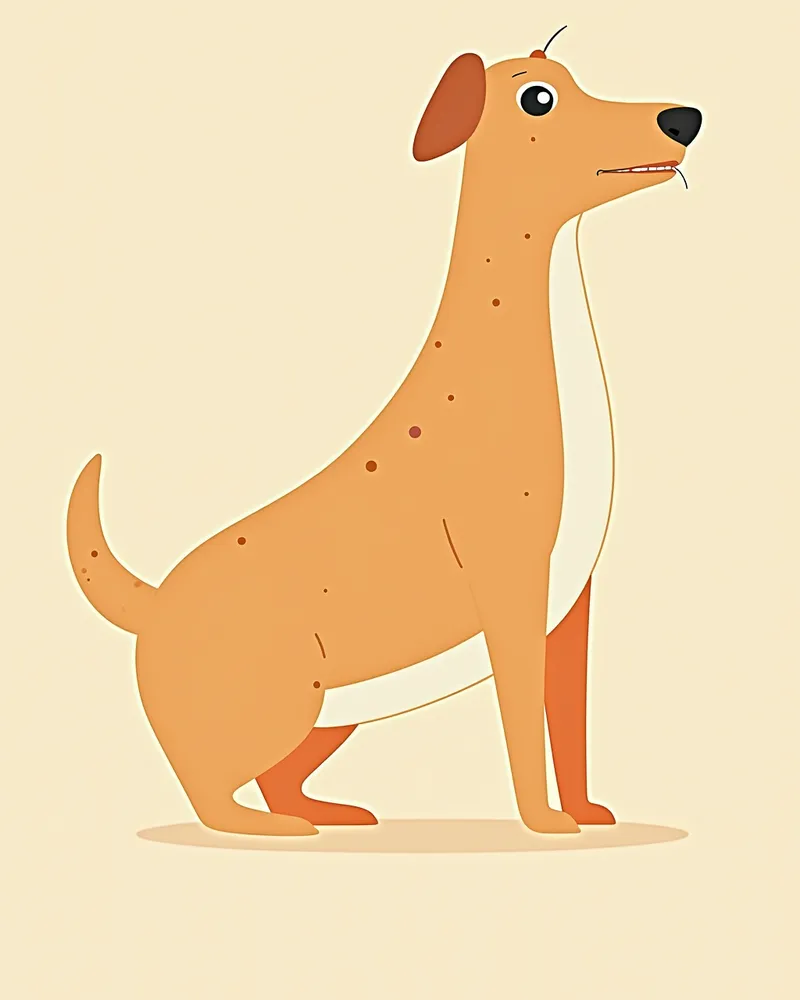
The primary causes of hypertensive retinopathy in dogs are chronic kidney disease and endocrine disorders. - Kidney disease: When kidney function declines, blood pressure regulation becomes difficult, potentially leading to hypertension. It is estimated that 60–80% of secondary hypertension in dogs is associated with kidney disease. - Endocrine disorders: Conditions such as hyperadrenocorticism (Cushing’s disease), hyperthyroidism, diabetes mellitus, and pheochromocytoma can contribute to elevated blood pressure. - Advanced age: As dogs age (middle-aged to senior), blood vessels undergo degenerative changes, increasing the risk. - Lifestyle factors: Obesity, hyperlipidemia (hypercholesterolemia), and high-salt diets may also play a role. - Primary (idiopathic) hypertension: In some cases, hypertension occurs without an identifiable underlying cause. This form of primary hypertension is reported more frequently in dogs than in cats.
Anatomical diagram of the kidneys and adrenal cortex in relation to hypertension

Main symptoms and signs

The main symptoms of hypertensive retinopathy in dogs are vision loss and sudden blindness. Persistent high blood pressure can damage the retina, leading to visible bleeding in the eye, retinal swelling, and, in severe cases, retinal detachment resulting in blindness. In fact, vision loss is one of the most common reasons pet owners visit the vet. Additionally, high blood pressure can strain the heart and the entire circulatory system. Owners should closely monitor for sudden behavioral changes, collisions with furniture, or frequent eye rubbing. These signs may indicate advanced retinal damage, so regular ophthalmic examinations, including fundus exams, are essential for early detection.
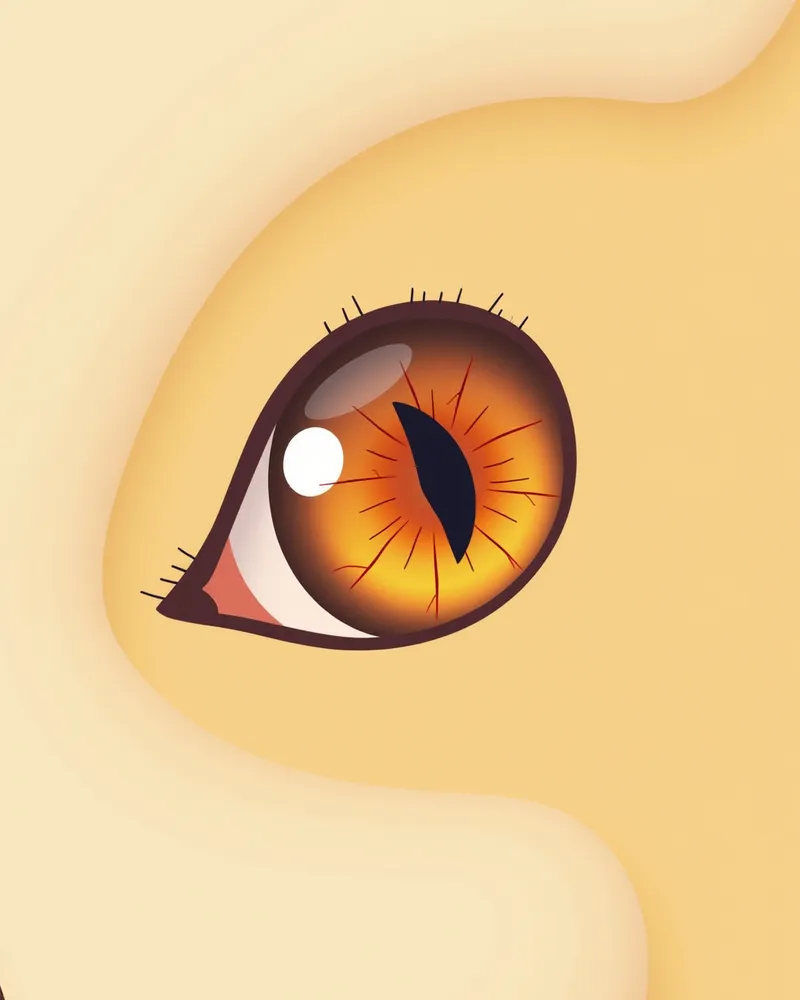
A dog’s eye with retinal hemorrhage and vascular abnormalities

Signs requiring immediate veterinary visit

If your pet suddenly loses vision, develops red or bloodshot eyes, or if you notice bleeding in the eye, consult a veterinarian immediately. This could indicate severe retinal damage. Additionally, if symptoms such as difficulty breathing, signs of shock, or decreased consciousness are present, this is an emergency—seek veterinary care right away.

How is it diagnosed?
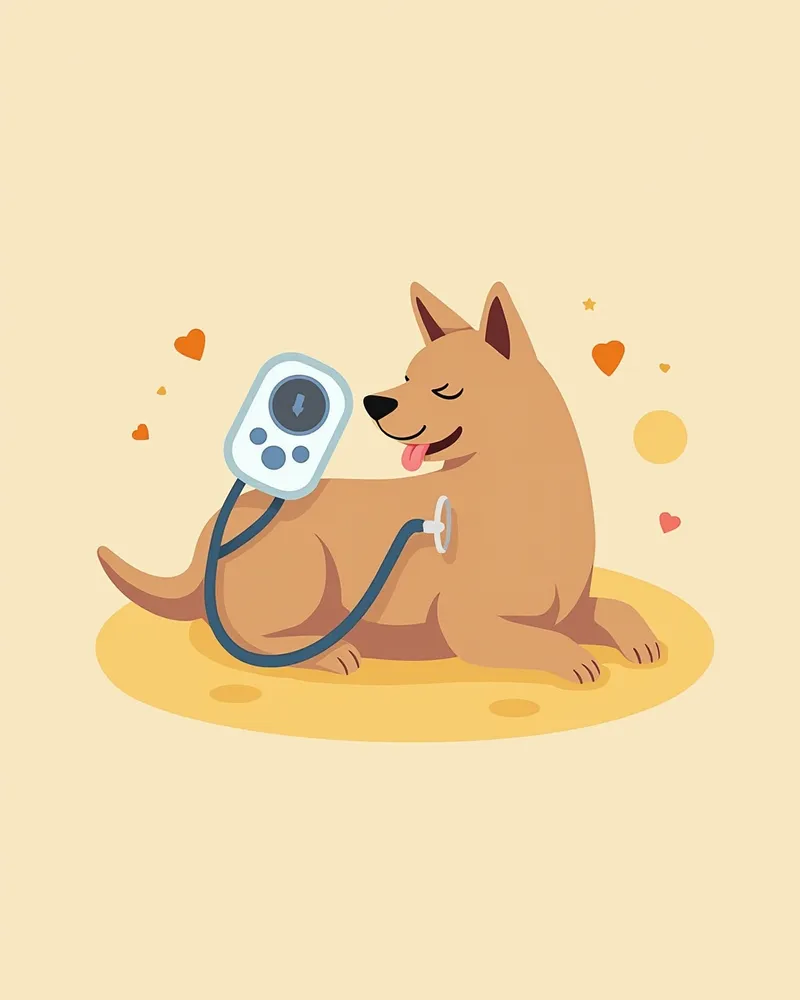
Hypertensive retinopathy is diagnosed through a comprehensive ophthalmic examination and accurate blood pressure monitoring. During the eye exam, we check for retinal hemorrhages, blood vessel dilation, and retinal detachment. Blood pressure is measured repeatedly using specialized equipment. If needed, blood and urine tests may be conducted to identify any underlying conditions. A professional evaluation by a veterinarian is essential for an accurate diagnosis. Early detection is key to improving treatment success rates, so if you suspect any symptoms, please visit the clinic immediately.
A veterinarian measuring a puppy's blood pressure using its ear.

How is it treated?

Treatment focuses on managing the underlying condition. - Antihypertensive medications: To stabilize blood pressure, it is essential to administer medication exactly as prescribed by your veterinarian. - Retinal recovery: While damaged retinal tissue may partially recover over time, early intervention is crucial. - Regular check-ups: Consistent ophthalmic examinations and blood pressure monitoring are necessary to detect any changes. - Medication adjustment: Your veterinarian will tailor the dosage based on your dog’s specific condition. - Owner care: Strict adherence to medication schedules and proper environmental management are key to successful treatment.
A veterinarian administering medication to a puppy

Home care points

- Blood pressure monitoring: Work with your veterinarian to measure blood pressure regularly and track any changes. - Medication adherence: Administer medications exactly as directed by your veterinarian. Do not adjust the dosage on your own. - Minimize stress: Anxiety or excitement can cause temporary spikes in blood pressure, so maintain a calm and stable environment for your pet. - Dietary management: Avoid high-sodium foods. However, an excessively low-sodium diet does not necessarily lower blood pressure and may even be counterproductive. Consult your veterinarian to determine the most appropriate diet. - Regular check-ups: Schedule consistent ophthalmologic and internal medicine examinations. Discuss with your veterinarian to determine the appropriate interval between check-ups based on your dog’s condition.
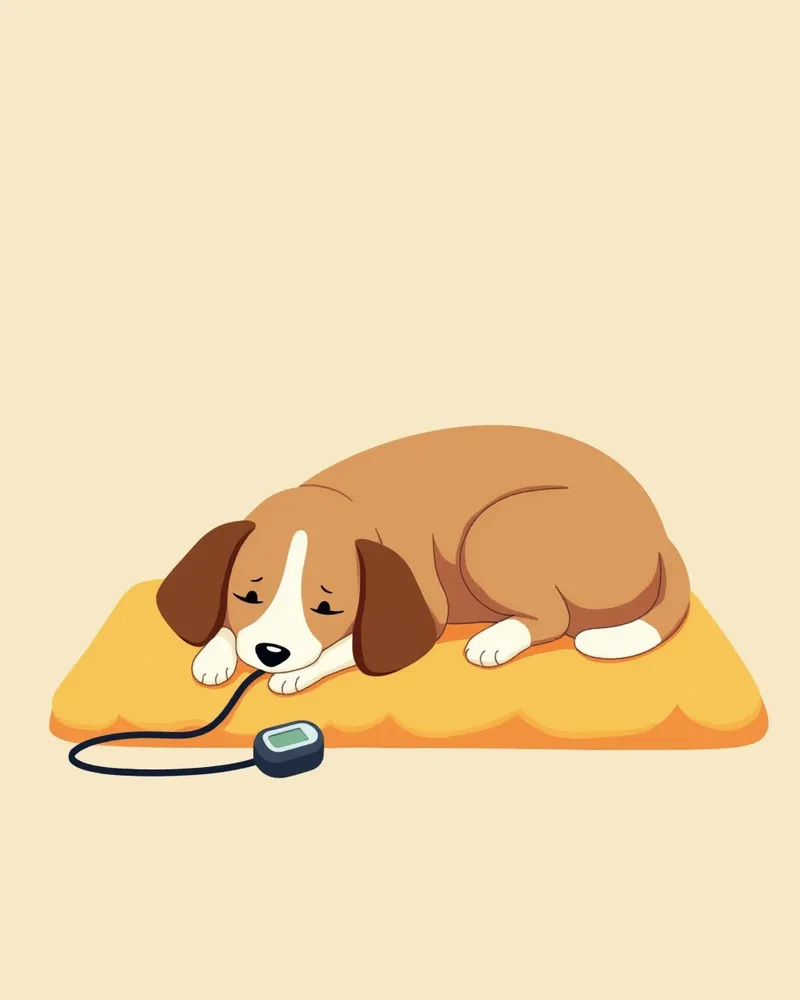
A dog resting in a calm environment with a blood pressure monitor

Points to note

Hypertensive retinopathy can recur even while your pet is on medication. Stopping the medication abruptly or adjusting the dosage can cause a sudden spike in blood pressure. Additionally, be mindful of potential interactions with other medications. Never change or add medications without your veterinarian’s guidance.

Reviewed by a veterinarian

Dr. Tony — Punnawat Phongkittirak

Dr. Tony — Punnawat Phongkittirak

Veterinarian

A veterinarian who majored in veterinary medicine at Khon Kaen University, Thailand, and completed the IVSA program at North Carolina State University in the United States. Drawing on clinical experience at animal hospitals, he works in the pet healthcare field and is dedicated to building a digital care environment that connects pet parents with veterinarians.

Frequently asked questions

Can hypertensive retinopathy in dogs be treated?
Controlling the underlying disease can help partially restore retinal damage or prevent it from worsening. Early diagnosis and consistent management are key.
Which breeds are more commonly affected by this condition?
It is more commonly seen in older dogs (middle-aged to senior) rather than in specific breeds, and in those with underlying conditions such as chronic kidney disease, hyperadrenocorticism, or diabetes mellitus. Additionally, primary hypertension, which occurs without an identifiable cause, is known to be more common in dogs than in cats.
Can blood pressure be high even if there are no visible abnormalities in the eyes?
Yes, in the early stages, there may be no noticeable symptoms in the eyes. However, if high blood pressure persists, retinal damage can gradually progress, making regular check-ups essential.
What should I do if my pet’s eyes get worse after taking the medication?
If your pet’s symptoms worsen after starting the medication, contact your veterinarian right away. Since this could be a side effect of the drug, do not stop giving it on your own—always consult with a professional first.
If hypertensive retinopathy develops, can vision fully recover?
It depends on the extent of the damage. If detected early, some recovery is possible, but severe damage can lead to permanent vision loss. Early intervention is key.

Share

Related Guides

References

[1] Brown SA, Henik RA. Diagnosis and treatment of systemic hypertension. Vet Clin North Am Small Anim Pract 1998;28(6):1481–94.

[2] Komáromy AM, Andrew SE, Denis HM, Brooks DE, Gelatt KN. Hypertensive retinopathy and choroidopathy in a cat. Vet Ophthalmol 2004;7(1):3–9.

[3] Clinical Medicine of the Dog and Cat, 4th Ed. Elsevier, 2020.

This information is based on veterinary literature and does not replace diagnosis or treatment. Please consult a veterinarian for specific health concerns.

Metapet Co., Ltd. | CEO: Park Sung-yong | Business Reg. No. 417-88-02562 | Seoul, South Korea | Customer Center

Hypertensive Retinopathy in Dogs: Prevent Sudden Blindness | Meongsiljang