

What Are the Stages of Feline Heart Failure? — Key Points of ACVIM Classification and Stage-Specific Management
The ACVIM staging criteria for feline heart failure help accurately determine the disease’s progression stage. When pet owners understand these stages, they can take early action and develop an appropriate treatment plan.
What Is the ACVIM Classification for Feline Heart Failure?

How Are the Four ACVIM Stages Differentiated?

Is There a Difference Between Stage A and Stage B1?
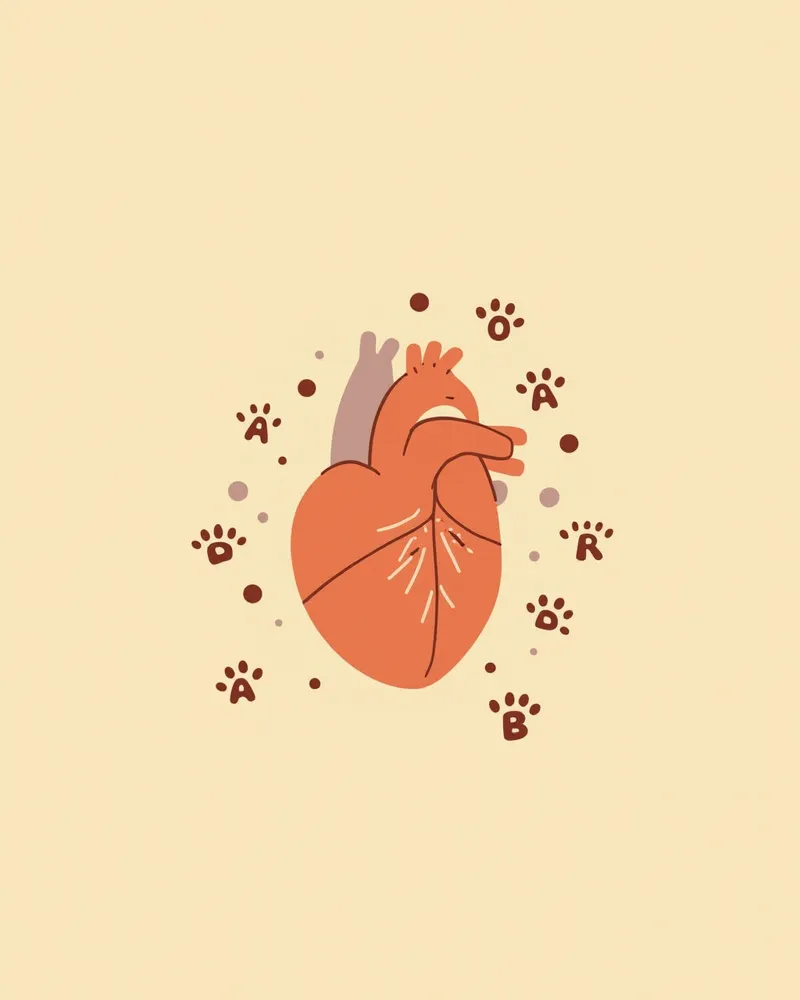
How Do Stage B2 and Stage C Differ?

Comparison of Symptoms and Treatment Approaches by ACVIM Stage
| Item | Structural Heart Abnormality | Presence of Symptoms | Treatment Direction |
|---|---|---|---|
| A | None (at-risk group) | None | Regular checkups and monitoring |
| B1 | Present (left atrium normal to mild) | None | Generally monitoring |
| B2 | Present (left atrium moderate to severe) | None | Risk assessment and regular reassessment |
| C | Accompanied by heart failure | Present | Immediate hospitalization and drug treatment |
Since treatment goals and prognosis vary greatly by stage, accurate classification is essential.
Stage C Requires Immediate Veterinary Attention
If your cat shows signs of severe breathing difficulty, bluish gums, or collapses, take them to a veterinarian immediately. Stage C can be life-threatening, so prompt treatment is essential.
Early Stage Detection Is Possible Through Regular Check-Ups

Stage-Specific Management Tips

Reviewed by a veterinarian

Dr. Tony — Punnawat Phongkittirak
VeterinarianA veterinarian who majored in veterinary medicine at Khon Kaen University, Thailand, and completed the IVSA program at North Carolina State University in the United States. Drawing on clinical experience at animal hospitals, he works in the pet healthcare field and is dedicated to building a digital care environment that connects pet parents with veterinarians.
Reviewed 2026-06-03
Frequently Asked Questions
Is treatment necessary at stage A?
How are medications used in stage B2?
How long is the life expectancy in stage C?
My cat is in stage B1 of kidney disease. How should I care for it at home?
Does the ACVIM staging classification apply to all cats?
Share
Related Guides

Coenzyme Q10 Benefits and Administration Guide

Dog Pulmonary Edema Warning — 7 Best Diuretics (Furosemide) for Heart Management

7 Best Prescription Diets for Feline Heart Disease Recommended by Veterinarians — Criteria for Choosing Low-Sodium Food

What is CKD palliative care for dogs? — How to maintain quality of life in the end stages
Will My Dog’s Kidney Disease Get Worse? — CKD Progression Monitoring Indicators and Testing Timing
What is Pyelonephritis in Dogs? — Bacterial Kidney Infection and Its Symptoms

My Dog Suddenly Stopped Urinating — Acute Kidney Injury (AKI) Q&A

What Are ACE Inhibitors and ARBs for Dogs? — Kidney Protection: What You Need to Know

What is a cat kidney ultrasound? — When and why is it needed?

Should I definitely feed my cat prescription renal food? — A guide to its effects and proper feeding methods
References
[1] American College of Veterinary Internal Medicine (ACVIM). (2023). Consensus Statement on Feline Heart Failure Staging. Journal of Veterinary Internal Medicine, 37(4), 1234–1245.
[2] Pouchelon, L. et al. (2022). Evaluation of ACVIM Staging in Cats with Hypertrophic Cardiomyopathy. Veterinary Cardiology, 18(2), 89–101.
[3] Björk, M. et al. (2021). Prognostic Value of ACVIM Staging in Feline Heart Disease. Journal of Feline Medicine and Surgery, 23(6), 555–563.