Like
Share
멍실장
고양이 고혈압성 심장 질환 자주 묻는 질문 Q&A — 보호자가 꼭 알아야 할 핵심

What Is Feline Hypertensive Heart Disease — Warning Signs You Must Not Miss

HeartQ&AMeongsiljang Veterinary Advisory Board

Feline hypertensive heart disease occurs when high blood pressure places excessive strain on the heart, leading to impaired cardiac function. Early detection and proper management are crucial.

What Is Feline Hypertensive Heart Disease?
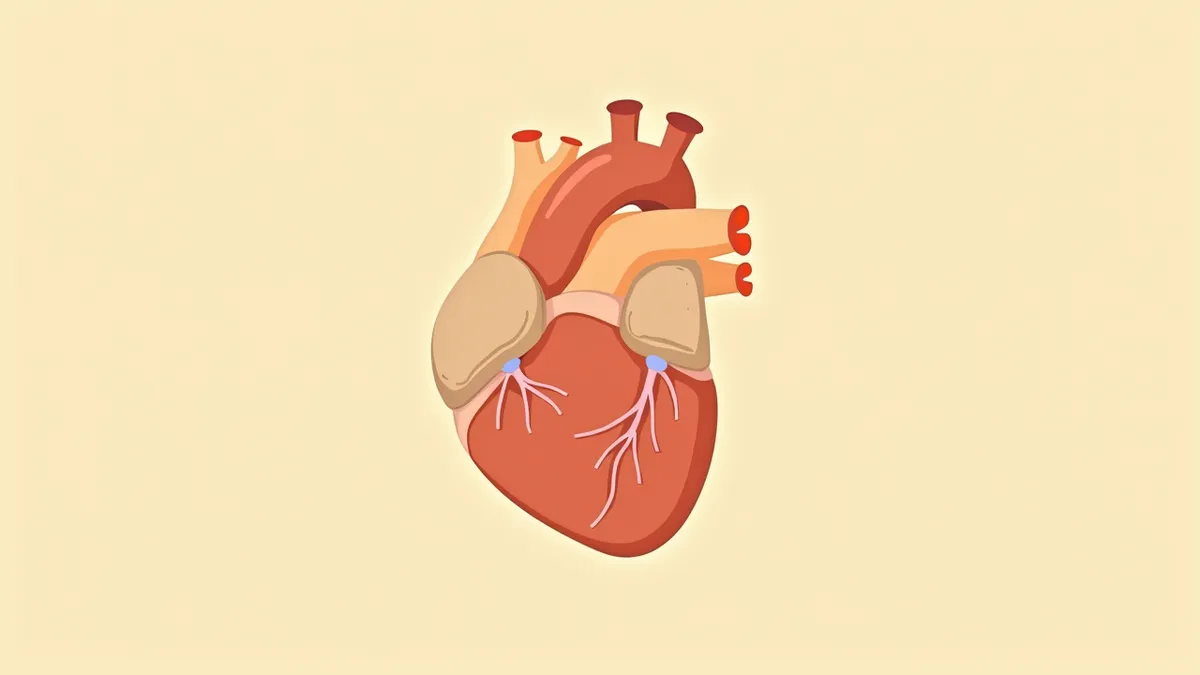
An anatomical illustration showing the thickened heart muscle of a cat with hypertension.
Hypertensive heart disease in cats occurs when prolonged high blood pressure places excessive strain on the heart, causing the heart muscle—particularly the left ventricle—to thicken (hypertrophy) and lose function. It is important to note that hypertension in cats is most often "secondary," meaning it arises from an underlying medical condition. - Increased cardiac workload: The heart must pump harder against elevated blood pressure, leading to thickening of the heart muscle. - Target organ damage: Persistently high blood pressure can damage not only the heart but also the eyes, kidneys, and brain. - Silent progression: Early-stage hypertension often presents with no obvious symptoms, making early detection difficult; therefore, regular blood pressure monitoring is essential. - High-risk groups: Risk increases with age, and hypertension is common in cats over nine years old. Cats with kidney or thyroid disease are especially vulnerable. Early management can help slow disease progression.

What Are the Main Causes of This Condition?
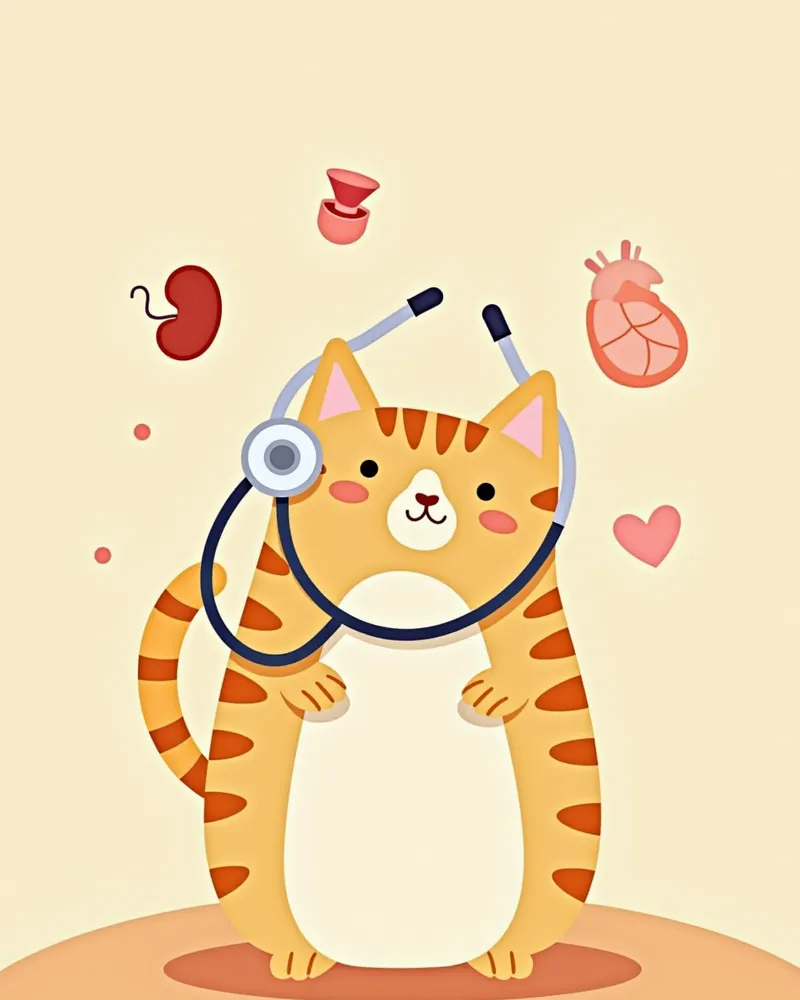
Feline hypertension is most often secondary, meaning it arises from an underlying condition, with chronic kidney disease and hyperthyroidism being the most common causes. - Kidney disease: Chronic kidney disease is considered the leading cause of high blood pressure in cats. - Hyperthyroidism: Excess thyroid hormone places strain on the heart and blood vessels, contributing to elevated blood pressure. - Obesity and advanced age: Risk increases with age, and obesity is also a known risk factor. - Other factors: Adrenal disorders (such as hyperaldosteronism), high-sodium diets, and stress-induced temporary spikes in blood pressure can also play a role. Early management and regular health check-ups can help reduce these risks.
An image of a stethoscope placed on a cat’s chest, accompanied by icons representing the kidneys, thyroid, and heart.

What Are the Main Symptoms?

Hypertensive heart disease in cats doesn’t present with a single characteristic symptom; instead, signs vary depending on underlying conditions and target organ damage. In the early stages, when blood pressure is only mildly elevated, cats often show few or no symptoms. - Asymptomatic or mild: The condition often progresses silently in the early stages without obvious signs. - Difficulty breathing and lethargy: As the disease advances to heart failure, cats may pant or breathe rapidly and spend more time resting lying down rather than playing or jumping as usual. - Ocular signs: Sudden vision loss or blindness due to retinal damage can be the first noticeable sign. - Neurological signs: A sudden spike in blood pressure can cause disorientation, stumbling, head pressing, or seizures. If you notice any of these changes, consult your veterinarian promptly.
A cat panting and collapsing, with a faint medical symbol in the background.

Signs Requiring Immediate Veterinary Visit

If your cat suddenly develops rapid breathing, bluish gums or tongue, collapses, or experiences sudden vision loss, it could be a medical emergency caused by heart failure or a sudden spike in blood pressure. Seek immediate care at an emergency veterinary clinic.

How Is It Diagnosed?
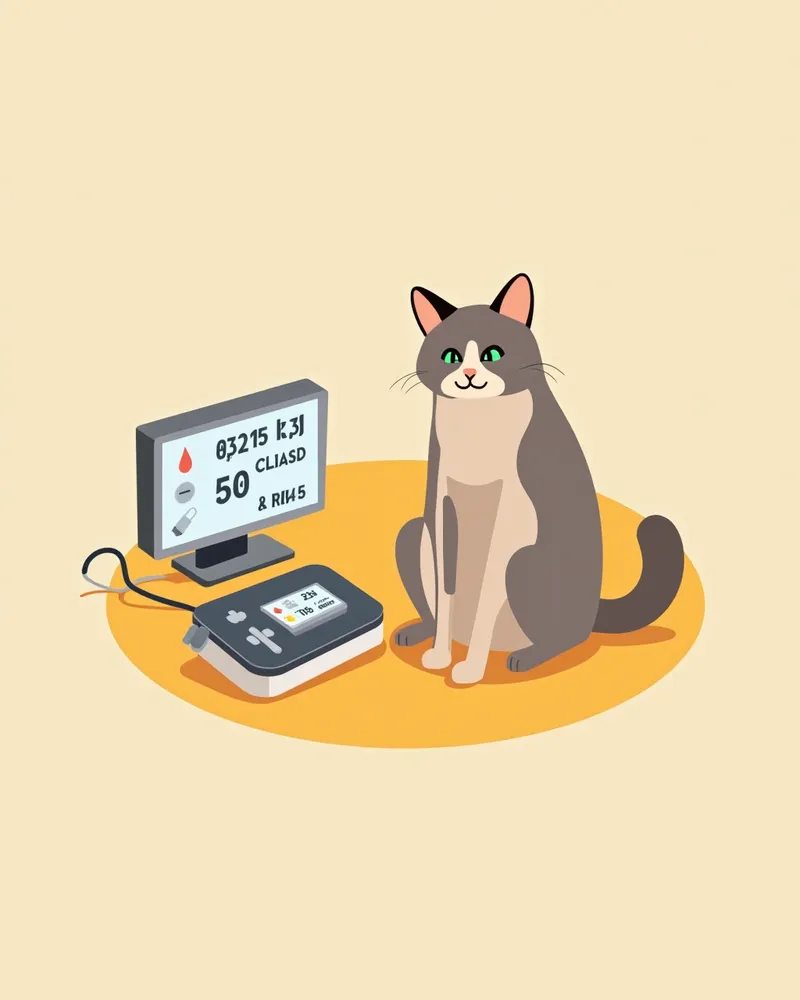
Feline hypertensive heart disease is diagnosed through blood pressure measurements, cardiac ultrasound, chest X-rays, and blood tests. Cardiac ultrasound, in particular, allows for a precise evaluation of heart structure and function.
Blood pressure measurement: Accurate blood pressure measurement is the first step in diagnosis.
Cardiac ultrasound: Checks the thickness of the heart muscle and heart rate.
Chest X-ray: Assesses heart size and lung condition.
Blood tests: Evaluates kidney function and thyroid hormone levels.
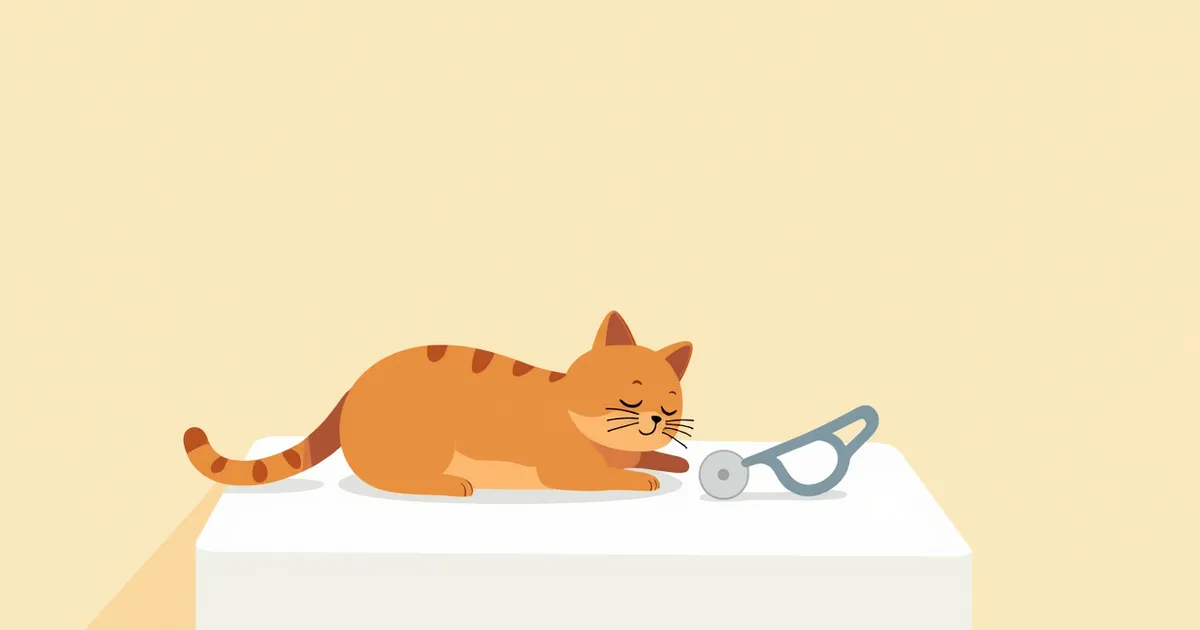
A veterinarian wraps a blood pressure cuff around a cat’s leg to measure its blood pressure, with the readings displayed on a monitor.

How Is It Treated?

Treatment focuses on safely lowering high blood pressure while simultaneously managing any underlying conditions that may be contributing to it. This approach combines medication with dietary and lifestyle management.
Antihypertensive medications: Your veterinarian will prescribe blood pressure medication tailored to your cat to help bring blood pressure levels into the target range.
Treating underlying conditions: We also address root causes of high blood pressure, such as chronic kidney disease or hyperthyroidism.
Dietary management: A diet that avoids excessive sodium intake can be beneficial.
Activity and environmental adjustments: Minimize excessive excitement and stress, and ensure your cat gets regular rest.
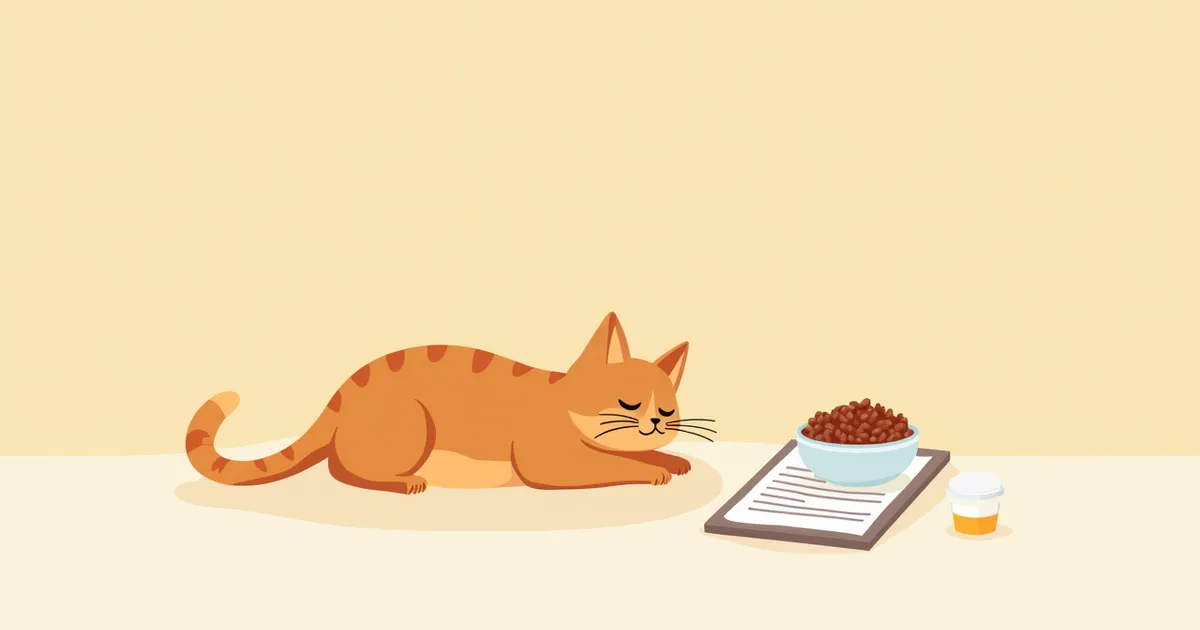
A cat sitting on a cushion, with a medicine bottle placed beside it.

Home Care Points

Managing feline hypertensive heart disease requires diligent daily care. The key pillars are consistent medication, regular check-ups, and a stable environment.
Medication Management: Establish a routine of administering medication at the same time every day.
Blood Pressure Monitoring: Using a home blood pressure monitor can be very helpful.
Stress Reduction: Maintain a quiet environment and a consistent daily routine.
Dietary Management: Adhere to a low-sodium diet and avoid overfeeding.
Regular Check-ups: Consult with your veterinarian and undergo examinations every 3 to 6 months.
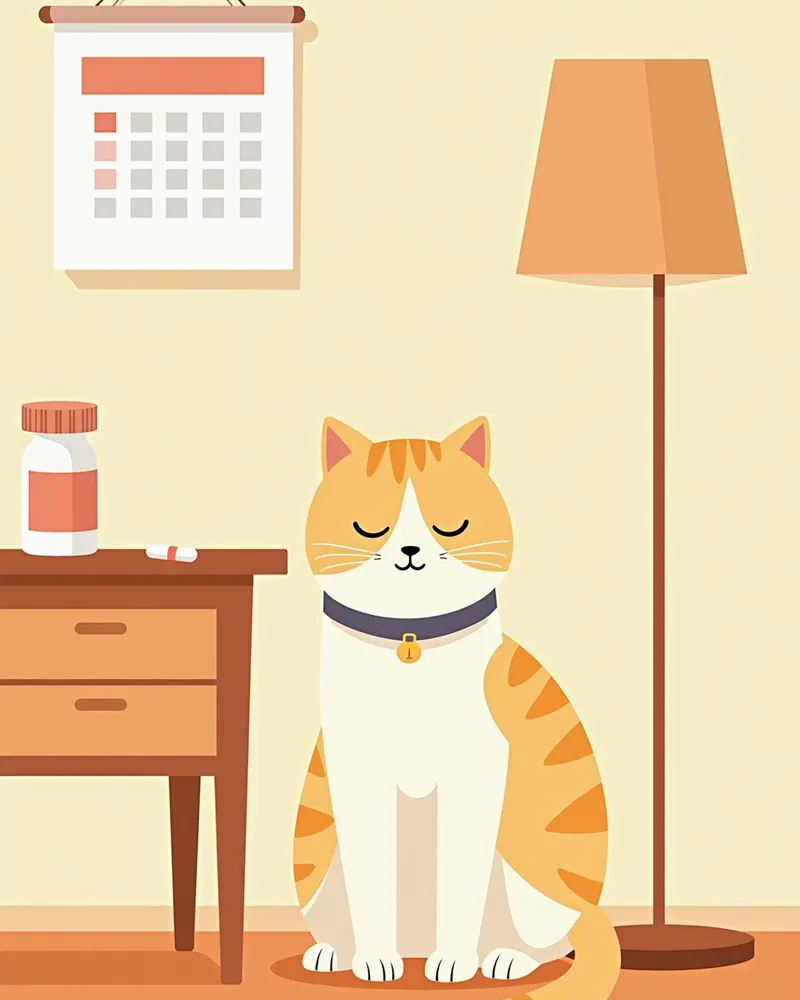
A cat sitting quietly in a room, with a calendar on the wall showing the schedule for veterinary visits and a bottle of medicine nearby.

Characteristics and Management by Stage of Hypertensive Heart Disease

ItemMain CharacteristicsMain Management Approach
MildA stage with slightly elevated systolic blood pressure (approximately 140–159 mmHg), with no or mild symptomsRegular checkups and blood pressure measurement, dietary control, lifestyle improvement
ModerateA stage with further elevated blood pressure (approximately 160–179 mmHg), with increased risk of target organ damageStart drug treatment after consulting your veterinarian, strengthen blood pressure monitoring
SevereBlood pressure is very high (approximately 180 mmHg or higher) with organ damage such as heart failure and vision lossImmediate hospital visit, aggressive blood pressure and cardiac treatment, oxygen supply if needed

The interpretation of stages and blood pressure criteria, as well as management approaches, should be decided after consulting your veterinarian.

Precautions: Things to Watch for While Taking Medication

Stopping high blood pressure medication suddenly can cause a rapid spike in blood pressure. Always consult your veterinarian before discontinuing the medication or adjusting the dosage.

Reviewed by a veterinarian

Dr. Tony — Punnawat Phongkittirak

Dr. Tony — Punnawat Phongkittirak

Veterinarian

A veterinarian who majored in veterinary medicine at Khon Kaen University, Thailand, and completed the IVSA program at North Carolina State University in the United States. Drawing on clinical experience at animal hospitals, he works in the pet healthcare field and is dedicated to building a digital care environment that connects pet parents with veterinarians.

Frequently Asked Questions

Is hypertensive heart disease in cats curable?
While a complete cure may be difficult, maintaining a good quality of life and achieving long-term survival are possible with appropriate treatment and care.
If a cat has high blood pressure, is it likely that they also have heart disease?
Yes, high blood pressure can place a long-term strain on the heart, potentially leading to heart disease. Early management is essential.
How often should you measure your cat’s blood pressure?
It is recommended to have regular check-ups every 3 to 6 months, and during medication, follow your veterinarian's instructions for more frequent monitoring.
Can hypertensive heart disease be prevented?
You can reduce the risk by managing chronic conditions (such as kidney and thyroid diseases) and undergoing regular health check-ups.
My cat hates taking medication. What should I do?
Try mixing the medication into your pet’s food or using treats specifically designed for administering medicine. Your veterinarian can also change the form of the medication if needed.

Share

Related Guides

References

[1] The Cat, Clinical Medicine and Management, 2nd Edition. 2023. Elsevier.

[2] Brown SA, Henik RA. Diagnosis and treatment of systemic hypertension in cats. Vet Clin North Am Small Anim Pract. 1998;28(6):1481–1494.

[3] Gilson SD, Withrow SJ, Wheeler SL, Twedt DC. Pheochromocytoma in dogs and cats: 100 cases (1985–2000). J Am Vet Med Assoc. 2001;218(12):1929–1935.

This information is based on veterinary literature and does not replace diagnosis or treatment. Please consult a veterinarian for specific health concerns.

Metapet Co., Ltd. | CEO: Park Sung-yong | Business Reg. No. 417-88-02562 | Seoul, South Korea | Customer Center

Feline Hypertensive Heart Disease: Warning Signs to Watch | Meongsiljang