Like
Share
멍실장
고양이 당뇨병 고양이 자주 묻는 질문 Q&A — 보호자가 꼭 알아야 할 핵심

What is feline diabetes? — From polydipsia and polyuria signs to insulin management

EndocrineQ&AMeongsiljang Veterinary Advisory Board

Early detection and consistent management are key to feline diabetes. We’ve compiled the essential questions and answers every pet owner should know.

Feline diabetes is a chronic condition managed together with pet owners
A cozy indoor scene featuring a cat with diabetes and its caring owner.
Feline diabetes is a chronic condition in which blood sugar regulation becomes difficult due to insufficient insulin secretion or reduced insulin effectiveness in the body. Most cases resemble type 2 diabetes in humans. Early symptoms may be subtle, but without proper treatment or effective blood sugar control, the condition can progress to severe complications such as diabetic ketoacidosis (DKA) or hyperglycemic hyperosmolar syndrome (HHS). These complications constitute medical emergencies with high mortality rates, requiring close attention. Early detection and consistent management are essential for maintaining your cat’s quality of life. Work with your veterinarian to develop a tailored care plan and strictly adhere to daily management routines. In particular, it is crucial to accurately align insulin injections with feeding schedules. Consistently monitor blood glucose levels and keep detailed records, while also scheduling regular veterinary check-ups to assess your cat’s condition.

The main causes of diabetes are genetics, obesity, age, and hormonal changes

Feline diabetes most commonly resembles type 2 diabetes in humans and is closely linked to insulin resistance. Excess weight and advanced age are frequently cited risk factors. Additionally, factors that interfere with insulin action, such as stress or long-term use of steroids (cortisol), can make blood sugar control difficult. In particular, the presence of other concurrent diseases can lead to poor diabetes management and increase the risk of complications. Therefore, maintaining a healthy diet and managing weight are crucial. Establishing a consistent routine and ensuring appropriate portion sizes can be very helpful. Since the exact causes and risk factors vary from cat to cat, it is best to consult with your veterinarian for an individualized assessment. Early management and prevention are the most effective approaches.
A cat enjoying a healthy meal

5 main symptoms that may indicate diabetes

Excessive thirst: Your pet may frequently drink more than twice their normal daily water intake.
Frequent urination: They may use the litter box more often or have an increased number of bathroom trips.
Weight loss: Despite eating normally or more, they may still lose weight.
Increased appetite: They may constantly feel hungry and eat repeatedly.
Lethargy: You may notice them lying down and inactive throughout the day.
If these symptoms persist, diabetes should be considered. Regular health check-ups are recommended for early detection. Senior cats, in particular, should be closely monitored.
Your cat frequently using the litter box

Signs requiring an immediate vet visit

If your cat completely loses its appetite, or shows signs of vomiting, diarrhea, or difficulty breathing, you should take it to the vet immediately. A rapid drop in blood sugar can lead to brain dysfunction or seizures. Especially if a cat on insulin therapy collapses or becomes unresponsive, it is an emergency situation. Quick action can save its life.

Diagnosis is confirmed through blood and urine tests
Feline diabetes is diagnosed when blood tests show persistently elevated blood glucose levels, glucose is detected in the urine, and clinical signs such as polydipsia (excessive thirst), polyuria (excessive urination), and weight loss are present. Glucose appears in the urine when blood glucose exceeds the renal threshold (approximately 250–350 mg/dL). However, stress can cause temporary spikes in blood glucose and transient glucosuria, so diagnosis is confirmed through repeated testing or additional examinations. Your veterinarian will guide you through the necessary tests to establish an accurate diagnosis and provide a comprehensive assessment of your cat’s condition. If blood glucose levels are difficult to control, further testing may be considered to identify any underlying concurrent diseases. Once diagnosed, a treatment plan should be developed collaboratively. Early diagnosis plays a crucial role in preventing complications.
A veterinarian performing a blood test on a cat.

Treatment consists of insulin injections and dietary management
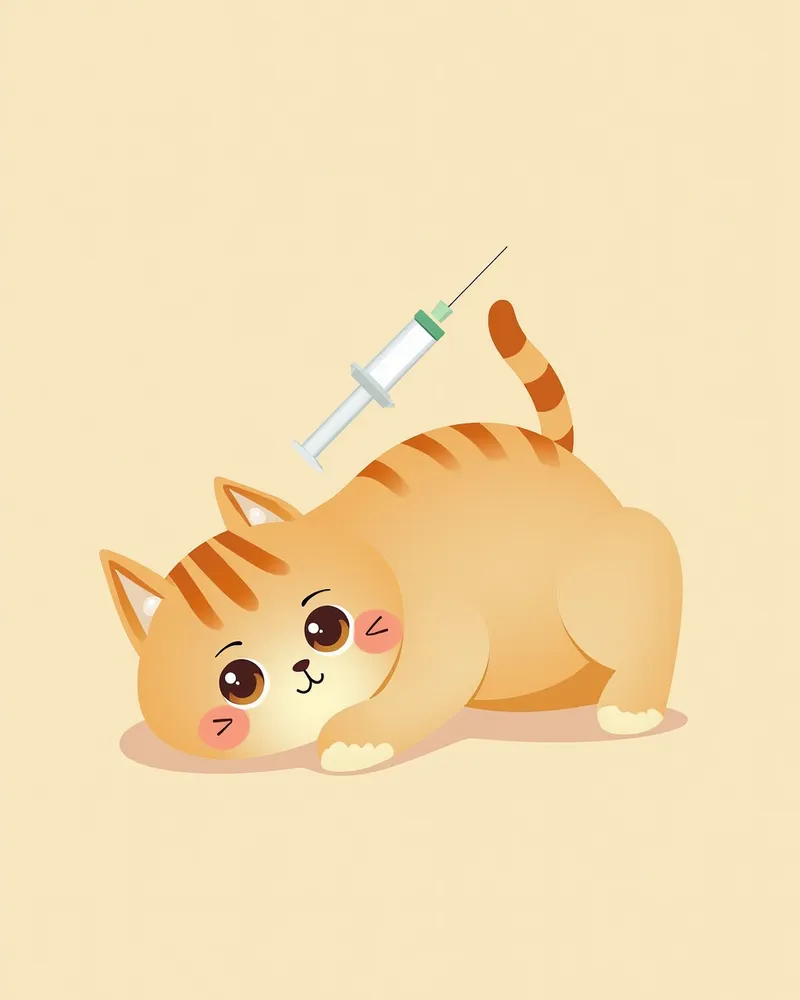
The primary treatments for feline diabetes are insulin injections and a low-carbohydrate, high-protein diet. Insulin is administered via subcutaneous injection once or twice daily, timed to coincide with meals. It is best to feed your cat small, frequent meals at regular intervals. Your veterinarian will create a customized plan based on your cat’s weight and blood glucose levels. It is important to provide food within 10 to 15 minutes after the injection. During treatment, consistently monitor and record blood glucose changes, and maintain regular consultations with your veterinarian. Successful management depends on consistent, diligent care.
A veterinarian administering an insulin injection to a cat

Comparison of diabetes management steps

ItemMain FeaturesMain ManagementCaregiver's Role
Early StageMild symptoms with slightly elevated blood glucoseEarly, strict blood glucose control with a low-carbohydrate, high-protein diet and insulin increases the likelihood of remission (insulin discontinuation)Keep meal amounts and times consistent, monitor body weight
Intermediate StagePersistent thirst and urination symptoms, insulin neededInsulin injections (usually twice a day), begin blood glucose monitoringPrecisely align injection times with meal times
Chronic StageBlood glucose is difficult to control and risk of complications (DKA, HHS) increasesRegular checkups, repeated blood glucose curves and urine testsKeep records, have regular consultations with the veterinarian

Stage-based management should be flexibly adjusted according to the cat's condition.

5 daily management tips
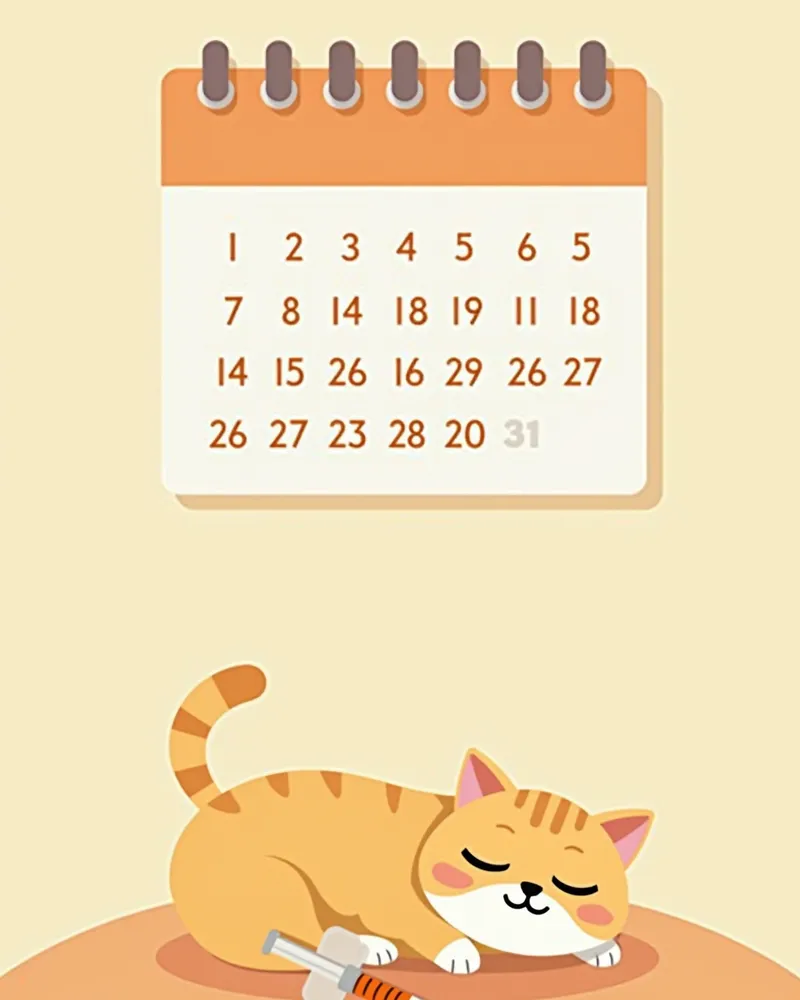
Set a consistent feeding schedule: Offer the same amount of food at the same times, two to three times a day.
Time insulin injections with meals: Administer the insulin injection within 10–15 minutes after each meal.
Record blood glucose levels: Log blood glucose readings before and after each injection daily.
Monitor weight: Weigh your pet once a week.
Minimize stress: Avoid environmental changes and loud noises, and provide a calm, stable space.
Maintaining these care routines consistently will greatly help stabilize blood sugar levels. Open communication with your veterinarian is also essential. Regular check-ups allow for ongoing review and adjustment of the treatment plan.
Daily Log for Managing Feline Diabetes

Caution: Excessive insulin administration is dangerous

Administering insulin incorrectly can cause blood sugar levels to drop rapidly, leading to hypoglycemia. Symptoms include lethargy, dizziness, seizures, and loss of consciousness. In such cases, immediately administer a sugar-containing food (such as sugar water or honey) or contact your veterinarian. Never adjust the injection dose on your own.

Reviewed by a veterinarian

Dr. Tony — Punnawat Phongkittirak

Dr. Tony — Punnawat Phongkittirak

Veterinarian

A veterinarian who majored in veterinary medicine at Khon Kaen University, Thailand, and completed the IVSA program at North Carolina State University in the United States. Drawing on clinical experience at animal hospitals, he works in the pet healthcare field and is dedicated to building a digital care environment that connects pet parents with veterinarians.

Frequently Asked Questions

Can feline diabetes be cured?
When insulin therapy is started early and combined with a low-carbohydrate diet to strictly control blood sugar, many cats go into remission and no longer need insulin. However, most cats require consistent long-term management, and even those in remission may experience a relapse.
Does an insulin injection hurt?
The injection needle is so thin that cats barely feel it. They may be tense at first, but they gradually get used to it.
Will changing the diet alone cure diabetes?
Dietary management is very important, but for cats that require insulin, diet alone is not enough. It is essential to follow the treatment plan prescribed by your veterinarian.
Can diabetic cats live long lives?
With proper care and regular check-ups, your pet can maintain a good quality of life. However, if there are any underlying health conditions, blood sugar control may become more challenging, making consistent management and regular consultations with your veterinarian essential.
Can I measure blood sugar at home?
You can measure blood sugar at home using a glucometer and blood samples. Your veterinarian will teach you how to use it.

Share

Related Guides

References

[1] The Dog Care Handbook, Things I Wish My Vet Had Told Me, 2023

[2] Notes on Canine Internal Medicine, 4th Ed, 2022

[3] Clinical Medicine of the Dog and Cat, 4th Ed, 2021

This information is based on veterinary literature and does not replace diagnosis or treatment. Please consult a veterinarian for specific health concerns.

Metapet Co., Ltd. | CEO: Park Sung-yong | Business Reg. No. 417-88-02562 | Seoul, South Korea | Customer Center

What Is Feline Diabetes? Polydipsia, Polyuria & Insulin Care | Meongsiljang