Like
Share
멍실장
고양이 요붕증 자주 묻는 질문 Q&A — 보호자가 꼭 알아야 할 핵심

Frequently Asked Questions About Feline Diabetes Insipidus — Key Points Pet Owners Must Know

EndocrineQ&AMeongsiljang Veterinary Advisory Board

Feline diabetes mellitus is an endocrine disorder characterized by excessive thirst and frequent urination. For early detection and effective management, it is essential for pet owners to accurately understand the causes and appropriate care strategies for this condition.

What is Feline Diabetes Insipidus?
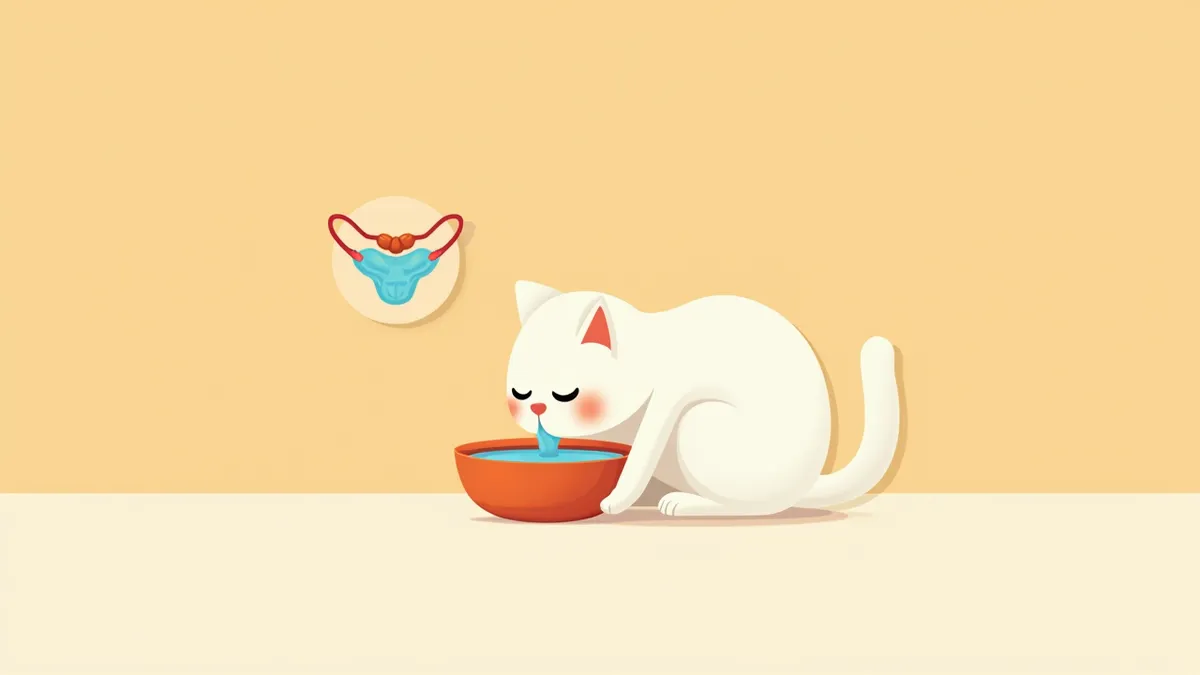
An image showing a cat drinking excessive amounts of water and exhibiting signs of reduced kidney function.
Feline diabetes insipidus is a water-balance disorder in which impaired antidiuretic hormone (ADH) function prevents the kidneys from properly concentrating urine, leading to excessive drinking and urination. - ADH deficiency: When the pituitary gland fails to produce or secrete sufficient ADH, the condition is called central diabetes insipidus. - Reduced renal responsiveness: When the kidneys (specifically the renal tubules) do not respond appropriately to ADH and cannot concentrate urine, the condition is called nephrogenic diabetes insipidus. - The importance of consistent monitoring: Polydipsia (excessive drinking) and polyuria (excessive urination) are not merely behavioral habits but may indicate an underlying medical condition, so owners should observe their pets closely. Recording daily water intake and urine output is essential for early detection.

What are the Main Causes of Diabetes Insipidus?
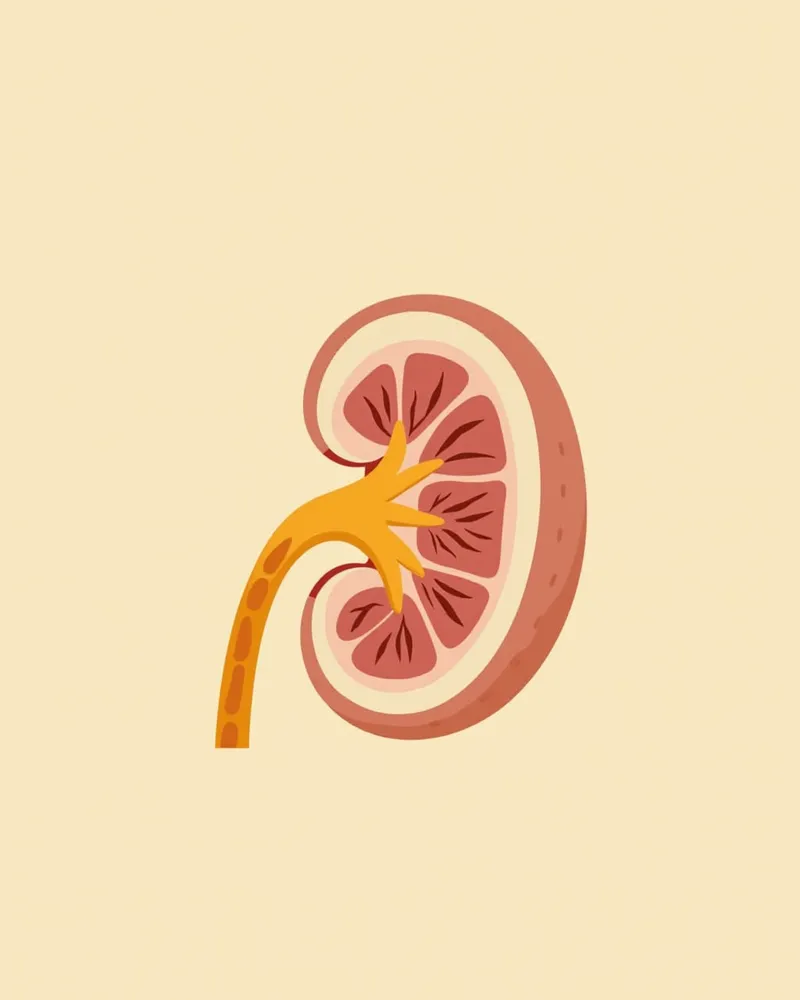
The main causes of feline diabetes insipidus fall into two broad categories. - Antidiuretic hormone (ADH) deficiency: This occurs when the pituitary gland produces or releases insufficient ADH, a condition known as central diabetes insipidus. - Reduced renal responsiveness: In nephrogenic diabetes insipidus, the kidneys fail to respond properly to ADH, preventing adequate water concentration. - Brain lesions: Abnormalities such as tumors in the pituitary gland or hypothalamus can disrupt ADH regulation. - Effects of medications or underlying diseases: Certain drugs or other health conditions may impair the kidneys’ response to ADH, leading to secondary symptoms. A veterinary examination is necessary to accurately identify the underlying cause.
An anatomical diagram illustrating the antidiuretic hormone action pathways in the kidneys and brain of cats

What are the Main Symptoms of Diabetes Insipidus?
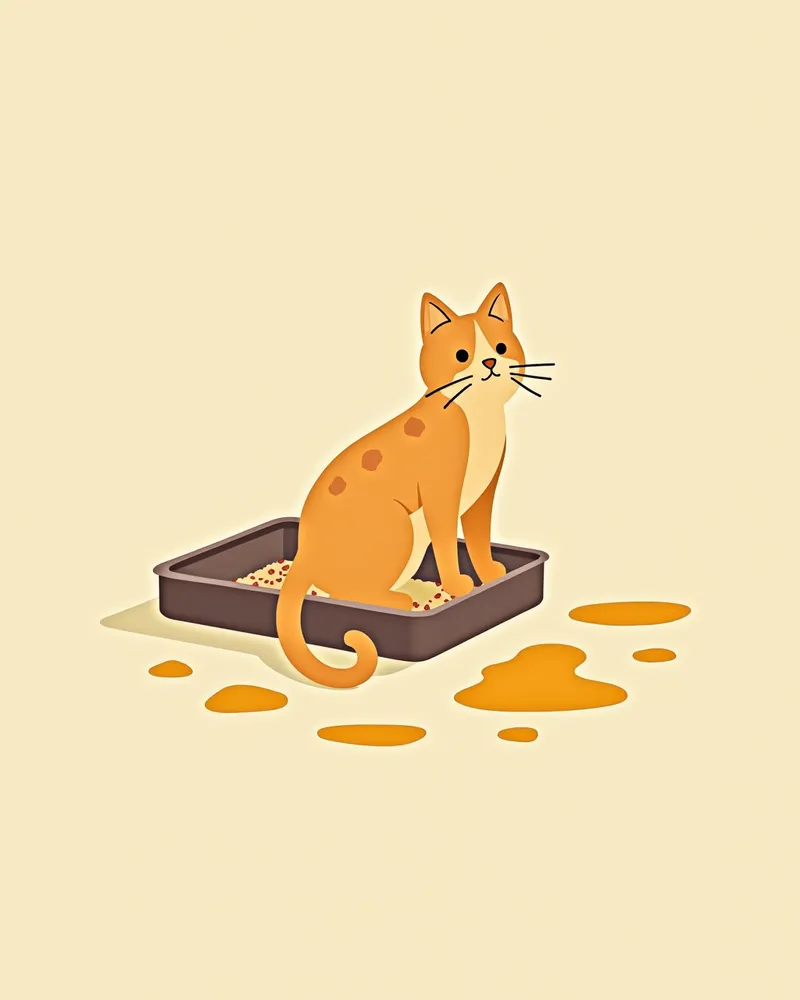
The hallmark signs of feline diabetes insipidus are excessive thirst (polydipsia) and excessive urination (polyuria). The urine becomes dilute, leading to a significant increase in volume, which may result in nighttime urination (nocturia) or accidents outside the litter box. Cats may wander in search of water while experiencing a decreased appetite and weight loss.
Excessive drinking: In cats, drinking more than approximately 45 ml per kilogram of body weight per day is considered polydipsia; with diabetes insipidus, intake can be substantially higher.
Increased urine volume: Urine becomes dilute, and polyuria is defined as a daily output exceeding approximately 40 ml per kilogram of body weight.
Nocturia and accidents: Nighttime urination or urinating outside the litter box may become more frequent.
Changes in appetite and weight: These symptoms may be accompanied by a reduced appetite and weight loss.
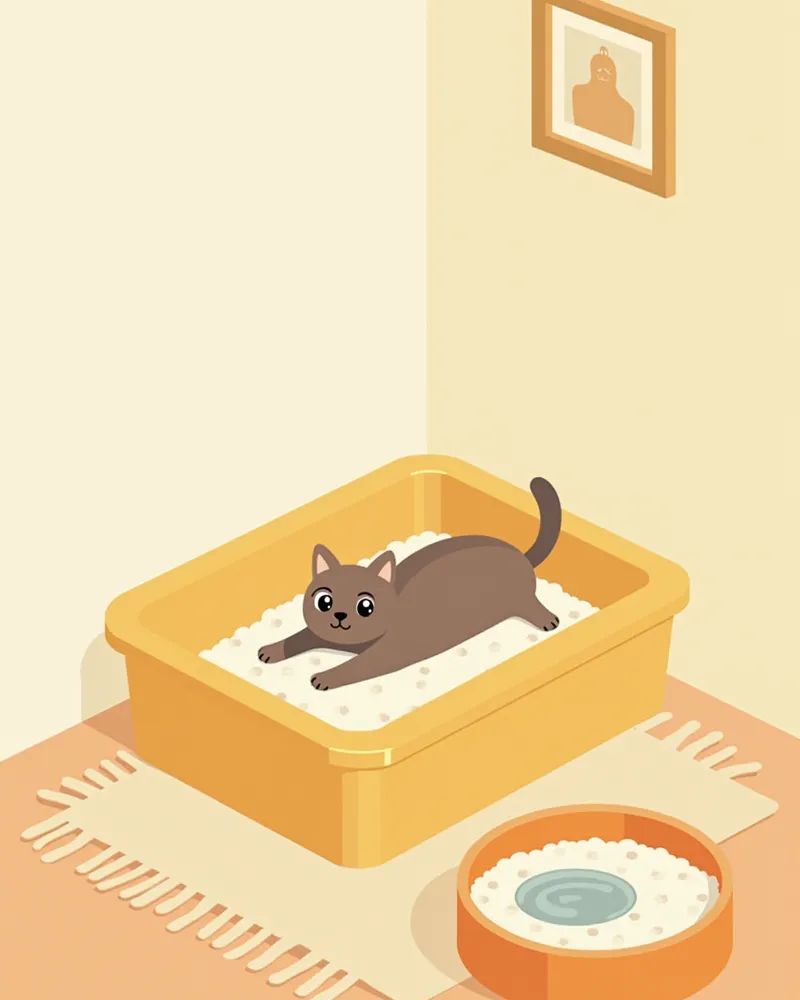
A scene showing a cat urinating outside the litter box.

Signs Requiring Immediate Veterinary Visit

If your pet suddenly drinks and urinates much more than usual (in cats, roughly more than 45 ml of water per kg of body weight per day), or if they show signs of dehydration despite drinking enough water, you should seek veterinary care promptly. A complete loss of appetite may indicate an emergency.

How is Diabetes Insipidus Diagnosed?
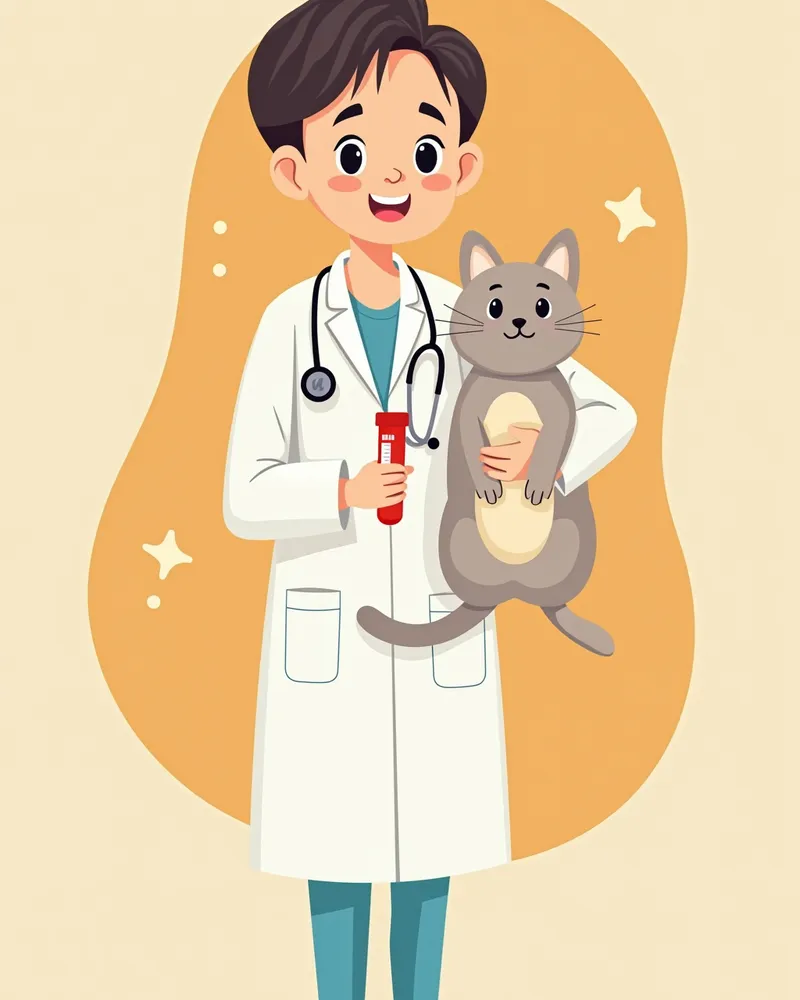
Diagnosing diabetes insipidus involves a stepwise approach with several tests. - Urine concentration (specific gravity) test: If the urine is dilute and the specific gravity is close to 1.000, diabetes insipidus is suspected. - Blood tests: Dehydration can elevate blood sodium levels and plasma osmolality. Kidney function markers are also checked to rule out other causes. - Water deprivation and ADH response tests: After restricting fluid intake, we assess the ability to concentrate urine and the response to ADH (desmopressin) administration. Because water deprivation tests alone cannot distinguish between central and nephrogenic forms and carry risks, they are performed cautiously only when kidney values are normal, or replaced with a desmopressin trial. - Imaging tests: MRI or ultrasound may be used to check for pituitary tumors and other abnormalities.
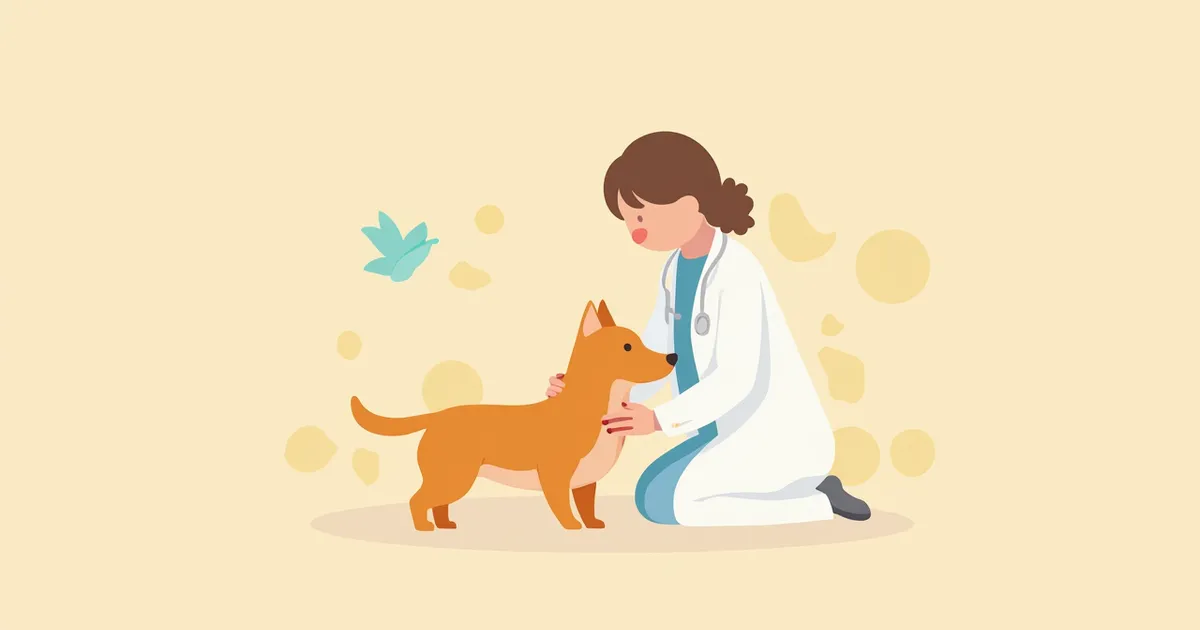
A veterinarian performing urine and blood tests on a cat.

What are the Treatment Methods for Diabetes Insipidus?
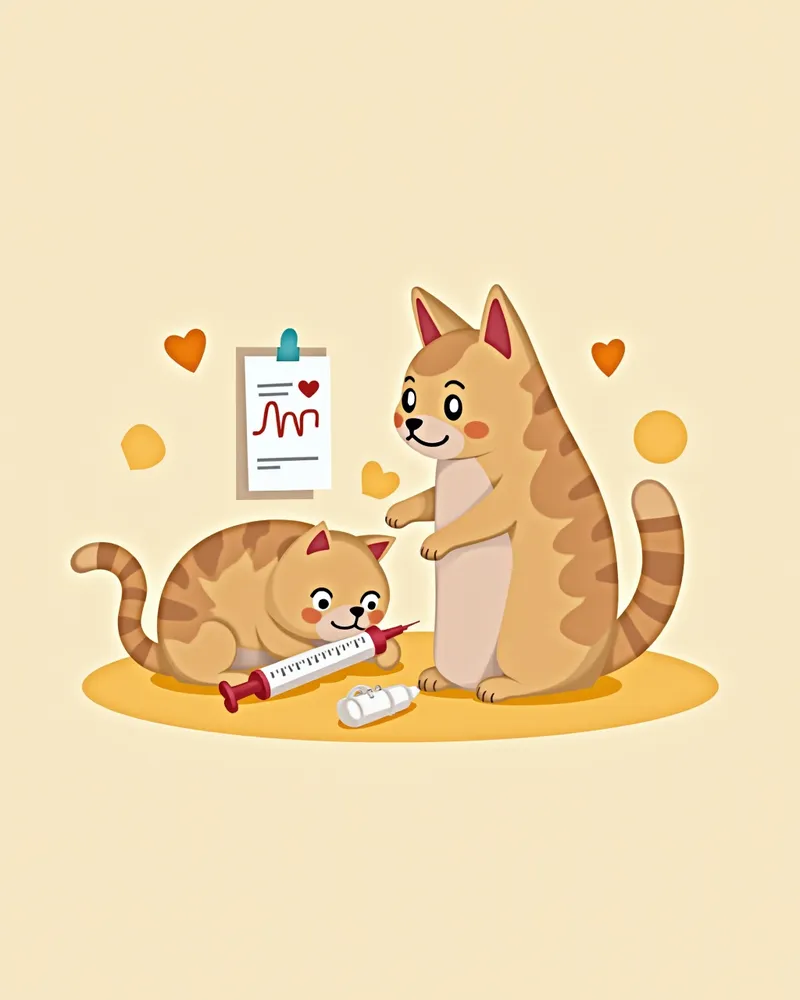
Treatment for diabetes insipidus depends on the underlying cause. - Hormonal deficiency: Regular administration of synthetic antidiuretic hormone preparations. - Reduced kidney function: Fluid supplementation and appropriate dietary management are essential. - Drug-induced cases: Discontinuation or substitution of the offending medication. - Regular monitoring: Consistent tracking of body weight, water intake, and urine output. - Lifestyle adjustments: Minimizing stress and maintaining access to fresh water and a clean litter area. Collaborating with your veterinarian to develop a personalized treatment plan is key.
A scene of a veterinarian administering an injection to a cat.

Home Care Points

For cats with diabetes insipidus, it’s important to always provide fresh, clean water and keep their litter box clean. Tracking their daily water intake and urine output can help you monitor any changes in their condition. Additionally, maintaining a calm environment and sticking to a regular feeding schedule can help reduce stress.
Water Supply: Change the water 2–3 times a day and place multiple water bowls around the house.
Litter Box Care: Clean the litter box 1–2 times daily and place it in a comfortable, accessible location.
Record Keeping: Keep a daily log of water consumption and the number of times your cat urinates.
Stress Reduction: Provide a quiet space and minimize external disturbances.
Feeding Routine: Offer the same amount of food at the same time every day.
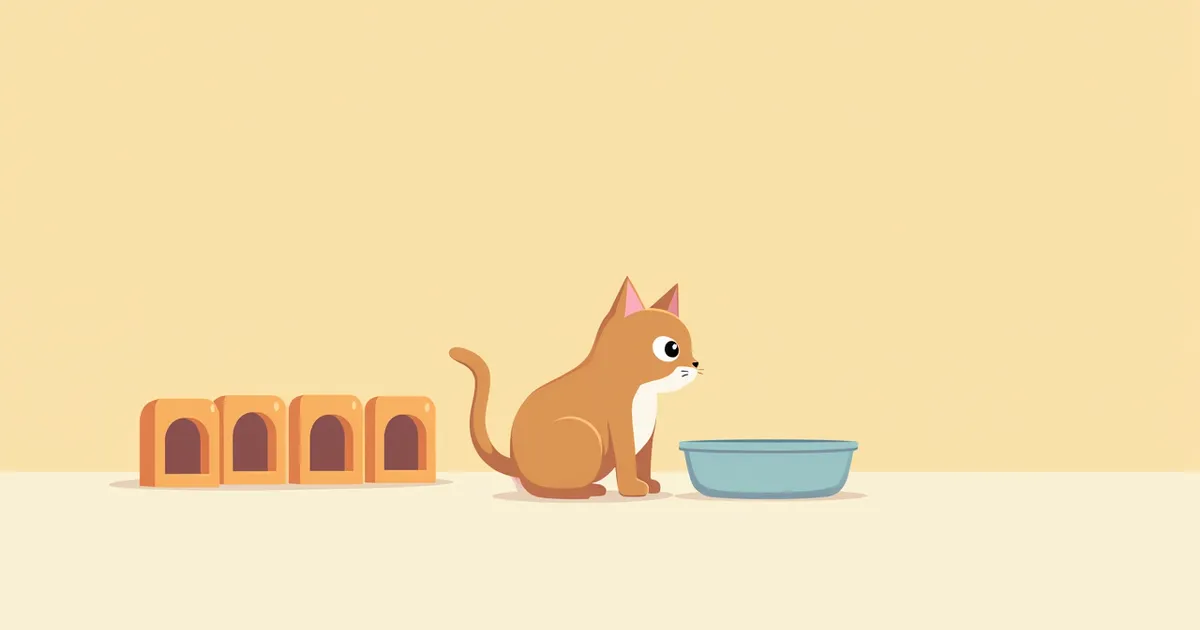
Creating a clean environment for managing feline diabetes insipidus

Comparison of Characteristics and Management by Diabetes Insipidus Type

ItemCauseMain SymptomsTreatment Method
Central Diabetes InsipidusInsufficient antidiuretic hormone secretion from the brainDrinking a lot of water, urinating frequentlyAdministration of synthetic hormone preparations
Nephrogenic Diabetes InsipidusKidneys do not respond to the hormoneSharp increase in urine volume, risk of dehydrationFluid replacement, dietary management
Drug-Induced TypeSide effect of certain medicationsRapid worsening of symptomsDiscontinuation and substitution of the drug

Because treatment strategy differs by type, an accurate diagnosis is essential.

Precautions: Risks from Improper Management

Never restrict your pet’s access to water or limit their bathroom breaks, as this can lead to dehydration and kidney damage. Additionally, do not change or stop any medications without your veterinarian’s guidance, as doing so could worsen their condition.

Reviewed by a veterinarian

Dr. Tony — Punnawat Phongkittirak

Dr. Tony — Punnawat Phongkittirak

Veterinarian

A veterinarian who majored in veterinary medicine at Khon Kaen University, Thailand, and completed the IVSA program at North Carolina State University in the United States. Drawing on clinical experience at animal hospitals, he works in the pet healthcare field and is dedicated to building a digital care environment that connects pet parents with veterinarians.

Frequently Asked Questions

Is it normal for a cat to drink a lot of water?
Water intake should be assessed based on body weight. In cats, drinking more than approximately 45 ml per kilogram of body weight per day is considered polydipsia (excessive thirst) and may indicate an underlying condition such as diabetes insipidus. If this persists, consult your veterinarian.
Does diabetes insipidus affect a cat's lifespan?
With proper treatment of the underlying cause and management to ensure free access to water, the condition may not significantly impact your pet’s lifespan. However, if left untreated, ongoing dehydration can lead to worsening health.
Is it common in older cats?
Diabetes insipidus can be either congenital or acquired, with the latter resulting from tumors, medications, or other underlying conditions. Since it can occur at any age, it's best to have your pet checked by a veterinarian if you notice excessive thirst and urination, regardless of their age.
Is there a genetic component to diabetes insipidus?
Although congenital (hereditary) diabetes insipidus has been reported, it is rare; most cases are acquired, resulting from brain lesions or a reduced renal response to antidiuretic hormone (ADH). If you suspect a family history, consult your veterinarian.
Can I diagnose it simply at home?
While tracking your pet’s water intake and urination frequency can be helpful, an accurate diagnosis requires a veterinary examination.

Share

Related Guides

References

[1] Westropp JL, Buffington CA. Feline idiopathic cystitis: current understanding of pathophysiology and management. Vet Clin North Am Small Anim Pract. 2004;34:1043–1055.

[2] Gandolfi B, Alamri S, Darby WG, et al. A dominant TRPV4 variant underlies osteochondrodysplasia in Scottish fold cats. Osteoarthritis Cartilage. 2016;24(8):1441–1450.

[3] Barrs VR, Martin P, Beatty JA. Antemortem diagnosis and treatment of toxoplasmosis in two cats on cyclosporin therapy. Aust Vet J. 2006;84:30–35.

This information is based on veterinary literature and does not replace diagnosis or treatment. Please consult a veterinarian for specific health concerns.

Metapet Co., Ltd. | CEO: Park Sung-yong | Business Reg. No. 417-88-02562 | Seoul, South Korea | Customer Center

Feline Diabetes Insipidus FAQ: Key Points Every Owner Must Know | Meongsiljang