
Complete Guide to Prescription Diets for Cats with Heart Disease — When to Start and How to Feed
Prescription diets for cats with heart disease are specially formulated to support compromised cardiac function. Proper dietary management is essential for extending lifespan and improving quality of life.

If Your Cat’s Heart Is Beating Too Slowly — Causes and Treatment of Bradycardia and Atrioventricular Block
Feline bradycardia and atrioventricular block are conditions in which the heart rate slows or electrical conduction is impaired due to abnormalities in the heart’s conduction system. Early detection and appropriate management are key to improving survival rates.
If Your Cat’s Heart Is Beating Irregularly — Atrial Fibrillation Symptoms and Treatment Timing
Feline atrial fibrillation is a condition in which the heart’s electrical rhythm becomes irregular, leading to reduced blood flow. Early detection and proper management are crucial. Symptoms can range from none at all to difficulty breathing.
Measuring Your Dog’s Intraocular Pressure (Tonometry) — Early Detection of Glaucoma and How to Read the Numbers
Measuring your dog’s intraocular pressure is a key test for the early detection of eye diseases. Abnormal pressure can be an early sign of serious conditions like glaucoma.

If Your Dog’s Tears Keep Flowing — Causes of Nasolacrimal Duct Obstruction and When to Treat
Nasolacrimal duct obstruction in dogs occurs when tears cannot drain properly, leading to a moist area around the eyes and split hair. The causes can include anatomical abnormalities, inflammation, or trauma.

If Your Dog’s Eyes Suddenly Become Red and Painful — Emergency Signs and Response for Lens Luxation
Canine lens luxation is a condition in which the lens inside the eye shifts out of its normal position, potentially causing pain and vision loss. Early detection and appropriate treatment are essential.

If Your Dog’s Eye Color Has Changed — Symptoms of Intraocular Tumors and When to Visit the Vet
Canine intraocular tumors are growths that develop inside the eye, making early detection crucial. Key symptoms include vision loss, bulging of the eye, and changes in the eye’s appearance.

If Your Dog Suddenly Loses Vision — Causes and Treatment Timing for Hypertensive Retinopathy
Hypertensive retinopathy in dogs is a condition where high blood pressure causes damage to the retina, making early detection crucial. Symptoms include vision loss, increased tear production, and bleeding within the eye.

Canine Eyelid Tumors: Symptoms, Causes, Diagnosis, Treatment, and Management Essentials
Canine eyelid tumors are benign or malignant growths that develop around the eye, and early detection and appropriate treatment are essential to prevent vision loss. Here’s a summary of the main symptoms and how to manage them.

If Your Dog Has Severe Tear Staining — Causes and Management of Tear Stains
Excessive tearing and tear staining in dogs are common symptoms caused by abnormal tear production or structural issues in the eyes. Identifying the exact cause and providing appropriate care is essential.

If Your Dog’s Eyelids Are Drooping — Causes of Ectropion and Surgical Timing
Canine ectropion is a condition in which the eyelid turns outward, exposing the eye and increasing the risk of pain and infection, making early diagnosis important. It is primarily associated with breed-specific traits and genetic factors.

If Your Diabetic Dog’s Eyes Look Cloudy — Causes of Diabetic Cataracts and Timing for Surgery
Canine diabetic cataracts are a condition in which the lens of the eye becomes cloudy due to diabetes, potentially leading to rapid vision loss. Early detection and management are crucial.

If Your Dog Keeps Squinting — Causes and the Golden Window for Treating Corneal Ulcers and Erosions
Corneal ulcers in dogs are painful conditions caused by damage to the surface of the eye, often resulting from trauma, infection, or insufficient tear production. Early diagnosis and appropriate treatment are essential to prevent vision loss.

If Your Dog’s Eyes Are Cloudy — Causes, Diagnosis, and Treatment Timing for Corneal Edema
Canine corneal edema is a condition in which fluid accumulates in the eye, causing cloudiness, and is primarily caused by trauma, infection, or genetic factors. Early detection and appropriate treatment are essential.

Blind Dogs and Cats: A Complete Guide to Symptoms, Causes, Diagnosis, Treatment, and Management
A blind dog refers to a condition of vision impairment or complete blindness, which can be caused by various factors such as genetic disorders, trauma, or diseases. Accurate diagnosis and proper management are essential.

Feline Vitreous Opacity: Symptoms, Causes, Diagnosis, Treatment, and Management Tips
Feline vitreous opacity is an eye condition in which cloudy particles float within the vitreous body, affecting vision. It can be caused by various factors such as aging, trauma, and inflammation, making early detection important.

Measuring Intraocular Pressure in Cats (Tonometry) — Timing for Glaucoma Detection and Interpreting Results
Measuring intraocular pressure in cats is a key test for the early detection of eye diseases. If the pressure falls outside the normal range, the risk of serious conditions such as glaucoma increases significantly.

How to Clean Your Cat’s Eye Discharge — Safe Eye Cleaning and Flushing Methods and Warning Signs
Proper eye cleaning is essential for maintaining your cat’s eye health. Since incorrect cleaning can irritate the eyes, it’s important to know the right way to do it.

If Your Cat’s Tears Won’t Stop — Causes of Nasolacrimal Duct Obstruction and When to Seek Treatment
Feline nasolacrimal duct obstruction is a condition in which tears cannot drain properly, causing them to pool or leak onto the surrounding fur. It can be caused by a variety of factors, including infection, trauma, or congenital structural abnormalities.

If Your Cat’s Eyes Are Constantly Dry and Sticky — Key Points on Keratoconjunctivitis Sicca and Cyclosporine Treatment
Feline dry eye, or keratoconjunctivitis sicca, occurs when insufficient tear production leads to dryness and inflammation of the eyes. Cyclosporine is the primary treatment for this condition. Early diagnosis and consistent management are essential.

If Your Cat’s Eye Color Changes or Pupils Are Abnormal — Warning Signs of Intraocular Tumors and Treatment Timing
Feline intraocular tumors are growths that develop inside the eye and can lead to vision loss or abnormal changes in the eye. Early detection and accurate diagnosis are key to effective treatment.

Cat tearing and corneal clouding: Could it be herpes keratitis? — Causes and recurrence management points
Feline herpes keratitis is an inflammatory eye condition caused by the herpesvirus, characterized by acute symptoms and chronic recurrence. Early diagnosis and proper management are essential.

Complete Guide to Feline Fluorescein Corneal Staining — From Procedure to Result Interpretation
Fluorescein staining of the cornea is an essential diagnostic test to check for corneal damage in cats. If your cat shows signs of pain, excessive tearing, or squinting, immediate examination is necessary.

Feline Eyelid Tumors: Symptoms, Causes, Diagnosis, Treatment, and Care Essentials
Feline eyelid tumors are abnormal cell growths around the eyes. While they may be asymptomatic in the early stages, they can gradually cause abnormalities in the eye area. Early detection and appropriate treatment are essential.

If Your Cat’s Eyes Are Always Wet — Causes of Excessive Tearing and Tear Staining, and When to Visit the Vet
Excessive tearing and tear staining in cats occur when tears aren’t draining properly. Because the underlying causes can vary—ranging from anatomical eye structure to allergies or infections—an accurate diagnosis is essential.

Is My Cat’s Pupil White? — A Complete Guide to Cataract Symptoms and Treatment Timing
Feline cataracts occur when the lens of the eye becomes cloudy, leading to vision loss. Common causes include aging, diabetes, and trauma. Early detection can help slow the progression of the condition.

If Your Cat’s Eyes Are Cloudy — Timing and Recovery Care for Cataract Surgery (Phacoemulsification)
Cataract surgery (phacoemulsification) is a key treatment to prevent vision loss in cats. Proper care before and after the procedure is essential, so be sure to familiarize yourself with it.

Blind Cats Can Be Happy Too — Care and Environmental Management for Visually Impaired Pets
Feline blindness in cats is a condition characterized by behavioral changes associated with visual impairment, making early diagnosis and management crucial. Causes vary, including genetics, trauma, and diseases, and collaboration with a veterinarian is essential.

If You Feel a Lump on Your Dog’s Neck — Causes of Thyroid Nodules and Cysts and Signs to Visit the Vet
Thyroid nodules and cysts in dogs are abnormal growths that develop in the thyroid gland due to endocrine system disorders. Early detection and proper management are essential.

If Your Dog Is Drinking Excessive Water and Showing Lethargy — Causes and Treatment of Parathyroid Hypercalcemia
Primary hyperparathyroidism in dogs is an endocrine disorder in which the parathyroid glands secrete excessive parathyroid hormone, leading to elevated calcium levels. Early detection and proper management are essential.

Comprehensive Guide to Hormonal Changes After Dog Neutering: Symptoms, Causes, Diagnosis, Treatment, and Management
Hormonal changes after neutering can lead to physiological and behavioral changes in dogs. It’s important to understand and manage these changes properly.
If Your Dog Suddenly Panting and Trembling — From Symptoms to Treatment of Adrenal Medullary Tumors
Adrenal medullary tumors (pheochromocytomas) in dogs are rare malignant tumors that arise in the adrenal medulla. They can cause high blood pressure, heart problems, and anxiety due to excessive secretion of adrenaline and noradrenaline. Early diagnosis and appropriate treatment are essential.

If Your Dog Keeps Trembling and Having Seizures — Hypoparathyroidism, Hypocalcemia Symptoms, and Treatment
Canine hypoparathyroidism is an endocrine disorder caused by damage to the parathyroid glands, which play a crucial role in regulating calcium levels, and it can lead to seizures, muscle stiffness, and behavioral changes. Early diagnosis and treatment are essential.

If Your Dog Is Drinking Excessive Water and Showing Lethargy — Causes of Hypercalcemia and When to Visit the Vet
Canine hypercalcemia is an endocrine disorder characterized by abnormally elevated blood calcium levels, which can lead to symptoms such as excessive thirst, constipation, and lethargy. Early diagnosis and identification of the underlying cause are essential.

Complete Guide to Monitoring Blood Glucose Curves in Dogs — From Measurement to Insulin Adjustment
Monitoring blood glucose curves is a key part of managing diabetes in dogs. It allows you to track continuous changes in blood sugar levels and accurately assess treatment effectiveness.

What Should I Feed My Dog with Diabetes? — Dietary Principles and Management Tips for Blood Sugar Control
Canine diabetes is an endocrine disorder in which impaired insulin function makes it difficult to regulate blood sugar. Proper dietary management and treatment are crucial for survival and quality of life.

If Your Dog Suddenly Loses Weight and Drinks Excessive Water — Causes of Diabetes and Timing for Treatment
Canine diabetes is an endocrine disorder in which insufficient insulin makes it difficult to regulate blood sugar levels. Early detection and consistent management are key to improving survival rates.

Is it safe to give my dog Cushing’s medication? — Side effects and monitoring points for mitotane and trilostane
Metyrapone and trilostane are medications used to treat Cushing’s disease (hyperadrenocorticism) in dogs. Accurate diagnosis and regular monitoring are essential.
Complete Guide to Feline Thyroid T4 Testing — Interpreting Results and Timing for Additional Tests
Hyperthyroidism is a common endocrine disorder in senior cats, and it can be diagnosed through T4 level testing. Early detection and proper management can significantly improve your cat's quality of life.

When Medication Alone Isn't Enough for Feline Hyperthyroidism: Efficacy and Side Effects of Radioactive Iodine Therapy
Radioactive iodine therapy is an effective treatment for hyperthyroidism in cats. Understanding the potential post-treatment symptoms and key care points will help ensure a safe recovery.

If Your Cat Has Changed After Neutering — Hormonal Change Signals, Causes, and Management
After neutering, hormonal changes in cats can lead to behavioral, weight, and skin changes along with the cessation of the estrous cycle. Proper understanding and management are essential.
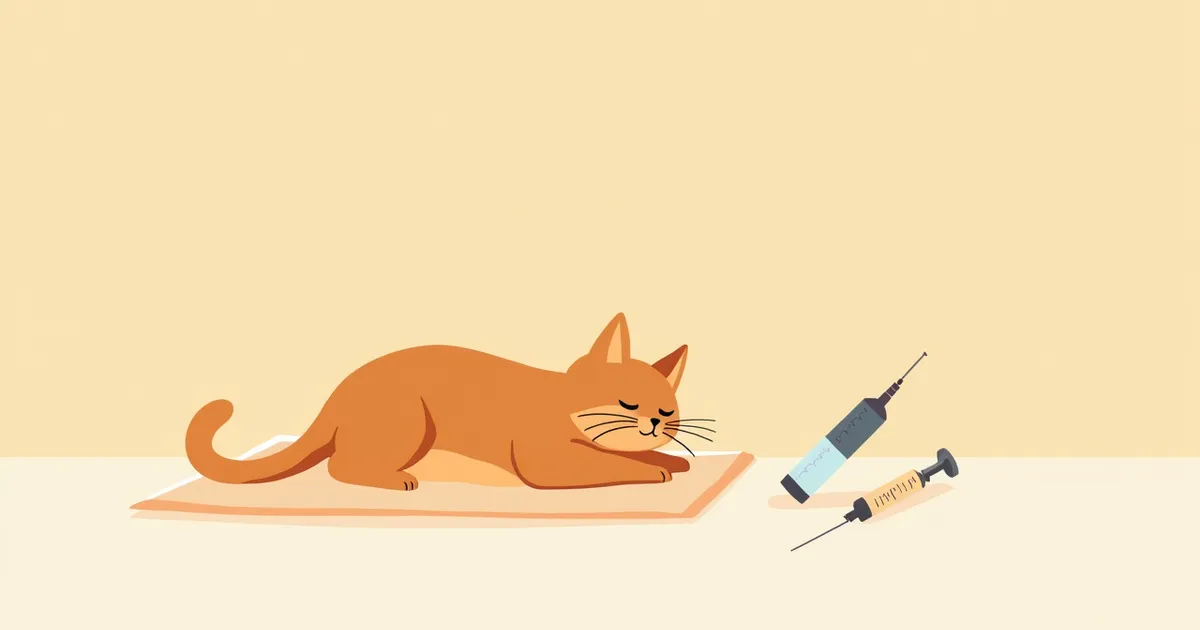
Complete Guide to Feline Insulin Injections and Dosage — Including Critical Hypoglycemia Warning Signs
Insulin injections are the cornerstone of treating feline diabetes. Mastering proper injection techniques and dose adjustments is essential for effective disease management.
Cat Suddenly Trembling and Having Seizures — Warning Signs of Hypocalcemia and Emergency Response
Feline hypocalcemia is an endocrine disorder in which low blood calcium levels cause serious symptoms such as muscle spasms and increased excitability. Early diagnosis and appropriate treatment are essential.

Sudden Weight Gain and Hair Loss in Cats — Causes and Treatment Timing for Ectopic ACTH Syndrome
Feline ectopic ACTH syndrome is an endocrine disorder in which abnormal tissues secrete ACTH, leading to excessive production of adrenal cortex hormones. Symptoms include increased urination and thirst, increased appetite, weight gain, and skin changes.

If Your Dog Trembles at the Sight of the Vet — Causes of Fear and Desensitization Training Tips
Kennel cough is a highly contagious respiratory infection in dogs, characterized by a harsh, hacking cough. Early veterinary care and proper treatment are essential for a quick recovery.

Our Dog’s Sudden Chasing and Biting Instinct — Causes, Management, and Correction Points for Hunting Instinct
We’ve compiled a comprehensive, veterinary behavior-based guide covering the symptoms, causes, diagnostic and treatment approaches, and key home-care tips for when a dog’s hunting instinct becomes uncontrollable. If you’re the guardian of a breed with a high prey drive, be sure to check this out.

Dog Trembling at Thunder — Causes and Behavioral Treatment Points for Noise Phobia
Canine noise phobia is a behavioral disorder characterized by excessive fear in response to loud noises such as thunderstorms and fireworks. We’ve provided a clear overview covering everything from causes and diagnosis to medication, desensitization training, and key home care tips.

Our Dog Who Lost a Companion — Signs of Pet Loss Grief and Recovery Care Points
Dogs who have lost a companion animal may exhibit signs of grief, such as decreased appetite, lethargy, and repetitive searching behaviors. Early recognition and proper environmental management can help support their recovery.

Anxious Puppies After Moving — Causes of Environmental Change Stress and Adaptation Management
Dogs can experience psychological and physical stress responses when moving or undergoing environmental changes. Early detection of symptoms and stabilizing the environment are key management points.

If Your Dog Growls at Other Dogs — Causes of Same-Sex Aggression and Behavior Modification
If your dog growls or lunges at other dogs, it may be displaying same-sex aggression. We’ve compiled a comprehensive guide based on veterinary advice, covering everything from identifying the underlying causes to behavior modification treatments and home management strategies.

If You Share a Space with Your Child and Dog — Warning Signs and Prevention Rules for Dog Bites
Dog bites can happen with any breed under certain circumstances. The key to prevention is recognizing the warning signs a dog gives and starting proper training for both your child and your dog.

If Your Dog Trembles in the Car — Causes of Car Anxiety and Motion Sickness, and Key Points for Calming and Prevention
If your dog shows vomiting, trembling, or whining while in the car, it could be due to fear, motion sickness, or a combination of both. We’ve compiled a veterinary-based guide covering how to distinguish between these symptoms, as well as medication options and home care strategies.
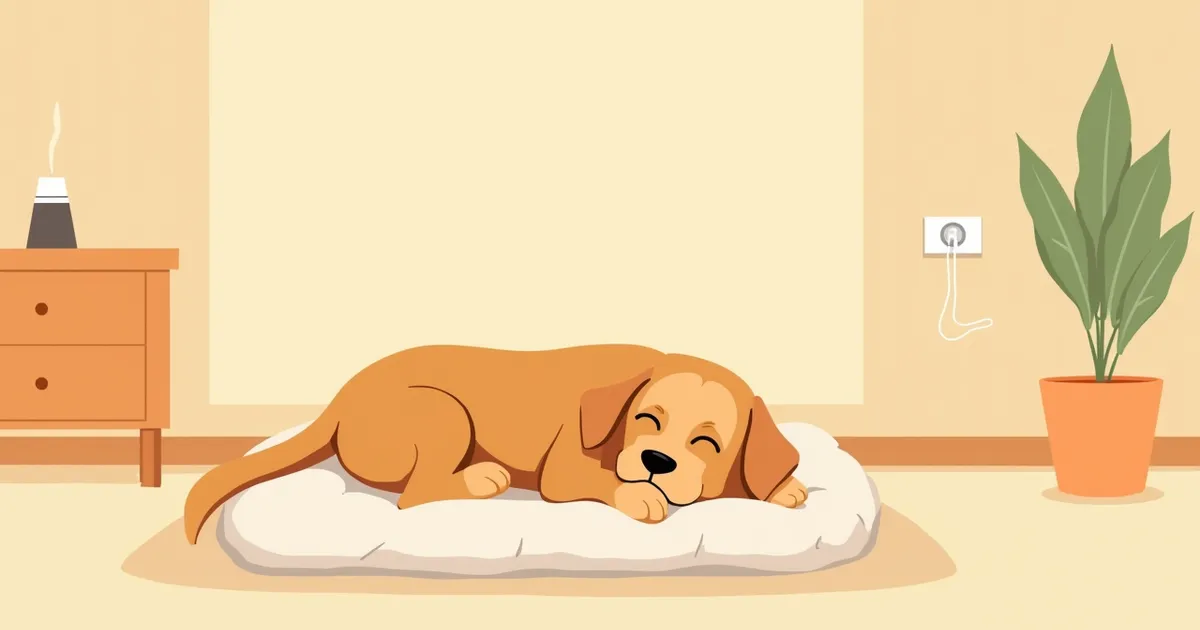
Will Pheromone Therapy Help My Anxious Dog? — Effects and Proper Use
Here’s a comprehensive guide to pheromone therapy for dogs with anxiety, separation anxiety, and fear-related behaviors, including how it works, which symptoms it can help, the types of products available, and how to use them correctly.

If Your Senior Dog Wanders at Night and Gets Disoriented — Causes and Management of Cognitive Dysfunction
Canine cognitive dysfunction (CCD) in senior dogs is a condition caused by brain aging, leading to declines in memory and spatial awareness. We’ve compiled essential information for pet owners, including a symptom checklist, diagnostic methods, medication treatments, and home care tips.

Changes in Your Dog After the Baby Arrives — Causes of Behavioral Changes and Safe Adaptation Management
We’ve compiled a guide explaining why a mother dog may bark more or become lethargic after giving birth, along with a symptom checklist and veterinarian-recommended care tips you can implement at home.

Why Is My Cat Spraying Urine Everywhere? — Causes of Spray Marking and Key Points for Distinguishing Medical Conditions
Cat spraying is a form of communication driven by territorial marking, stress, or conflict. In most cases, it can be effectively managed through a combination of neutering, environmental management, and pheromone therapy.

If Your Cat Keeps Fighting — Signs of Territorial Stress and When to Diagnose and Manage
Feline territorial stress is a chronic stress response that occurs when a cat’s living space feels threatened. By identifying the underlying causes and stabilizing the environment, you can significantly reduce symptoms such as inappropriate elimination and overgrooming.

Why Won’t My Cat Sleep at Night? — Causes of Sleep-Disrupting Behaviors and Disease Signals You Must Not Miss
We’ve outlined the causes and symptoms of sleep-disrupting behaviors in cats that wake their owners at night, along with diagnostic methods and lifestyle adjustments. Step-by-step management strategies are provided, from ruling out medical causes to increasing daytime activity.

My Cat Cries When Left Alone — Causes of Separation Anxiety and Signs It’s Time to Visit the Vet
Feline separation anxiety is a behavioral disorder characterized by excessive anxiety responses when a cat is separated from its owner. We’ve compiled a symptom checklist, desensitization and counterconditioning treatment methods, and key home care tips.

Why Your Cat Suddenly Bites — Causes and Behavior Modification for Play Aggression
Play aggression in cats is a behavioral issue stemming from an overexpression of their hunting instincts. We’ve compiled a veterinary-backed overview covering causes, symptoms, behavior modification, and medication.

If Your Cat Keeps Losing Hair — Causes of Excessive Grooming and Signs to See a Vet
We’ve compiled a guide on excessive grooming in cats—when they lick or bite their fur so much that it causes hair loss and skin damage—covering the causes, diagnosis, treatment, and key care tips you can do at home.

Why Does My Cat Meow Every Dawn? — Signs of Suspected Cognitive Dysfunction and Management Points
Cats may meow in the early hours of the morning for a variety of reasons, ranging from instinctual behavior to medical conditions such as hyperthyroidism and cognitive dysfunction. Because the appropriate treatment depends on the underlying cause, an accurate diagnosis is essential.

If Your Senior Cat Cries Out Every Night — Causes and Management of Feline Cognitive Dysfunction
I’ve compiled a veterinary evidence-based overview of the causes, symptom checklist, diagnostic methods, treatment options, and home care strategies for cognitive dysfunction in senior cats.

Why Is My Cat Meowing So Much? — Causes, Diagnosis, and Treatment Timing for Excessive Vocalization
Excessive vocalization in cats can stem from a variety of causes, ranging from medical issues such as hyperthyroidism, cognitive dysfunction, and pain, to behavioral factors like heat cycles and stress. If this behavior begins suddenly in an older cat, a veterinary examination is essential.

Why Is My Cat Constantly Licking and Chewing? — Causes of Compulsive Behavior and When to See a Vet
If your cat repeatedly licks or chews the same area, it may be a sign of compulsive behavior. Here’s a step-by-step guide covering the causes, diagnosis, treatment, and home care.

Why Are My Cats Fighting? Causes of Same-Species Aggression and When to Visit the Vet
We’ve compiled a veterinary-expert overview of the causes, symptoms, and behavior-modification strategies for same-species aggression—repeated fighting among cats living in the same household.

Our Cat Trembles at the Sight of a Car — Causes, Prevention, and Calming Management for Car Anxiety and Motion Sickness
If your cat cries or vomits every time it rides in a car, it may be experiencing a combination of fear and motion sickness. Here’s a clear overview of the causes, home care tips, and veterinary treatments.

When Your Cat’s Behavioral Issues Require Medication — Efficacy, Side Effects, and When to Visit the Vet
We’ve compiled a comprehensive guide to the medications veterinarians prescribe for serious behavioral issues in cats, such as anxiety, aggression, and compulsive behaviors, covering everything from causes and diagnosis to prescription types and home care.

Changes in Your Cat After the Baby’s Birth — Causes of Postpartum Behavioral Changes and Adaptation Management Points
After a baby is born, changes in a cat’s behavior are typically stress responses to environmental changes, reduced attention, and unfamiliar stimuli. Our veterinary advisory team has outlined the causes and symptoms, along with step-by-step treatment and home care strategies.

Our Cat’s Paroxysmal Coughing and Wheezing — Asthma Symptoms, Causes, and Emergency Response
Feline asthma is a lower airway disease in which allergic reactions cause chronic inflammation of the airways. We’ve summarized the essentials, from a symptom checklist to inhaler treatments and home environment management.

If Your Cat Has Proteinuria — Causes of Kidney Damage and Management Points
Proteinuria in cats is a sign of kidney damage, where protein leaks into the urine. We’ve put together everything pet owners need to know, from causes and symptoms to UPC testing, ACE inhibitor treatment, and hydration and prescription diet management.

If Your Dog Licked Cocoa Mulch — Symptoms, Emergency Response, and Prevention
Based on veterinary textbooks, we’ve compiled a guide covering the symptoms and emergency response measures when dogs consume chocolate or cocoa products, as well as the dangerous ingestion amounts by type and prevention methods.

If Your Cat Is Constantly Seeking Water — Signs of Salt Toxicity and Emergency Response
We’ve compiled a comprehensive veterinary guide covering the signs of salt toxicity in cats after consuming salty foods, immediate first aid steps, and the hospital treatment process.
Did My Dog Eat Too Much Salt? — From Poisoning Warning Signs to First Aid and Prevention
Salt toxicity in dogs is an emergency condition caused by excessive sodium intake, leading to neurological damage. Our veterinary advisory team has compiled essential information, including weight-based risk thresholds for sodium consumption, emergency first-aid steps you can take at home, and the treatment process at an animal hospital.

If Your Cat Ate Aloe — A Complete Guide to Poisoning Symptoms, Emergency Care, and Prevention
We’ve compiled the key points based on veterinary textbooks: the signs of aloevera poisoning in cats that lick or chew the plant, emergency symptoms that require immediate veterinary care, and preventive measures for your home.

If Your Dog Ate Aloe Vera — From Poisoning Symptoms to Emergency Treatment and Prevention
We’ve compiled a comprehensive guide based on veterinary resources, covering the symptoms that occur when dogs ingest aloe vera, criteria for when immediate veterinary care is necessary, precautions for home emergency treatment, and preventive measures.
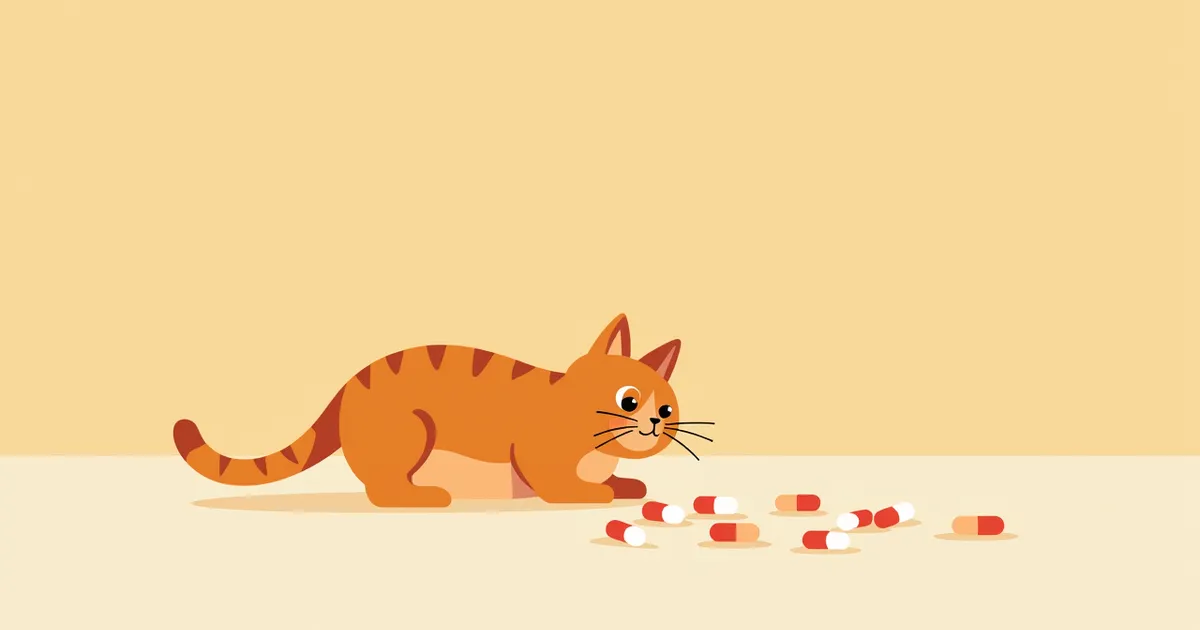
My Cat Ingested an Antidepressant — Poisoning Symptoms, Dangerous Ingestion Amounts, and the Emergency Response Golden Window
If a cat accidentally ingests an antidepressant, symptoms such as tremors, seizures, and cardiac abnormalities may appear within 2 to 6 hours. Even if no symptoms are present, you should seek immediate veterinary care. We have compiled information on the toxicity of different types, emergency treatments, and prevention methods based on veterinary textbooks.

If Your Cat Is Staggering — Cannabis Intoxication Symptoms and Emergency Response Timing
We’ve compiled a guide on the symptoms, emergency response steps, dangerous exposure levels, and prevention methods for cats exposed to marijuana (cannabis), based on veterinary advice.

Did My Dog Ingest Cannabis? — From Poisoning Warning Signs to Emergency Treatment and Prevention
If your dog ingests cannabis compounds, it may exhibit neurological symptoms such as stumbling, urinary incontinence, and seizures. Seeking veterinary care immediately after ingestion is crucial for recovery.

Cat Nicotine Poisoning: Symptoms, Emergency Response, Dangerous Dosage, and Prevention
Nicotine poisoning in cats occurs when they ingest tobacco, e-cigarettes, or nicotine patches, with symptoms appearing as quickly as 15 minutes after exposure. Immediate veterinary care is essential to save your cat’s life.
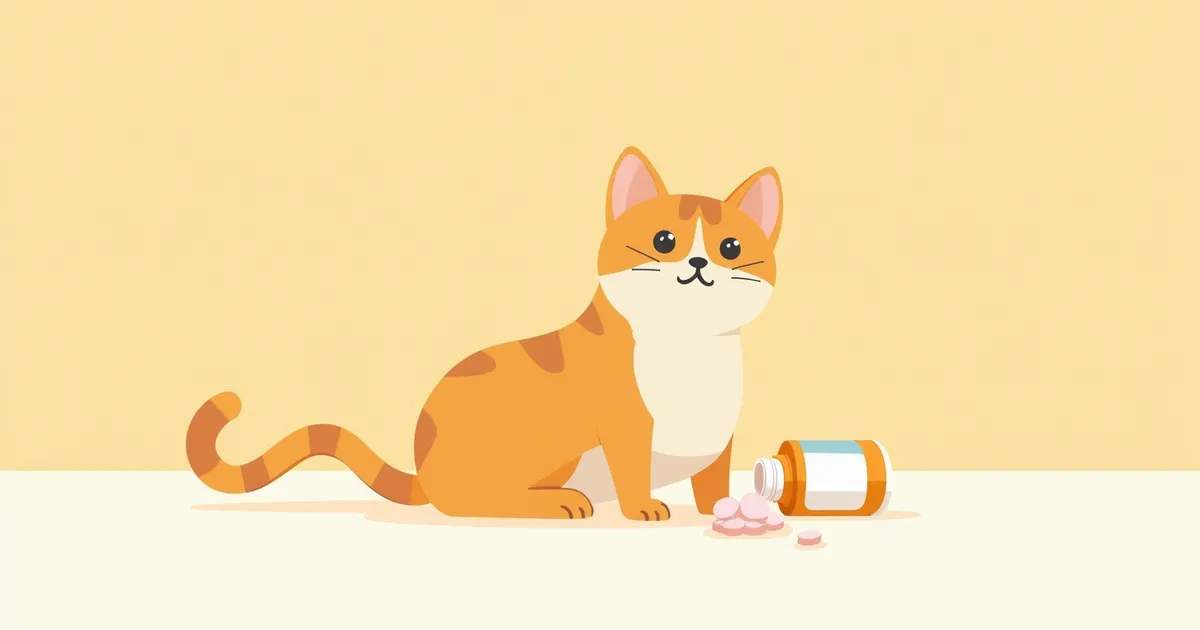
The Danger of a Single Supplement — Cat Vitamin D Toxicity Symptoms and Emergency Response
Vitamin D toxicity in cats is an emergency toxic condition that leads to hypercalcemia after ingestion of rat poison or human supplements. We’ve summarized the key symptoms, dangerous ingestion levels, emergency response steps, and prevention methods.

Vitamin D Overdose in Dogs — From Kidney Toxicity Warning Signs to Emergency Response and Prevention
When dogs consume excessive amounts of vitamin D, their blood calcium levels can rise sharply, leading to a toxic condition where calcium deposits accumulate in the kidneys, heart, and blood vessels. Learn more about the early symptoms, emergency care, treatment process, and prevention methods.
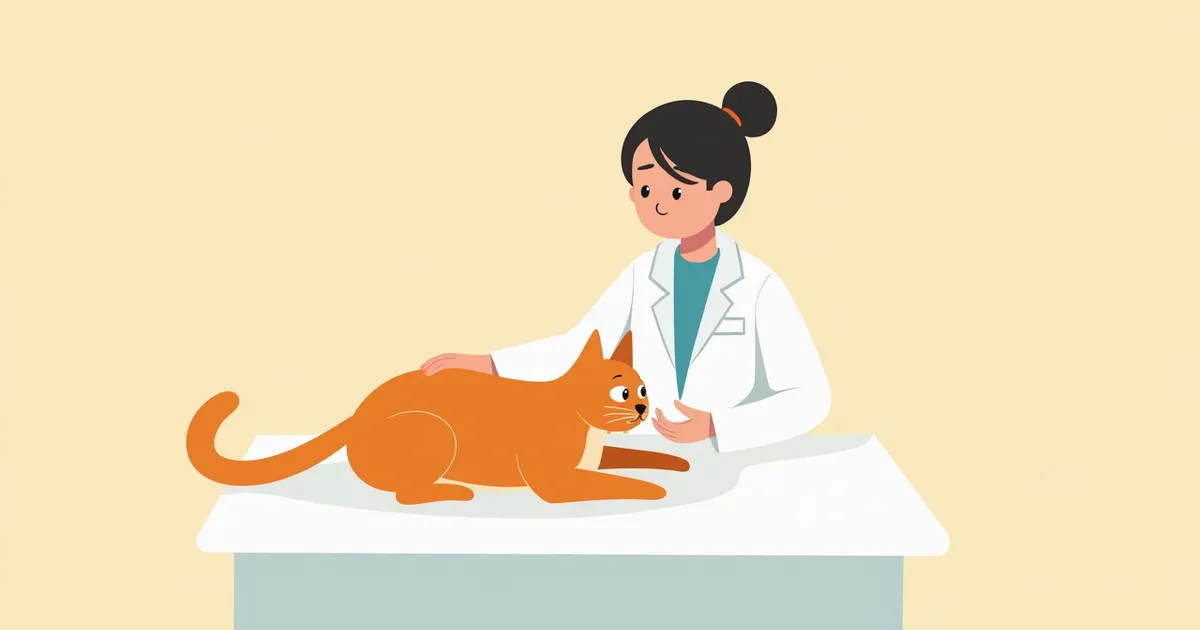
If Your Cat Is Exposed to Organophosphates — From Poisoning Symptoms to Emergency Treatment and Detoxification
Organophosphate poisoning in cats is a toxic condition caused by organophosphate compounds found in pesticides and insecticides, which overstimulate the nervous system. Because symptoms can become life-threatening within hours, immediate emergency treatment is essential right after exposure.
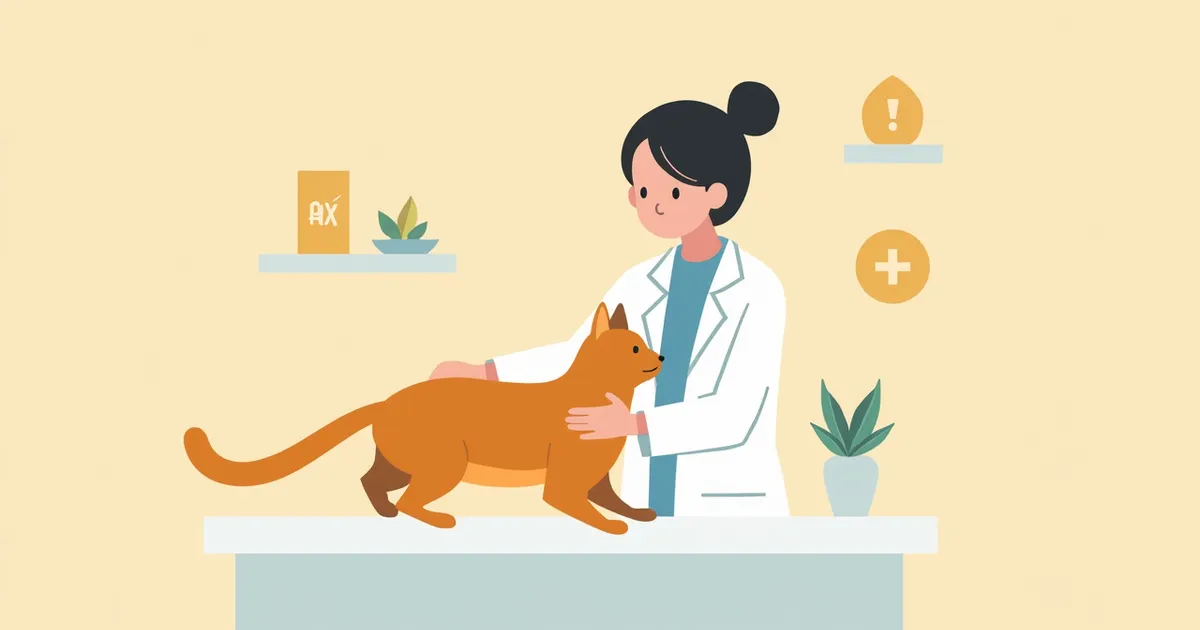
If Your Cat Ingested Slug Bait — Metaldehyde Poisoning Symptoms and Emergency Response
If a cat ingests slug bait containing metaldehyde, neurotoxic signs such as seizures and hyperthermia may appear within 1–2 hours of ingestion. Regardless of whether symptoms are present, you should take your cat to an emergency veterinary clinic immediately if ingestion is suspected.

If Your Dog Ingested Slug Bait — Poisoning Symptoms and Emergency Response
Here’s a summary of the neurotoxic symptoms, immediate emergency response steps, dangerous ingestion levels, and prevention guidelines for dogs that have ingested slug bait (metaldehyde).
If Your Dog Swallowed a Coin — Zinc Poisoning Symptoms, Dangerous Ingestion Levels, and Prevention
We’ve compiled the symptoms that occur when dogs ingest zinc-containing items such as coins, diaper cream, or metal parts, along with guidelines on when to seek immediate veterinary care, as well as treatment and prevention methods.

Cat Keeps Vomiting and Is Lethargic — Lead Poisoning Warning Signs and Treatment Timing
Lead poisoning in cats is a dangerous condition that triggers toxic reactions throughout the nervous and digestive systems. We’ve compiled a veterinary-evidence-based guide covering key symptoms such as seizures, vomiting, and gait abnormalities, along with emergency response steps, treatment options, and prevention strategies.
If Your Dog Ingested Ibuprofen — Poisoning Symptoms, First Aid, and Dangerous Dosages
Ibuprofen poisoning in dogs is a medical emergency that can severely damage the gastrointestinal tract and kidneys, even in small amounts. Prompt treatment immediately after ingestion is crucial for a positive prognosis.

When Your Dog Eats Macadamia Nuts — From Poisoning Warning Signs to Emergency Response and Prevention
Macadamia nut toxicity in dogs is a neuro-muscular condition that can cause hindlimb weakness, fever, and vomiting even after small ingestions. If you suspect your dog has eaten macadamia nuts, contacting a veterinarian immediately is the top priority.

Why Avocado Is Dangerous for Cats — Poisoning Symptoms and Emergency Response Timing
Avocado contains persin, a toxic substance that can cause serious damage to a cat’s heart and respiratory system. We’ve compiled a comprehensive guide based on veterinary advice, covering symptoms, dangerous ingestion levels, emergency response steps, and prevention tips.

If Your Dog Ate Avocado — From Poisoning Symptoms to Emergency Treatment and Prevention
Avocados contain persin, a toxic compound that can damage your dog’s heart, digestive system, and respiratory tract. Here’s a veterinary-backed guide on which parts of the fruit are most dangerous and the emergency steps to take immediately after ingestion.

If Your Dog Ate Onions or Garlic — Anemia Symptoms, Emergency Care, and Dangerous Intake Levels
Onion and garlic poisoning in dogs is a dangerous condition that can destroy red blood cells and lead to hemolytic anemia. Based on veterinary advice, we’ve compiled information on symptoms, emergency response steps, dangerous intake levels, and prevention methods.

Our Cat’s Hair Loss and Circular Patches — Causes and Treatment Timing for Fungal Skin Disease
Feline fungal skin disease (dermatophytosis) is a zoonotic infection that can spread to humans and other pets. If you notice circular hair loss and scabs, prompt diagnosis and isolation are essential.

If Your Dog Keeps Scratching and Losing Hair — Symptoms and Treatment of Fungal Skin Infections
Canine fungal skin infections are conditions caused by fungal pathogens such as ringworm and Malassezia infecting the skin. We’ve compiled a comprehensive guide covering everything from symptoms like circular hair loss, odor, and itching to diagnosis, treatment, and prevention of recurrence.
Feline Pyoderma: Symptoms, Causes, Diagnosis, Treatment, and Management Essentials
Feline pyoderma is a skin condition characterized by pus-filled inflammation caused by an overgrowth of bacteria. Identifying the underlying cause and administering antibiotic treatment are key to managing this condition.

If Your Cat Is Having Trouble Breathing — A Complete Guide to Feline Chylothorax Symptoms, Causes, and Treatment Timing
Feline chylothorax is a condition in which chyle, a lymphatic fluid, accumulates in the chest cavity and causes difficulty breathing. Here’s a comprehensive overview covering symptoms, causes, diagnosis, treatment, and key points for home care.

Brachycephalic Airway Syndrome in Dogs: Symptoms, Causes, Diagnosis, Treatment, and Care Essentials
We’ve compiled a comprehensive overview of Brachycephalic Airway Syndrome (BAS)—common in flat-faced breeds like French Bulldogs and Pugs—covering its symptoms, causes, diagnosis, surgical treatment, and home care, all based on veterinary textbooks.
If Your Dog Is Gagging and Struggling to Breathe — Laryngeal Paralysis Symptoms, Causes, and Treatment Timing
Canine laryngeal paralysis is a condition in which the nerves controlling the opening and closing of the larynx become paralyzed, leading to difficulty breathing. We’ve gathered all the essential information you need, from early symptoms to surgical treatment and home care.

When Your Cat Keeps Coughing — Feline Pneumonia: Symptoms, Causes, Treatment, and Care
We’ve compiled a comprehensive guide on feline pneumonia, covering causes and symptoms, diagnostic methods, treatment options, and home care tips, all based on veterinary evidence.
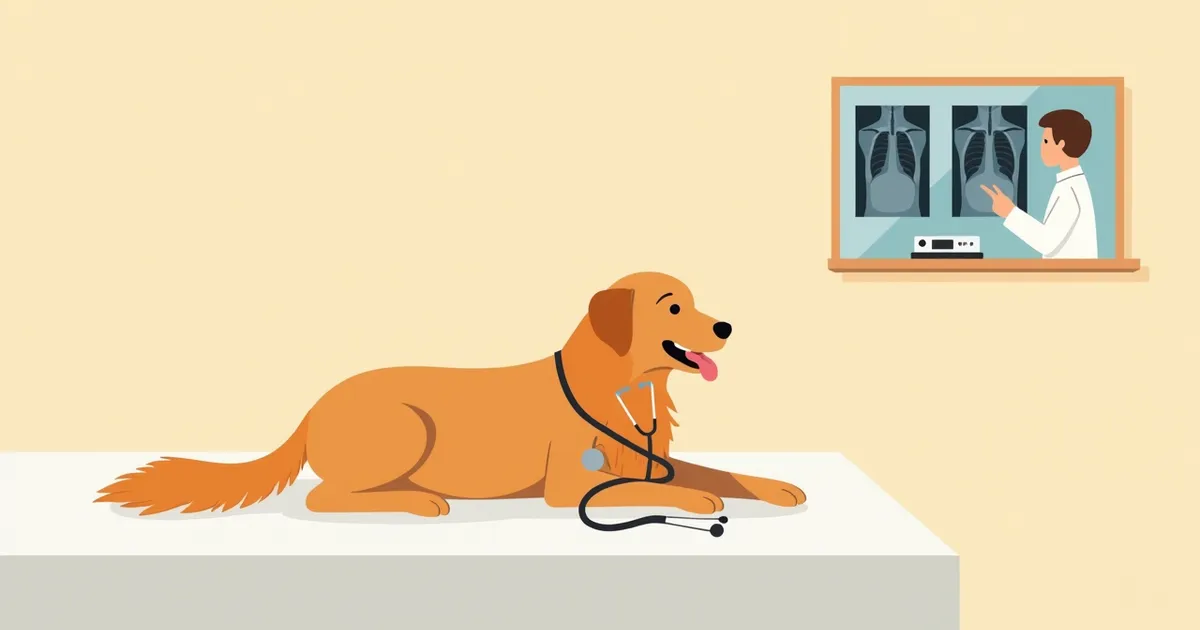
My Puppy’s Cough Won’t Stop — Pneumonia Symptoms and the Golden Window for Veterinary Care
Canine pneumonia is a respiratory condition characterized by inflammation of the lung tissue, and early detection along with prompt treatment are key to recovery. Here’s a veterinary evidence-based overview covering main symptoms, diagnosis, treatment, and home care.