
Cat Schirmer Tear Test — Key to Diagnosing Dry Eye and Interpreting Results
The Schirmer tear test for cats is a diagnostic method that measures tear production and is used to evaluate symptoms of dry eyes or excessive tearing. For an accurate diagnosis, it must be performed by a veterinarian.

If Your Cat Suddenly Can’t Open Its Eye — Emergency First Aid for Foreign Bodies and When to See a Vet
A foreign object in a cat’s eye is an emergency that can cause acute pain and risk vision loss. Prompt assessment and appropriate action are essential.

If Your Cat’s Eyeball Suddenly Protrudes — Emergency Management and the Golden Time for Globe Prolapse
Feline globe prolapse is an acute ophthalmic condition in which the eyeball protrudes from the orbit, requiring immediate veterinary intervention. It most commonly occurs in brachycephal breeds and is typically caused by trauma or changes in pressure.

If Your Cat’s Eyes Are Enlarged and Cloudy — Glaucoma Warning Signs and Timing for Medical and Surgical Treatment
Feline glaucoma is a serious condition in which elevated intraocular pressure can lead to vision loss. Early diagnosis and appropriate medical or surgical treatment are essential.

If Your Cat Can’t Open Its Eyes — Corneal Perforation, a Warning Sign Requiring Immediate Veterinary Care
Feline corneal perforation is an emergency condition in which the eye’s outer protective layer ruptures, posing a high risk of vision loss and infection. Early detection and appropriate treatment are essential.

If Your Cat’s Eyes Are Cloudy and Hazy — Causes of Corneal Edema and When to Visit the Vet
Feline corneal edema is a condition in which the cornea of the eye becomes swollen, potentially causing pain and vision loss. Early detection and appropriate treatment are essential.
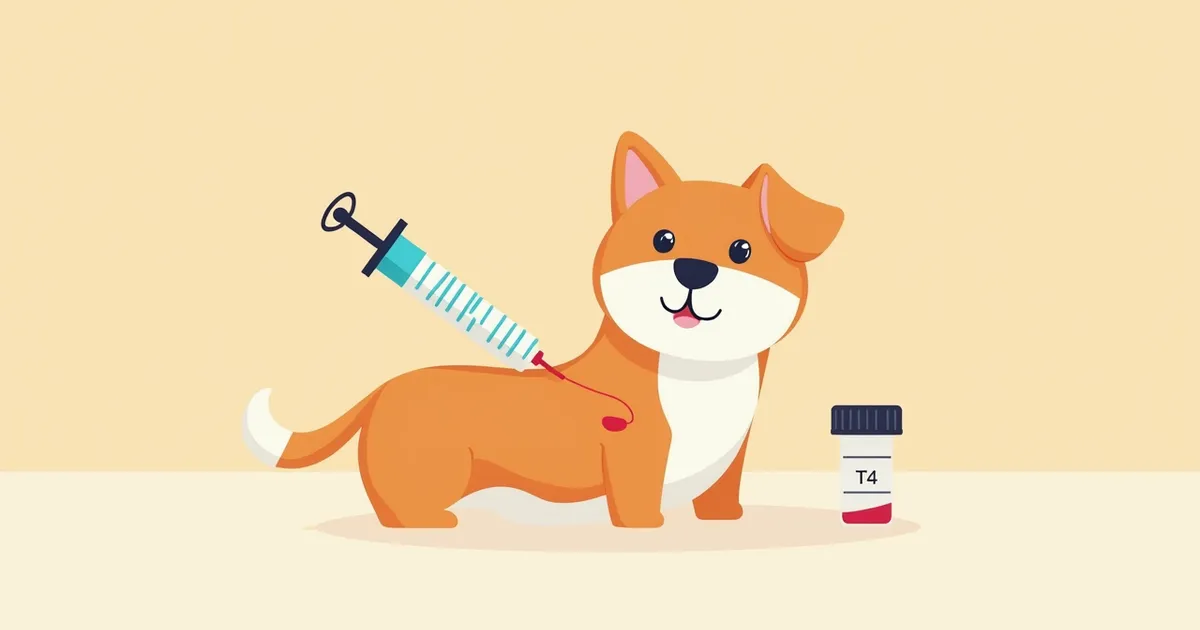
Canine Thyroid T4 Test: From Lethargy and Hair Loss Warning Signs to Diagnostic Timing – A Complete Guide
The T4 thyroid test is a key diagnostic tool for identifying thyroid dysfunction in dogs. It enables early detection even before symptoms appear.

If Only Your Dog’s Flank Hair Is Falling Out — Key Points on Seasonal Alopecia Symptoms, Diagnosis, and Management
Seasonal hair loss in dogs is a hormonal condition triggered by growth hormone sensitivity, causing shedding during autumn and winter. It typically presents as localized hair loss on the sides of the hind legs, and an accurate diagnosis at a veterinary clinic is essential.

If Your Dog Keeps Trembling and Stiffening — Causes and Treatment Points for Hypocalcemia
Hypocalcemia in dogs is an endocrine disorder in which low blood calcium levels lead to muscle spasms, restlessness, and heart problems. Early detection and appropriate treatment are essential.

If Your Dog Suddenly Loses Vision — Causes of Endocrine Hypertension and When to Test
Canine endocrine hypertension is a condition in which blood pressure remains persistently elevated due to hormonal imbalances, and it can cause serious damage to the kidneys, heart, and eyes. Early detection and proper management are essential.

If You Feel a Lump on Your Cat’s Neck — Diagnosis and Treatment Points for Thyroid Nodules and Cysts
Thyroid nodules and cysts are common endocrine disorders in older cats, potentially leading to weight loss, increased appetite, and heart problems due to excessive hormone secretion. Early diagnosis and proper management are essential.

My Cat Is Acting Strange After Giving Birth — Warning Signs and Management of Hormonal Abnormalities During Pregnancy and Lactation
During pregnancy and lactation, cats experience significant hormonal fluctuations involving progesterone, estrogen, and oxytocin. These changes can lead to complications such as dystocia, mastitis, and inadequate milk production.

Cats Drinking Excessive Water — Causes of Hypercalcemia and When to Visit the Vet
Feline hypercalcemia is an endocrine disorder characterized by elevated blood calcium levels, making early detection crucial. The main causes include cancer, kidney disease, and excessive calcium supplementation.

Feline Diabetes: Symptoms, Causes, Diagnosis, Treatment, and Management Essentials
Feline diabetes is an endocrine disorder in which impaired insulin function makes it difficult to regulate blood sugar. Early detection and consistent management are key to improving survival rates and quality of life.

Why Is My Cat Licking Its Hair Out? — Causes and Treatment Timing for Psychogenic Alopecia
Psychogenic alopecia in cats is a behavioral disorder where stress or anxiety leads to excessive grooming and hair loss. I’ve compiled a comprehensive guide based on veterinary resources, covering everything from identifying the cause to treatment and home care.

If You Applied Dog Medication to a Cat — Permethrin Toxicity Symptoms and Emergency Response Timing
Permethrin products formulated for dogs can cause fatal poisoning in cats. We’ve compiled everything pet owners need to know, from a symptom checklist and first aid steps to treatment options and prevention strategies.

If Your Cat Licked Coffee — Caffeine Poisoning Symptoms and Emergency Response Timing
Caffeine in coffee, tea, and energy drinks is extremely dangerous for cats. We’ve compiled a summary of poisoning symptoms, hazardous intake levels, emergency response steps, and prevention measures based on veterinary advice.
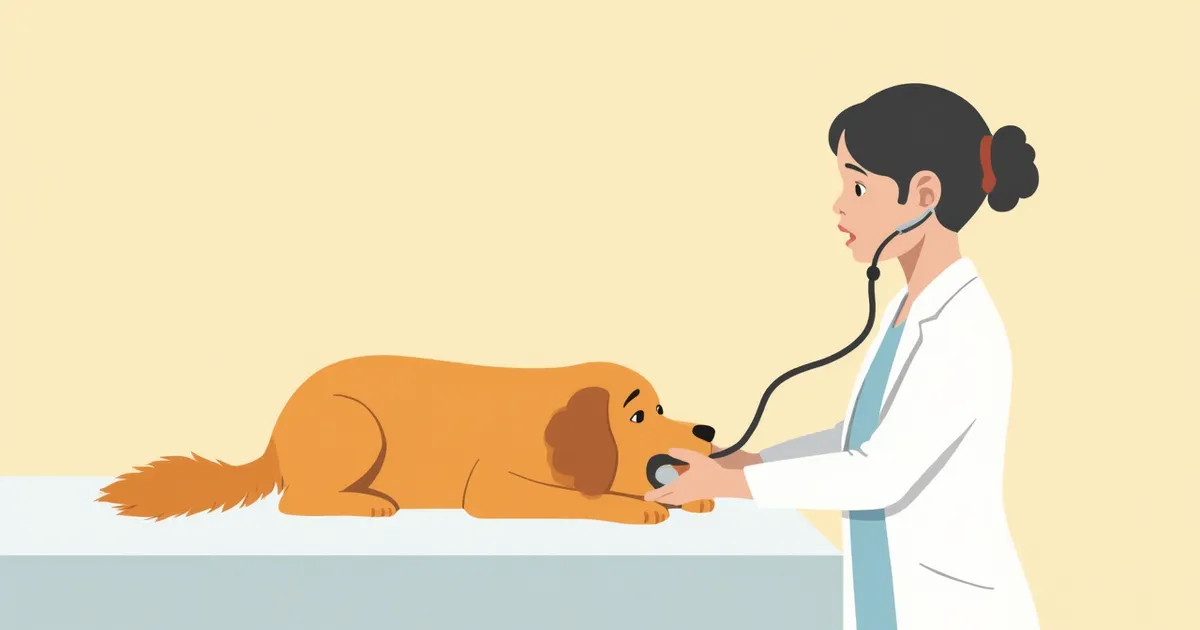
Dog Lungworm Infection: Symptoms, Transmission Routes, and Treatment & Prevention Guide
Our veterinary advisory team has compiled information on the causes, symptoms, diagnosis, treatment, and prevention of lungworm disease in dogs. If your dog has had a chronic cough for more than two weeks, it may not be a simple cold.

If a wound won't heal — Early symptoms and diagnosis of canine squamous cell carcinoma
Canine squamous cell carcinoma is a malignant tumor that arises from the epithelial tissues of the skin, oral cavity, toes, and nasal passages. Symptoms and prognosis vary significantly depending on the tumor's location, and early detection along with surgical removal have the greatest impact on treatment outcomes.

Lumps on Your Cat’s Skin — Early Signs, Diagnosis, Treatment, and Prognosis Management of Mast Cell Tumors
Feline mast cell tumors are growths that can develop in the skin, spleen, or gastrointestinal tract, with prognosis and treatment options varying significantly depending on the type. Cutaneous (skin) mast cell tumors often have a high chance of cure with surgery, while visceral (internal organ) forms require prompt diagnosis and aggressive treatment to determine the outcome.

Early Symptoms, Diagnosis, Treatment, Prognosis, and Management Guide for Feline Nasal Tumors
Feline nasal tumors are a condition in which malignant tumors develop inside the nasal cavity. They often start with mild symptoms such as nasal discharge or nosebleeds, making early detection difficult. Here’s a comprehensive overview of diagnostic methods, treatment options, and prognosis.

Early Symptoms, Diagnosis, Treatment, Prognosis, and Care Guide for Canine Bladder Transitional Cell Carcinoma
We’ve compiled evidence-based veterinary information on transitional cell carcinoma (TCC), the most common bladder cancer in dogs, covering early symptoms, diagnosis, treatment, prognosis, and home care.

Feline Diabetic Ketoacidosis: Symptoms, Diagnosis & Treatment, and Lifelong Diet & Management Guide
Feline diabetic ketoacidosis (DKA) is an emergency endocrine condition in which ketone bodies accumulate in the blood due to insulin deficiency. Early detection of symptoms and immediate treatment significantly improve survival rates.

My Dog’s Hematuria Could Be Bladder Cancer (TCC) — A Complete Guide from Causes to Treatment
We’ve compiled evidence-based veterinary information on transitional cell carcinoma (TCC), the most common type of bladder cancer in dogs, covering its causes, early symptoms, and diagnostic and treatment methods. Early detection can significantly improve survival time.

Emergency Response for Lily Poisoning in Cats
Our veterinary advisory team has compiled comprehensive information on lily poisoning in cats, including its causes, time-specific symptoms, treatment procedures at veterinary clinics, and emergency home care measures.

Symptoms and Treatment of Grape and Raisin Poisoning
We’ll guide you through the signs of poisoning, emergency first aid, and veterinary treatment for pets that have eaten grapes or raisins.

If Your Dog Has High Fever and Hematuria — Causes and Treatment Timing for Pyelonephritis
Pyelonephritis in dogs is an upper urinary tract disease in which bacteria ascend from the bladder to the kidneys. Early antibiotic treatment is key to preventing kidney damage.

Dog Increased Water Intake: Causes, Symptoms, Diagnosis, Treatment, and Management Tips
Increased water intake in dogs can be caused by various factors, including dehydration, kidney disease, and diabetes. Early detection and accurate diagnosis are essential.

Complete Guide to Canine Urinary Tract Stones: Prevention, Diet, Symptoms, Causes, Diagnosis, Treatment, and Management
Urinary tract stones in dogs are a condition where stones form in the urinary tract, with struvite and calcium oxalate stones being the most common. Preventive diet and early diagnosis are key.

Dog Urine Specific Gravity Test: Symptoms, Causes, Diagnosis, Treatment, and Management Tips
The urine specific gravity test is a key diagnostic tool for assessing kidney function and hydration status in dogs. If abnormalities are detected, prompt diagnosis and management are essential.

Dog Urine Culture Test: Symptoms, Causes, Diagnosis, Treatment, and Care Essentials
A urine culture test for dogs is a key diagnostic tool that accurately identifies the bacteria causing urinary tract infections. With an accurate diagnosis, effective antibiotic treatment becomes possible.

Canine Urinary Incontinence and Urethral Sphincter Mechanism Incompetence: Symptoms, Causes, Diagnosis, Treatment, and Management Essentials
Canine urinary incontinence is a condition in which a dog cannot properly hold its urine due to weakened urethral sphincter function, and it most commonly occurs in older dogs or after whelping. Accurate diagnosis and proper management are essential.

Dog Urethral Stricture: Symptoms, Causes, Diagnosis, Treatment, and Management Essentials
Urethral stricture in dogs is a condition where the urethra narrows, making it difficult to urinate and causing pain and urinary problems. Early detection and proper treatment are essential.

Uric Acid Uroliths in Dogs: Symptoms, Causes, Diagnosis, Treatment, and Management Essentials
Uric acid uroliths in dogs are a condition in which uric acid crystals form in the urinary tract, causing pain and urinary difficulties. Early detection and proper management are essential.

Chronic Recurrent Urinary Tract Infections in Dogs: Symptoms, Causes, Diagnosis, Treatment, and Management Essentials
Chronic recurrent urinary tract infections in dogs are conditions where inflammation repeatedly occurs in the urinary tract, with main symptoms including difficulty urinating, frequent urination, and blood in the urine. Early diagnosis and proper management are important.

Neurogenic Bladder in Dogs: Symptoms, Causes, Diagnosis, Treatment, and Management Essentials
Neurogenic bladder in dogs is a condition in which nerve damage prevents the bladder from contracting properly, making it difficult for the dog to urinate on time. Early detection and appropriate management are essential.

Canine Hydronephrosis: Symptoms, Causes, Diagnosis, Treatment, and Management Essentials
Canine hydronephrosis is a condition in which urine backs up and causes the kidneys to swell, making early detection crucial. The causes can vary, including urinary tract obstruction, congenital abnormalities, and infections, so a thorough diagnosis by a veterinarian is essential.

Dog Stranguria: Symptoms, Causes, Diagnosis, Treatment, and Care Essentials
Difficulty urinating in dogs (stranguria) is a symptom where your dog struggles to pass urine, which can be caused by infections, stones, or urinary tract abnormalities. Prompt diagnosis and treatment are essential.

Cystine Urolithiasis in Dogs: Symptoms, Causes, Diagnosis, Treatment, and Management Essentials
Cystine urolithiasis in dogs is a condition caused by genetic factors that lead to the formation of cystine crystals in the urinary tract, potentially resulting in pain and difficulty urinating. Early diagnosis and proper management are essential.

Feline Urinary Tract Stones: A Complete Guide to Prevention, Diet, Symptoms, Causes, Diagnosis, Treatment, and Management
Feline urinary tract stones are a condition where stones form in the urinary tract, and dietary management is key to prevention and care. Early detection and tailored management are essential.

Complete Guide to Feline Chronic Recurrent Urinary Tract Infections: Symptoms, Causes, Diagnosis, Treatment, and Management
Feline chronic recurrent urinary tract infections are a condition characterized by recurring urinary difficulties and pain, making accurate diagnosis and systematic management essential.

Feline Neurogenic Bladder: Symptoms, Causes, Diagnosis, Treatment, and Management Essentials
Feline neurogenic bladder is a condition in which nerve damage impairs the bladder’s ability to contract properly, leading to urinary difficulties and pain. Early diagnosis and management are essential.

Feline Hydronephrosis: Symptoms, Causes, Diagnosis, Treatment, and Management Essentials
Feline hydronephrosis is a condition in which urine accumulates in the kidneys, making early detection crucial. The main symptoms include pain, abnormal urination, and decreased kidney function.

Complete Guide to Feline Hematuria: Symptoms, Causes, Diagnosis, Treatment, and Management
Hematuria in cats is a condition where blood appears in the urine, and it can be caused by various factors such as infections, stones, or tumors. Early diagnosis and treatment are essential.

Feline Bladder Ultrasound: Symptoms, Causes, Diagnosis, Treatment, and Care Essentials
Feline bladder ultrasound is a non-invasive diagnostic method that precisely evaluates the structure and function of the bladder. It may be recommended by a veterinarian when symptoms such as abdominal pain or urinary difficulties are suspected.

Feline Bacterial Cystitis: Symptoms, Causes, Diagnosis, Treatment, and Management Essentials
Feline bacterial cystitis is a condition in which bacteria invade the bladder and cause inflammation, leading to symptoms such as difficulty urinating, blood in the urine, and frequent urination. Early detection and appropriate treatment are essential.

Dog Lung Percussion and Thoracentesis: Symptoms, Causes, Diagnosis, Treatment, and Management Essentials
Percussion of the lungs and thoracentesis are treatments used to relieve respiratory distress caused by pleural effusion in dogs. To ensure safe management, it’s essential to accurately understand the causes, symptoms, diagnostic methods, and treatment procedures.

Canine Pulmonary Thromboembolism: Symptoms, Causes, Diagnosis, Treatment, and Management Essentials
Canine pulmonary thromboembolism is a serious condition in which blood clots block the pulmonary arteries, causing difficulty breathing. Early detection and appropriate treatment are critical to improving survival rates.

Canine Pleural Effusion: Symptoms, Causes, Diagnosis, Treatment, and Management Essentials
Canine pleural effusion is a condition in which excess fluid accumulates in the chest cavity, causing difficulty breathing. The underlying causes can vary, including heart disease, lung disease, infections, and cancer. Early detection and accurate diagnosis are key to effective treatment.

Dog Oxygen Therapy: Symptoms, Causes, Diagnosis, Treatment, and Management Essentials
Oxygen therapy is a life-saving treatment for dogs experiencing respiratory distress. You can easily find comprehensive information on causes, symptoms, diagnosis, and management all in one place.

Canine Elongated Soft Palate: Symptoms, Causes, Diagnosis, Treatment, and Management Essentials
Canine elongated soft palate is a genetic abnormality that obstructs airflow during inhalation, and it occurs more frequently in certain breeds due to their specific characteristics. Early diagnosis and appropriate management are essential.

Canine Influenza: Symptoms, Causes, Diagnosis, Treatment, and Management Essentials
Canine influenza is a contagious respiratory disease caused by the H3N8 and H3N2 viruses, with coughing, fever, and nasal discharge as primary symptoms. Early diagnosis and proper management are essential.

Brachycephalic Obstructive Airway Syndrome (BOAS) in Dogs: Symptoms, Causes, Diagnosis, Treatment, and Management Essentials
Brachycephalic Obstructive Airway Syndrome (BOAS) is a condition that causes breathing difficulties in brachycephalic dog breeds due to abnormal airway structures. Early diagnosis and proper management are essential.

Cat Lung Percussion and Thoracentesis: Symptoms, Causes, Diagnosis, Treatment, and Management Essentials
Feline lung percussion and thoracentesis are important diagnostic and therapeutic procedures to relieve respiratory distress caused by pleural effusion. These procedures must be performed by a veterinarian to ensure an accurate diagnosis and immediate intervention.

Comprehensive Guide to Feline Thoracic Radiography: Symptoms, Causes, Diagnosis, Treatment, and Management
Chest X-rays are a key tool for the early detection of respiratory diseases in cats. Accurate interpretation allows us to identify the cause and severity of the condition, enabling us to initiate appropriate treatment.

Feline Pneumothorax: Symptoms, Causes, Diagnosis, Treatment, and Management Essentials
Feline pneumothorax is an acute condition in which air accumulates around the lungs, making breathing difficult, and requires immediate veterinary attention. Causes can vary, including trauma, lung disease, and genetic predisposition.

Feline Chylothorax: Symptoms, Causes, Diagnosis, Treatment, and Management Essentials
Feline chylothorax is a rare condition in which lymphatic fluid accumulates in the chest cavity, causing difficulty breathing. Early diagnosis and appropriate treatment are essential.

Feline Bronchodilators: Symptoms, Causes, Diagnosis, Treatment, and Management Essentials
Feline bronchodilators are used in the treatment of chronic bronchial disease and help alleviate coughing and difficulty breathing. Accurate diagnosis and proper management are essential.

Kennel Cough in Dogs: A Complete Guide to Vaccination, Symptoms, Causes, Diagnosis, Treatment, and Care
Kennel cough in dogs is a contagious respiratory disease caused by a combination of viral and bacterial infections. Vaccination is a key preventive measure that significantly reduces the risk of infection.

Feline Weight and Obesity Prevention and Management: Symptoms, Causes, Diagnosis, Treatment, and Key Management Points
Feline obesity can lead to various health issues, including diabetes, arthritis, and heart disease, making weight management essential for prevention and care. Regular weight monitoring and proper dietary control are key.

Senior Cat Health Checkups: Symptoms, Causes, Diagnosis, Treatment, and Care Essentials
Health screenings for senior cats are essential for early detection of chronic diseases and improving their quality of life. Regular check-ups allow you to identify potential risks before they become serious issues.

Cat Microchip Insertion: Symptoms, Causes, Diagnosis, Treatment, and Care Essentials
Microchipping your cat is a preventive measure that helps you quickly locate them if they get lost. It’s important to understand the possible post-insertion reactions and precautions so you can properly care for your pet afterward.

FVRCP Cat Combination Vaccine: Symptoms, Causes, Diagnosis, Treatment, and Care Points Summary
The FVRCP vaccine for cats is an essential combination vaccine that protects against feline panleukopenia (distemper), respiratory infections, and calicivirus. Prevention is the most important strategy in managing your cat's health.

Complete Guide to Cat FIV and FeLV Testing: Symptoms, Causes, Diagnosis, Treatment, and Management
FIV and FeLV testing for cats is a key preventive measure to detect early viral infections that can compromise the immune system. It is essential to perform these tests when adopting a new cat.

Feline Leukemia Virus (FeLV): A Complete Guide to Vaccination, Symptoms, Causes, Diagnosis, Treatment, and Management
Feline leukemia virus (FeLV) is a contagious virus that weakens the immune system and can lead to malignant diseases, making vaccination essential. Early symptoms are often subtle, making early detection difficult, but regular check-ups and vaccinations can help prevent the disease.

Cat Ear Cleaning: Symptoms, Causes, Diagnosis, Treatment, and Management Essentials
Cleaning your cat’s ears is key to preventing ear diseases. Knowing the proper technique and precautions can help reduce the risk of infection.

Complete Guide to Cat Water Intake Monitoring: Symptoms, Causes, Diagnosis, Treatment, and Management
Changes in a cat’s water intake can be an early warning sign of various health issues, such as kidney disease, urinary tract problems, or stress. Regular monitoring is key to catching these conditions early.
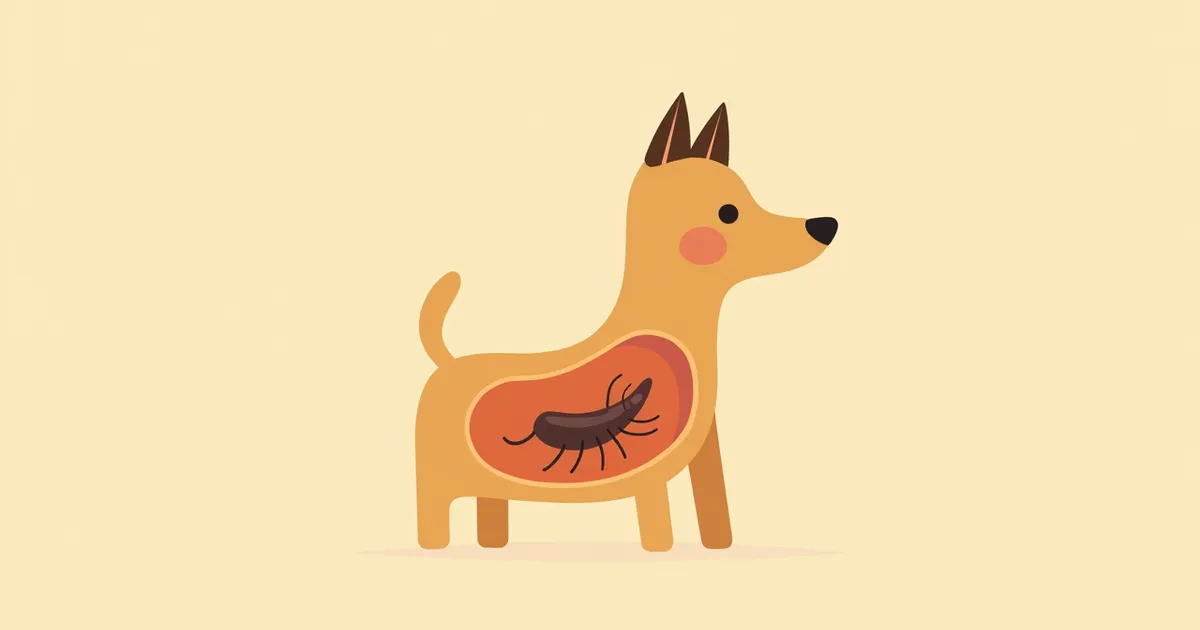
Comprehensive Guide to Canine Internal Parasite Symptoms: Differential Diagnosis, Causes, Diagnosis, Treatment, and Management
Internal parasites in dogs affect the digestive system and can cause a variety of symptoms, including diarrhea, weight loss, and fatigue. Accurate differential diagnosis and early treatment are essential.

Canine Giardiasis: Symptoms, Causes, Diagnosis, Treatment, and Management Essentials
Canine giardiasis is an intestinal infection caused by a parasite, leading to symptoms such as diarrhea, abdominal pain, and weight loss. Early diagnosis and appropriate treatment are essential.

Feline Lung Flukes: Symptoms, Causes, Diagnosis, Treatment, and Management Essentials
Feline lung flukes are parasites that live in the lungs, causing symptoms such as coughing, difficulty breathing, and weight loss. Early diagnosis and appropriate treatment are essential.
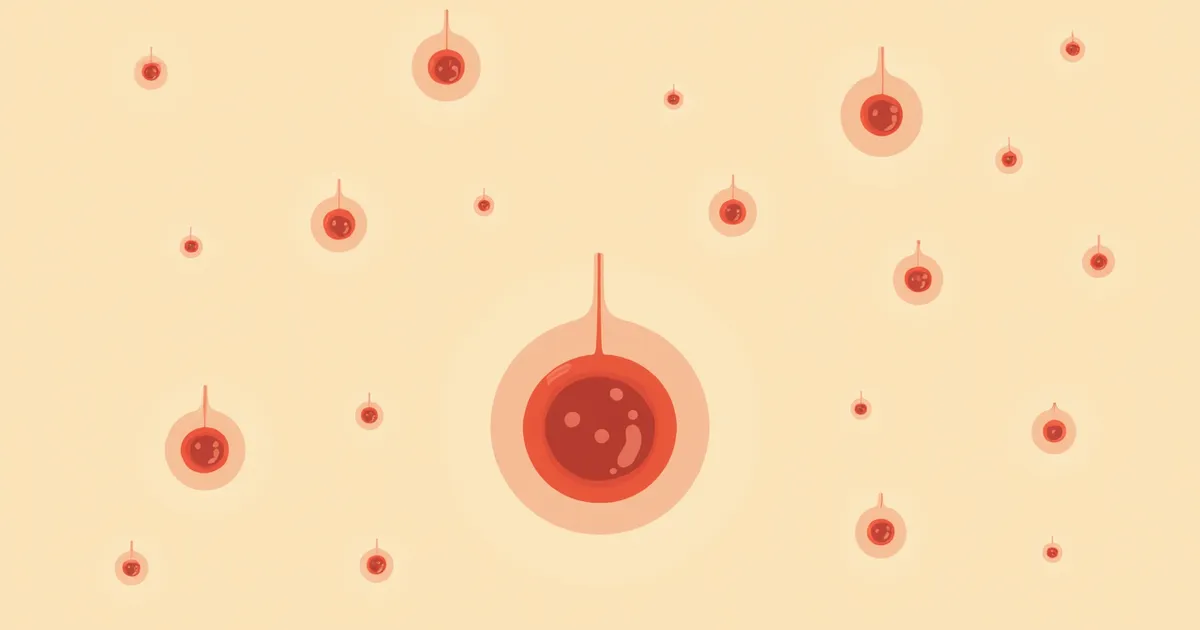
Feline Hemoplasma (Feline Blood Parasite): Symptoms, Causes, Diagnosis, Treatment, and Management Essentials
Feline hemoplasma is a blood parasite that attacks red blood cells in cats, potentially causing anemia and bleeding symptoms. Early diagnosis and appropriate treatment are essential.

Feline Giardiasis: Symptoms, Causes, Diagnosis, Treatment, and Management Essentials
Feline giardiasis is an intestinal inflammation caused by a parasite, leading to symptoms such as diarrhea, vomiting, and weight loss. Because it is highly contagious, proper management is essential.

Comprehensive Guide to Cat Flea Infestation: Symptoms, Causes, Diagnosis, Treatment, and Management
Flea infestations in cats can cause a variety of symptoms, including skin itching, hair loss, and anemia. Early diagnosis and comprehensive management are essential.

Cat Fecal Parasite Testing: Methods, Symptoms, Causes, Diagnosis, Treatment, and Management Essentials
Fecal parasite testing is a key diagnostic method for confirming whether a cat has a parasitic infection. Regular testing is essential for maintaining your cat’s health.

Complete Guide to Symptoms, Causes, Diagnosis, Treatment, and Management of Flea Elimination in Indoor Cat Environments
Eliminating fleas from an indoor cat environment hinges on disrupting their life cycle and removing larvae and pupae from the surroundings. Effective management requires more than just treating the cat; it also involves thoroughly cleaning the entire indoor space.

Comprehensive Guide to Dog Tooth Brushing Training: Symptoms, Causes, Diagnosis, Treatment, and Management
Teaching your dog to accept tooth brushing is an essential part of maintaining their dental health. However, using the wrong approach can cause stress and lead to avoidance behaviors, so it’s important to know the proper technique.

Dog Temporomandibular Joint Dislocation: Symptoms, Causes, Diagnosis, Treatment, and Care Essentials
A dislocated temporomandibular joint in dogs is a condition where the jaw shifts out of its normal position, making it difficult to open or close the mouth. Prompt diagnosis and appropriate treatment are essential.

Dog Tooth Extraction Aftercare: Symptoms, Causes, Diagnosis, Treatment, and Care Points Summary
Proper care after your dog’s tooth extraction is key to preventing complications such as pain, bleeding, and infection. With the right post-operative care, you can speed up recovery and reduce the risk of recurrence.

Retained Deciduous Teeth in Puppies: Symptoms, Causes, Diagnosis, Treatment, and Care Essentials
Retained deciduous teeth in puppies occur when baby teeth fail to fall out as they should, which can lead to bite misalignment and increase the risk of infection. Early diagnosis and appropriate treatment are essential.

Comprehensive Guide to Canine Oral Malignant Melanoma: Symptoms, Causes, Diagnosis, Treatment, and Management
Malignant oral melanoma in dogs is a deadly cancer that develops around the teeth, and early detection is key to successful treatment. Prompt diagnosis and comprehensive management are essential.

Dog Oral Hygiene Products: Comparison, Symptoms, Causes, Diagnosis, Treatment, and Management Essentials
Dog oral hygiene products are essential for maintaining dental health and preventing oral diseases. Choosing the right product and using it correctly is key.

Canine Oral Fibrosarcoma: Symptoms, Causes, Diagnosis, Treatment, and Management Essentials
Canine oral fibrosarcoma is a malignant tumor that develops in the mouth, and early detection significantly improves treatment success rates. We’ve outlined the key symptoms, along with diagnostic and treatment methods.

Comprehensive Guide to Symptoms, Causes, Diagnosis, Treatment, and Management of Oral Bacteria and Systemic Diseases in Dogs
Bacteria in your dog’s mouth are closely linked not only to dental problems but also to systemic diseases affecting the heart, kidneys, and liver. Early detection and proper management are essential.

Dog Masticatory Myositis: Symptoms, Causes, Diagnosis, Treatment, and Management Tips
Masticatory myositis in dogs is an autoimmune disease that makes it difficult for them to open their mouths, and it's a condition that pet owners often overlook. Early diagnosis and treatment are crucial.

Gum Overgrowth in Dogs (Idiopathic and Drug-Induced): Symptoms, Causes, Diagnosis, Treatment, and Management Essentials
Gum overgrowth in dogs is a condition where the gum tissue enlarges abnormally, with idiopathic and drug-induced causes being the primary factors. Early detection and proper management are essential.

Canine Oral Abscess and Periapical Abscess: Symptoms, Causes, Diagnosis, Treatment, and Management Essentials
A canine oral abscess is a condition in which bacteria invade the tissues surrounding the teeth, causing inflammation. A periapical abscess is a more severe form that develops at the tip of the tooth root. Early detection and treatment are essential.

Retained Deciduous Teeth in Cats: Causes and Extraction Timing Explained
Retained deciduous teeth in cats occur when baby teeth fail to fall out and grow alongside the permanent teeth, potentially causing oral pain and dental abnormalities. Early diagnosis and treatment are essential.

Something’s Wrong in My Cat’s Mouth — Causes of Oral Fungal Infection and When to Treat
Feline oral fungal infections occur when fungi such as Candida proliferate in the mouth, causing inflammation. Symptoms include worsened bad breath, decreased appetite, and oral ulcers. Early diagnosis and appropriate treatment are essential.

Feline Malocclusion: Symptoms, Causes, Diagnosis, Treatment, and Management Essentials
Feline malocclusion is an oral condition in which the teeth do not align properly, making it difficult for your cat to eat and maintain good oral hygiene. Early diagnosis and appropriate management are essential.

If Your Cat’s Bad Breath Has Worsened — Diseases Hidden Behind Halitosis and When to Visit the Vet
Feline bad breath can be an early sign of oral diseases and even systemic conditions. Identifying the exact cause and starting early care are crucial.

Cat Teeth Are Rough and Yellow — Causes of Enamel Hypoplasia and Treatment & Management Points
Feline enamel hypoplasia is a genetic condition in which the enamel fails to develop properly before birth, leaving the teeth weak and prone to cavities. Early detection and management are essential.

Feline Oral and Periapical Abscesses: Symptoms, Causes, Diagnosis, Treatment, and Care Essentials
Feline oral abscesses are inflammatory lesions that develop in the tissues surrounding the teeth, while periapical abscesses are serious conditions originating at the tips of the tooth roots. Early detection and appropriate treatment are essential.

If Your Cat Keeps Grinding Its Teeth — Causes of Bruxism and When to Visit the Vet
Feline bruxism, or teeth grinding, is a behavior where the teeth rub together rapidly, producing an audible sound. It can be caused by pain, stress, or neurological disorders. Early detection and accurate diagnosis are key to effective treatment.

Dog Tumor Prognosis and Survival Time: Symptoms, Causes, Diagnosis, Treatment, and Care Points Summary
The prognosis for a dog’s tumor varies significantly depending on its type, location, and whether it has metastasized. Early diagnosis and appropriate treatment can greatly extend your pet’s lifespan.

Is Immunotherapy the Answer for Our Dog’s Cancer Treatment? A Complete Guide to Its Effects and Limitations
Tumor immunotherapy for dogs strengthens the immune system to recognize and attack cancer cells. Early diagnosis and personalized care are essential.

My Dog Keeps Having Accidents — Warning Signs of Bladder Cancer (Transitional Cell Carcinoma) and Treatment Timing
Canine transitional cell carcinoma is a malignant tumor that develops within the bladder, with urinary difficulties and hematuria being its primary symptoms. Early detection and appropriate treatment are crucial for improving survival rates.

Dog Testicular Tumors: Don't Wait — Symptoms, Causes, Neutering Treatment, and Prognosis
Testicular tumors are one of the most common malignant tumors in male dogs. Early detection and surgery are key to treatment.

Comprehensive Guide to Canine Mammary Tumors: Prevention via Spaying, Symptoms, Causes, Diagnosis, Treatment, and Management
The risk of mammary tumors in dogs varies significantly depending on whether they are spayed, making early spaying the key to prevention. This article provides a comprehensive guide to the causes, symptoms, diagnosis, and treatment options.

Dog Radiation Therapy — A Complete Guide from Indications to Effects, Side Effects, and Care
The indications for radiation therapy in dogs are determined by the location and type of cancer, and it plays a crucial role in pain relief and extending survival time. Accurate diagnosis and a well-planned treatment strategy are essential.

If Your Dog Is Enduring Cancer Pain — Palliative Care and Pain Management Points
Palliative care and pain management are essential for improving the quality of life in dogs suffering from chronic conditions like cancer. It’s important to identify the causes and signs of pain and provide tailored care.